
Abdominoplasty in Turkey: What to Know Before You Travel
Thinking about abdominoplasty in Turkey? This guide covers how a tummy tuck works, who it may suit, how to plan travel around recovery, the risks, and what to ask clinics before you decide.
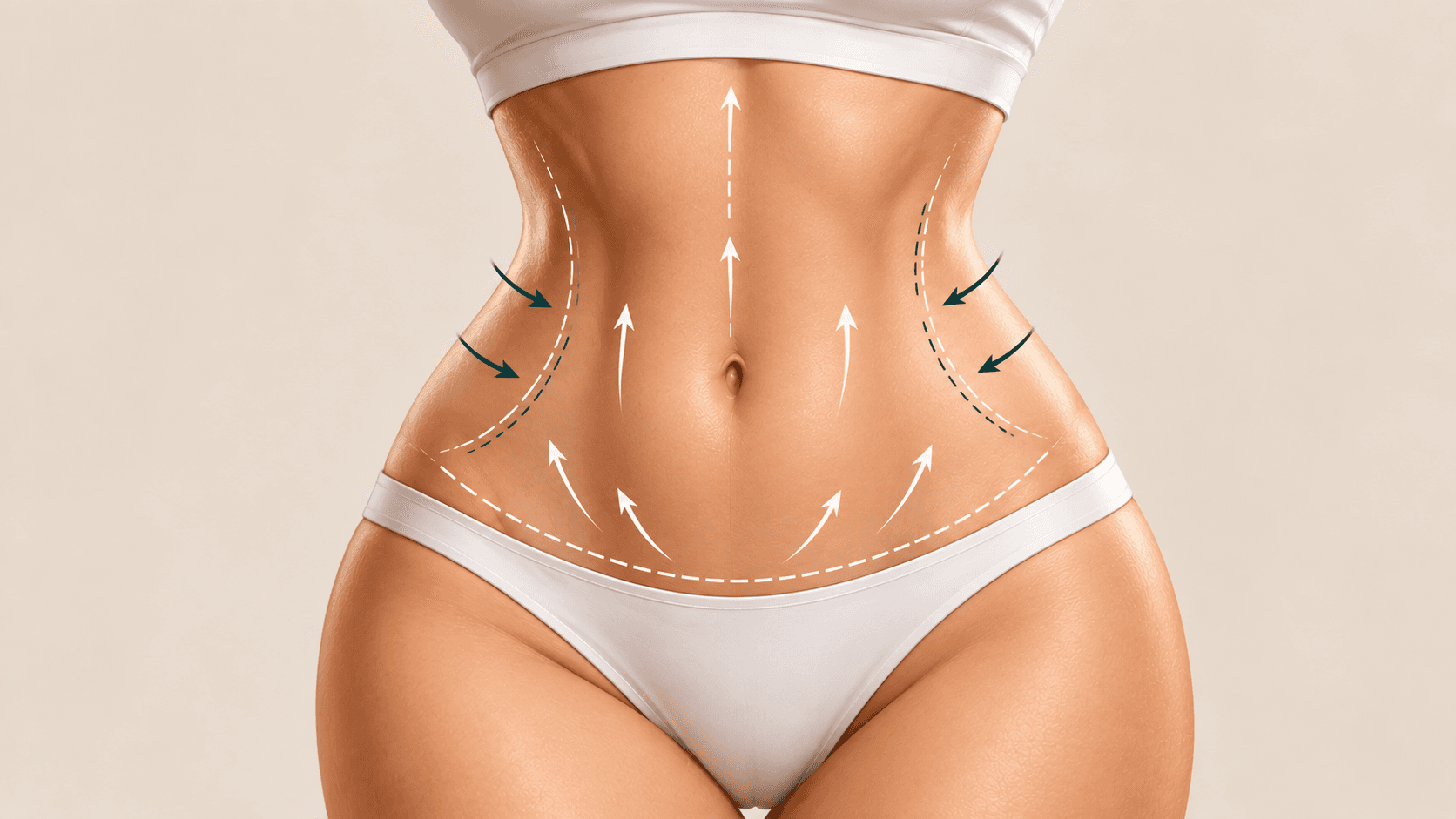
Many people who are thinking about a tummy tuck end up looking into abdominoplasty in Turkey. Some want more choice of clinics. Others want to compare treatment packages or would like to have surgery and recover somewhere new. Whatever your reason, having surgery abroad takes careful planning. This guide explains how the procedure works, who it may suit, how to plan travel around recovery, and what to ask before you choose a clinic.
Abdominoplasty is a surgical procedure that removes excess skin and fat from the abdomen. In many cases, the surgeon also tightens the abdominal muscles. People often consider it after pregnancy or major weight loss, when diet and exercise alone can't change loose skin or separated muscles. It's major surgery, so the decision deserves time, good information and an honest talk with a qualified surgeon.
Why people consider abdominoplasty in Turkey
Turkey is a well-known destination for medical travel, and plastic surgery is one of the treatments people often research there. Patients usually look at a mix of things:
- The choice of clinics and plastic surgeons
- Treatment packages that may bundle surgery, hospital stay and transfers
- The chance to have consultations online before travelling
- Travel connections from many countries
Remember that standards, experience and communication vary from clinic to clinic, as they do anywhere. The country you choose matters less than the clinic and surgeon, and how well they plan your care before, during and after surgery.
How an abdominoplasty is performed
The surgeon makes a horizontal incision on the lower abdomen. This is usually placed so the scar can sit below the underwear line. Excess skin and fat are removed, and the abdominal muscles are often tightened with stitches. The remaining skin is pulled down and closed, and the belly button is usually repositioned. The operation is usually done under general anaesthesia, and a short hospital stay is common.
There are several variations, and the surgeon chooses one based on your anatomy:
- Full abdominoplasty: treats the area above and below the belly button, including the muscles
- Mini abdominoplasty: a smaller procedure focused below the belly button, with a shorter scar
- Extended abdominoplasty: reaches further around the hips, sometimes after major weight loss
- Combined procedures: sometimes combined with liposuction or other surgery, which can change the risks and recovery
Drains may be placed for a short time to remove fluid, and a compression garment is commonly worn afterwards.
Are you a suitable candidate for a tummy tuck?
Good candidates are generally adults in stable overall health who are close to a steady weight and are bothered by loose abdominal skin or weak abdominal muscles. Abdominoplasty is not a way to lose weight. Only a surgeon can judge whether it suits you.
During a consultation, surgeons often look at:
- Weight stability: large changes in weight afterwards can affect the result
- General health: including heart, lung and blood clotting conditions
- Smoking: it raises the risk of wound healing problems, so many surgeons ask patients to stop well before surgery
- Pregnancy plans: a later pregnancy can stretch the muscles and skin again
- Expectations: a clear understanding of the scar and what surgery can realistically change
If you mainly want to reduce fat and your skin is still quite elastic, a surgeon may suggest that liposuction or a non-surgical option would suit you better.
Planning travel and recovery in Turkey
Travel is a big part of planning abdominoplasty in Turkey. Recovery comes in stages, and the speed of each stage is different for every person.
- Early days: tiredness, tightness, swelling and pain managed with medication. Walking a little helps circulation, but standing fully upright may feel hard at first.
- The following weeks: a gradual return to light daily tasks and, for many people, desk work. Heavy lifting and hard exercise are usually avoided.
- Longer term: swelling keeps settling, and the scar slowly fades and flattens over many months.
Before you book flights, ask the clinic how long they recommend you stay nearby after surgery and when it should be safe for you to fly. Plan for help with luggage and everyday tasks, both while you're away and once you get home. Some people bring a companion. Also ask how follow-up will work after you return home. This includes who removes stitches or checks the wound, and who to contact if something worries you. Your own recovery plan should always come from your treating doctor.
Risks and side effects to understand
Like any major surgery, abdominoplasty carries risks. Side effects such as swelling, bruising and numbness are common. Possible risks include:
- Pain, swelling, bruising and temporary or longer-lasting numbness of the abdominal skin
- Fluid building up under the skin (seroma), which may need draining
- Infection or slow wound healing
- Visible or thickened scarring
- Blood clots in the legs or lungs
- Uneven results or contour irregularities that may need revision
- Risks related to anaesthesia
Smoking, some medical conditions and combining several procedures can raise some of these risks. Long journeys can also matter, especially when it comes to blood clots, so talk to your surgeon about the timing of your flights. Share your full medical history so your care can be planned safely.
Cost and choosing a clinic for abdominoplasty in Turkey
The cost depends on the technique, the clinic and what's included. Clinics give an individual quote after reviewing your situation. Factors that commonly affect the price include:
- Full, mini or extended technique, and any combined procedures
- Surgeon and anaesthetist fees
- Length of hospital stay
- Tests and consultations before surgery
- Compression garments, medication and follow-up visits
- Accommodation, transfers and travel
When you compare offers, check exactly what each one includes so you're comparing like with like. Price is only one part of the decision. Questions worth asking each clinic:
- What are the surgeon's qualifications, and how often do they perform abdominoplasty?
- Which technique do they recommend for me, and why?
- What does the quote include, and what might cost extra?
- How long should I stay nearby after surgery?
- How are complications handled, both during my stay and after I go home?
- Can I speak with the surgeon before I travel, in a language I understand well?
Clear, unhurried answers are a good sign. A clinic that pushes you to decide quickly or avoids talking about risks deserves extra caution.
When to talk to a doctor
Speak with your own doctor before you start planning, especially if you have a long-term health condition, take regular medication, have had blood clots or are unsure about future pregnancies. Your doctor can help you understand whether major surgery and long-distance travel are sensible for you.
After surgery, get medical advice promptly if you notice increasing pain, redness, warmth or discharge from the wound, fever, sudden swelling in one leg, chest pain or breathlessness. Suitability, recovery and risks differ from person to person and should always be discussed with your treating surgeon.
If you're ready to explore your options, you can compare verified clinics, read about their approach and send one free request. Clinics will then contact you to discuss your situation. Start on our abdominoplasty treatment page and take the time you need to make a well-informed choice.