
Compare Verified Hair Transplant Clinics
Treatments: 5
Thinning hair or a receding hairline can affect how you feel about yourself, and many people start looking into a hair transplant after trying other options. On this page you can learn the basics of the procedure, see what to look for in a clinic, and compare verified clinics side by side. When you're ready, you can send one free request, and the clinics that fit your needs will contact you.
What Is a Hair Transplant?
A hair transplant is a surgical procedure. Hair follicles are taken from an area where hair grows densely, usually the back or sides of the head, and moved to areas where hair has thinned or stopped growing. It's usually done under local anaesthesia, so you're awake but the treated areas are numbed.
The most common techniques are:
- FUE (Follicular Unit Extraction): individual follicles are removed one by one and placed in the thinning areas.
- FUT (Follicular Unit Transplantation): a thin strip of scalp is removed, divided into small grafts, and then transplanted.
- DHI and similar implanter methods: a variation of FUE in which follicles are placed with a special pen-like tool.
Each technique has its own pros and cons. Which one suits you depends on your hair type, how much donor hair you have, and your goals. Your treating doctor can explain these in detail.
Who May Be a Suitable Candidate?
Not everyone is a good fit for a hair transplant. Doctors usually look at things like:
- The cause and pattern of your hair loss
- How much healthy donor hair you have and its quality
- Your age, general health and any medication you take
- Whether your hair loss has stabilised or may continue
A personal consultation is the only way to find out whether the procedure is right for you and what results are realistic.
Recovery and Possible Risks
Recovery is different for everyone. Many people notice some redness, swelling or small scabs on the scalp at first. It's also common for transplanted hairs to shed before new growth starts. As with any surgery, there are risks, such as infection, scarring or uneven growth. Your doctor should talk you through the risks, aftercare and a realistic timeline before you decide.
What You Can Compare on Our Platform
Choosing a clinic is a personal decision, especially if you're travelling abroad for treatment. Here you can compare verified clinics on things like:
- The techniques they offer
- The doctors' qualifications and experience
- What's included in the treatment package, such as consultation, aftercare products or follow-up visits
- Help with travel, accommodation and transfers, where offered
- Languages spoken by the team
- Patient reviews and clinic location
Questions to Ask a Clinic
Before you commit, it's a good idea to ask:
- Who will carry out the procedure, and who does each step?
- Which technique do you recommend for me, and why?
- How many grafts do you expect I'll need, based on my situation?
- What aftercare and follow-up do you provide, including once I'm home?
- What's included in the quoted price, and what isn't?
How It Works
1. Browse and compare the hair transplant clinics listed on this page.
2. Send one free request describing your situation.
3. Suitable clinics will contact you with more information and next steps.
Sending a request is free and doesn't commit you to anything. Take all the time you need to compare your options and talk with the doctors before you make a decision.
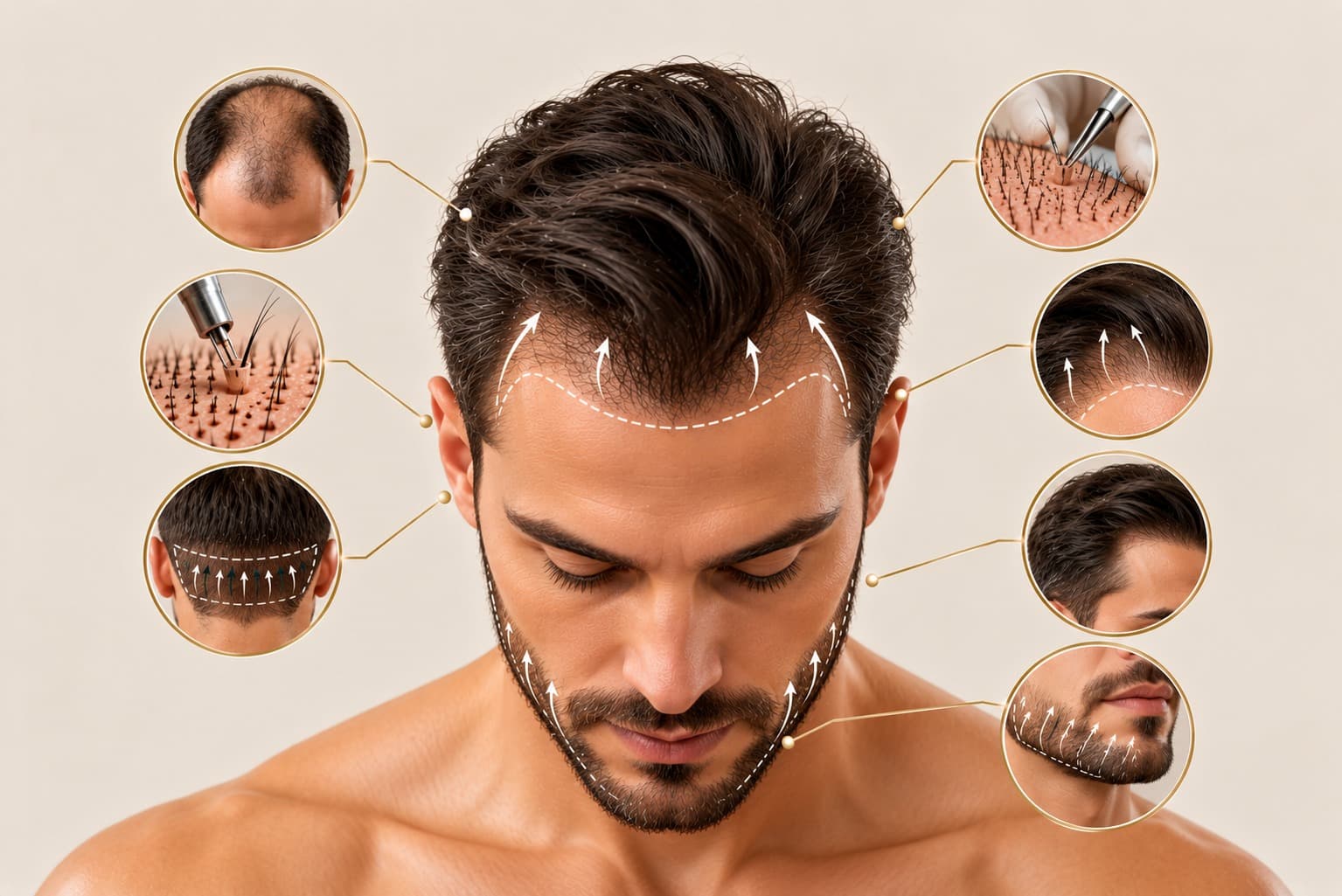
Treatments in Hair Transplant
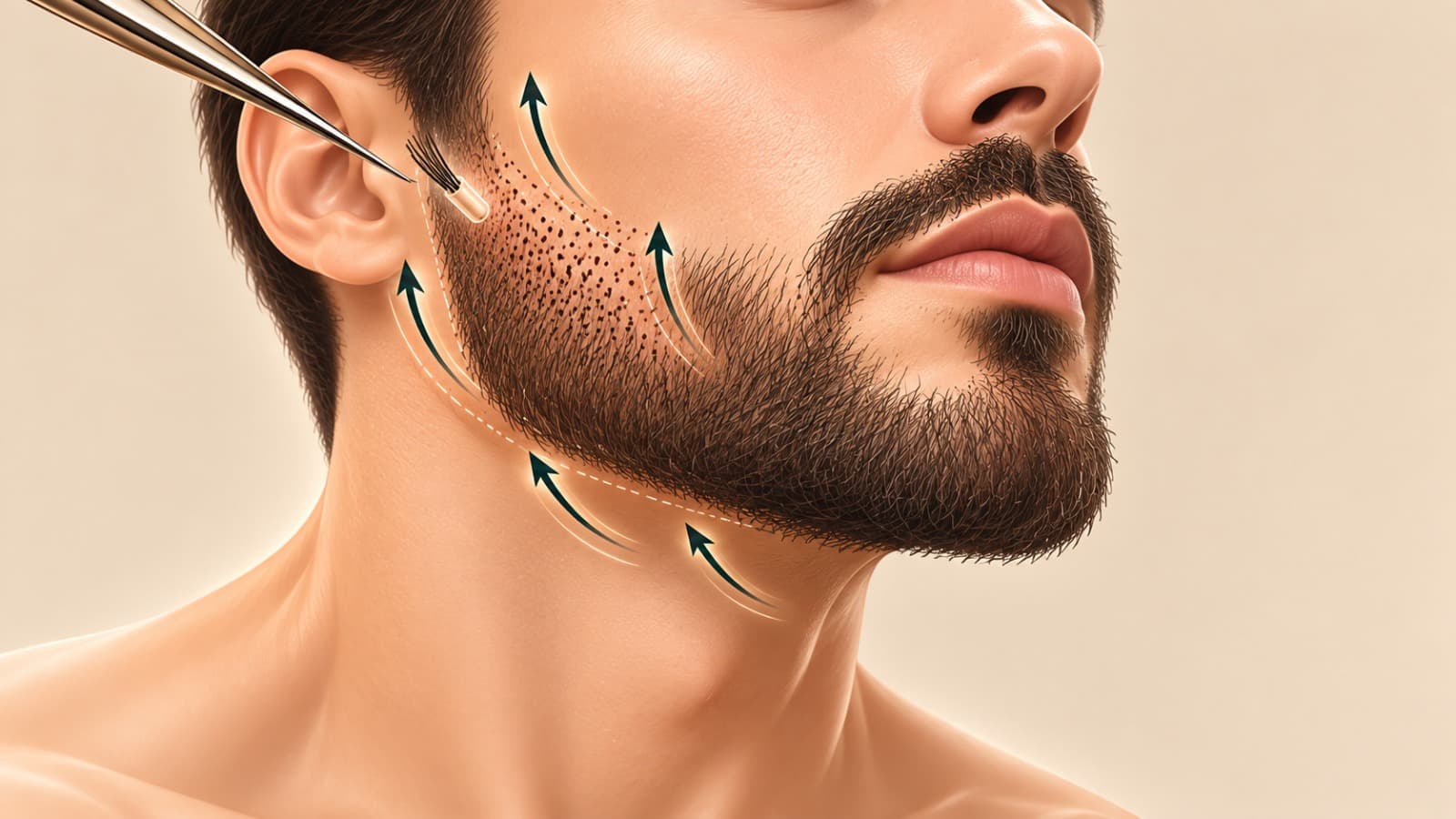
Beard transplant
A beard transplant moves your own hair follicles, usually from the back of the scalp, to thin or patchy areas of the beard, moustache or sideburns. It is usually done under local anaesthesia as a day procedure.
Verified clinics: 0
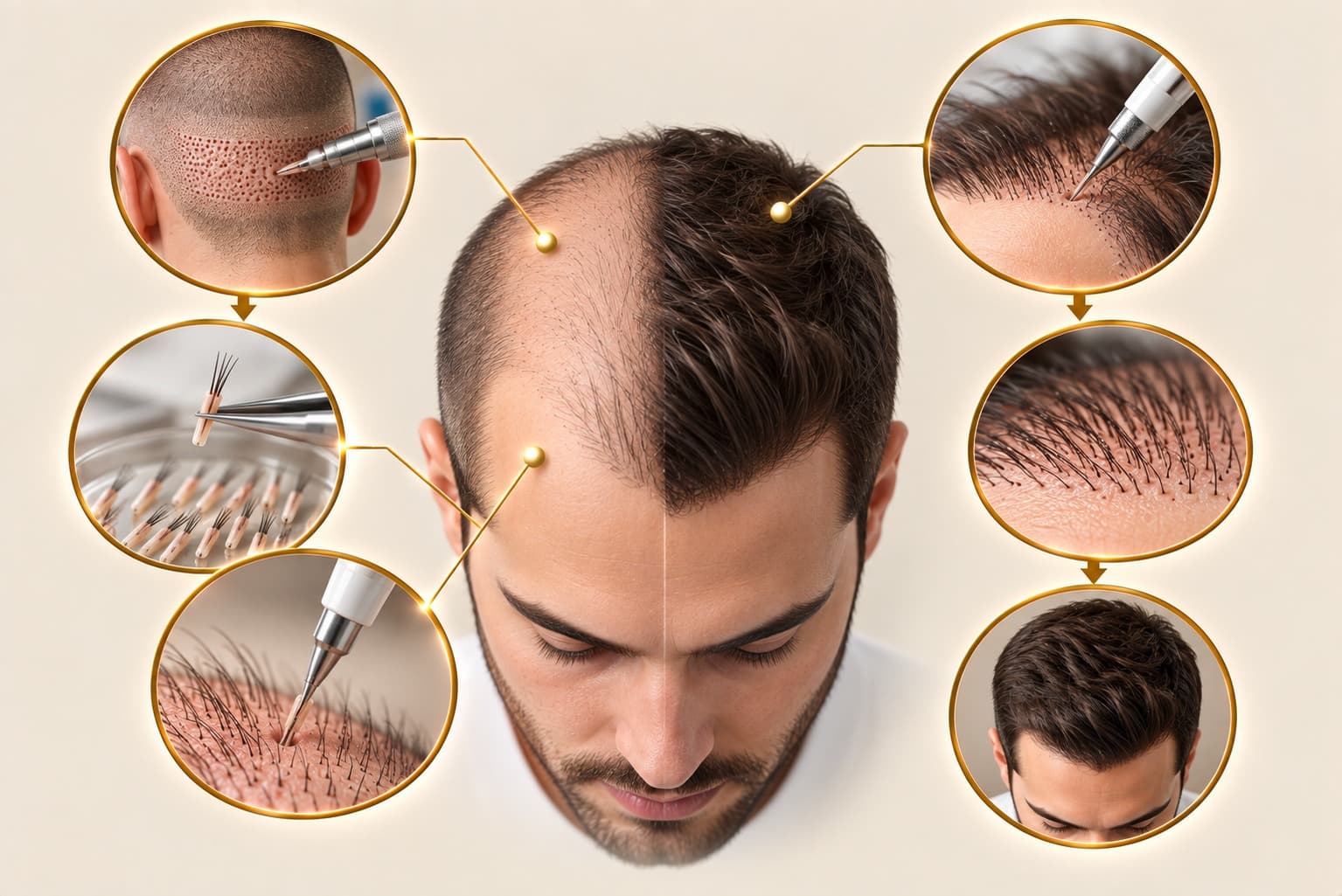
DHI hair transplant
A DHI hair transplant moves individual follicles from a donor area and implants them directly with a pen-like tool, often without shaving the whole head. Compare verified clinics and send one free request.
Verified clinics: 1
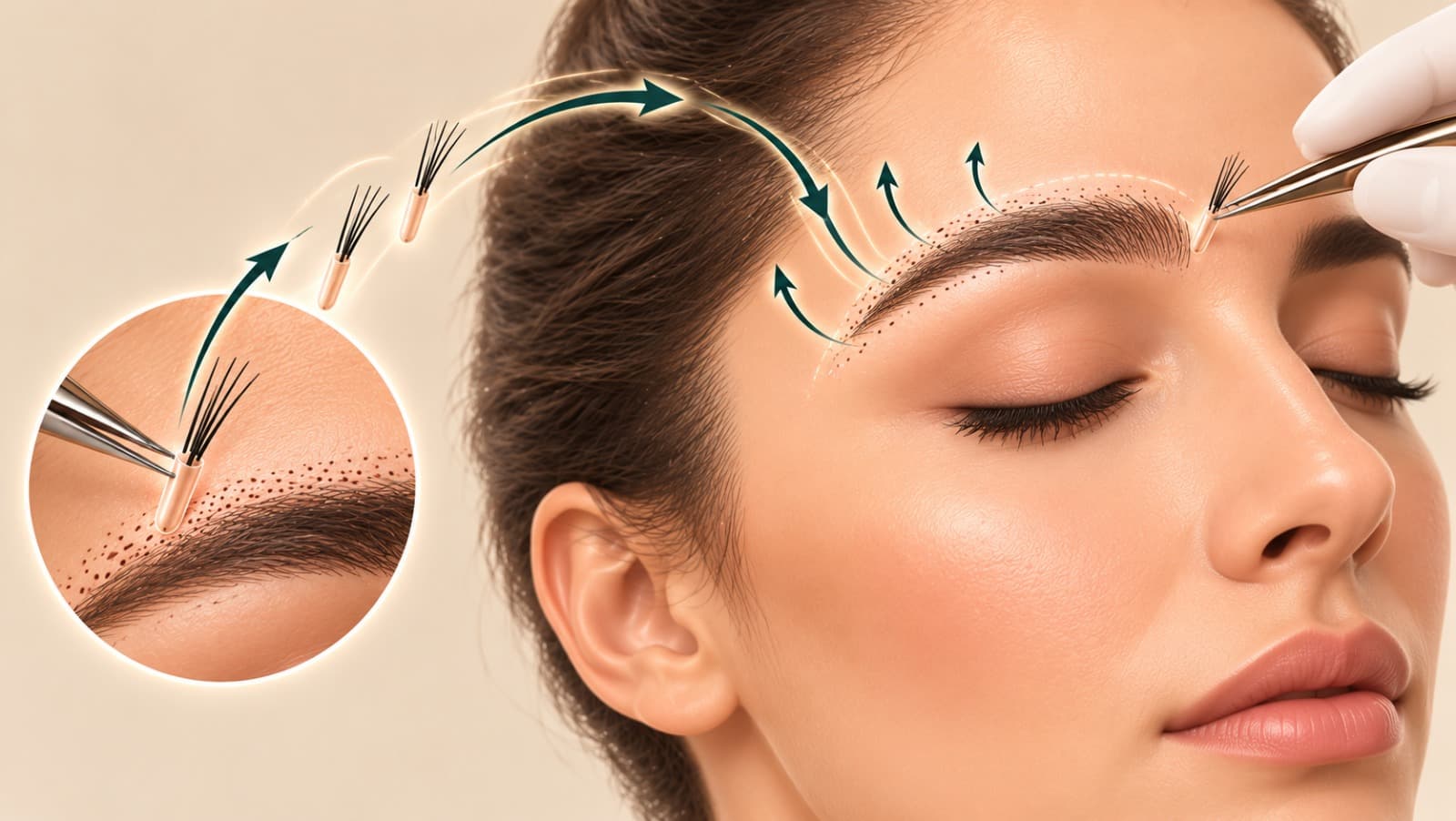
Eyebrow transplant
An eyebrow transplant moves your own hair follicles, usually from the back of the scalp, into thin, patchy or missing brows to create a fuller, natural-looking shape planned with your doctor.
Verified clinics: 1
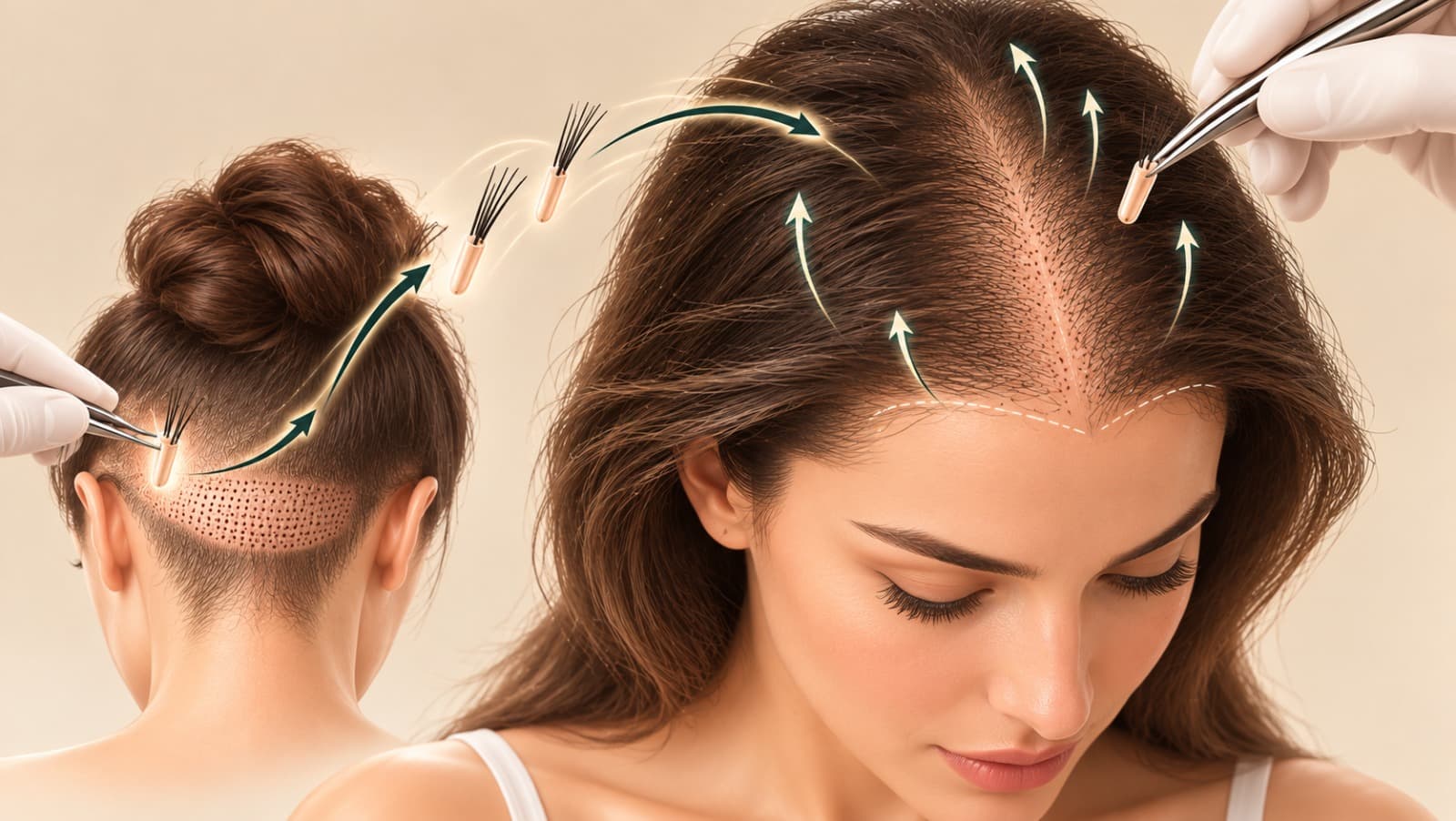
Female hair transplant
A female hair transplant moves healthy follicles from a donor area to thinning parts of the scalp or hairline. It may suit some women with stable, patterned hair loss after a doctor has checked the cause.
Verified clinics: 0
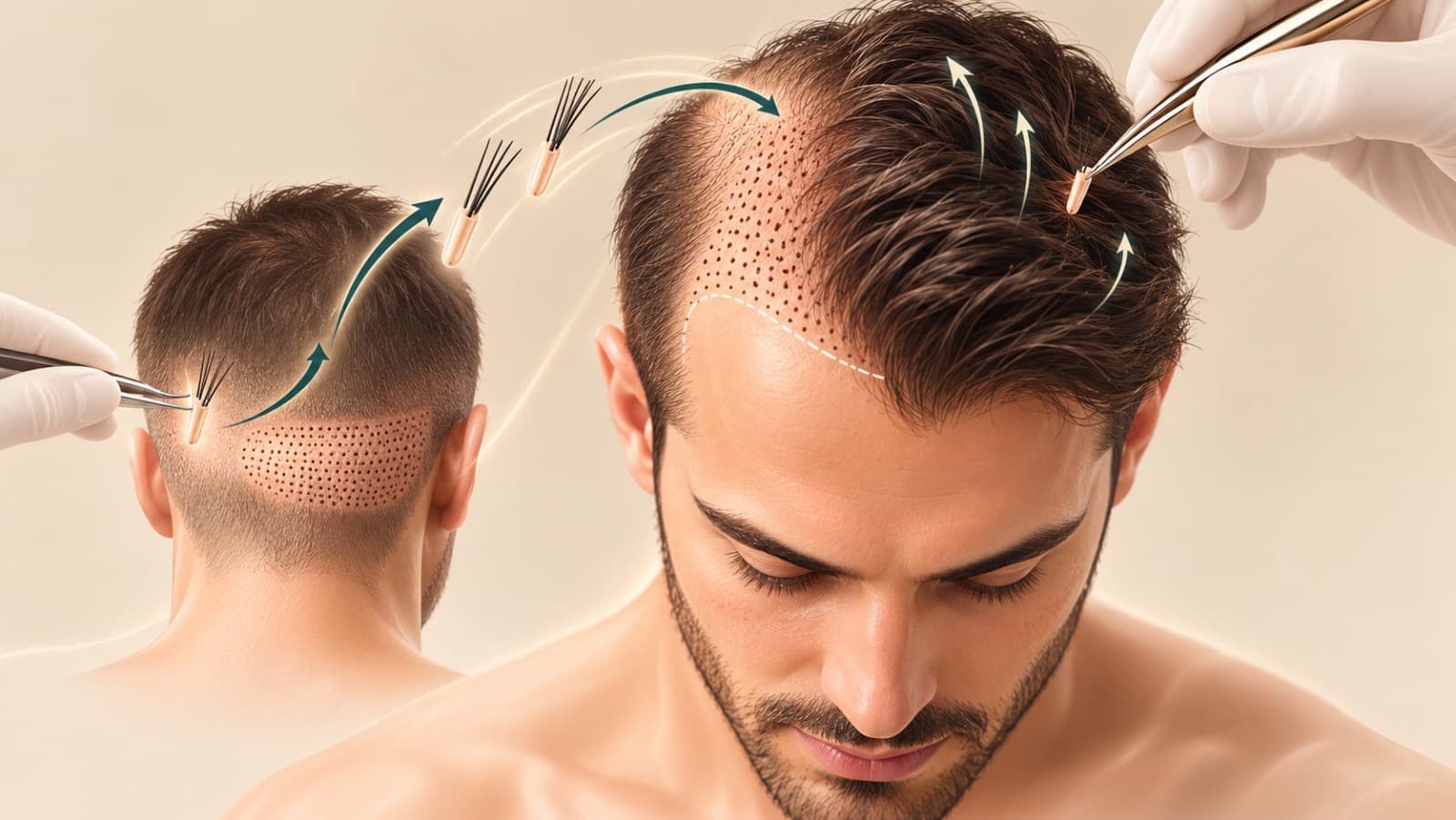
FUE hair transplant
An FUE hair transplant moves individual hair follicles from a donor area to thinning or bald areas, usually under local anaesthesia. Compare verified clinics abroad and send one free request.
Verified clinics: 0
Frequently asked questions
What is the difference between FUE, FUT and DHI?
All three move hair follicles from a dense donor area, usually the back or sides of the head, to areas that are thinning. With FUE, follicles are removed one by one. With FUT, a thin strip of scalp is removed and divided into small grafts. DHI is a variation of FUE that uses a pen-like tool to place the follicles. Each has pros and cons. The right choice depends on your hair type, donor hair and goals, so ask your treating doctor to explain them.
Am I a suitable candidate for a hair transplant?
Not everyone is a good fit. Doctors usually look at the cause and pattern of your hair loss and at how much healthy donor hair you have and its quality. They also consider your age, your general health and any medication you take, and whether your hair loss has stabilised or may continue. Only a personal consultation can show whether the procedure is right for you and what results are realistic.
Is a hair transplant painful, and what is recovery like?
The procedure is usually done under local anaesthesia, so you stay awake while the treated areas are numbed. Afterwards, many people notice some redness, swelling or small scabs on the scalp. It's also common for transplanted hairs to shed before new growth begins. Recovery is different for everyone, so before you decide, ask your doctor to explain the aftercare and a realistic timeline for you.
What are the risks of a hair transplant?
Like any surgery, a hair transplant carries risks, such as infection, scarring or uneven growth. How likely these are and how they're managed differs from person to person. Before you commit, your doctor should talk you through the possible risks, the aftercare and what to expect. Feel free to keep asking questions until you have what you need to make a calm, informed decision.
How do I choose a hair transplant clinic abroad, and what should I ask?
You can compare verified clinics on the techniques they offer, the doctors' qualifications and experience, what's included in the package, help with travel, languages spoken, patient reviews and location. It's also worth asking who will carry out each step, which technique they recommend for you and why, how many grafts they expect you'll need, and what the quoted price includes. Sending one free request doesn't commit you to anything.