
Your guide to an eyebrow transplant abroad
An eyebrow transplant moves your own hair follicles, usually from the back of the scalp, into thin, patchy or missing brows to create a fuller, natural-looking shape planned with your doctor.
About Eyebrow transplant
An eyebrow transplant is a minor cosmetic procedure in which individual hair follicles are taken from a donor area, usually the back of the scalp, and placed one by one into thin, patchy or missing eyebrows. The transplanted hairs are your own, so they can keep growing and help create fuller, natural-looking brows.
Key facts
- Treats thin, sparse, over-plucked or missing eyebrows, and some scars in the brow area
- Done by moving single hair follicles, most often with the FUE (follicular unit extraction) technique
- Usually performed under local anaesthesia, so you stay awake but the areas are numbed
- Normally an outpatient procedure, with no overnight hospital stay
- Recovery runs in phases: early healing and small scabs, a shedding phase, then gradual new growth over the following months
Who is suitable for an eyebrow transplant?
People with thin or missing brows and enough healthy donor hair are often suitable. Whether it is right for you depends on why your brows are thin and on your general health, which your doctor will check.
People who often consider this procedure include those with:
- Brows that have thinned after years of plucking, waxing or threading
- Naturally sparse or uneven brows
- Gaps caused by scars, burns or past injuries
- Hair loss in the brows after certain medical treatments, once the condition is stable
An eyebrow transplant may not be suitable if hair loss is caused by an active condition, such as some forms of alopecia, thyroid problems or skin diseases, because new hairs could also be affected. In these cases, the cause usually needs to be assessed and treated first. Your doctor will also ask about medicines, bleeding tendencies, skin healing and your expectations.
How is an eyebrow transplant done?
The doctor designs your new brow shape, numbs the donor and brow areas, then removes and implants individual follicles. Every step is planned around your face, your natural hair and the look you want.
A typical procedure follows these steps:
- Consultation and design: you and the doctor agree on the shape, thickness and arch, often drawn directly on your face.
- Local anaesthesia: the donor area, often the back of the scalp, and the eyebrows are numbed.
- Harvesting: single follicles are removed, most commonly with FUE. Fine, single hairs are usually chosen because they suit brows best.
- Implantation: the surgeon creates tiny openings and places each hair at a careful angle and direction so it lies flat like a natural brow hair.
The number of grafts and the length of the session vary greatly from person to person. Most patients go home the same day.
What is recovery like after an eyebrow transplant?
Recovery is usually gentle, but it happens in stages and needs patience. You can often return to light daily activities fairly soon, while the final look develops over many months.
Common phases include:
- First days: mild redness, swelling and tiny scabs around the brows and donor area. You will be told how to clean the area and what to avoid.
- Early weeks: scabs fall off. Many transplanted hairs then shed, which is a normal part of the process and does not mean the treatment has failed.
- Following months: new hairs gradually start to grow from the transplanted follicles, and density slowly improves.
Your clinic will usually advise you to avoid touching or rubbing the brows, heavy exercise, swimming, saunas and strong sun for a while. Because the hairs come from the scalp, they may keep growing longer than natural brow hairs, so regular trimming is often needed. Healing differs for everyone, so follow the aftercare plan from your own doctor.
What are the risks and side effects?
An eyebrow transplant is generally considered a low-risk procedure, but like any surgery it is not risk-free. Your doctor should explain the possible side effects for your situation before you decide.
Possible side effects and risks include:
- Redness, swelling and bruising around the eyes and brows
- Small scabs, itching or temporary numbness
- Infection, although this is uncommon with good hygiene and aftercare
- Ingrown hairs or small cysts
- Some grafts not growing, or growth that is less dense than hoped
- Hairs growing at an unnatural angle, or a shape you do not like
- Visible scarring in the donor area in some cases
Some people may need a second session to add density or adjust the shape. Discussing realistic outcomes in advance helps avoid disappointment.
What affects the cost of an eyebrow transplant abroad?
The cost depends mainly on how many grafts you need, the technique used and what the clinic package includes. Prices differ widely between countries and clinics, so ask each clinic for a written quote.
Factors that often affect the price:
- The number of grafts and whether one or both brows are treated
- The technique and the experience of the surgeon
- The country and city of the clinic
- Whether consultations, medicines, aftercare products and follow-up checks are included
- Extras such as hotel, transfers or an interpreter
- Travel, accommodation and time off work for your trip
When comparing offers, check what is included rather than looking only at the total.
How do I choose a clinic abroad?
Look for a clinic with qualified doctors, clear information and experience in eyebrow work specifically. A careful consultation and honest answers to your questions are good signs.
Useful points to check:
- Who performs each step of the procedure, and what their qualifications are
- How much experience the team has with eyebrow transplants, not only scalp hair transplants
- Whether you will have a consultation before treatment, including a design discussion
- What hygiene standards and licences the clinic has
- How aftercare and follow-up are organised once you are back home
- Whether the quote is clear and in writing, with no pressure to decide quickly
It can help to prepare a list of questions and to ask how the clinic handles complications or touch-ups.
If you are thinking about an eyebrow transplant, you can compare verified clinics on our site and send one free request. The clinics then contact you with their information so you can ask questions in your own time. Your suitability, the brow design and your treatment plan are always decided together with the treating doctor.
This page gives general information and is not medical advice. A doctor at the clinic will assess whether a treatment is right for you.
Clinics offering Eyebrow transplant
 Hayaat Clinic Verified
Istanbul, Türkiye
- Eyebrow transplant
- Zirconium Crowns
- Dental implants
- Rhinoplasty
English, Arabic, Turkish, French
- Hotel
- Airport transfer
- Interpreter
- Aftercare
from €1,200
View Profile
Frequently asked questions
Is an eyebrow transplant permanent?
The transplanted follicles are your own hair, so once they have settled and started growing they are generally expected to behave like the hair in the donor area. That is why many people see the result as long-lasting. However, natural ageing, some health conditions or medicines can still affect hair over time, so it is worth asking your doctor what to expect for you.
Does an eyebrow transplant hurt?
Most people feel the local anaesthetic injections most, as a short stinging feeling. After the areas are numb, patients usually notice pressure or movement rather than pain. Mild soreness, tightness or itching can follow for a few days, and the clinic may suggest simple pain relief. Everyone feels pain differently, so tell your doctor if you are anxious about it.
Will I need to trim my new eyebrows?
Often, yes. Hairs taken from the scalp tend to keep the growth pattern of scalp hair, so they can grow longer than typical brow hairs. Many people trim them regularly with small scissors, and some also use a brow gel to keep them in place. Your clinic can show you how to shape and care for them once healing allows.
Can I wear makeup after an eyebrow transplant?
Makeup on the treated brows is usually avoided during early healing, because rubbing and product build-up can disturb the grafts or irritate the skin. Clinics normally tell you when it is safe to start using brow pencils, powders or other cosmetics again. Makeup on other parts of the face may be allowed sooner, but check the timing with your own doctor.
Can an eyebrow transplant fix scars in the brow?
In some cases, hair can be transplanted into scarred areas to make gaps less noticeable. Scar tissue often has a weaker blood supply than healthy skin, though, so growth may be less predictable and more than one session might be needed. A doctor will need to examine the scar to judge whether a transplant is a sensible option for you.
Related treatments
Beard transplant
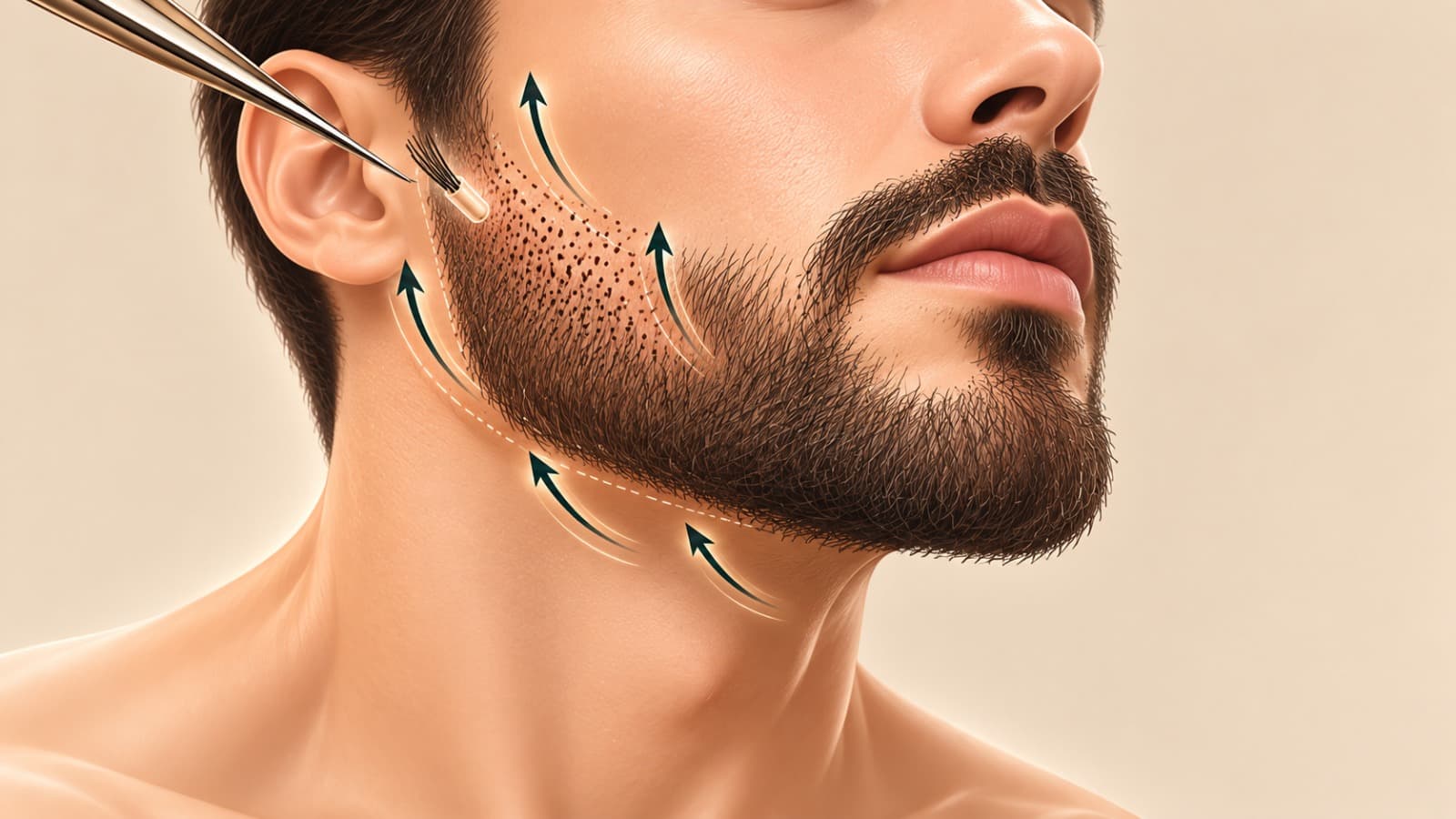
A beard transplant moves your own hair follicles, usually from the back of the scalp, to thin or patchy areas of the beard, moustache or sideburns. It is usually done under local anaesthesia as a day procedure.
Verified clinics: 0
DHI hair transplant
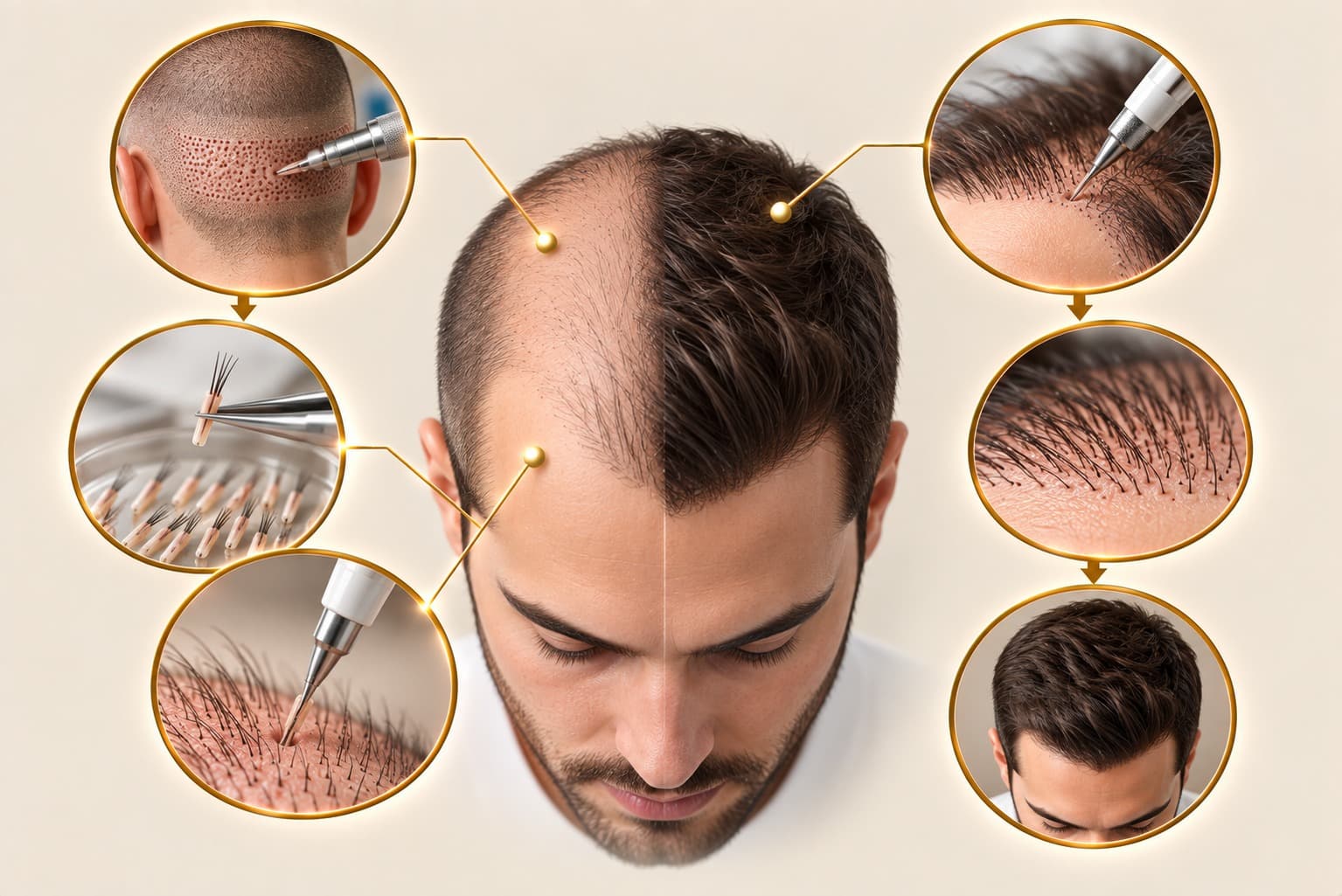
A DHI hair transplant moves individual follicles from a donor area and implants them directly with a pen-like tool, often without shaving the whole head. Compare verified clinics and send one free request.
Verified clinics: 1
Female hair transplant
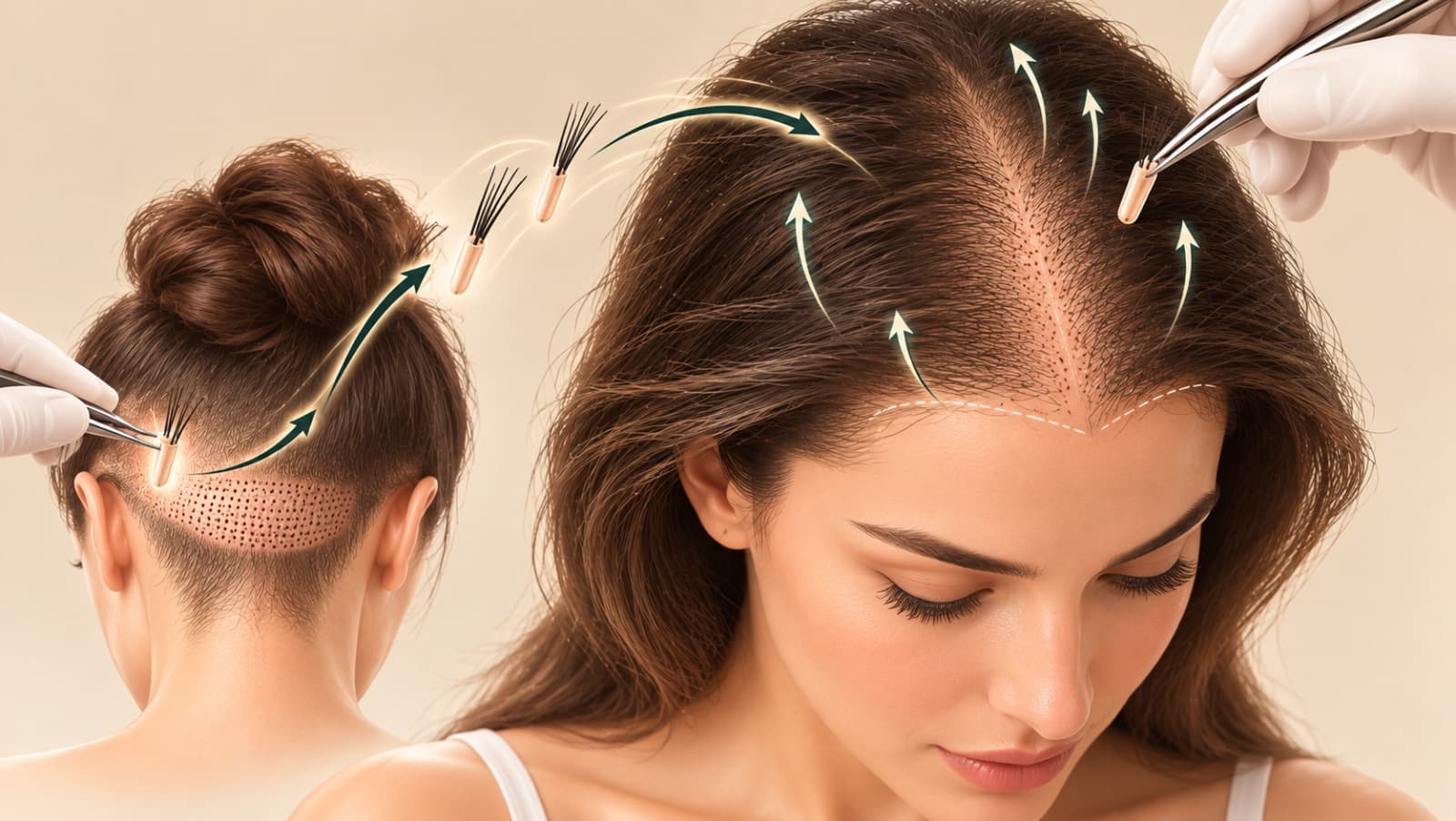
A female hair transplant moves healthy follicles from a donor area to thinning parts of the scalp or hairline. It may suit some women with stable, patterned hair loss after a doctor has checked the cause.
Verified clinics: 0
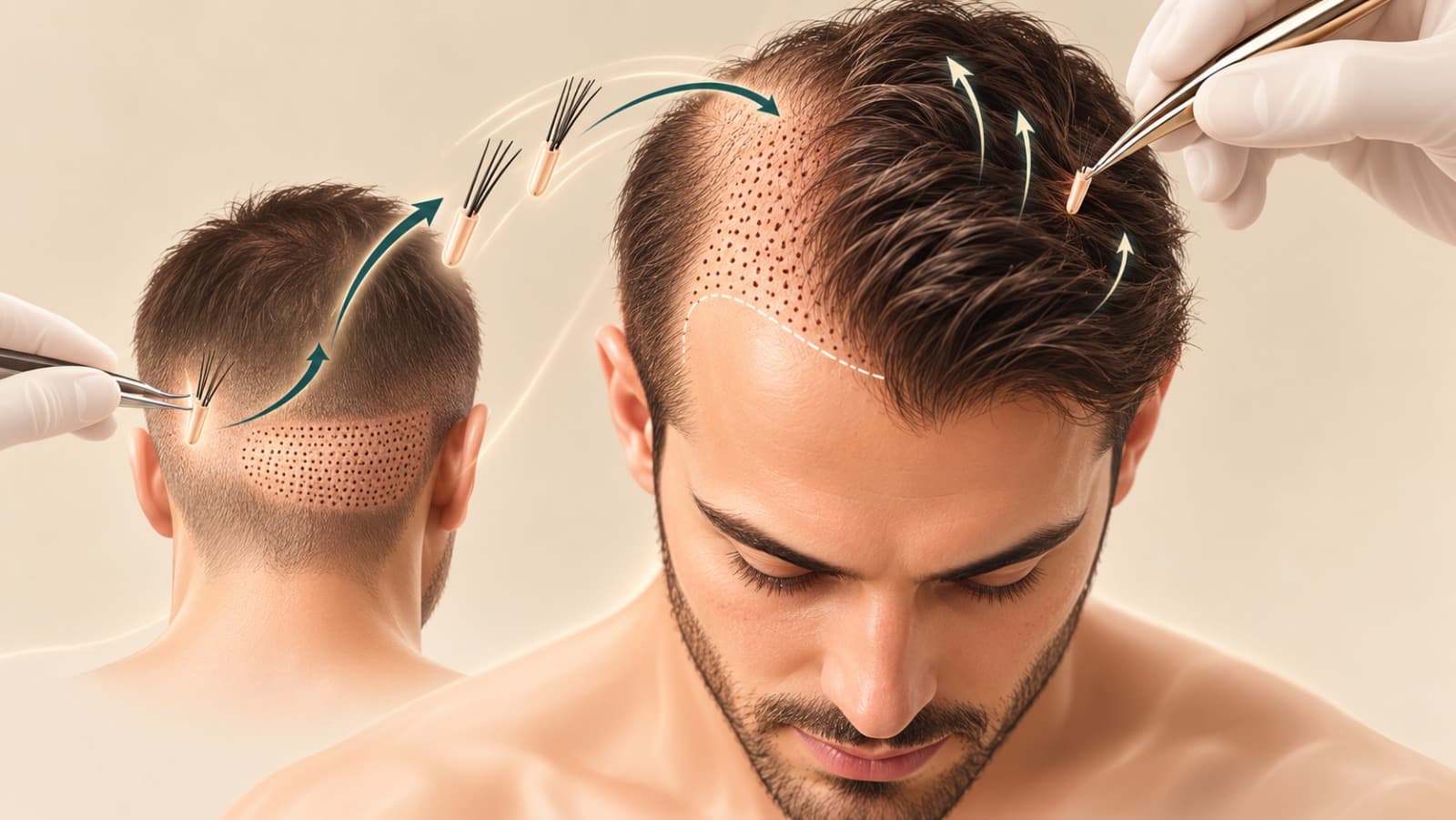
FUE hair transplant
An FUE hair transplant moves individual hair follicles from a donor area to thinning or bald areas, usually under local anaesthesia. Compare verified clinics abroad and send one free request.
Verified clinics: 0