
Your guide to female hair transplant
A female hair transplant moves healthy follicles from a donor area to thinning parts of the scalp or hairline. It may suit some women with stable, patterned hair loss after a doctor has checked the cause.
About Female hair transplant
A female hair transplant is a surgical procedure that moves healthy hair follicles from a donor area, usually the back of the scalp, to areas where hair has thinned or receded. It is used for some types of hair loss in women, such as a widening part or a high hairline, after a doctor has assessed the cause.
Key facts
- Treats: thinning along the part, a high or uneven hairline, thinning at the temples and some scars or areas of traction hair loss
- How it is done: individual follicles or a thin strip of scalp are taken from a donor area and placed into tiny openings in the thinning area
- Anaesthesia: usually local anaesthesia, sometimes with light sedation
- Hospital stay: normally done as a day procedure, so most patients go home or back to their hotel the same day
- Recovery: an early healing phase with redness and small scabs, a shedding phase for the transplanted hairs, then gradual regrowth over many months
Who is suitable for a female hair transplant?
Women with a clear, stable pattern of hair loss and a strong donor area are usually the best candidates. Hair loss in women often has medical causes, so a proper diagnosis comes before any surgery.
Many women lose hair in a diffuse way across the whole scalp, including the back and sides. In that case, the donor hair may also be thinning, and a transplant may not be the right option. A doctor will usually look at your medical history and scalp, and may suggest blood tests to check things like hormones, iron levels or thyroid function.
A transplant may be considered for:
- Female pattern hair loss that has been stable for a while
- A naturally high forehead or hairline lowering
- Hair loss from long-term tight hairstyles (traction alopecia)
- Scars from injury or earlier surgery, such as a facelift
- Thinning eyebrows, in some cases
It is usually not advised while hair loss is active and not yet understood, or with some scarring or autoimmune scalp conditions. Only your treating doctor can decide whether it suits you.
Which techniques are used for women?
The two main techniques are FUE (follicular unit extraction) and FUT (follicular unit transplantation, also called the strip method). Both move natural groups of hairs, called grafts, but they differ in how the grafts are taken.
- FUE: single grafts are removed one by one with a small punch tool. Some clinics offer unshaven or partly shaven FUE, which many women prefer because longer hair can cover the donor area.
- FUT: a thin strip of scalp is removed from the back of the head, the wound is closed, and the strip is divided into grafts. It leaves a fine linear scar that is normally hidden under the hair.
Your doctor will suggest a method based on your hair type, donor density, the size of the area and your preferences.
How is the procedure done?
The procedure is usually carried out in one session under local anaesthesia, and you stay awake. It often takes most of a day, depending on the number of grafts.
A typical day includes:
- Planning and drawing the hairline or treatment area with you
- Cleaning the scalp and giving local anaesthetic
- Taking grafts from the donor area using FUE or FUT
- Making tiny openings in the thinning area at the right angle and direction
- Placing the grafts carefully between your existing hairs
- Bandaging and giving aftercare instructions
Because women often keep hair in the recipient area, the team works between existing hairs to protect them.
What is recovery like?
Most women go back to light daily activities within a few days, but full results take much longer. Recovery happens in stages and differs from person to person.
In the first days, some swelling, tenderness, redness and small scabs are common. The clinic will explain how to wash your hair gently, how to sleep and when you can use styling products or colour again. Exercise, saunas and direct sun are usually limited for a while.
After some weeks, many of the transplanted hairs shed. This is a normal part of the process. Some women also notice temporary shedding of nearby existing hair, known as shock loss. New growth usually starts gradually over the following months, and the final look can take a year or longer to show. Your doctor may also suggest medical treatments to support existing hair.
What are the risks and side effects?
A hair transplant is generally considered a low-risk procedure, but like any surgery it carries possible side effects. Your doctor should explain these in detail before you decide.
Possible risks include:
- Swelling, bleeding, pain or numbness in the scalp
- Infection or inflamed hair follicles (folliculitis)
- Temporary shock loss of existing hair
- Visible scarring in the donor area
- Patchy growth or a result that looks less dense than hoped
- Ongoing hair loss in non-treated areas over time
Results cannot be guaranteed, and some women may need further treatment later. Suitability and risks depend on your health and must be discussed with the treating doctor.
What affects the cost?
The cost depends on the number of grafts, the technique and what is included in the package. Prices vary widely between countries and clinics, so it helps to compare detailed quotes.
Factors that often affect the price:
- Size of the area and number of grafts needed
- FUE, unshaven FUE or FUT
- Experience of the doctor and the team
- Pre-operative tests and consultations
- Medication, aftercare products and follow-up checks
- Travel, accommodation and transfers if you go abroad
Ask each clinic exactly what is included so you can compare fairly.
How do I choose a clinic abroad?
Look for a clinic where a qualified doctor assesses your hair loss, plans the procedure and is involved in the surgery. Clear information and honest advice matter more than low prices.
Useful questions to ask:
- Who will do each step of the procedure?
- Does the clinic have experience with female hair loss?
- How will they check the cause of my hair loss?
- What aftercare and follow-up are offered once I am home?
- Is the treatment plan and quote given in writing?
Be careful of anyone promising perfect results or pushing you to book quickly.
On our marketplace you can compare verified clinics and send one free request. The clinics then contact you with their information, and the treating doctor decides which treatment is suitable for you.
This page gives general information and is not medical advice. A doctor at the clinic will assess whether a treatment is right for you.
Clinics offering Female hair transplant

No verified clinics offer this treatment yet.
Frequently asked questions
Do I have to shave my head for a female hair transplant?
Not always. Many clinics offer unshaven or partly shaven techniques for women. Often only a small strip at the back is trimmed, and your longer hair can cover it. With the strip method, no shaving of the donor area may be needed at all. Whether this works for you depends on the number of grafts and your hair type, so ask the clinic which options they recommend in your case.
Will the transplanted hair look natural?
A natural look depends on careful planning, the angle and direction of each graft and how well the new hair blends with your own. A skilled team works between existing hairs and follows your natural growth pattern. Hair thickness, colour and curl also play a role. No clinic can promise a specific result, so look at how they plan the work and discuss realistic expectations with your doctor.
Can a hair transplant stop my hair from thinning further?
No. A transplant moves hair to thinning areas, but it does not stop the underlying cause of hair loss. Your existing hair may continue to thin over time, especially with hormonal or pattern hair loss. That is why many doctors recommend combining surgery with medical treatment or follow-up care. Your doctor can explain which options may help to keep the hair you have.
How long should I plan to stay abroad for the procedure?
The surgery itself is usually done in one day, but most clinics advise staying a few extra days. This allows for a check-up and the first hair wash under guidance before you fly home. The exact length of stay depends on the clinic, your health and how you feel afterwards. Ask the clinic for a suggested plan and discuss travel timing with your doctor.
Can I colour or style my hair after the procedure?
You will usually need to avoid hair dye, heat styling, tight hairstyles and strong products for a period after surgery, while the scalp heals and the grafts settle. The waiting time varies between clinics and depends on how well you heal. Follow the written aftercare instructions you receive, and check with your doctor before restarting colouring or chemical treatments.
Related treatments
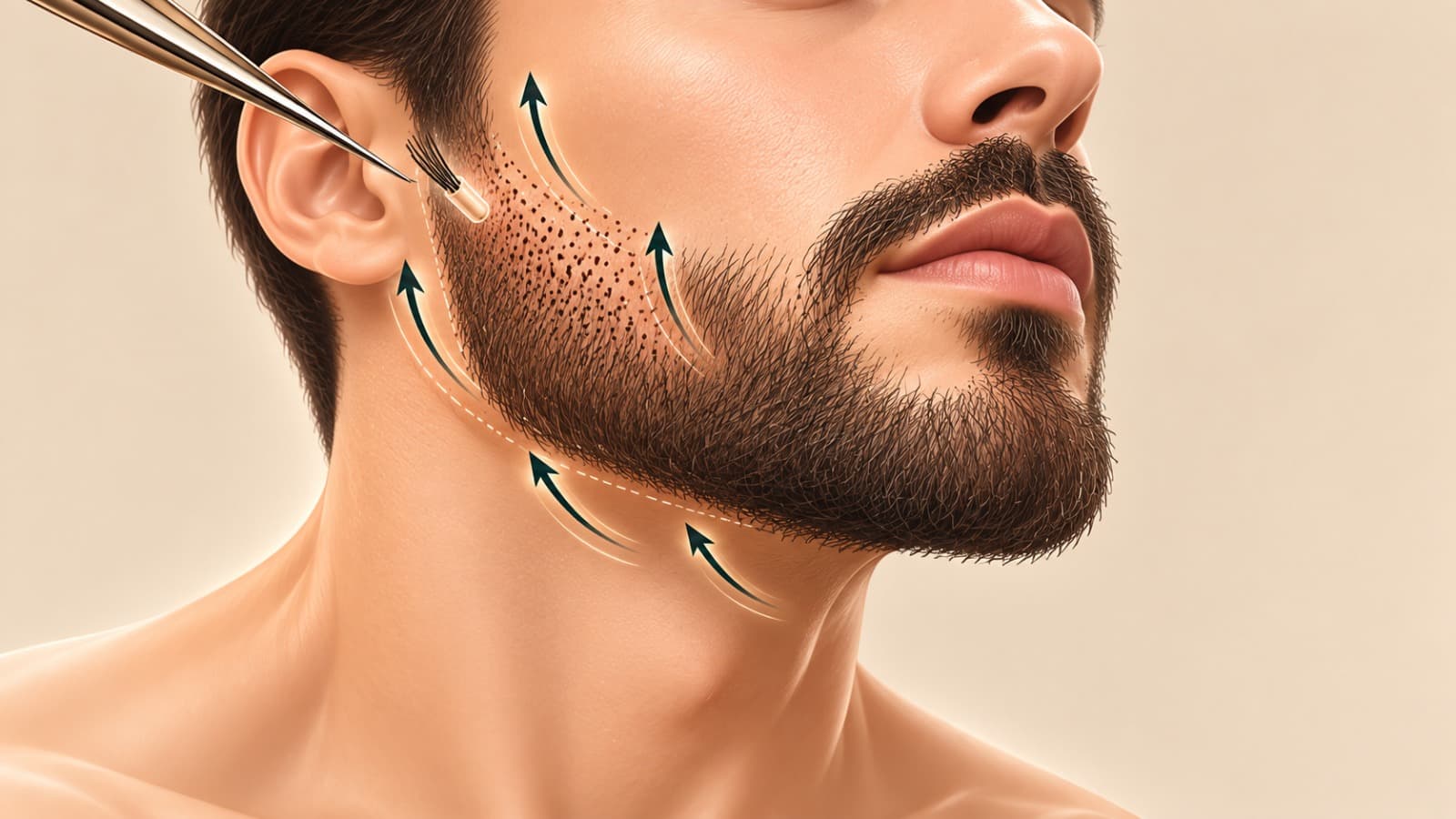
Beard transplant
A beard transplant moves your own hair follicles, usually from the back of the scalp, to thin or patchy areas of the beard, moustache or sideburns. It is usually done under local anaesthesia as a day procedure.
Verified clinics: 0
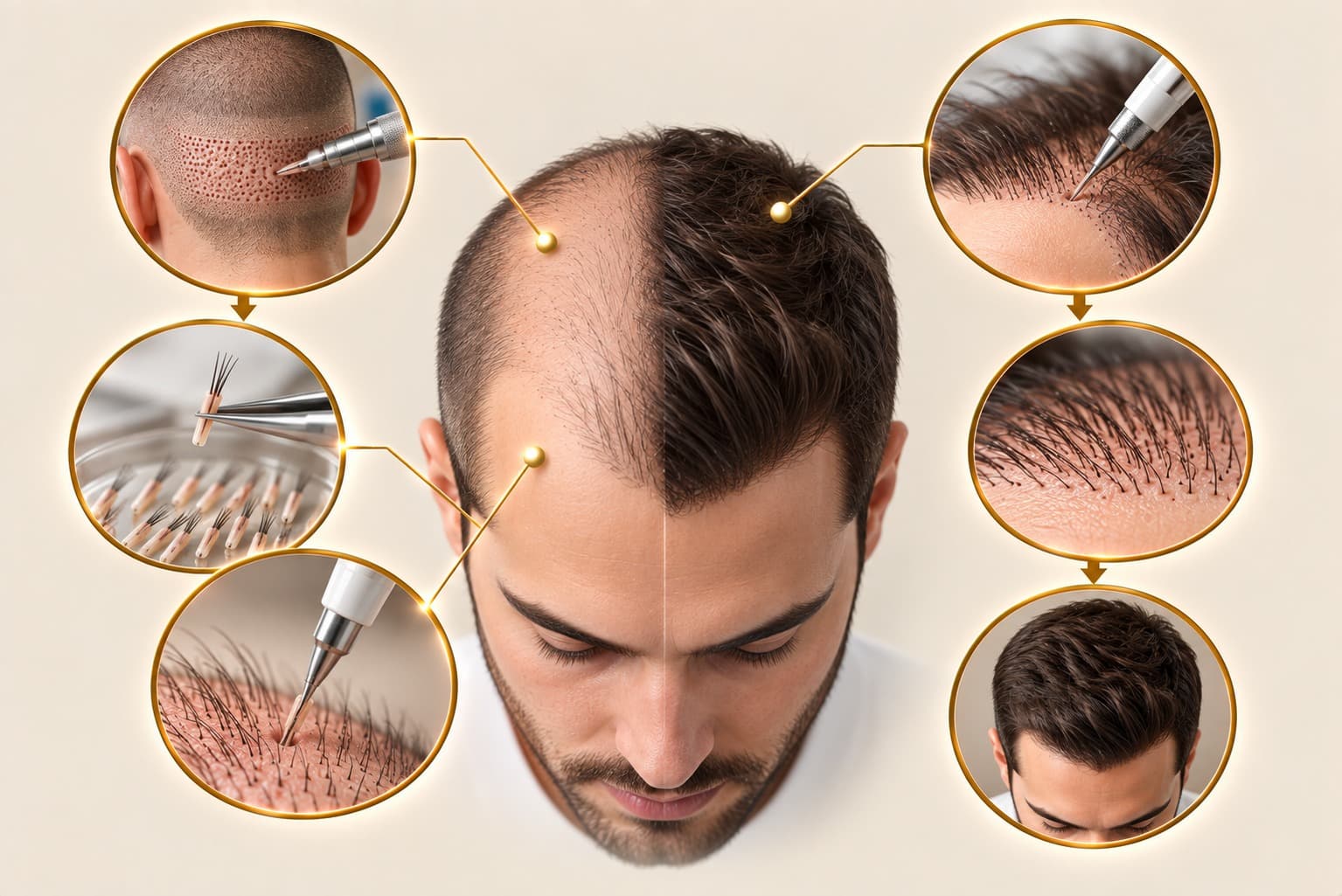
DHI hair transplant
A DHI hair transplant moves individual follicles from a donor area and implants them directly with a pen-like tool, often without shaving the whole head. Compare verified clinics and send one free request.
Verified clinics: 1
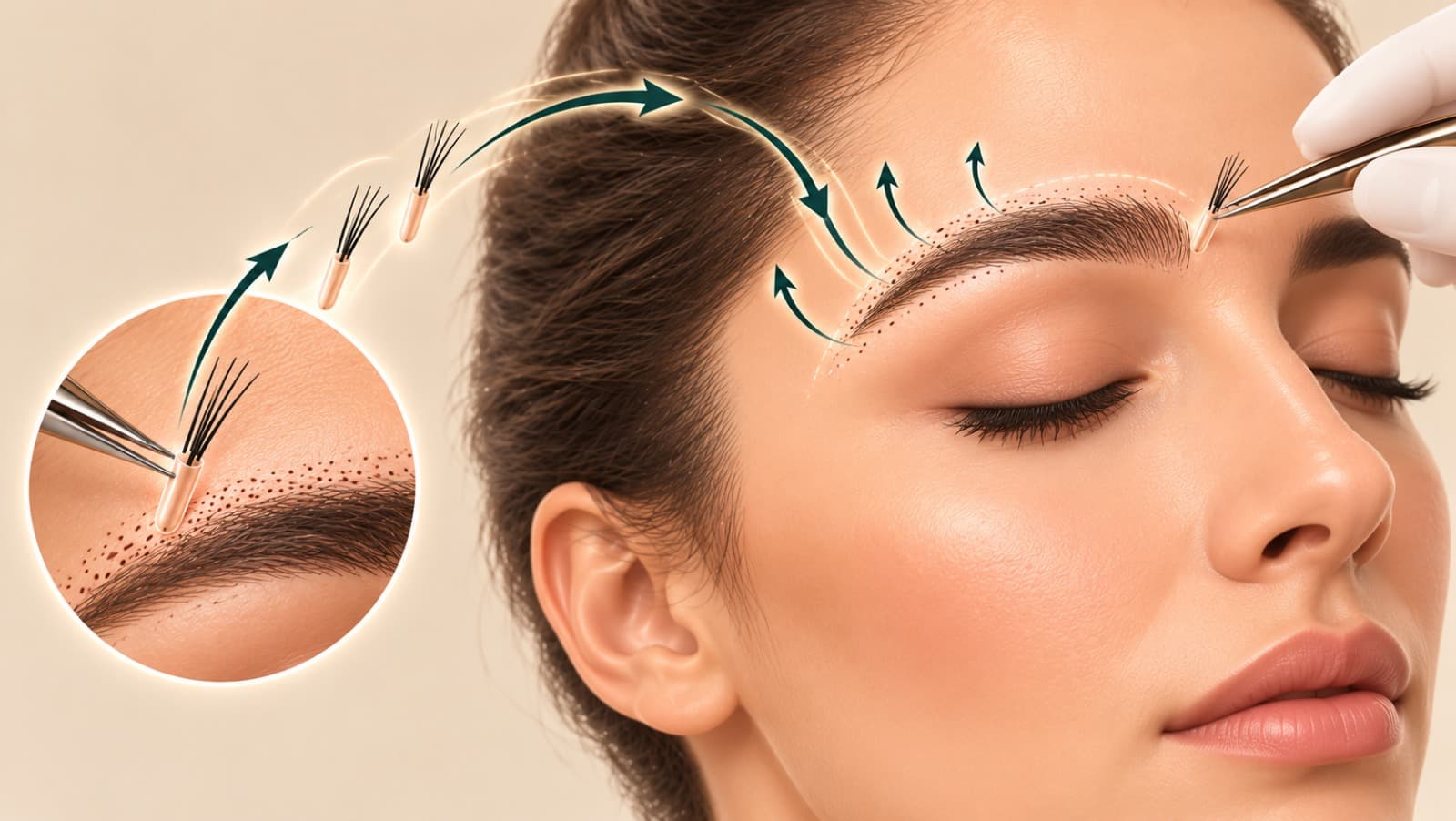
Eyebrow transplant
An eyebrow transplant moves your own hair follicles, usually from the back of the scalp, into thin, patchy or missing brows to create a fuller, natural-looking shape planned with your doctor.
Verified clinics: 1
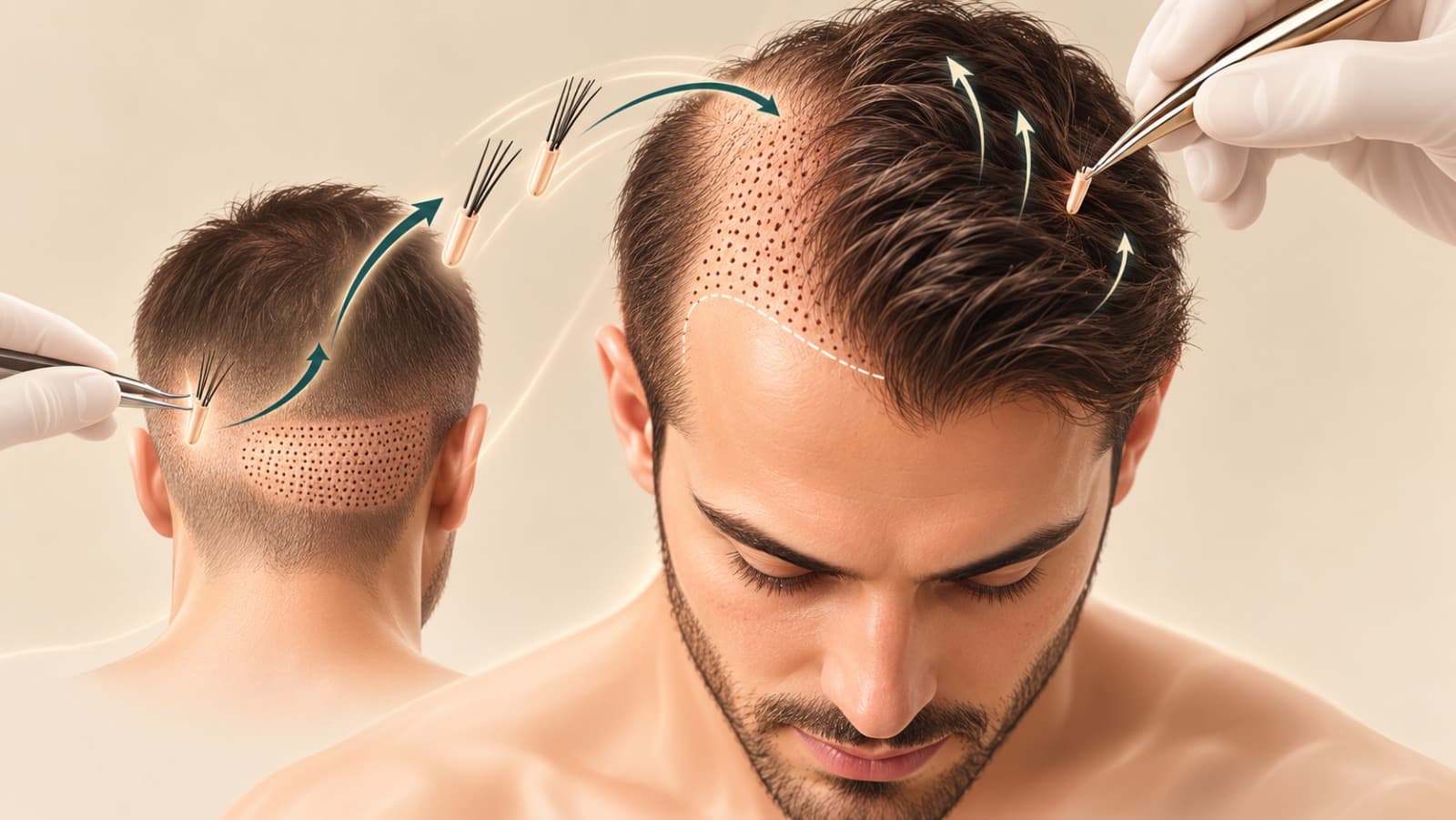
FUE hair transplant
An FUE hair transplant moves individual hair follicles from a donor area to thinning or bald areas, usually under local anaesthesia. Compare verified clinics abroad and send one free request.
Verified clinics: 0