
FUE hair transplant: procedure, recovery and clinics abroad
An FUE hair transplant moves individual hair follicles from a donor area to thinning or bald areas, usually under local anaesthesia. Compare verified clinics abroad and send one free request.
About FUE hair transplant
An FUE hair transplant (follicular unit extraction) is a surgical procedure that moves individual hair follicles from a donor area, usually the back and sides of the scalp, to areas where hair has thinned or been lost. Each follicle is removed one by one with a punch tool and placed into tiny incisions, leaving small dot-like marks.
Key facts
- Treats: hair loss and thinning on the scalp, most often pattern hair loss, and sometimes the beard or eyebrows
- How it is done: individual follicles are extracted from a donor area and implanted where hair is needed
- Anaesthesia: usually local anaesthesia, sometimes with light sedation
- Hospital stay: normally a day procedure, so most patients go home or back to their hotel the same day
- Recovery: an early healing phase with scabbing and redness, a phase when transplanted hairs often shed, then gradual regrowth over many months
Who is suitable for an FUE hair transplant?
Good candidates generally have stable hair loss and enough healthy hair in the donor area to cover the area they want to treat. Suitability is always decided by the treating doctor after examining your scalp and discussing your health and expectations.
Things a doctor will usually look at include:
- The type and pattern of your hair loss, and whether it is still progressing
- The density and quality of your donor hair
- Your age, since hair loss can continue to change over time
- Your general health, medications and any scalp conditions
- Your expectations and what can realistically be achieved
Some types of hair loss, such as loss caused by certain medical conditions or active scalp disease, may need investigation or other treatment first. Sharing your full medical history helps the doctor give you honest advice.
How is an FUE hair transplant done?
The procedure is carried out in stages over a single long session or, for larger areas, sometimes over more than one. The donor area is usually trimmed short, numbed with local anaesthetic, and follicles are then removed individually before being implanted.
A typical procedure involves:
- Consultation and planning: the doctor assesses your scalp, discusses goals and designs the hairline
- Preparation: the donor area is shaved or trimmed and local anaesthetic is applied
- Extraction: follicular units are removed one at a time using a small punch, by hand or with a motorised device
- Implantation: tiny openings are made in the recipient area and the grafts are placed at angles that suit natural growth
- Aftercare instructions: you receive guidance on washing, sleeping position and medication
Some clinics use variations such as implanter pens (often called DHI). Ask the clinic which technique they suggest for you and why.
What is recovery like after an FUE hair transplant?
Most people feel well enough to walk around soon after the procedure, but the scalp needs careful handling while it heals. Recovery happens in phases, and the timing differs from person to person.
In general terms, you can expect:
- Early days: some swelling, redness, tenderness and small scabs in the donor and recipient areas
- Healing phase: scabs gradually come away and the donor area settles, with small marks fading over time
- Shedding phase: many transplanted hairs fall out, which is commonly part of the normal cycle
- Regrowth phase: new hair begins to grow slowly, and the final appearance develops over many months
Your doctor will tell you when you can return to work, exercise, wear a hat or wash your hair normally. Following their aftercare instructions closely is one of the most important things you can do.
What are the risks and side effects?
Like any surgery, an FUE hair transplant carries risks, although many side effects are temporary. Your doctor should explain the risks that apply to you before you agree to treatment.
Possible side effects and risks include:
- Swelling, bruising or discomfort in the scalp and forehead
- Numbness or tingling in treated areas
- Infection or inflammation of hair follicles (folliculitis)
- Bleeding or crusting
- Visible marks or thinning in the donor area, especially if too many follicles are removed
- Grafts that do not grow as hoped, or a result that looks less natural than expected
- Ongoing loss of non-transplanted hair, which may change the overall look over time
Telling the clinic about your medications, allergies and health conditions helps reduce risk.
What affects the cost of an FUE hair transplant?
The cost depends mainly on how much work is needed and what the package includes. Prices vary widely between countries and clinics, so it is best to compare written quotes that list exactly what is covered.
Factors that commonly influence the cost:
- The number of grafts and size of the area to be treated
- The technique and equipment used
- The experience of the doctor and team, and who performs each step
- Whether medication, aftercare products and follow-up are included
- Extras such as accommodation, airport transfers or interpreters
- Whether more than one session may be needed
How do I choose a clinic abroad?
Look for a clinic where a qualified doctor assesses you, explains the plan clearly and is involved in the procedure. Take your time, ask questions and do not feel pressured into a quick decision.
Useful questions to ask:
- Who will perform the extraction and implantation, and what are their qualifications?
- How many grafts do they recommend for you, and how did they decide?
- What is included in the price, and what might cost extra?
- How is aftercare and follow-up handled once you return home?
- What happens if there are complications?
You can also read our guide on hair transplant abroad to help you prepare.
Comparing clinics and next steps
On our site you can compare verified clinics offering FUE hair transplant and send one free request. The clinics then contact you to discuss your situation and options. Remember that only the treating doctor can decide whether this treatment is suitable for you and what you can realistically expect.
This page gives general information and is not medical advice. A doctor at the clinic will assess whether a treatment is right for you.
Clinics offering FUE hair transplant

No verified clinics offer this treatment yet.
Frequently asked questions
Does an FUE hair transplant hurt?
Most patients have local anaesthetic, so the procedure itself is usually not painful, although the injections can sting briefly. Afterwards it is common to feel some tenderness, tightness or soreness in the scalp, which doctors often manage with simple painkillers. Everyone experiences discomfort differently, so ask your doctor what pain relief they suggest and which medicines you should avoid before and after treatment.
Will people be able to tell I had a hair transplant?
In the first period after surgery, redness, scabs and a shaved donor area may be noticeable, which is why some people plan time away from work or social events. Once healed, the aim is a natural-looking result, but this depends on your hair type, the design of the hairline and how your scalp heals. Discuss your concerns about visibility with the doctor during planning.
Is the result of an FUE hair transplant permanent?
Hair taken from the donor area is often more resistant to pattern hair loss, so transplanted hair may continue to grow for a long time. However, your existing non-transplanted hair can keep thinning, which may change how the result looks over the years. Some people use medication or need further treatment later. Your doctor can explain what to expect in your individual case.
What is the difference between FUE and FUT?
Both methods move follicles from a donor area to a thinning area. With FUE, follicles are removed one by one, leaving small scattered marks. With FUT, a strip of skin is removed and divided into grafts, which usually leaves a linear scar that longer hair can cover. Each method has pros and cons, and the doctor can advise which suits your hair and goals.
How should I prepare for travelling abroad for an FUE hair transplant?
Share your medical history and medications with the clinic beforehand, and ask whether you should pause any medicines, alcohol or smoking. Confirm in writing what is included, plan enough time to stay for the procedure and early checks, and bring loose clothing that does not need pulling over your head. Also arrange how follow-up questions will be handled after you get home.
Related treatments
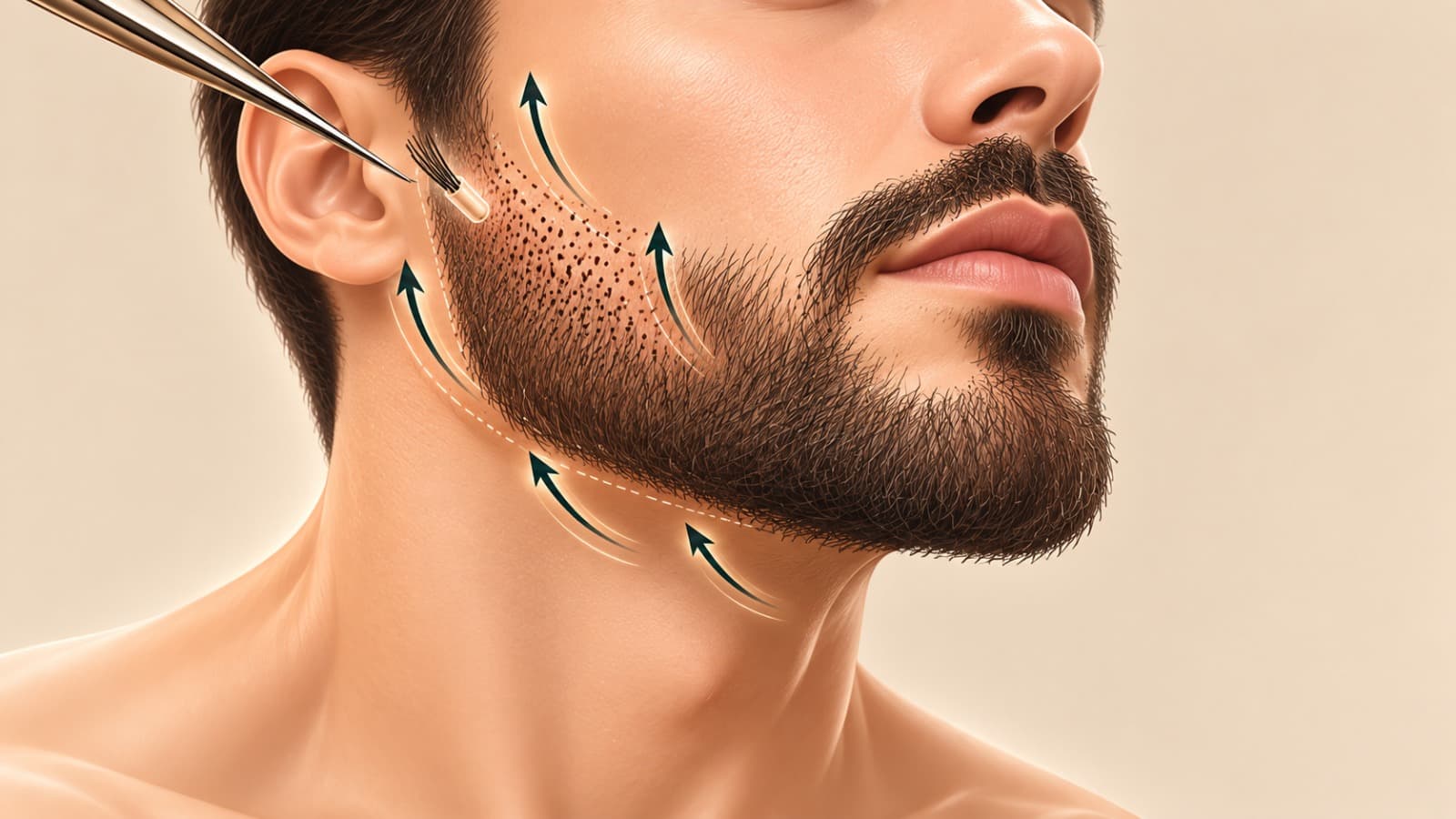
Beard transplant
A beard transplant moves your own hair follicles, usually from the back of the scalp, to thin or patchy areas of the beard, moustache or sideburns. It is usually done under local anaesthesia as a day procedure.
Verified clinics: 0
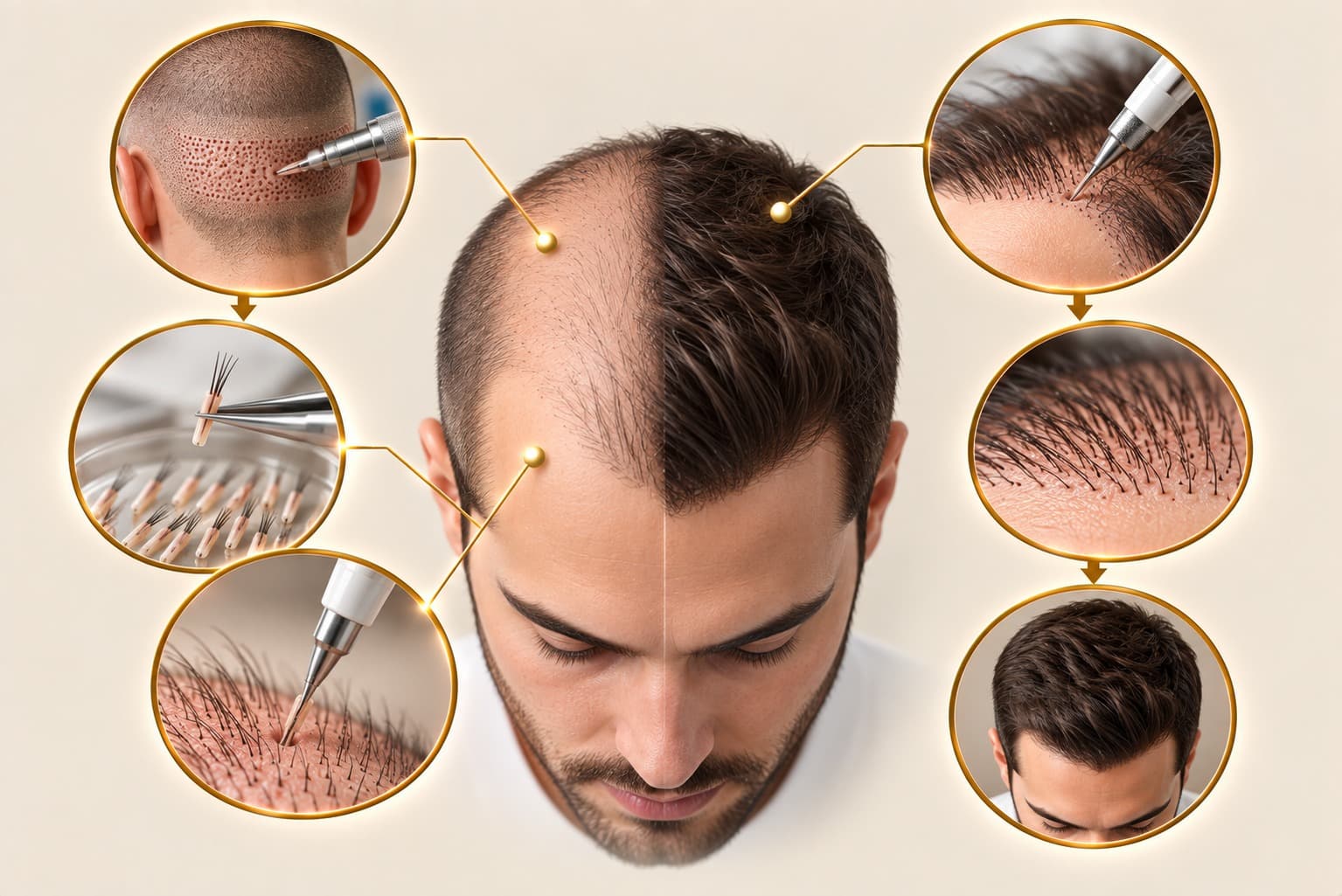
DHI hair transplant
A DHI hair transplant moves individual follicles from a donor area and implants them directly with a pen-like tool, often without shaving the whole head. Compare verified clinics and send one free request.
Verified clinics: 1
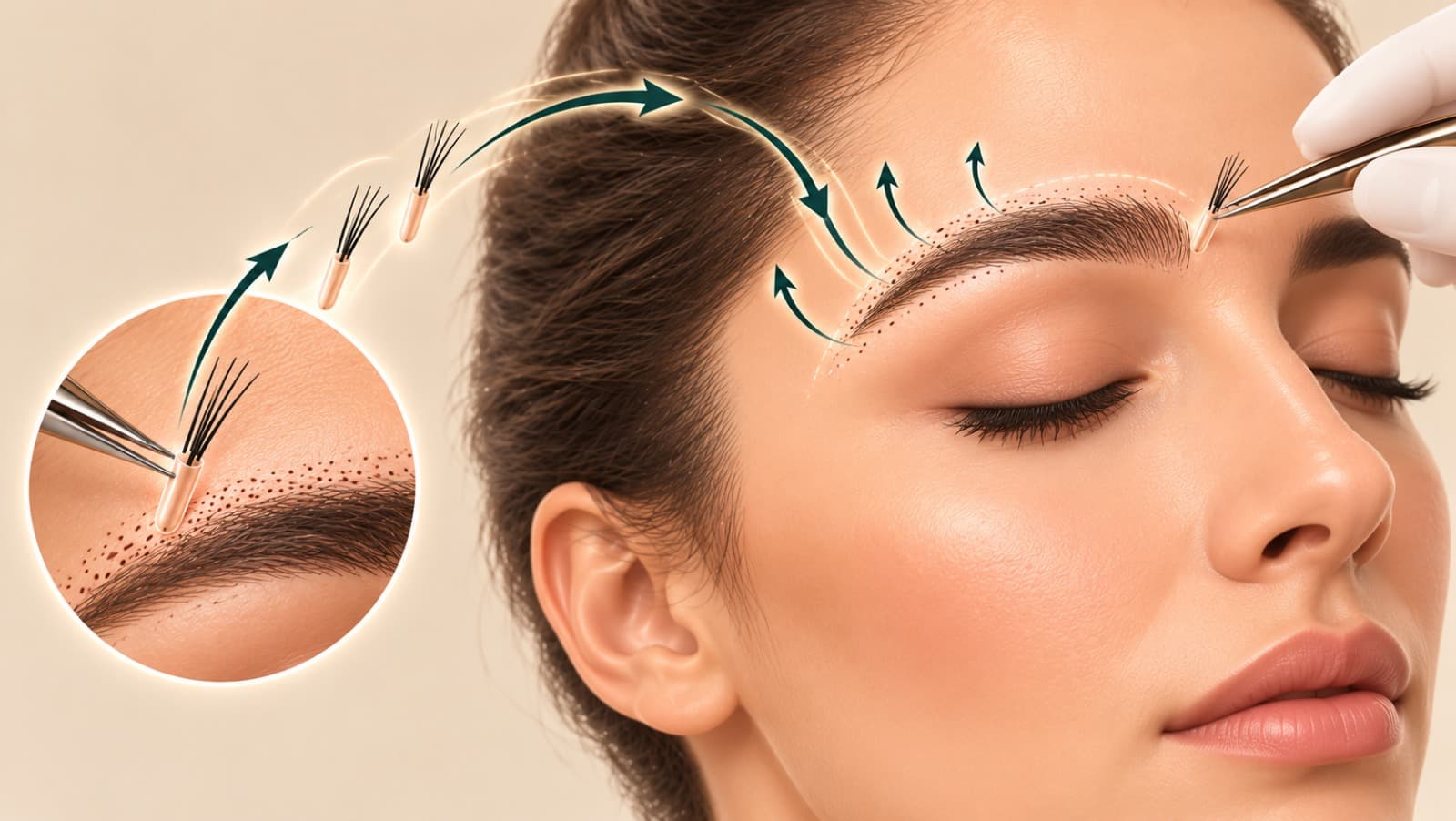
Eyebrow transplant
An eyebrow transplant moves your own hair follicles, usually from the back of the scalp, into thin, patchy or missing brows to create a fuller, natural-looking shape planned with your doctor.
Verified clinics: 1
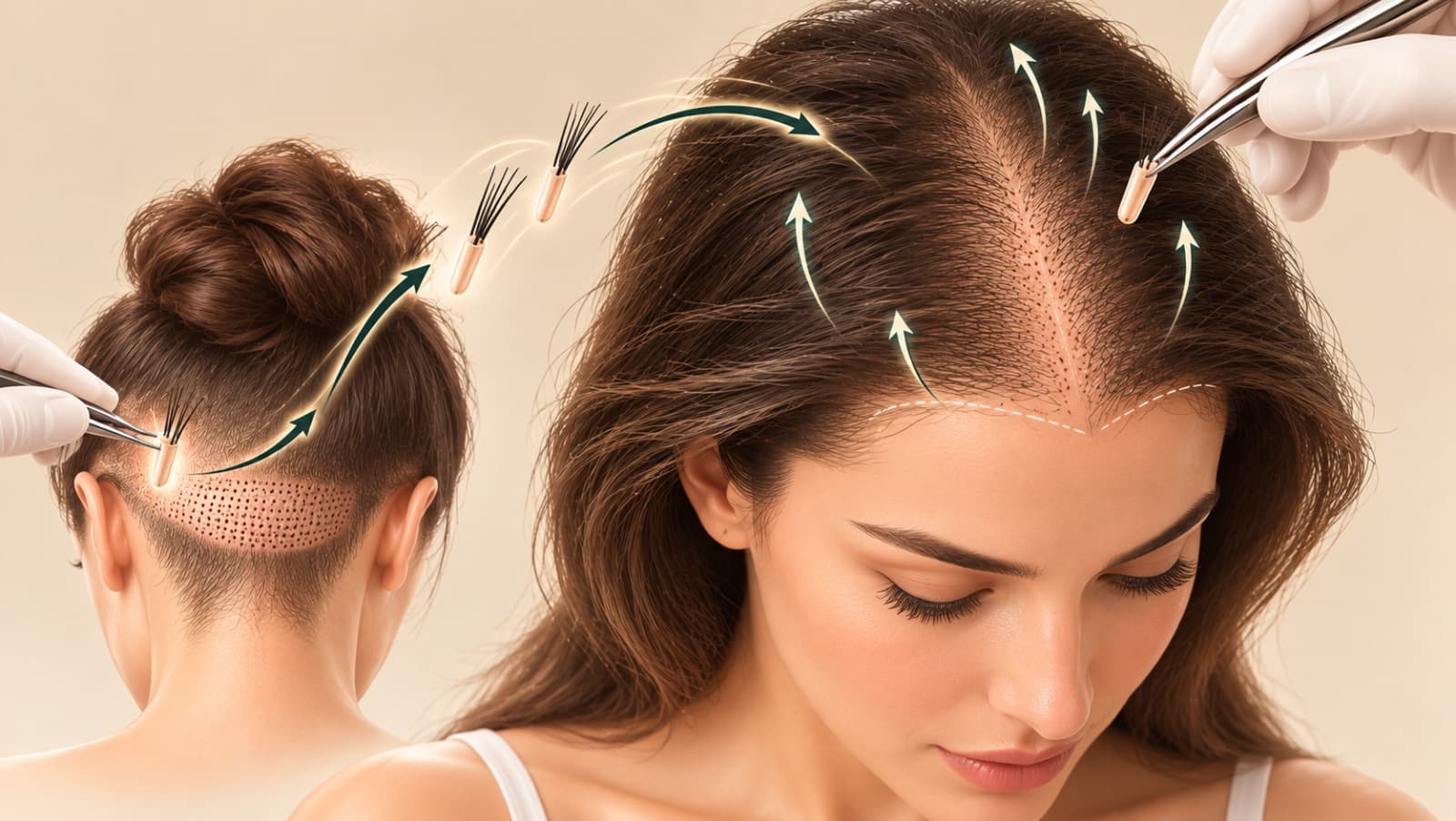
Female hair transplant
A female hair transplant moves healthy follicles from a donor area to thinning parts of the scalp or hairline. It may suit some women with stable, patterned hair loss after a doctor has checked the cause.
Verified clinics: 0