Understanding all on-6 dental implants: a clear guide
All on-6 uses six implants to hold a fixed row of teeth across a whole jaw. Find out how it works, who it may suit, what treatment and recovery involve, and which questions to ask a clinic.
If you have lost most or all of your teeth in one jaw, or your dentures never feel secure, you may have heard of all on-6. The idea is to replace a whole row of teeth with one fixed bridge held on six dental implants, so you don't need a separate implant for every tooth. This guide explains what the treatment involves, who it may suit, what recovery is usually like and what to think about before you contact a clinic. Everyone's mouth is different, so use this as background for a conversation with a qualified implant dentist, not as a replacement for one.
What is all on-6?
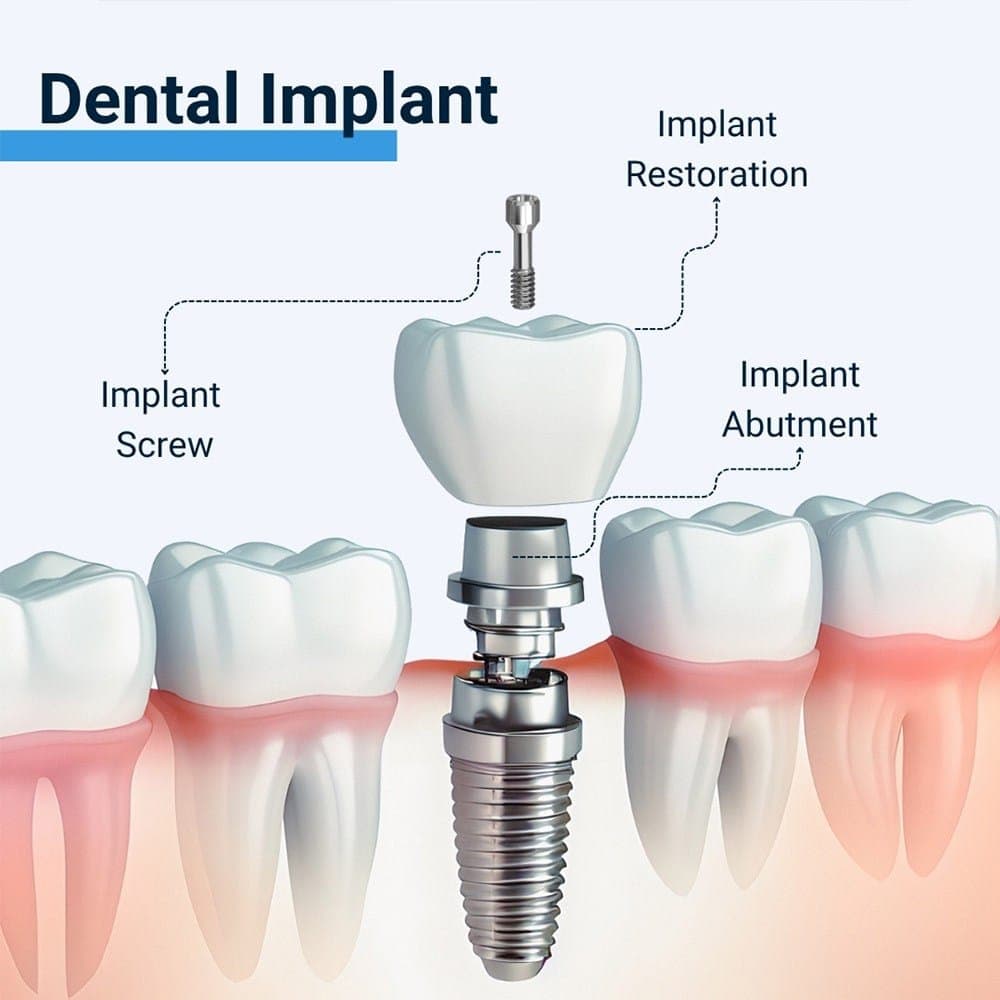
Dental implants are small titanium or ceramic posts placed in the jawbone. They take over the job of the roots of missing teeth. Once an implant has fused with the bone, a crown, bridge or denture can be attached on top.
With all on-6, six implants are spread along one jaw, upper or lower. They support a full-arch bridge, a single piece that replaces all the teeth in that jaw. The bridge is fixed in place, so you don't take it out at night the way you would with a traditional denture. Many patients choose this approach because they want teeth that feel stable when they eat, speak and smile.
In short, all on-6 gives you:
- A fixed replacement for a whole jaw of teeth
- Six implants sharing the load of the bridge
- A result designed to look and work much like natural teeth
All on-6 compared with other options
All on-6 is one of several ways to replace a full arch. Your dentist may also talk to you about:
- All-on-4: a similar idea using four implants. Whether four or six suits you better depends on your bone, your bite and your dentist's judgement.
- Implant-supported dentures: a removable denture that clips onto implants. It gives loose dentures a firmer hold.
- Individual implants or smaller bridges: sometimes suitable when some healthy teeth remain.
People sometimes confuse full-arch implants with a Hollywood smile. A Hollywood smile usually means cosmetic work such as veneers or crowns on your existing teeth to change their shape and colour. All on-6 is for replacing teeth that are missing or can't be saved. Both can change how your smile looks, but they solve different problems. Your dentist can tell you which one fits your situation.
Who may be suitable for all on-6 dental implants?
Many adults who have lost most of their teeth, or whose remaining teeth are badly damaged, can be considered for all on-6. What matters most is good general health, healthy gums and enough jawbone to hold the implants. Your dentist will check this with an examination and X-rays or a 3D scan.
Things that can affect whether the treatment suits you include:
- Not enough bone in the jaw, which can sometimes be fixed with bone grafting or a sinus lift
- Active gum disease, which needs treating first
- Smoking, which can slow healing and raise the risk of problems
- Poorly controlled diabetes or other long-term conditions
- Some medicines, such as drugs that affect bone metabolism or blood clotting
- Past radiotherapy to the head or neck
Implants are generally placed only once the jaw has stopped growing. Only the treating dentist can decide whether you are a suitable candidate.
How all on-6 treatment usually works
Treatment normally happens in stages. The exact plan depends on your mouth and on the clinic's assessment.
- Consultation and planning: an examination, scans and a treatment plan showing where the six implants will go.
- Preparation: removing teeth that can't be saved, treating gum disease or grafting bone if needed.
- Implant placement: the implants go into the jawbone during minor oral surgery, usually under local anaesthesia. Some clinics also offer sedation or, in some cases, general anaesthesia. It is normally an outpatient procedure, so you go home the same day.
- Healing (osseointegration): the bone slowly grows around the implants and anchors them firmly.
- Final bridge: impressions or digital scans are taken, and the permanent full-arch bridge is fitted and adjusted.
In some cases a temporary bridge can be fitted soon after the implants are placed, but this depends on your bone and on the clinic's assessment. If you are travelling abroad, remember that treatment often takes two or more trips because of the healing phase. Ask the clinic to set out the timeline it plans for your case.
Recovery and possible risks
Most people are back to their normal daily routine quite quickly, though the mouth is often sore and swollen for a few days. Full healing of the bone around the implants takes longer and varies a lot from person to person.
In the first days you may notice mild to moderate pain, swelling or bruising, and slight bleeding. Dentists often advise:
- Eating soft foods for a while
- Avoiding smoking and alcohol
- Cleaning gently and using any mouth rinse you are prescribed
- Going to every follow-up appointment
Implant surgery is well established, but like any surgery it has risks. These include infection, an implant not fusing properly with the bone, damage to nearby nerves or blood vessels that can cause numbness or tingling, sinus problems in the upper jaw, and peri-implantitis, an inflammation of the gum and bone around an implant that can develop over time. Good oral hygiene, not smoking and regular check-ups help protect your implants in the long term. Go through your own risks with your treating dentist.
When to talk to a doctor
Talk to a dentist or doctor before you commit to treatment if you have a long-term health condition, take regular medication or have had radiotherapy to the head or neck. After surgery, contact your treating dentist promptly if you notice:
- Pain or swelling that gets worse instead of better
- Bleeding that won't stop
- Fever or signs of infection, such as pus or a bad taste
- Numbness or tingling that doesn't go away
- A bridge or implant that feels loose
Always follow the aftercare advice your own dentist gives you, because it is tailored to your treatment.
Planning all on-6 abroad: cost and choosing a clinic
The cost of all on-6 depends on several things, and prices vary between countries and clinics. Main factors include:
- The implant brand and the material of the bridge
- Extra procedures such as extractions, bone grafting or a sinus lift
- Scans, temporary teeth and sedation
- Follow-up visits and how aftercare is arranged
- Travel and accommodation
Ask for a written, itemised treatment plan so you can see exactly what is and isn't included. When you compare clinics, look for qualified, experienced implant dentists, clear communication and honest answers about your options, including whether all on-6 is really the right choice for you.
When you're ready, take your time and look at your options calmly. You can compare verified clinics offering dental implants and send one free request. The clinics will then contact you to talk about your case.