
Am I a good neck lift candidate? Questions to ask yourself and your surgeon
Thinking about a neck lift? Learn what makes someone a suitable neck lift candidate, which honest questions to ask yourself, and what to discuss with your surgeon before you decide.
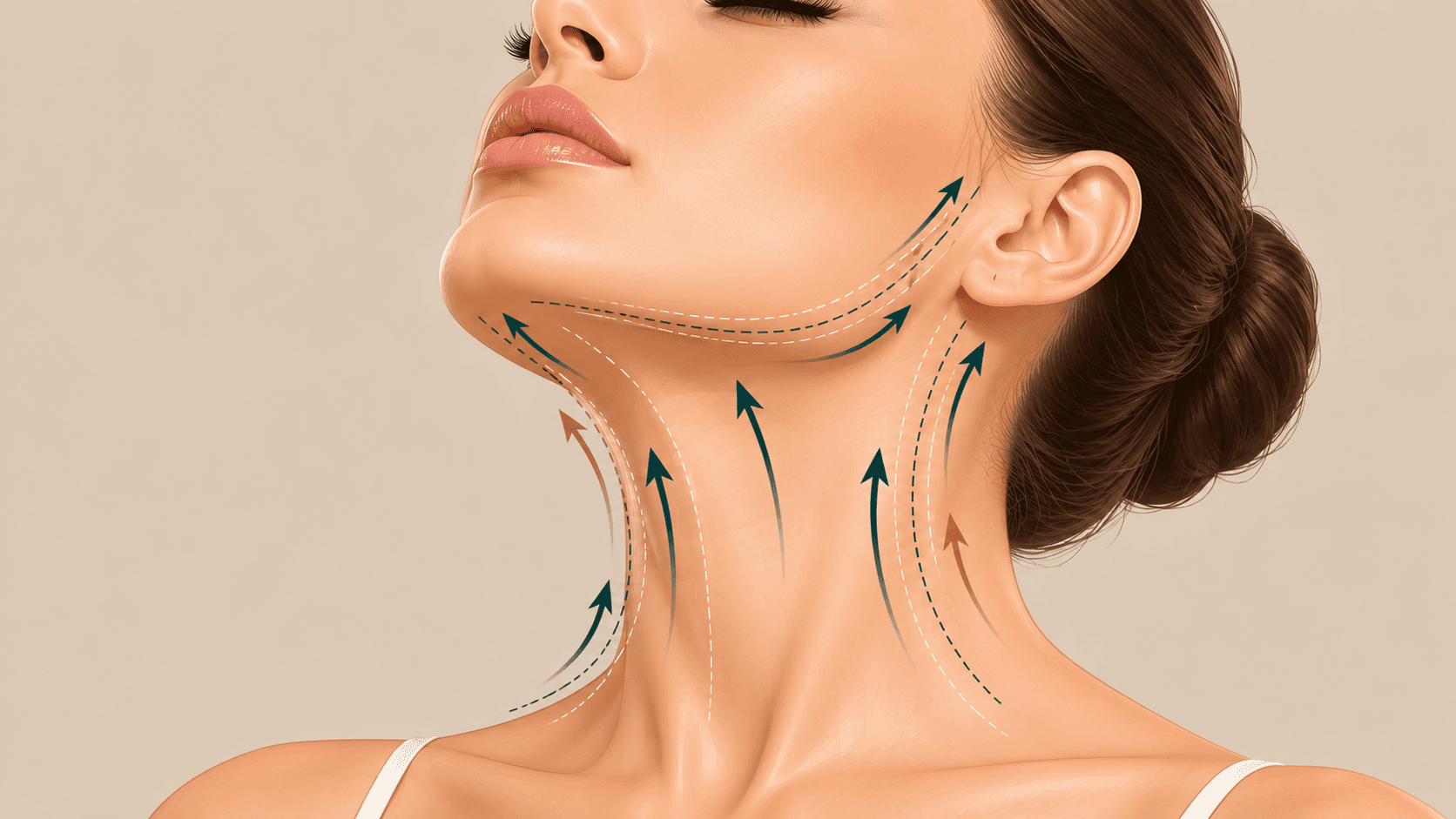
Maybe you've started to notice loose skin under your chin, vertical bands down your neck or a jawline that looks softer than it used to. If so, you might be asking whether you would be a good neck lift candidate. It's a sensible question, and the honest answer can only come from a consultation with a qualified plastic surgeon. Still, it helps to know what surgeons usually look for and which questions are worth thinking through first.
A neck lift, also called lower rhytidectomy or platysmaplasty, is a cosmetic surgical procedure. It tightens loose neck skin and muscles and can reduce excess fat, with the aim of a smoother, more defined neck and jawline that still looks natural. Suitability, risks and recovery vary from person to person. This guide is meant to help you prepare, not to replace medical advice.
What makes someone a good neck lift candidate?
A neck lift may suit adults in good general health who are bothered by changes in their neck and jawline. During your consultation, your surgeon will look at your skin quality, how fat is distributed, your muscle tone and your medical history.
You may be a suitable candidate if you:
- Have sagging skin or a "turkey neck" appearance
- Have visible vertical bands caused by the platysma muscle
- Have fat under the chin that does not respond to diet and exercise
- Have a less defined jawline than you would like
- Do not smoke, or are willing to stop before and after surgery
- Have a stable weight
- Have realistic expectations about what surgery can and cannot change
Some health conditions, certain medications and smoking can increase surgical risks. That doesn't automatically rule you out, but it does mean an open conversation with your surgeon is essential.
Questions to ask yourself before a neck lift
Before you contact clinics, take some time to think about your own motivation and circumstances. Answering these questions honestly can make your consultation much more productive.
- What exactly bothers me? Is it loose skin, fullness under the chin, neck bands, or a combination?
- Why now? Are you considering surgery for yourself, or because of pressure from someone else?
- What do I expect to see? A neck lift aims for a smoother contour, but it cannot stop ageing or make you look like a different person.
- Is my weight stable? Significant weight changes after surgery may affect the result.
- Am I prepared to stop smoking? Smoking can affect healing, and surgeons usually ask patients to stop for a period before and after surgery.
- Do I have time to recover? Early swelling, bruising and tightness are common, and you will need time to rest.
- Do I have support at home? Having someone to help you in the first days can make recovery easier.
There's no wrong answer here. These questions are simply there to help you work out whether surgery fits your goals and your life at this moment.
Questions to ask your surgeon during the consultation
A good consultation is a two-way conversation. Your surgeon assesses you, and you get to assess whether you feel comfortable and well informed. Consider asking:
- Am I a suitable neck lift candidate, and why or why not?
- Which technique would you suggest for my anatomy, and what would it involve?
- Where would the incisions be, and what will the scars look like as they heal?
- Would I need fat removal, muscle tightening or both?
- Would you recommend general anaesthesia or local anaesthesia with sedation?
- Will this be day surgery or will I stay in the clinic?
- What risks and side effects apply to my situation in particular?
- What does recovery usually look like, and when can I return to work and exercise?
- How is aftercare organised, especially if I travel home after surgery?
- How often do you perform neck lifts?
- What is included in the written quote, and what might cost extra?
Write your questions down beforehand and make notes of the answers. If something isn't clear, it's completely reasonable to ask again.
When a neck lift may not be the right choice
Sometimes the consultation shows that a neck lift isn't the most suitable option, at least not right now. This can happen for a number of reasons:
- Your main concern is fat under the chin with good skin elasticity, where liposuction alone may be considered
- Changes in the mid-face and jowls are also significant, so a combined face and neck lift may be discussed
- Concerns are mild, and non-surgical treatments may be an alternative to explore
- Health conditions or medications increase surgical risk to a level your doctor considers too high
- You are planning significant weight loss in the near future
A surgeon who suggests a different approach, or advises you to wait, is not necessarily turning you away. They are matching the treatment to your needs.
Understanding recovery and risks before you decide
Part of being a good candidate is understanding what happens after surgery. Recovery usually starts with swelling, bruising and a feeling of tightness, which gradually ease. Many people return to light activities and desk work after the first weeks, and strenuous exercise is usually reintroduced step by step with the surgeon's approval. Final results tend to settle over several months, but how quickly you heal is individual.
Like any surgery, a neck lift carries risks. These can include bleeding or haematoma, infection, delayed wound healing, visible scars, nerve injury affecting sensation or movement, asymmetry and reactions to anaesthesia. Your surgeon should explain which of these apply to you.
If you are considering surgery abroad, plan enough time to stay near the clinic for follow-up checks before flying home, and ask in advance how aftercare will be handled once you return.
When to talk to a doctor
It's a good idea to talk to a doctor before you commit to anything, especially if you:
- Have a chronic condition such as heart disease, diabetes or high blood pressure
- Take blood thinners, supplements or other regular medication
- Have had previous surgery on your face or neck
- Have a history of poor wound healing or problem scarring
- Feel unsure whether your concerns are cosmetic or could have a medical cause
After surgery, contact your clinic straight away if you notice sudden swelling, increasing pain, fever or difficulty breathing.
Take the next step at your own pace
Working out whether you are a good neck lift candidate takes time, honest reflection and a proper medical assessment. There's no need to rush. If you'd like to explore your options, you can learn more about the procedure and compare verified clinics on our neck lift treatment page. Send one free request, and the clinics will contact you so you can ask your questions and decide what feels right for you.