
What to know about an arm lift in Turkey
Thinking about an arm lift in Turkey? This guide covers how brachioplasty works, who it may suit, what recovery and travel planning involve, and how to compare clinics carefully before you decide.
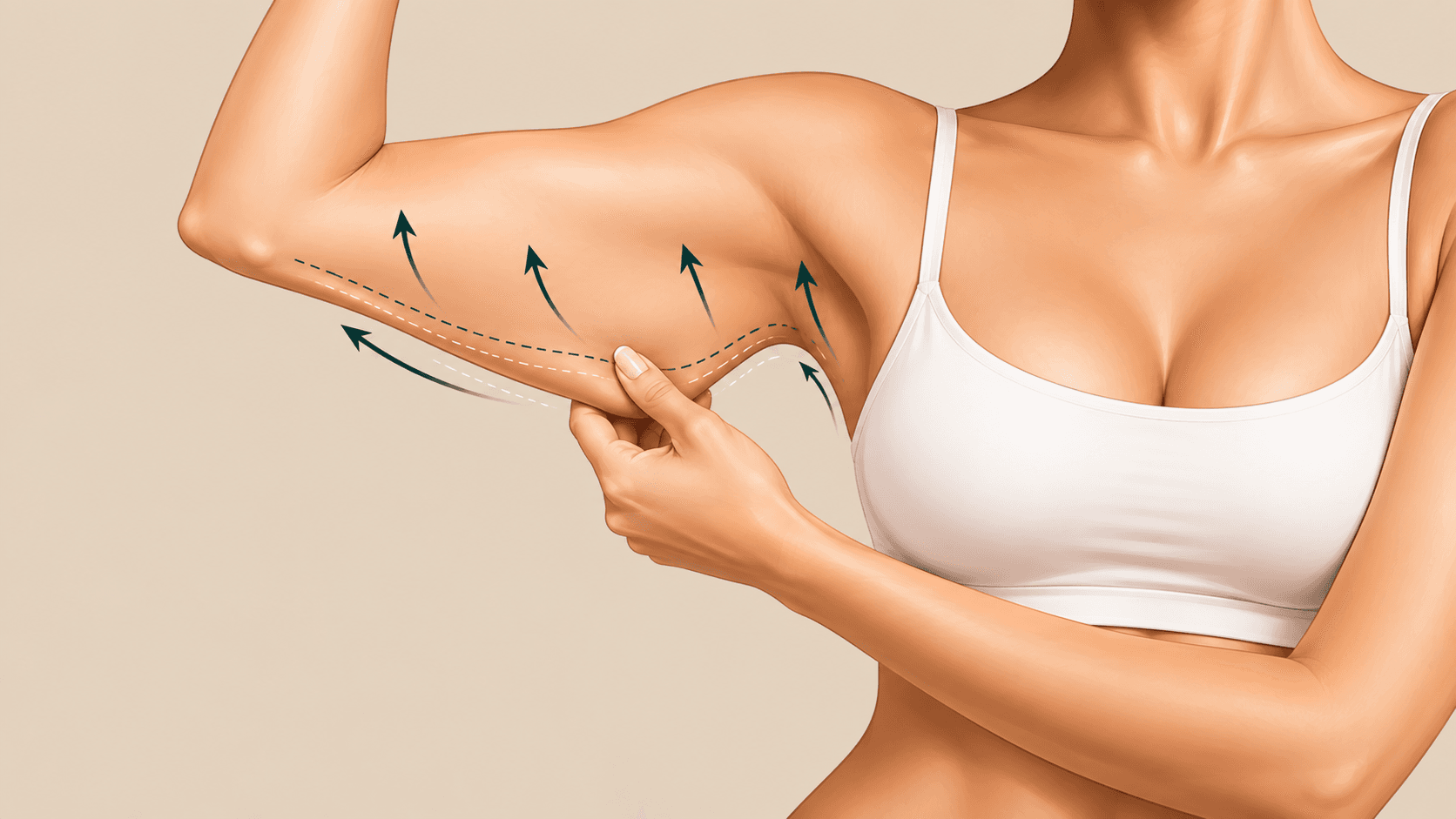
Loose skin on the upper arms can be frustrating, especially after you have worked hard to lose a lot of weight. Exercise can build muscle, but it can't tighten skin that has lost its elasticity. That is why some people look into surgery, and many also look at clinics abroad. If you are thinking about an arm lift in Turkey, this guide explains how the procedure works, who it may suit, how to plan recovery around travel, and how to compare clinics calmly and carefully.
Everyone's body, health and goals are different. Use this article as background before you speak with a qualified surgeon, not as a replacement for that conversation.
Why patients consider an arm lift in Turkey
People from many countries travel to Turkey for plastic surgery, and an arm lift (brachioplasty) is one of the procedures they ask about. Their reasons vary. Some are on long waiting lists at home, some want to compare more options, and some like the idea of combining treatment with time away from daily life.
Having surgery abroad still takes careful planning. You will need to think about travel, time spent near the clinic, communication with your care team and follow-up once you are home. Choosing based on location or price alone is rarely a good idea. What matters most is finding a qualified surgeon who examines your case properly and explains your options honestly.
How an arm lift is performed
An arm lift removes loose skin and excess fat from the upper arms, then tightens the remaining tissue to give a firmer shape. The surgeon makes an incision, removes the excess skin, and closes the wound in layers. The procedure always leaves a scar, usually along the inner arm or the back of the arm.
Common approaches include:
- Limited or short-scar arm lift: a smaller incision, often near the armpit, for mild loose skin close to the upper part of the arm.
- Standard arm lift: an incision running from the armpit towards the elbow.
- Extended arm lift: the incision continues along the side of the chest, for loose skin that reaches beyond the armpit, often after major weight loss.
Liposuction is often combined with the procedure to refine the shape. An arm lift is usually done under general anaesthesia, although smaller procedures may use local anaesthesia with sedation. Some patients go home the same day, while others stay overnight, depending on how extensive the surgery is. Drains may be placed, and the arms are usually wrapped in bandages or a compression garment afterwards.
Who may be suitable for brachioplasty
A good candidate is generally a healthy adult whose weight has been stable for a while and who is bothered by hanging skin on the upper arms. Surgeons usually consider:
- Whether the skin has lost elasticity, rather than there being only a little extra fat
- Whether your weight is stable, since further weight changes can affect the result
- Whether you smoke, as smoking can slow wound healing
- Any medical conditions that could make surgery or anaesthesia unsafe
- Whether you accept that a visible, permanent scar is part of the trade-off
If your skin is still firm and your main concern is fat, liposuction alone may be discussed instead. Only a surgeon who has assessed you can say which option, if any, is right for you.
Recovery and planning your stay
Recovery after an arm lift happens in stages, and it is different for everyone. At first you can expect swelling, bruising, tightness and some discomfort, which is usually managed with prescribed pain relief. Lifting your arms and carrying things will be limited for a while.
Patients are commonly advised to:
- Wear a compression garment as instructed
- Keep the arms slightly raised when resting
- Avoid heavy lifting and strenuous exercise for a period
- Attend follow-up appointments for wound checks
When you travel for surgery, these early weeks need extra thought. Ask your surgeon how long they recommend staying near the clinic before you fly home. Also think about practical things like carrying luggage, getting through airports with sore arms, and having someone travel with you. Light daily activities usually come back first, and sport and heavy lifting later. The scar often looks red and raised at first, then tends to soften and fade over many months. Your surgeon will give you personal guidance on showering, driving, going back to work and exercising.
Risks to discuss before you travel
Like any operation, an arm lift carries risks. Possible risks and side effects include:
- Noticeable, widened or raised scars
- Infection, bleeding or fluid building up under the skin
- Delayed wound healing or the wound opening, especially near the armpit
- Changes in skin sensation, including numbness
- Swelling that lasts longer than expected
- Differences in appearance between the two arms
- Risks linked to anaesthesia and blood clots
Long journeys soon after surgery deserve their own discussion with your surgeon. Telling your doctor your full medical history, any medicines you take and whether you smoke helps them judge your personal risk.
Comparing clinics and quotes in Turkey
The cost of an arm lift varies a lot, so personalised quotes are more useful than general figures. Price can depend on how extensive the surgery is, whether liposuction is added, the type of anaesthesia, any hospital stay, pre-operative tests, compression garments, medicines, follow-up care, and your travel and accommodation.
When you compare clinics, check exactly what each quote includes. Useful questions to ask include:
- What are the surgeon's qualifications and experience with arm lifts?
- Which technique do you suggest for me, and where will the scar be?
- What is included in the price, and what could cost extra?
- How long should I stay nearby after surgery?
- How is follow-up handled once I am back home, and who do I contact if I have concerns?
Take your time. A good clinic will answer clearly and won't rush you into a decision.
When to talk to a doctor
It is worth speaking with your GP or a qualified surgeon before you book anything, especially if you have a long-term health condition, take regular medicines, smoke, or have recently lost a lot of weight. Your local doctor can also help with follow-up once you are home. After surgery, get medical advice promptly if you notice increasing pain, redness, warmth, discharge, fever, a wound that opens, or swelling in one arm or leg. Recovery and suitability are different for everyone, so your treating doctor is the right person to guide you.
If you are ready to explore your options, you can compare verified clinics and send one free request. Clinics will then contact you, so you can review answers and quotes at your own pace. Start on our arm lift treatment page.