
BBL recovery timeline: sitting, swelling and getting back to daily life week by week
How long until you can sit, work and move freely after a Brazilian butt lift? This week-by-week guide explains swelling, sitting, compression garments and getting back to daily life, and how to plan your recovery with your surgeon.
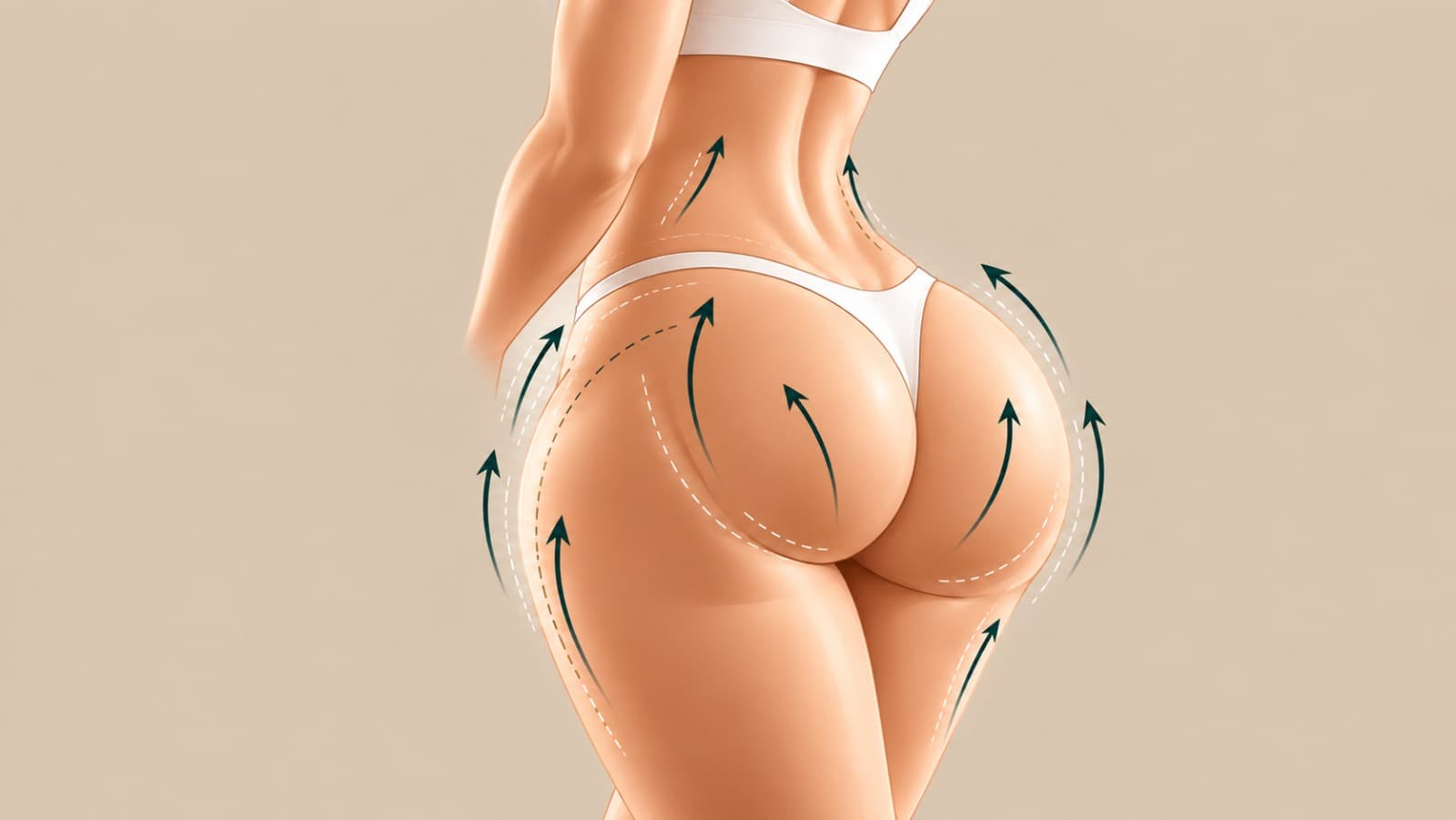
Planning a Brazilian butt lift often starts with a practical question: how long until I can sit, work and move normally again? This guide walks you through a general BBL recovery timeline, from the first days after surgery to the months when your final shape slowly appears. It is not a fixed schedule. Everyone heals differently, and your surgeon will give you a personal plan based on your health, the areas treated and the technique used. Think of this article as a way to prepare and to write down questions, not as a replacement for medical advice.
Why BBL recovery is different from other surgeries
A BBL combines two procedures in one operation. Fat is removed by liposuction from areas such as the abdomen, flanks or thighs. It is then purified and injected into the buttocks to add volume and improve contour. So you are healing in two places at once: the liposuction areas and the buttocks.
The transferred fat needs time to settle and connect to a new blood supply. Not all of it survives, and the body naturally reabsorbs part of it. This is why surgeons put so much weight on protecting the buttocks in the early weeks. Pressure from sitting or lying on your back can affect the grafted fat, so most aftercare plans involve limiting direct pressure for a period your surgeon decides.
The first days after surgery
The first few days are usually about rest, comfort and careful movement. Many people go home the same day or after a short stay, depending on the clinic and their health.
What you might notice:
- Swelling, bruising and soreness, often most noticeable in the liposuction areas
- Some fluid leaking from the small incisions, which your care team will explain how to manage
- Tiredness, which is a normal response to surgery and anaesthesia
- Tightness from the compression garment you are asked to wear
Even though rest is important, surgeons usually encourage short, gentle walks early on. Moving around helps your circulation and may lower the risk of blood clots. You will likely be advised to sleep on your front or side and to avoid sitting directly on your buttocks.
Weeks 1 to 2: protecting the new fat
The early weeks of the BBL recovery timeline tend to focus on two things: managing swelling and protecting the grafted fat. Exact rules vary, so follow your own surgeon's instructions closely.
Common advice during this stage includes:
- Limiting sitting: you may be asked to avoid sitting, or to sit only briefly using a special BBL cushion that takes pressure off the buttocks
- Sleeping position: lying on your front or side rather than on your back
- Compression: wearing your garment as directed to support the treated areas and help with swelling
- Light walking: short walks several times a day
- No strenuous exercise: heavy lifting and workouts are usually off the table until your surgeon agrees
Daily life can feel a little awkward in this phase. Eating, working at a computer or travelling in a car all need some planning. Many patients set up a standing desk, a raised surface or a comfortable spot to lie down before surgery, so everything is ready when they get home.
Weeks 3 to 6: a gradual return to daily life
As swelling begins to settle, many people feel more like themselves and start picking up routine activities. This return is gradual, and the right pace depends on how you heal and what your surgeon recommends.
During this period, your surgeon may:
- Allow more sitting, often still with a cushion at first
- Discuss when you can return to work, particularly if your job involves long hours at a desk or physical effort
- Talk about when driving is safe, as this involves both sitting and quick movements
- Review whether you still need the compression garment, and for how long
Light activity is often reintroduced step by step. Strenuous exercise, especially movements that put strain on the buttocks or treated areas, is generally delayed until your surgeon confirms you are ready. Follow-up appointments are a good moment to ask about each activity you are looking forward to.
Months 2 to 6 and beyond: swelling settles and your shape emerges
Swelling usually fades slowly, and it is common for it to come and go, for example after a long day on your feet. Because some transferred fat is reabsorbed, the buttocks may look fuller in the early weeks than they will later on. The final shape can take several months to show.
During this longer phase, try to:
- Keep your weight stable, as changes in weight can affect both the treated and untreated areas
- Stay active in the ways your surgeon has approved
- Attend any follow-up checks, in person or remotely
- Be patient with the result, and avoid judging it too early
Your surgeon can tell you when they expect the shape to have settled in your particular case.
Travelling home after a BBL abroad
If you have surgery in another country, travel needs extra thought. Long flights and car journeys mean sitting for hours, which puts pressure on the buttocks and is linked to a higher risk of blood clots.
Before booking, ask your clinic:
- How long they recommend you stay nearby before flying home
- Whether they advise a cushion, compression stockings or other measures for the journey
- How follow-up care works once you are back home, and who you can contact with questions
Planning a little extra time near the clinic can make your recovery calmer and gives your care team a chance to check on you before you leave.
When to talk to your doctor
Some discomfort, swelling and bruising are expected, but certain symptoms need prompt medical attention. Contact your surgeon or seek urgent care if you notice:
- Shortness of breath, chest pain or sudden confusion
- Pain, swelling, warmth or redness in one leg
- Fever, increasing redness, or discharge with an unpleasant smell from incisions
- Swelling or pain that suddenly gets worse rather than better
- A firm, painful or growing lump, or a build-up of fluid
- Bleeding that does not stop
If something feels wrong, it is always better to ask. Your surgeon would rather hear from you early. Recovery, risks and suitability differ from person to person, so talk through any concerns with the doctor treating you.
Compare verified clinics for your BBL
A smooth recovery starts with choosing a qualified surgeon and a clinic that explains aftercare clearly before you book. On our site, you can read about the procedure, compare verified clinics abroad and send one free request. The clinics will then contact you to discuss your goals, your health and how they would support your recovery. Take your time and ask every question you have. Learn more about the Brazilian butt lift and compare clinics.