
What to expect from breast lift recovery, week by week
Wondering how breast lift recovery usually goes? This guide covers each stage, from the first days of rest to the slow settling of shape and scars, with practical tips and advice on when to call your surgeon.
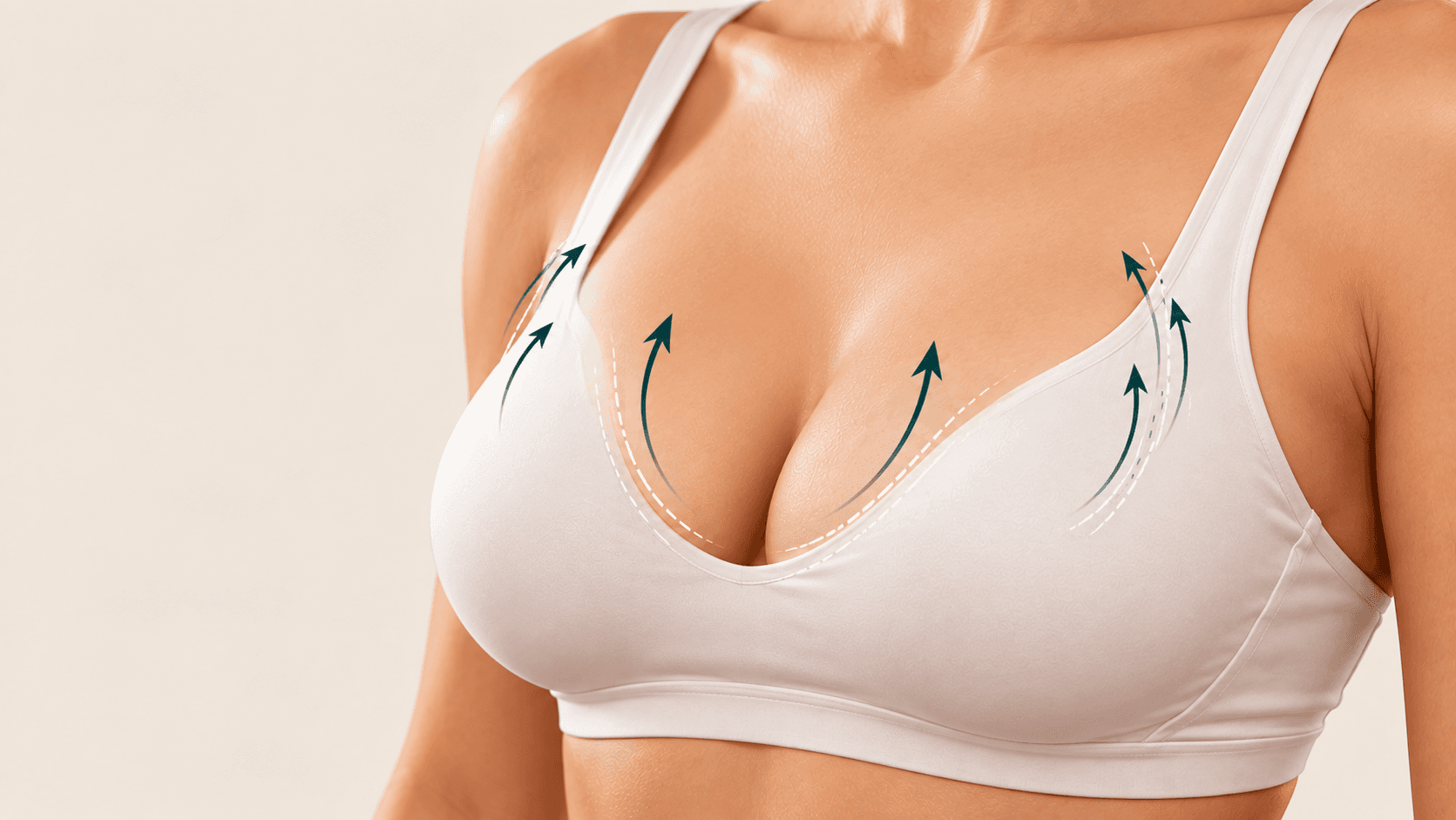
A breast lift, also called mastopexy, raises and reshapes breasts that have started to sag. The surgeon removes excess skin, tightens the surrounding tissue and often moves the nipple higher. Knowing what breast lift recovery usually involves can help you plan time off work, arrange help at home and feel calmer about the weeks after surgery.
This guide goes through the typical stages of healing. Please treat it as a general overview, not a fixed timetable. Everyone heals at their own pace, and the technique used, your general health and whether implants or a reduction were added all make a difference. Your surgeon's instructions always come first.
Before surgery: preparing for a smoother recovery
Good preparation makes the first days much easier. Many patients find it helps to:
- Arrange for someone to take you home and stay with you at first
- Set up a resting area with pillows so you can sleep slightly propped up
- Wear loose, front-opening tops that don't need to go over your head
- Stock up on easy meals, water and the supplies your clinic recommends
- Ask your surgeon which medicines and supplements to stop beforehand
- Stop smoking if you smoke, because it can slow wound healing
If you are travelling abroad for your operation, ask the clinic how long they recommend you stay nearby before flying home, and how follow-up care will work once you are back.
The first days: rest and early healing
A breast lift is usually done under general anaesthesia. Depending on the clinic and your health, you may go home the same day or stay in hospital for a short time. In the first days you can expect:
- Soreness and tightness across the chest, managed with pain relief as prescribed
- Swelling and bruising, which are a normal part of healing
- A supportive surgical bra or dressing, worn as your surgeon advises
- Tiredness, as your body recovers from the anaesthesia and the surgery
Rest is your main job now, but gentle walking around the house is usually encouraged because it helps your circulation and lowers the risk of blood clots. Avoid lifting your arms high, lifting anything heavy, or sleeping on your front. Keep the wounds clean and dry, and follow the wound care instructions exactly.
Breast lift recovery in the first weeks
As the first week or two go by, many people notice that the pain eases and they slowly feel more like themselves. This is often when the first follow-up check takes place, and your surgeon looks at your wounds and may remove stitches or dressings if needed.
In this phase of breast lift recovery, light daily activities often return step by step:
- Short walks and gentle household tasks
- Desk work or quiet jobs, if your surgeon agrees
- Showering, once you have been told it is safe to get the wounds wet
Some things are usually still off limits, such as heavy lifting, strenuous exercise, swimming and activities that strain the chest. You will probably still need to wear your supportive bra day and night. Your breasts may look high, firm or uneven at this point. That is common while swelling is still present and doesn't show the final result.
The following weeks: getting back to normal activities
Over the next weeks, swelling usually keeps going down and you may feel ready to do more. Your surgeon will tell you when you can return to things like:
- More active work or jobs that involve lifting
- Driving, once you can move freely and safely without pain medication that affects alertness
- Low-impact exercise, followed later by more demanding workouts
- Changing from a surgical bra to a soft, supportive everyday bra
It is tempting to speed things up when you feel well, but internal healing takes longer than the skin suggests. Build up gradually and listen to your body. If something hurts or pulls, take a step back and ask your clinic.
The longer term: settling shape and fading scars
The later stage of healing is slower and quieter. The breasts gradually settle into their final shape, and any remaining swelling fades over the following months. Changes in sensation around the nipple or breast are fairly common early on. For many people they improve with time, but this differs from person to person.
Breast lift scars are permanent, but they usually become lighter and flatter over time. Where they sit depends on the incision pattern, whether around the areola, around and down, or an anchor shape for more significant sagging. To care for your scars:
- Follow your surgeon's advice on scar creams, silicone sheets or massage
- Protect the scars from strong sun
- Be patient, as scars often look their most visible before they start to fade
Keeping a stable weight and wearing good support can help you keep your result, although natural ageing and future pregnancies may still change the breasts.
Tips for a comfortable recovery
- Take medicines exactly as prescribed and don't add your own without asking
- Drink plenty of fluids and eat balanced meals to support healing
- Move gently and often to keep your circulation going
- Keep every follow-up appointment, including remote check-ins if you travelled
- Allow yourself emotional ups and downs, as mixed feelings after surgery are common
When to talk to your doctor
Some discomfort is expected, but certain signs should be checked quickly. Contact your surgeon or seek medical help if you notice:
- Fever, chills or feeling generally unwell
- Increasing redness, warmth, pus or a bad smell from a wound
- Sudden or one-sided swelling, or pain that gets worse instead of better
- Wounds that open or bleed heavily
- Pain, swelling or warmth in a leg, shortness of breath or chest pain, which need urgent attention
Recovery, risks and suitability are different for everyone, so discuss any worries with your treating doctor rather than relying on general guides.
Compare clinics for your breast lift
If you are thinking about a breast lift abroad, it helps to compare clinics calmly and ask each one how they handle aftercare and follow-up. On our marketplace you can look at verified clinics and send one free request, and clinics will then contact you to talk through your options. Learn more about the procedure on our breast lift treatment page.