
Your guide to dental implant recovery, from the first days onwards
What does dental implant recovery really involve? Here is a clear guide to the first few days, the healing phase and caring for your new teeth over the long term, plus the signs that mean you should call your dentist.
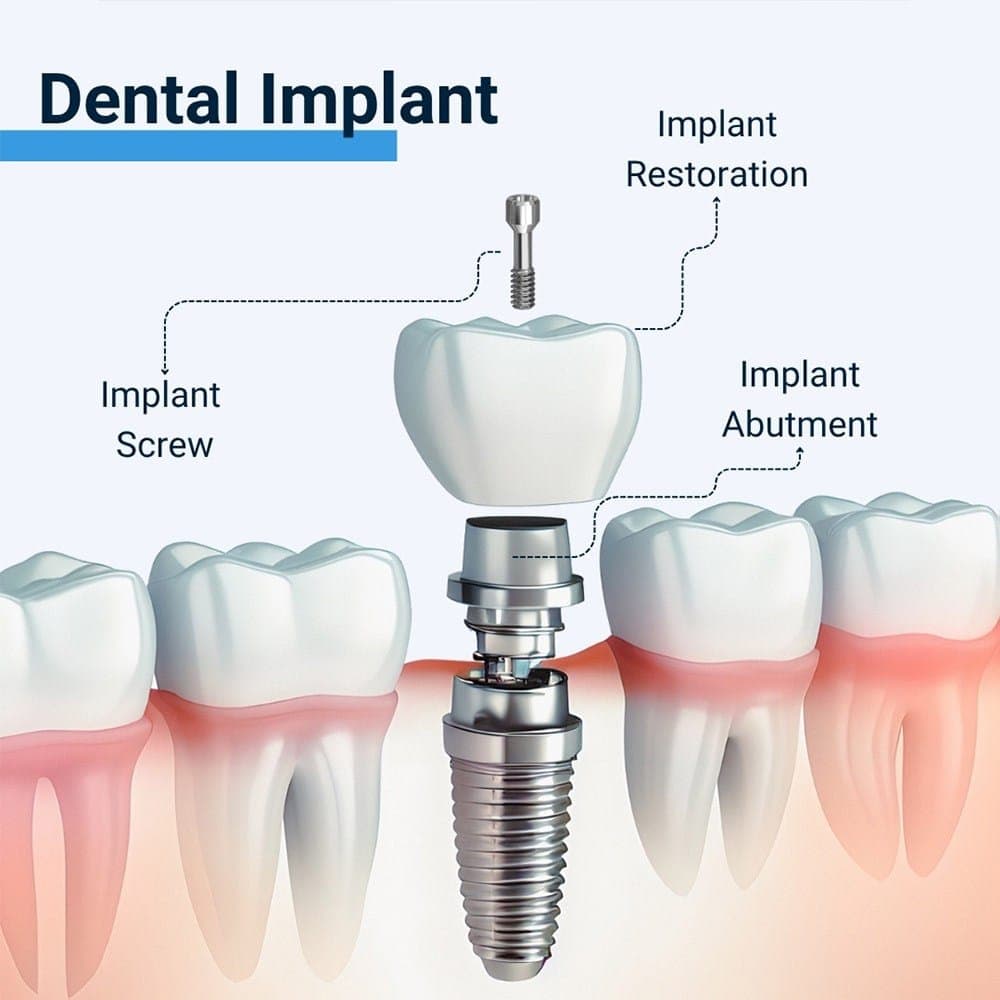
Dental implants are usually placed in a short outpatient procedure, and most people go home the same day. Even so, it's natural to wonder what happens next. Dental implant recovery usually comes in phases. First there are a few days of soreness and swelling. Then comes a longer healing period while the implant bonds with your jawbone. Finally, your permanent teeth are fitted. Knowing what's typical makes it easier to plan time off, travel and meals.
This guide covers what many patients go through, the aftercare dentists often recommend and the signs that mean you should contact your dentist. Everyone heals differently, though. Your recovery, risks and aftercare depend on your general health, your jawbone and the treatment you have. Your treating dentist is always the best person to advise you on your own case.
The three phases of dental implant recovery
It helps to think of recovery as three stages rather than one:
- Early recovery: the first few days after surgery. Soreness, swelling and some minor bleeding are common during this time.
- Healing (osseointegration): the bone slowly grows around the implant and anchors it firmly. You usually won't feel much during this phase, but it's the key step for long-term stability.
- Final restoration: once the bone has healed, a connector piece (the abutment) is attached. After impressions or digital scans are taken, the crown, bridge or implant-supported denture is fitted and adjusted.
Each phase takes a different amount of time for each person. Your dentist can explain the planned timeline for your treatment.
The first days after implant surgery
Most implants are placed under local anaesthesia, so your mouth may feel numb for a few hours afterwards. Some clinics also offer sedation. If you have sedation, you'll usually need someone to go home with you and should take things easy for the rest of the day.
In the first days, you may notice:
- Mild to moderate pain. This is usually managed with painkillers your dentist recommends.
- Swelling. Your gum, cheek or sometimes the area around your jaw may swell.
- Bruising. Some people get bruising on the gum or cheek, and it can be more visible after larger procedures.
- Slight bleeding. A little oozing or pink-tinged saliva right after surgery is common.
How strong these symptoms are often depends on how many implants you had and whether you also needed extractions or bone grafting. Many people get back to normal daily activities quickly. Still, it's wise to allow yourself some rest and avoid hard physical exercise until your dentist says it's fine.
Dental implant aftercare during early healing
Good aftercare helps protect the implant site while your gum starts to heal. Your dentist will give you instructions suited to your treatment, and these always come first. Common advice includes:
- Chewing on the other side of your mouth for a while
- Avoiding smoking, because it can slow healing and raise the risk of problems
- Avoiding alcohol, especially while you're taking any prescribed medicines
- Cleaning your teeth gently and taking extra care around the surgical area
- Using any mouth rinses your dentist has prescribed, exactly as directed
- Not touching or poking the area with your tongue or fingers
- Going to all your follow-up appointments, even if everything feels fine
Some dentists also suggest resting with your head slightly raised or using a cold compress on the cheek to ease swelling. Ask your dentist whether this is right for you.
Eating and daily life while you heal
Food is one of the most common worries during dental implant recovery. At first, soft foods that need little chewing are usually the most comfortable. Examples include:
- Yoghurt, smooth soups and mashed potatoes
- Scrambled eggs, soft fish or well-cooked pasta
- Porridge, smoothies eaten with a spoon and soft fruit such as banana
Let hot food and drinks cool first. While the area feels tender, avoid very hard, crunchy, sticky or spicy foods. Your dentist will tell you when you can slowly go back to a normal diet. This can depend on whether you have a temporary tooth and how your healing is going.
Many people with office jobs feel able to go back to work fairly soon. If your job is physically demanding, you may need a little longer. Everyone is different, so plan some flexibility if you can.
The healing phase and dental implant recovery beyond the first week
After the first days, the soreness usually fades and your mouth starts to feel more normal. Under the surface, the important work is just beginning. During osseointegration, your jawbone gradually fuses with the implant. The time this takes varies a lot from person to person. It can be longer if you needed bone grafting or a sinus lift.
Sometimes a temporary tooth is fitted on the same day as the implant, but this depends on your bone and the clinic's assessment. If you have one, follow your dentist's advice on what you can bite and chew. That helps avoid putting too much pressure on the implant while it heals.
If you're having treatment abroad, remember that the healing phase often means two or more trips. Ask the clinic in advance how follow-up care will work, including what happens if you have a question once you're back home.
Long-term care once your new teeth are fitted
Once your permanent crown, bridge or denture is in place, it should look, feel and work much like natural teeth. Implants still need care, though. Peri-implantitis is an inflammation of the gum and bone around an implant, and it can develop over time. To help keep your implants healthy:
- Brush twice a day and clean between your teeth and around the implants as your dentist shows you
- Keep up regular check-ups and professional cleaning
- Avoid smoking
- Tell your dentist if anything feels loose, uncomfortable or different
When to talk to your dentist
Some discomfort after implant surgery is expected. Contact your dentist or clinic promptly if you notice:
- Pain that gets worse after the first few days instead of easing
- Swelling that grows or doesn't settle
- Bleeding that won't stop with gentle pressure
- Fever, pus, a bad taste or other signs of infection
- Numbness or tingling in the lip, chin or tongue that lasts after the anaesthetic has worn off
- An implant or temporary tooth that feels loose
- Sinus problems after implants in the upper jaw
If something doesn't feel right, it's always better to ask. Your dentist knows your treatment and can tell you whether it's part of normal healing.
Plan your treatment with confidence
Your recovery will be easier if you understand your treatment plan, timeline and aftercare before you start. If you're thinking about implants, you can explore our guide to dental implants and verified clinics. Compare clinics side by side and send one free request. The clinics you choose will then contact you, so you can ask about their approach to aftercare and make a calm, informed decision.