
Dental implants and a hollywood smile: what patients should know
Many people think of a Hollywood smile as veneers and whitening. If you have missing teeth, dental implants may also play a part. Here is what that means and what to discuss with your dentist.
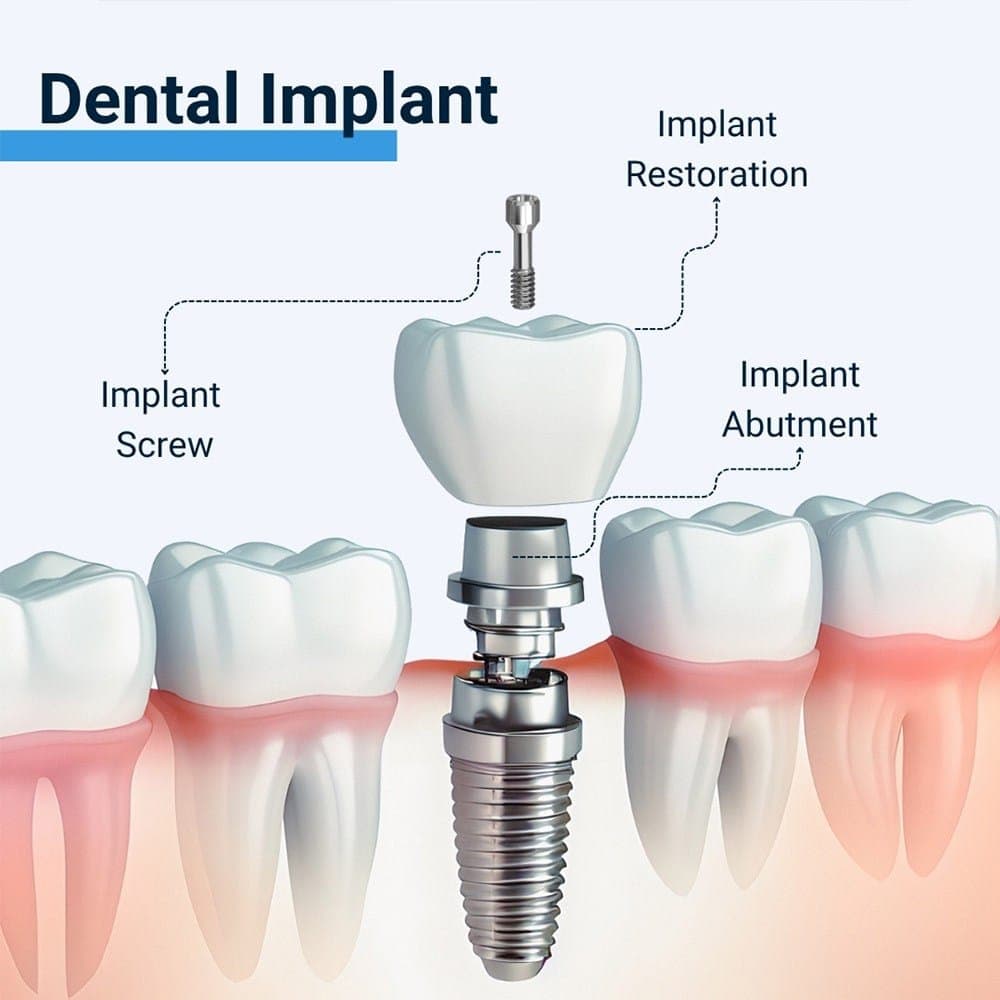
When people talk about a hollywood smile, they usually mean bright, even and well-shaped teeth that look balanced with the face. Most people think of veneers, crowns or whitening first. But what if one or more teeth are missing? In that case, dental implants may be part of the plan. This guide explains how implants can fit into a smile makeover, what the treatment involves and which questions are worth asking before you decide.
What is a Hollywood smile?
"Hollywood smile" is not a medical term. It is a popular name for a cosmetic smile makeover that aims for a harmonious, attractive look. Every plan is different, but it can combine several treatments, for example:
- Teeth whitening to brighten the natural teeth
- Veneers or crowns to change the shape, size or colour of teeth
- Gum treatment to improve how the gums frame the teeth
- Orthodontic treatment to straighten teeth before other work
- Dental implants to replace teeth that are missing
A good smile makeover does more than change how your teeth look. It should also take into account your bite, the health of your gums and how your teeth will work for many years. That is why a careful examination comes before any cosmetic decision.
Where dental implants fit into a hollywood smile
Veneers and crowns need a tooth, or at least a tooth root, to sit on. If a tooth is missing, there is nothing for them to attach to. This is where implants come in.
A dental implant is a small titanium or ceramic post placed in the jawbone to replace the root of a missing tooth. Once it has fused with the bone, a crown, bridge or denture is attached on top. The result is a fixed replacement that looks, feels and works much like a natural tooth.
In a smile makeover, implants may be used to:
- Replace a single missing front tooth so the smile looks complete
- Fill gaps from several missing teeth with implant crowns or an implant bridge
- Replace a whole arch of teeth with a fixed, implant-supported solution
- Give loose dentures a firm hold
The crowns on the implants can be designed to match the shade and shape of veneers or crowns on your natural teeth, so the whole smile looks consistent. Your dentist will usually plan the colour and shape of everything together.
Are you suitable for implants as part of your smile makeover?
Many adults with missing teeth can have implants, but not everyone is a suitable candidate right away. What matters most is good general health, healthy gums and enough jawbone to hold the implant. Your dentist will check this with an examination and X-rays or a 3D scan.
Things that may affect suitability include:
- Not enough bone in the jaw, which can sometimes be treated with bone grafting or a sinus lift
- Active gum disease, which needs treating first
- Smoking, which can slow healing and raise the risk of problems
- Poorly controlled diabetes or other long-term conditions
- Certain medicines, such as drugs that affect bone metabolism or blood clotting
- Past radiotherapy to the head or neck
Implants are usually only placed once the jaw has stopped growing, so they are generally not an option for children or young teenagers. Only the treating dentist can decide whether implants are right for you.
How the treatment usually works
Implant treatment happens in stages, and in a smile makeover it is often combined with other work. A typical course of treatment includes:
- Consultation and planning: examination, scans and a treatment plan setting out the number and position of implants, along with any veneers, crowns or whitening.
- Preparation: extracting damaged teeth, treating gum disease or bone grafting if needed.
- Implant placement: minor oral surgery, usually under local anaesthesia. Some clinics also offer sedation or, in some cases, general anaesthesia. You normally go home the same day.
- Healing: the bone slowly grows around the implant and anchors it. This takes time and varies from person to person.
- Final restoration: the crowns, bridge or implant-supported denture are fitted and adjusted, often at the same stage as other cosmetic work so the colours match.
Sometimes a temporary tooth can be fitted on the same day as the implant, but this depends on your bone and the clinic's assessment. If you travel abroad for treatment, bear in mind that it often needs two or more trips because of the healing phase. Ask the clinic to explain the planned timeline for your own case.
Recovery and risks to be aware of
After implant surgery, most people get back to daily activities quickly. In the first days you may have mild to moderate pain, swelling, sometimes bruising and slight bleeding. Dentists often advise soft foods, avoiding smoking and alcohol, gentle cleaning and going to every follow-up appointment.
Like any surgery, implants carry some risks. Most side effects are mild and temporary, while serious complications are less common. Possible risks include:
- Infection around the implant
- The implant not fusing properly with the bone
- Damage to nearby teeth, nerves or blood vessels, which may cause numbness or tingling
- Sinus problems with implants in the upper jaw
- Peri-implantitis, an inflammation of the gum and bone around the implant that can develop over time
Recovery, risks and results are different for everyone. Talk them through with your treating dentist, and follow the aftercare instructions they give you.
Questions to ask about cost and planning
The cost of a smile makeover with implants depends on the number of implants, the type of restoration, the materials used (such as zirconia or porcelain), extra procedures like bone grafting, scans, sedation, follow-up care and, if you go abroad, travel and accommodation. Prices also vary between countries and clinics.
Useful questions to ask a clinic:
- Which of my teeth need implants, and which could be kept?
- How will the implant crowns be matched with veneers or crowns on my other teeth?
- What does the itemised treatment plan include, and what is not included?
- How many visits will I need, and how is aftercare arranged once I am home?
A written, itemised plan helps you compare offers calmly and clearly.
When to talk to a doctor
Book a consultation with a dentist before planning any cosmetic treatment, especially if you have missing, loose or painful teeth, bleeding gums or a long-term health condition. Tell them about any medicines you take. After implant surgery, contact your dentist promptly if pain or swelling gets worse instead of better, if you have a fever, ongoing bleeding, numbness that does not go away, or if an implant feels loose.
Compare verified clinics at your own pace
If you are thinking about a smile makeover that includes implants, it helps to look at several options before you decide. On our site you can compare verified clinics and send one free request, and the clinics will then contact you with their suggestions. Find out more about dental implants and the clinics that offer them.