
Flying After Tummy Tuck: Planning Your Stay, Travel Home and Follow-Up Care
Thinking about a tummy tuck abroad? Here is how to plan your stay near the clinic, prepare for the flight home and arrange follow-up care, with questions to ask your surgeon before you book.
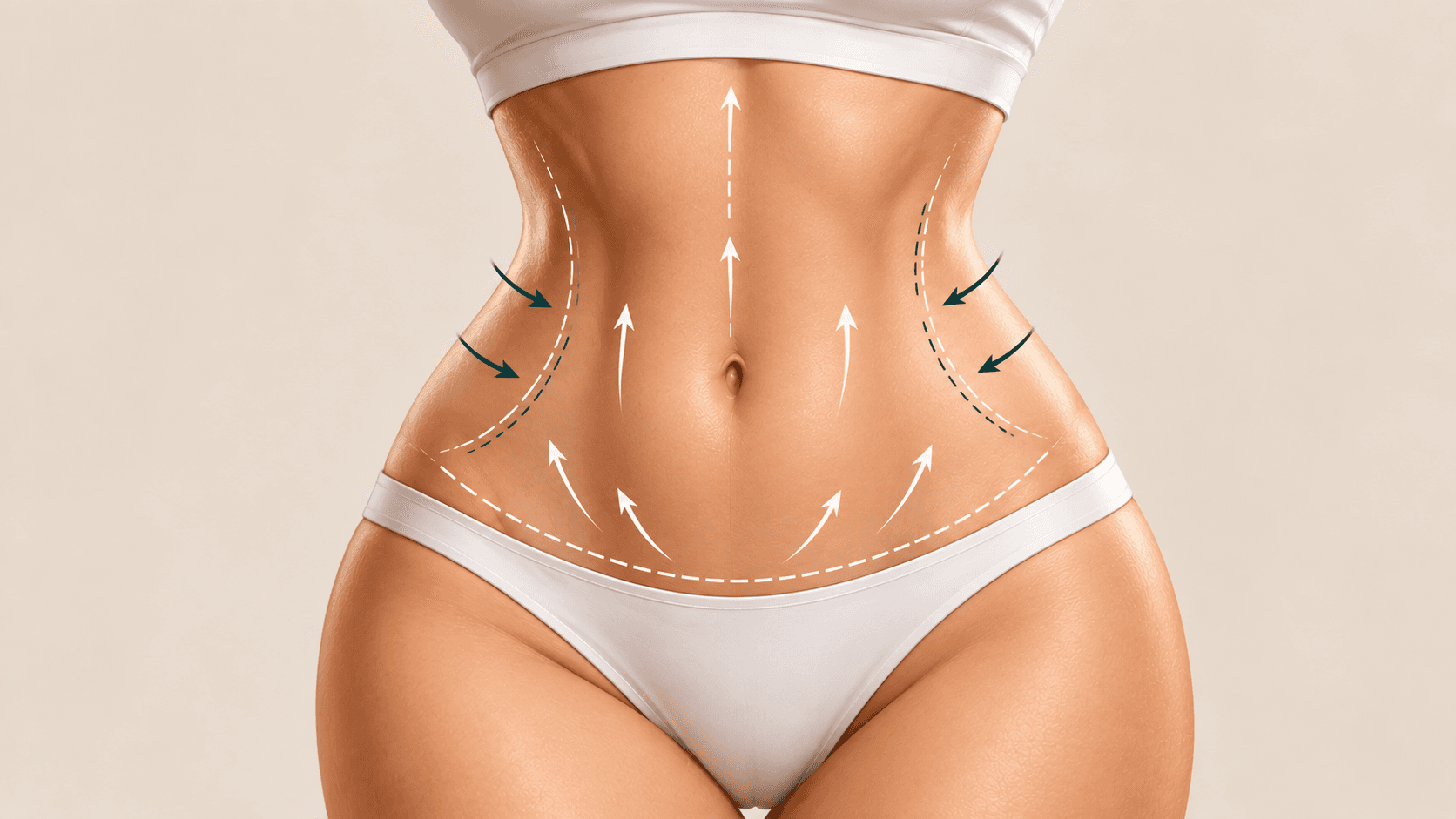
If you are planning an abdominoplasty abroad, the journey home is part of your treatment plan, not an afterthought. Many patients search for advice on flying after tummy tuck surgery because they want to know how long to stay, what the flight might feel like and who will look after them once they are back. This guide covers the general points to think about. Your own timing and precautions should always come from your treating surgeon, because recovery, risks and suitability differ from person to person.
Why timing matters when flying after a tummy tuck
A tummy tuck, or abdominoplasty, is major surgery. The surgeon removes excess skin and fat from the abdomen through an incision on the lower abdomen and often tightens the abdominal muscles. It is usually done under general anaesthesia, and many patients have a short hospital stay.
In the early days, most people feel tired, tight and swollen, and standing fully upright can feel difficult at first. Drains may be in place, and a compression garment is commonly worn. None of this sits easily with long queues, cramped seats and carrying luggage.
There is also a medical reason to plan carefully. Blood clots in the legs or lungs are a known risk after abdominoplasty, and long periods of sitting still, such as on a flight, are widely recognised as something that can raise clot risk. Other possible issues, such as fluid collecting under the skin (seroma), infection or delayed wound healing, are easier to deal with while you are still close to the team that operated on you.
Planning your stay near the clinic
Before you book flights, ask the clinic how long they recommend you stay nearby after surgery. There is no single answer that fits everyone. It depends on things like:
- The type of procedure (full, mini or extended abdominoplasty)
- Whether other procedures, such as liposuction, are combined
- Your overall health and medical history
- Whether drains are used and when they are likely to be removed
- How your wound is healing at your follow-up checks
- The length of your flight and how many connections you have
When you plan your stay, it helps to build in some flexibility. A flexible or changeable return ticket means you are not under pressure to fly if your surgeon would like to see you again before you go.
Think about practical comfort too. Accommodation close to the clinic, ideally with a lift and easy access, makes early walks and follow-up appointments simpler. Most people need help at first, so travelling with a companion who can carry bags, collect medication and keep you company is often worth considering.
Preparing for the flight home
Once your surgeon is happy for you to travel, a little preparation can make the journey more comfortable. Questions worth asking at your final appointment include:
- Do you need any written information about your surgery and medication to carry with you?
- Should you wear your compression garment during the flight?
- Are compression stockings or other measures to reduce clot risk advised for you?
- Is there anything you should avoid, such as lifting your own luggage?
- Which signs should make you seek medical help during or after the journey?
Some practical steps many patients find helpful:
- Book assistance: airports and airlines often offer help for passengers with reduced mobility, which can save you long walks and lifting.
- Choose your seat thoughtfully: an aisle seat makes it easier to get up and walk, and to reach the toilet without climbing over others.
- Pack light: a small bag you can manage, or a companion to carry the heavier items, helps you avoid straining your abdomen.
- Keep essentials within reach: medication, a copy of your medical notes and anything prescribed for the journey should stay in your hand luggage.
Comfort tips for flying after tummy tuck surgery
On the day itself, the aim is to keep your circulation moving and your body as comfortable as possible. Common general advice, which you should check with your surgeon, includes:
- Wear loose, soft clothing over your compression garment
- Drink water regularly and limit alcohol
- Get up and walk the aisle when it is safe to do so
- Move your feet and ankles while seated, flexing and circling them
- Use a small pillow or folded jumper as a cushion between the seatbelt and your abdomen
- Allow plenty of time at the airport so you are not rushing
Feeling tired and a little sore after travelling is common. Plan a quiet first day or two at home, with someone available to help.
Follow-up care once you are home
Recovery continues long after you leave the clinic. Over the following weeks, many people gradually return to light daily tasks and, for some, desk work, while heavy lifting and strenuous exercise are usually avoided. Over many months, swelling continues to settle and the scar slowly fades and flattens.
Because of this, it is important to know before surgery how follow-up will work once you are home. Ask the clinic:
- How will they check on you after you leave (for example, by video call or photos)?
- Who should you contact if you have a concern, and how quickly will they respond?
- Will stitches or drains need removing at home, and who will do it?
- How are complications handled if they appear after you return?
- Should you let your local doctor know about your surgery?
Many patients find it reassuring to tell their family doctor about the surgery before they travel, and to bring home a written summary of the procedure and any medication. This helps local professionals if you need care later.
When to talk to a doctor
Some symptoms need prompt medical attention, whether you are still abroad, on the journey or back home. Contact your surgeon or seek urgent local care if you notice:
- Pain, swelling, warmth or redness in one leg, especially the calf
- Shortness of breath, chest pain or coughing up blood
- Fever, or increasing redness, heat or discharge around the wound
- A sudden increase in swelling, pain or a fluid-filled bulge on the abdomen
- Wound edges opening or unusual bleeding
Breathing problems or chest pain can signal a blood clot in the lungs and need emergency care straight away. For anything else you are unsure about, it is always better to ask than to wait.
Compare verified clinics for your tummy tuck
Planning a tummy tuck abroad goes more smoothly when you know from the start how long to stay, how the journey home will work and how the clinic supports you afterwards. You can learn more about the procedure and compare verified clinics offering abdominoplasty, then send one free request. Clinics will contact you, so you can ask about recommended stay length, travel advice and follow-up care before deciding what is right for you.