
Gastric Sleeve Diet Stages: What to Eat From Liquids to Regular Meals
A clear, patient-friendly guide to the gastric sleeve diet stages, from first sips of clear liquids to puréed, soft and finally regular, smaller meals, plus tips for each step and when to contact your care team.
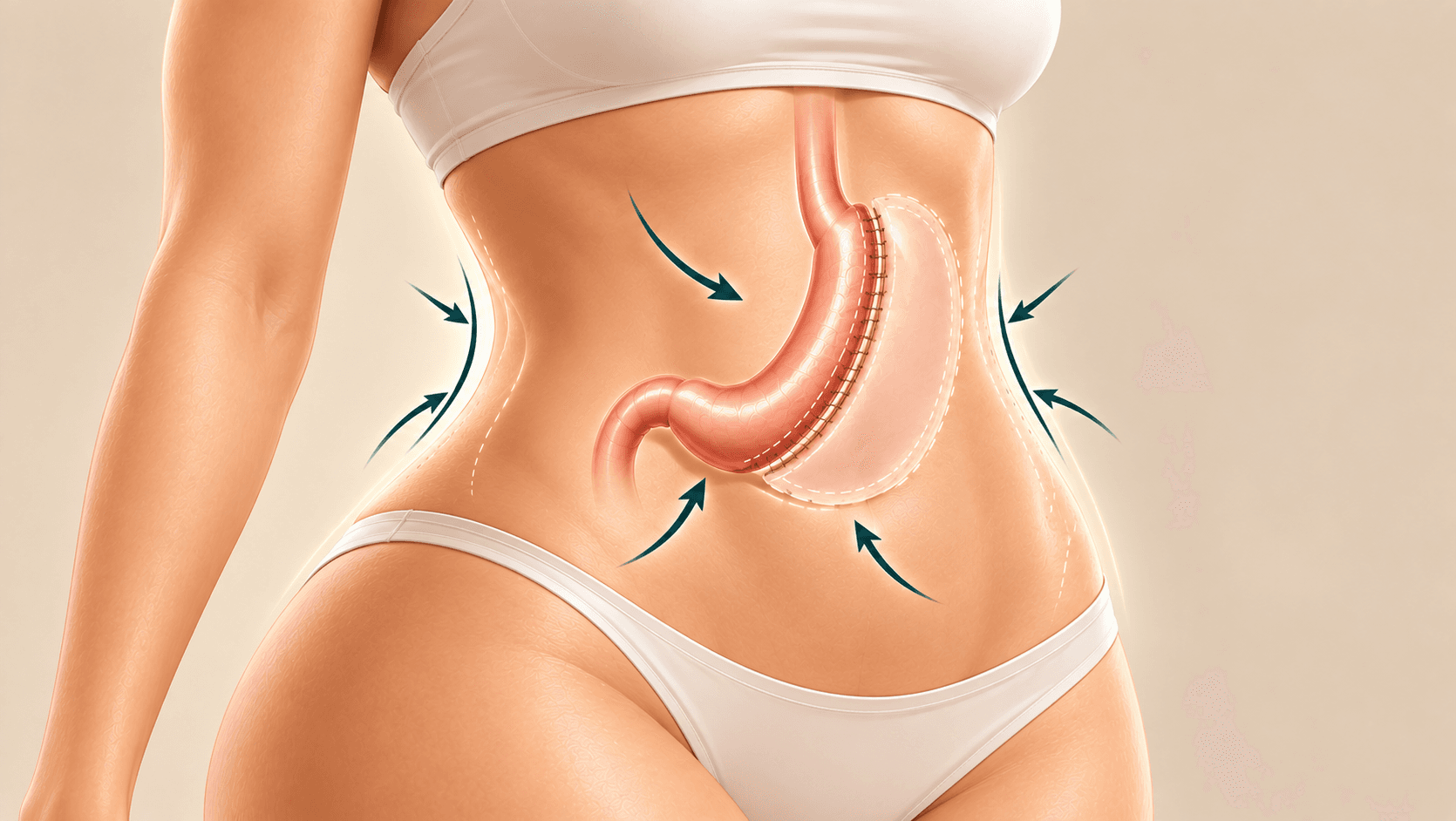
If you are preparing for a gastric sleeve, or you have just had one, you may be wondering what you will actually be able to eat in the weeks ahead. Understanding the gastric sleeve diet stages can make recovery feel less daunting. After surgery your stomach is smaller and needs time to heal, so food is reintroduced step by step: first liquids, then puréed and soft foods, and finally regular, smaller meals.
This guide explains each stage in general terms. Your own plan will come from your surgeon and dietitian, and how quickly you move through the stages depends on your healing, your health and your clinic's approach. Always follow the instructions you are given, even if they differ from what you read here.
Why the gastric sleeve diet happens in stages
During a gastric sleeve, a large part of the stomach is removed and the rest is closed with staples, leaving a narrow, tube-shaped stomach. That staple line needs time to heal, and the new stomach holds much less than before.
A staged diet helps to:
- Protect the healing stomach from pressure and stretching
- Lower the chance of nausea, vomiting and discomfort
- Keep you hydrated while you can only take small amounts
- Make sure you get enough protein to support healing
- Help you build new, lasting eating habits from the start
Moving on too fast can cause pain or more serious problems, so patience really pays off here.
Stage 1: Clear liquids
The first stage usually starts in hospital, shortly after surgery, once your care team is happy for you to drink. The aim is simply to stay hydrated and let your stomach get used to small amounts.
Clear liquids often include:
- Water
- Clear, low-fat broth
- Sugar-free, non-fizzy drinks
- Sugar-free jelly, if your team allows it
- Diluted, unsweetened herbal tea
Take small, slow sips rather than large gulps. Many patients find it helpful to keep a drink nearby and sip regularly through the day. Fizzy drinks, caffeine and sugary drinks are usually avoided in this early period, but check what your clinic recommends.
Stage 2: Full liquids
When clear liquids are well tolerated, your team may move you on to full liquids. These are thicker and more nourishing, and they are an important way to get protein in while solid food is still off the menu.
Examples of full liquids may include:
- Protein shakes recommended by your dietitian
- Low-fat milk or unsweetened plant-based milk
- Thin, smooth, low-fat soups without lumps
- Thin, low-sugar yoghurt drinks
Your dietitian will likely give you a daily protein and fluid goal. Spreading small amounts across the day usually works better than trying to drink a lot at once.
Stage 3: Puréed foods
The next of the gastric sleeve diet stages is puréed food. Everything should have a smooth, paste-like texture with no lumps, similar to baby food or hummus.
Foods that can often be puréed include:
- Lean meat, chicken or fish blended with a little broth
- Eggs, scrambled softly and mashed
- Cottage cheese or smooth low-fat yoghurt
- Lentils and beans, blended well
- Soft cooked vegetables, blended
- Soft fruit such as banana, mashed
A simple rule many patients use is "protein first": eat the protein part of your meal before anything else. Portions are very small at this stage, and you should stop as soon as you feel full. Eating slowly gives your body time to send fullness signals.
Stage 4: Soft foods
After puréed foods, you will usually move on to soft foods that can be mashed easily with a fork. This stage helps you practise chewing well and recognising when you have had enough.
Soft foods might include:
- Flaked fish
- Minced or finely chopped tender chicken
- Soft omelettes or poached eggs
- Tofu
- Well-cooked, soft vegetables
- Soft, peeled fruit
Foods that are dry, tough, stringy or doughy are often harder to tolerate early on. Examples include bread, rice, pasta, tough meat and raw, fibrous vegetables. Your team will guide you on when and how to try them.
Stage 5: Regular, smaller meals
The final stage is a return to regular textures, but in much smaller portions than before surgery. This is the eating pattern you will build on for the long term.
Helpful habits for life after a gastric sleeve include:
- Small, protein-rich meals at regular times
- Eating slowly and putting your fork down between bites
- Chewing very well before swallowing
- Drinking between meals, not with them, so your stomach is not filled with fluid
- Limiting sugary, fatty and fizzy foods and drinks
- Taking your vitamin and mineral supplements as prescribed
Most people need supplements for life, and regular blood tests help catch deficiencies early. New foods can be introduced one at a time, so you can notice anything that doesn't agree with you.
Practical tips for every stage of the gastric sleeve diet
Whatever stage you are in, a few general habits can make things easier:
- Use small plates, bowls and spoons to help with portion control
- Plan and prepare meals ahead, especially in the early weeks
- Keep a simple food and fluid diary to share with your dietitian
- Listen to your body and stop at the first sign of fullness
- Expect some ups and downs; tolerance can change from day to day
If you are travelling abroad for surgery, ask the clinic how your diet plan will continue once you are home, and who you can contact with questions during each stage.
When to talk to your doctor
Recovery is different for everyone, and your surgeon and dietitian are the right people to advise you. Contact your care team promptly if you notice:
- Fever, or severe or worsening abdominal pain
- Difficulty breathing or chest pain
- Repeated vomiting, or being unable to keep fluids down
- Signs of dehydration, such as very dark urine or dizziness
- Trouble swallowing, or food feeling stuck
- New or worsening heartburn
Also talk to your team if you are struggling to reach your protein or fluid goals, feel low in mood, or are unsure whether you are ready for the next stage. Seek urgent medical help if symptoms feel severe.
Compare verified clinics for your gastric sleeve
A good clinic will explain the gastric sleeve diet stages clearly and support you through each one, both before and after you travel home. If you are exploring your options, you can read more about the procedure and compare verified gastric sleeve clinics, then send one free request. Clinics will contact you, so you can ask about aftercare, dietitian support and follow-up in your own time.