
Gastric sleeve risks and side effects: warning signs and questions to ask your surgeon
Learn the main gastric sleeve risks and side effects, which warning signs need a doctor quickly, and which questions to ask your surgeon before surgery.
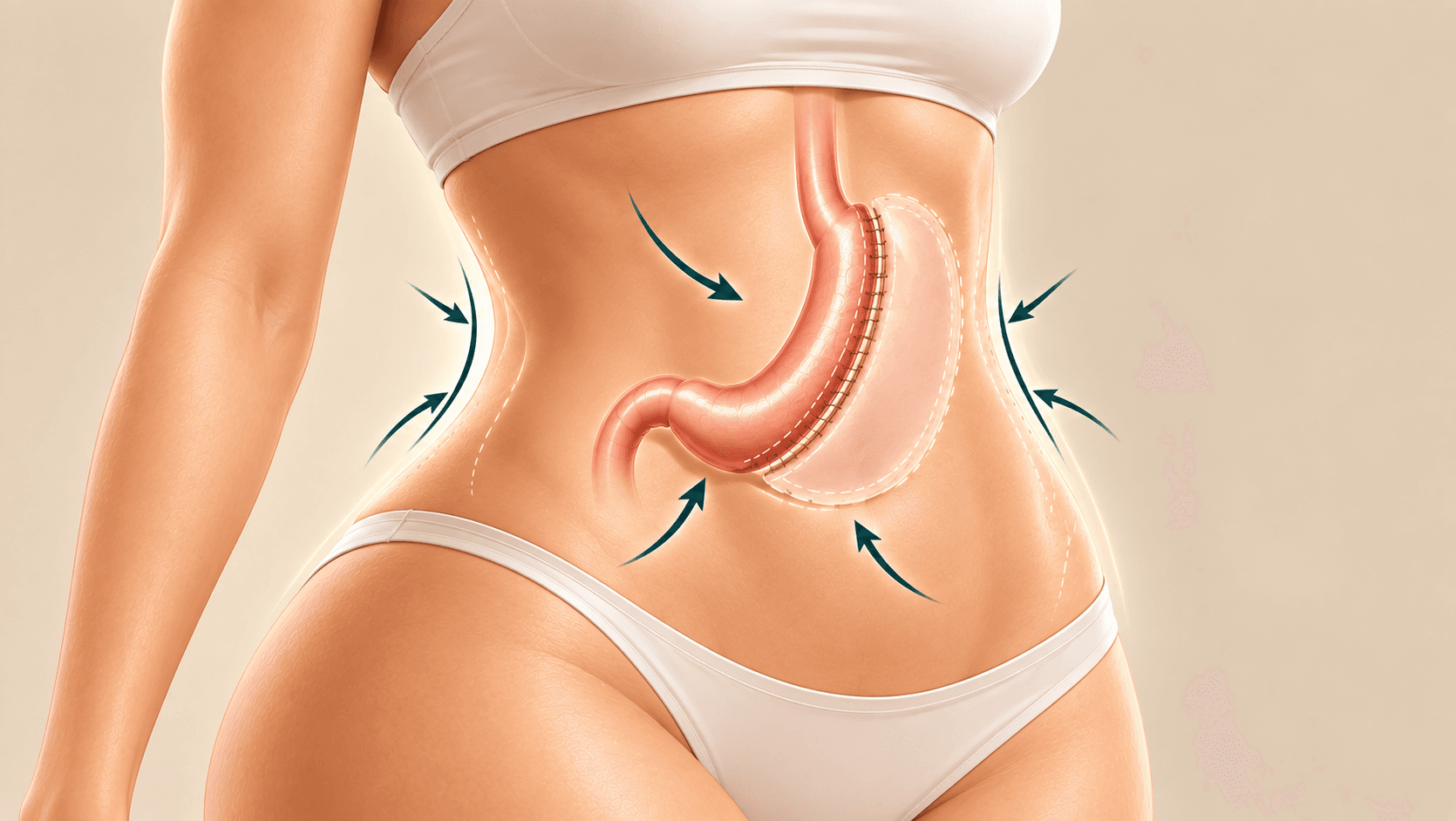
Deciding on weight-loss surgery is a big step, and understanding gastric sleeve risks is part of making an informed choice. A gastric sleeve, also called sleeve gastrectomy, removes a large part of the stomach. What remains is a smaller, tube-shaped stomach. For many people with severe obesity, it can help with weight loss when combined with lasting changes to diet and lifestyle. Like any major operation, though, it can cause complications and side effects.
This guide explains the main risks in plain language, the warning signs to watch for after surgery and the questions worth asking your surgeon. It is general information only. How these risks apply to you depends on your health, your medical history and the care you receive, so always discuss them with your treating doctor.
Why understanding gastric sleeve risks matters
A gastric sleeve is usually done by keyhole (laparoscopic) surgery under general anaesthesia. The removed part of the stomach is taken out permanently, so the operation cannot be reversed. That makes it especially important to go in with realistic expectations.
Knowing the possible risks helps you:
- Prepare properly before surgery
- Spot problems early during recovery
- Understand why the aftercare advice matters, which makes it easier to follow
- Have more useful conversations with your surgical team
Short-term risks after surgery
Some risks come from the operation itself and the days and weeks that follow. These include:
- Bleeding: bleeding can happen inside the abdomen or along the staple line.
- Infection: this can affect the small wounds or the inside of the abdomen.
- Blood clots: clots can form in the legs and, rarely, travel to the lungs. Gentle walking soon after surgery, as your team advises, helps lower this risk.
- Staple-line leak: a leak from where the stomach has been stapled is a serious complication that needs urgent treatment.
- Reactions to anaesthesia: your anaesthetist checks your health beforehand to reduce this risk.
Sometimes the surgeon needs to switch from keyhole to open surgery during the operation. It is reasonable to ask how they decide this and what it would mean for your recovery.
Longer-term side effects of a gastric sleeve
Other side effects can appear months or years later. Knowing about them helps you notice them early and get support.
- Acid reflux (heartburn): some people get reflux for the first time, and others find their existing reflux gets worse. This is one reason severe reflux can make a sleeve less suitable.
- Narrowing of the sleeve: parts of the new stomach can become narrower, which may cause trouble swallowing, vomiting or discomfort when eating.
- Nutritional deficiencies: eating smaller amounts means you may not get enough vitamins and minerals. Most people need supplements for life and regular blood tests.
- Loose skin: excess skin can remain after major weight loss.
- Weight regain: some weight may come back over time, especially if old eating habits slowly return.
During recovery, many people also feel full very quickly, feel tired while they are eating very little and need time to get used to new eating patterns. A dietitian can help you manage these changes.
Warning signs: when to talk to a doctor
Some symptoms after a gastric sleeve need medical attention quickly. Do not wait for your next appointment if you notice:
- Fever or chills
- Severe or worsening pain in your abdomen, chest or shoulder
- Difficulty breathing or shortness of breath
- A fast heartbeat
- Nausea or vomiting that does not stop, or being unable to keep fluids down
- Pain, swelling or warmth in one leg
- Redness, swelling or discharge from a wound
- Signs of dehydration, such as very dark urine, dizziness or passing very little urine
If your symptoms feel severe, get emergency care straight away. If you have surgery abroad, find out who to contact before you travel home. Keep your surgical records with you so a local doctor can see what was done.
Also tell your doctor or care team about problems that are less urgent but keep coming back. Examples include frequent heartburn, trouble swallowing certain foods, thinning hair, unusual tiredness or low mood. Changes to your diet, medication or extra support can often help.
How you can help lower gastric sleeve risks
No one can remove all risk, but doctors commonly recommend these steps:
- Share your full medical history, including your medications and any past operations
- Follow the low-calorie diet before surgery if your clinic asks you to. It can make the liver smaller and the surgery safer
- If you smoke, stop as your doctor advises
- Move gently after surgery as your team recommends
- Follow the staged diet: liquids first, then puréed and soft foods, then small regular meals
- Eat slowly, chew well and drink between meals rather than with them
- Take your vitamin and mineral supplements and go to your blood tests
- Keep your follow-up appointments with your surgeon and dietitian, and with a psychologist if one is offered
Questions to ask your surgeon about gastric sleeve risks
After a good consultation, you should understand how the risks apply to you personally. You could ask:
- Am I suitable for a sleeve, or would another procedure, such as a gastric bypass, suit me better?
- Which risks matter most for someone with my health and medical history?
- How do you check for a staple-line leak, and how is it treated?
- How do you approach surgery if I already have acid reflux?
- How much experience do you have with sleeve gastrectomy, and how are complications handled?
- Does the hospital have intensive care if it is needed?
- How long will I stay in hospital, and when is it safe to travel home?
- What aftercare and remote follow-up do you offer once I am home?
- Who do I contact if I notice warning signs after I get back?
- Which supplements will I need, and how often should I have blood tests?
- How would extra treatment for complications be handled, and is it included in the quote?
Write down the answers, and ask again if something is unclear. A surgeon who explains things clearly and without rushing you is communicating openly, which is a good sign.
Compare clinics with confidence
Learning about the risks is not meant to put you off. It is meant to help you make a decision that feels right for you. Recovery, side effects and suitability differ from person to person, so always make the final decision with a qualified surgeon after a full assessment.
If you are looking at your options, you can read more about the procedure and compare verified clinics on our gastric sleeve treatment page. Send one free request and clinics will contact you. You can then ask your questions and compare their answers at your own pace.