
So, is BBL safe? Risks, Fat Placement and Questions to Ask a Clinic Abroad
Thinking about a Brazilian butt lift abroad? Learn the main risks, why the depth of fat placement matters so much, and which questions to ask a clinic before you decide.
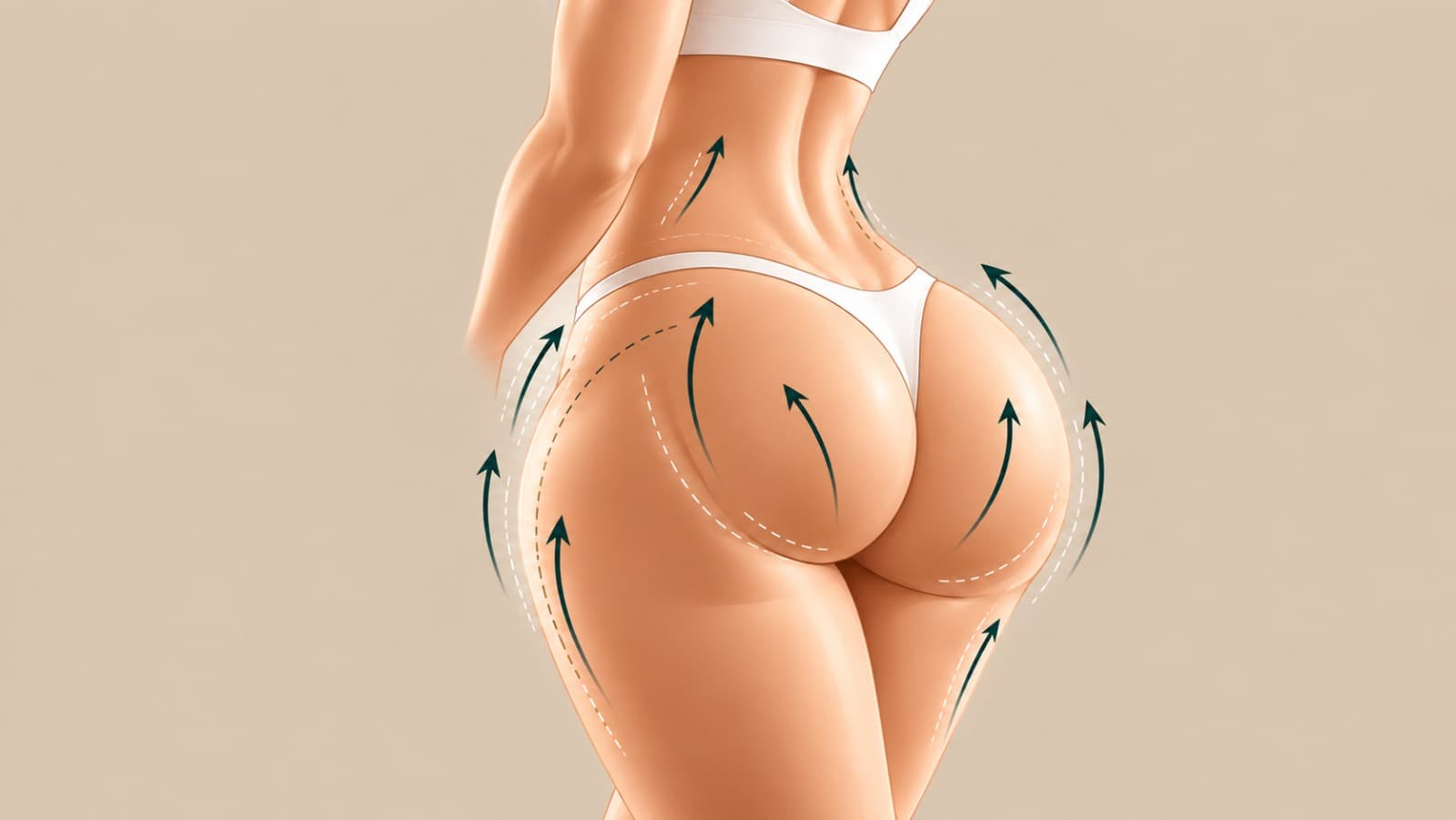
If you're thinking about a Brazilian butt lift, one of your first questions is probably a simple one: is BBL safe? The honest answer is that a BBL is real surgery with real risks, and some of them are serious. How the operation is planned and carried out still makes a real difference, though. Where the fat is placed, the surgeon's training, the facility and your own health all affect your level of risk.
This guide explains what a BBL involves, the main risks, why the depth of fat injection matters so much and what to ask a clinic abroad. It's general information, not medical advice. Whether you're suitable, what your risks are and how you'll recover all depend on you, so talk these through with the surgeon who would treat you.
What a Brazilian butt lift involves
A BBL is a cosmetic operation that reshapes the buttocks using your own fat instead of implants. It's usually done in a single operation with two main stages:
- Liposuction: fat is removed through small incisions from areas such as the abdomen, flanks or thighs. This can also shape the waist and back.
- Fat preparation: the collected fat is processed to separate healthy fat cells from fluid and blood.
- Fat transfer: the prepared fat is injected in small amounts into the buttocks to add volume and improve their shape.
It's usually done under general anaesthesia, though sometimes sedation with local anaesthesia is used. Depending on the clinic and your health, you might go home the same day or stay for a short time. Not all of the transferred fat survives, because your body naturally reabsorbs some of it. Surgeons take this into account when planning.
Is BBL safe? Understanding the main risks
Every surgery carries risk, and a BBL is no exception. A good surgeon will explain the risks openly and tell you how they apply to you. Possible risks include:
- Fat embolism: a rare but potentially life-threatening complication that happens when fat enters the bloodstream
- Blood clots: more likely when you're not moving much and on long flights
- Infection, bleeding or seroma: a seroma is a build-up of fluid under the skin
- Uneven results: lumps, asymmetry or irregular contours
- Fat necrosis: some of the transferred fat dies and forms firm areas
- Changes in skin sensation in the treated areas
- Anaesthesia-related risks
Choosing a qualified plastic surgeon who uses current safety techniques, and following your aftercare instructions carefully, helps lower these risks. Nothing can remove them completely, and an honest clinic won't claim otherwise.
Why fat placement matters for BBL safety
The depth of fat placement is one of the most important safety topics in BBL surgery. Current safety guidance says fat should only be placed in the layer just under the skin (the subcutaneous layer). It should not go into or below the gluteal muscle.
The reason is that injecting deeper has been linked to rare but serious complications, including fat embolism. Large blood vessels run in and beneath the buttock muscles, and fat placed close to them can get into the bloodstream.
To help keep the cannula in the right layer, many surgeons now use ultrasound guidance during the fat transfer. This lets the surgeon see where the fat is going as they work. When you compare clinics, it's reasonable to ask directly where the fat is placed and how the surgeon makes sure it stays in the correct layer. A clear, confident answer is a good sign.
Who may be a suitable candidate
Suitable candidates are generally healthy adults who have enough spare fat for liposuction and realistic expectations. Only a surgeon can decide whether a BBL suits you, after a consultation and medical assessment. Things they usually look at include:
- A stable weight and enough fat in the donor areas
- Your overall health, including any heart, lung or blood clotting conditions
- Smoking or nicotine use, which can affect healing
- Medicines and supplements that may increase bleeding
- Your goals, and whether a BBL can reasonably achieve them
If you're very slim, a surgeon may suggest another approach, such as buttock implants, or advise against surgery. That isn't a rejection. It's part of a careful, safety-first assessment.
Travelling abroad for a BBL: safety and recovery
Recovery happens in stages, and protecting the new fat in the first few weeks matters a lot. Common parts of recovery include:
- Swelling, bruising and soreness, especially where liposuction was done
- Not sitting or lying directly on your buttocks for a period your surgeon sets, often with the help of a special cushion
- Wearing a compression garment
- Taking short walks early on to help your circulation
- Avoiding strenuous exercise until your surgeon says it's OK
Swelling usually goes down gradually, and your final shape can take several months to show. Travel needs extra planning. Long journeys mean sitting for hours, which affects both the transferred fat and your risk of blood clots. Ask the clinic how long you should stay nearby before flying home, and how follow-up care works once you're back.
Questions to ask a clinic abroad
Comparing clinics carefully matters more than deciding quickly. These questions can help:
- Is the surgeon a certified plastic surgeon, and how often do they perform BBLs?
- Is fat placed only in the subcutaneous layer, and do they use ultrasound guidance?
- Will the operation take place in an accredited hospital or surgical facility?
- What type of anaesthesia will be used, and who gives it?
- Who looks after you after surgery, both locally and once you're home?
- What's included in the written quote, and what might cost extra?
- How are complications or revisions handled, and who pays for them?
- Will you have a consultation, in person or by video, before booking?
Bring your medical history to the consultation, including any medicines and supplements you take. A trustworthy clinic will answer your questions clearly, give you time to think and never pressure you.
When to talk to a doctor
Talk to your own doctor before you decide on a BBL, especially if you have a long-term health condition, a history of blood clots, or you take blood-thinning medicines or supplements. They can help you understand how your health might affect your risk.
After surgery, contact your surgeon or get urgent medical help straight away if you have sudden shortness of breath, chest pain, a fast heartbeat, confusion, or pain, swelling or redness in one leg. Also get in touch quickly if you have a fever, spreading redness, pain that keeps getting worse or unusual discharge from a wound. Always follow your surgeon's personal aftercare instructions, because recovery is different for everyone.
Compare clinics carefully
There's no single answer to "is BBL safe?" that fits everyone. A careful assessment, a qualified surgeon, safe fat placement and good aftercare all affect your level of risk. If you'd like to look at your options calmly, you can read more about the Brazilian butt lift procedure and compare verified clinics. You only need to send one free request, and clinics will contact you so you can ask your questions before deciding anything.