
Neck Lift Recovery: What to Expect Week by Week
Planning a neck lift? Here is a calm, practical guide to neck lift recovery: from the first days of swelling and tightness to slowly getting back to daily life, and the months it can take for your new neck contour to settle.
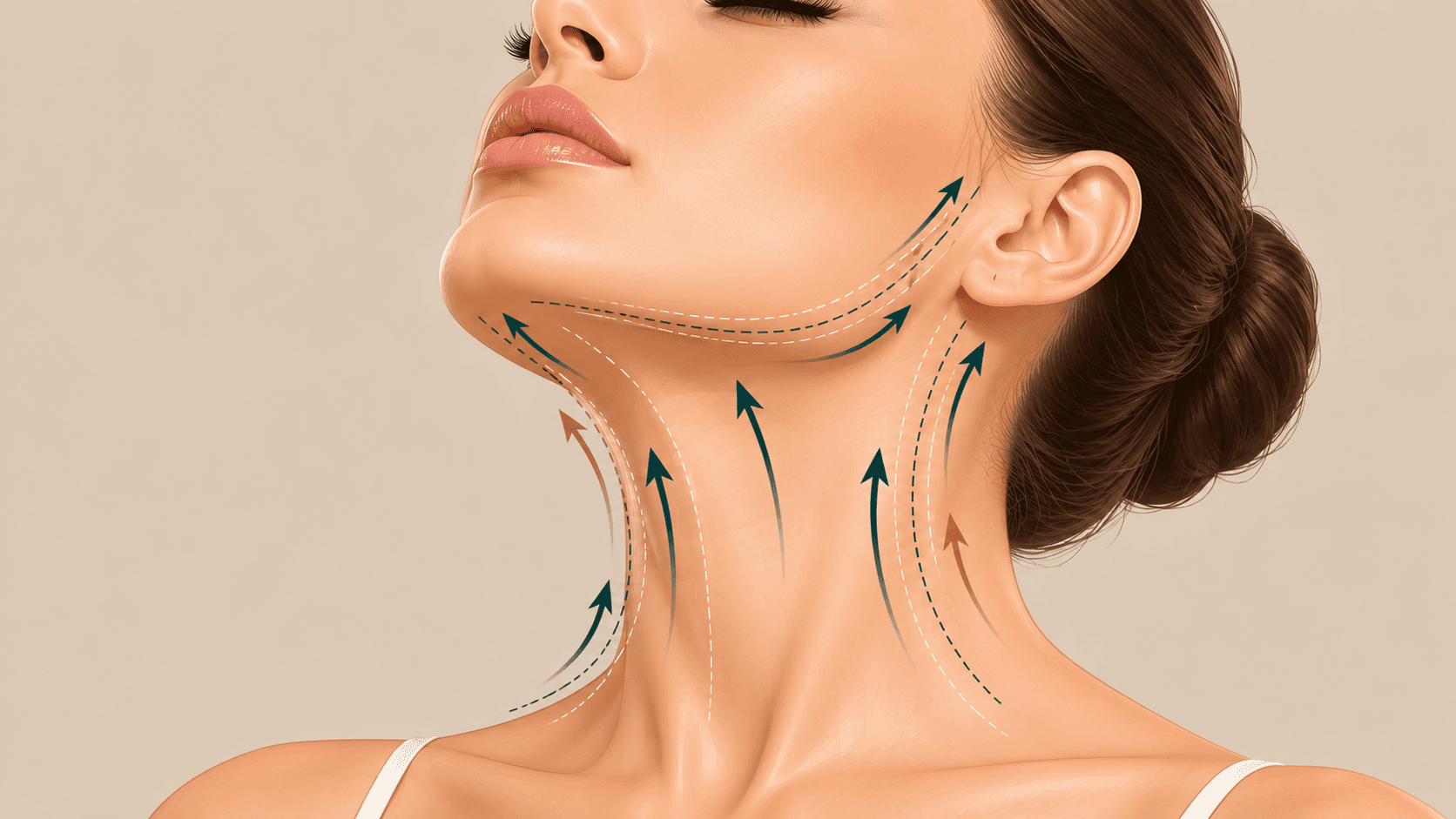
If you are thinking about a neck lift, you probably want to know what the weeks after surgery will feel like. Neck lift recovery usually starts with swelling, bruising and a feeling of tightness, which then ease little by little as you get back to your normal routine. Final results can take several months to settle.
This guide goes through the typical stages of healing so you can plan ahead with confidence. Keep in mind that everyone heals differently. Your own recovery depends on the technique used, whether the neck lift is combined with other procedures, your general health and how closely you follow your aftercare. Your treating surgeon is the right person to give you a personal timeline.
The first days after a neck lift
A neck lift is often done as day surgery or with a short hospital stay, depending on how extensive it is. Whether you go home the same day or stay in for a while, the first days are about rest and protecting the area.
What you may notice in this early phase:
- Swelling and bruising around the neck, jawline and sometimes behind the ears
- Tightness in the neck, especially if the muscles have been tightened (platysmaplasty)
- Numbness or tingling of the skin around the incisions
- Mild discomfort when turning or bending your head
How to look after yourself:
- Rest with your head raised, for example on a few pillows, as your surgeon advises
- Wear your compression garment or dressing exactly as instructed
- Take only the medication prescribed or approved by your clinic
- Keep the incision areas clean and dry according to your aftercare instructions
- Avoid turning your head sharply or bending forward
If a small drain was placed to prevent fluid building up, your clinic will tell you how to care for it and when it will be removed. Having someone with you for the first day or two can make things much easier.
Week one and two: swelling, bruising and stitches
During the first couple of weeks, many people find that swelling and bruising slowly start to fade. Your neck may still look puffy or uneven, and that is a normal part of healing. It does not tell you what the final result will be.
In this phase:
- Stitches are usually removed at a follow-up visit, or they dissolve on their own
- Feelings of tightness and numbness often become less noticeable, though they can last longer
- Many people feel ready for light activities around the house and short, gentle walks
- Some return to desk work or working from home, if their surgeon agrees
Gentle walking is often encouraged because it helps circulation, but strenuous exercise is not. Keep following your aftercare instructions, even when you start to feel better. Scarves, high collars and loose clothing that does not need pulling over the head can help you feel more comfortable while bruising is still visible.
The following weeks: getting back to normal activities
As the weeks go on, neck lift recovery usually moves into a phase where you feel more like yourself. Most of the visible bruising has often gone by now, though some swelling, firmness or numbness may stay for a while.
Activities that are generally introduced step by step, and only with your surgeon's approval:
- Strenuous exercise such as running, gym workouts or swimming
- Heavy lifting and carrying
- Bending forward or activities that put strain on the neck
- Wearing tight collars or necklaces that press on healing incisions
Your surgeon may ask you to keep wearing a compression garment for part of the day or at night for a while. Look after your scars by protecting them from direct sun and following any scar care advice your clinic gives you.
The months after: how neck lift results settle
Healing does not stop once you are back to your normal routine. Over several months, the remaining swelling goes down, the tissues soften and the new contour of your neck and jawline becomes clearer.
During this longer phase you may notice:
- Gradual improvement in neck and jawline definition
- Scars slowly fading and flattening, usually hidden under the chin and around the ears
- Sensation slowly coming back in areas that felt numb
- Occasional firm areas under the skin that soften over time
It is natural to look closely in the mirror and judge your result too early. Try to be patient, and bring any concerns to your follow-up appointments. Your surgeon can tell you whether what you see is a normal part of healing.
Recovering after a neck lift abroad
If you travel abroad for your neck lift, planning your recovery carefully matters just as much as choosing the right clinic. Plan enough time to stay near the clinic for follow-up checks before you fly home, and ask your surgeon when it is safe for you to travel.
Useful questions to ask before you book:
- How long should I stay near the clinic after surgery?
- Which check-ups are included, and when will they take place?
- Who removes my stitches or drain, and when?
- How will aftercare be organised once I am back home?
- How can I contact the clinic if I have questions after I return?
It also helps to talk to your local doctor before you travel, so they know about your plans and can support you if needed.
When to talk to your doctor
Some discomfort, swelling and numbness are expected, but certain signs need attention quickly. Contact your clinic straight away if you notice:
- Sudden or one-sided swelling, especially if it gets worse quickly
- Pain that keeps increasing instead of slowly improving
- Fever, redness, warmth or discharge around the incisions
- Difficulty breathing or swallowing
- New weakness in facial movement or changes in your smile
If you have trouble breathing, seek emergency help straight away. For anything you are unsure about, it is always better to ask your treating doctor than to wait. Risks, recovery and suitability are different for every person and should be discussed with your surgeon before and after the procedure.
Comparing clinics for your neck lift
A smooth recovery starts with clear information and a clinic that takes aftercare seriously. If you are exploring your options, you can read more about the procedure and compare verified clinics on our neck lift treatment page. Send one free request, and clinics will contact you so you can ask about their approach, aftercare and follow-up, and decide in your own time.