
What patients should know about neck lift risks and side effects before surgery
Thinking about a neck lift? Learn which side effects are common and usually temporary, which complications are less common, what can raise your risk and when to contact your doctor.
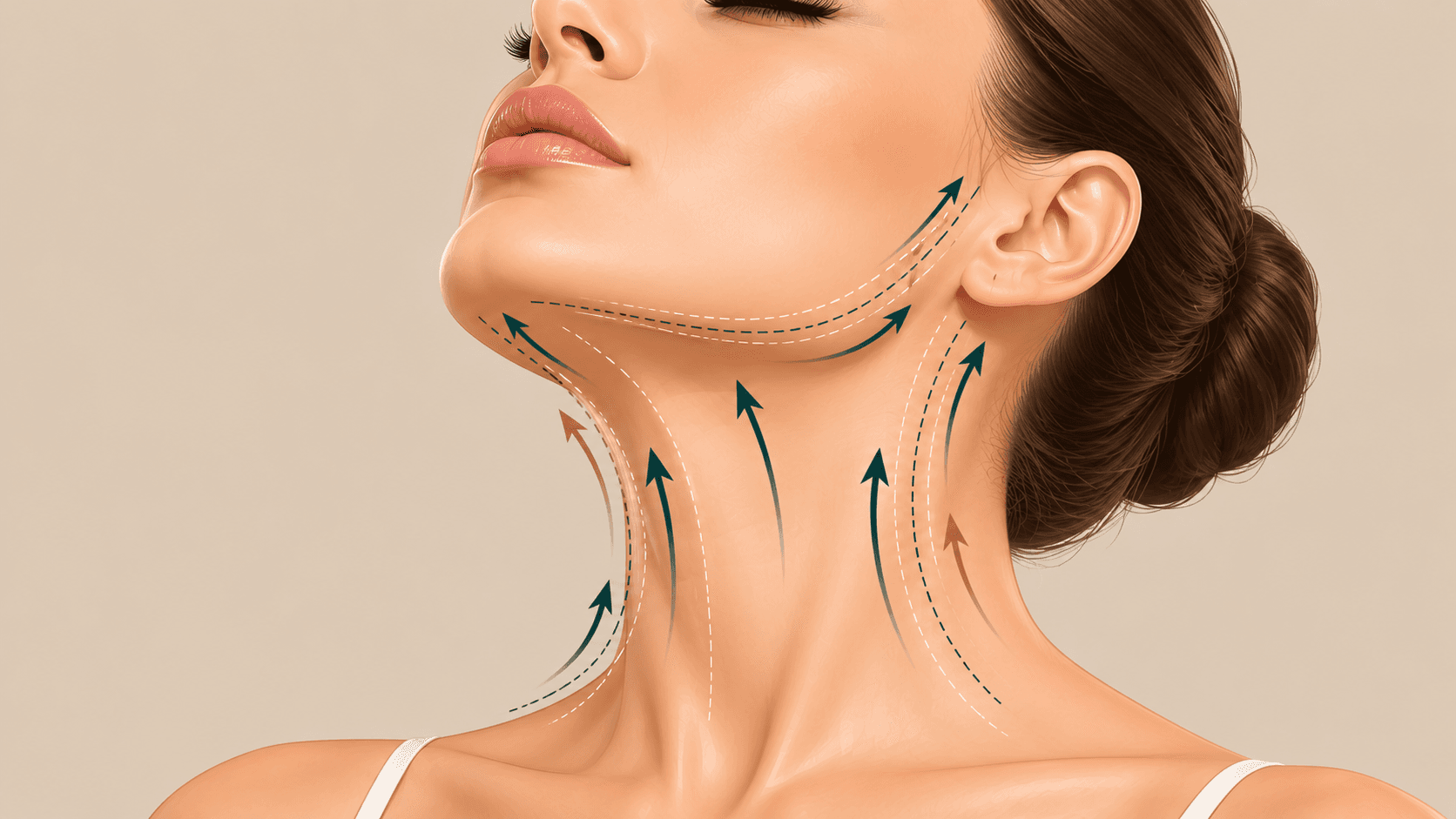
A neck lift can tighten loose skin and muscles and reduce excess fat for a smoother neck and jawline. It is still surgery, though, and knowing the neck lift risks before you decide is an important part of making a calm, informed choice. This guide explains which side effects are common, which complications are less common, what can affect your personal risk and when to contact a doctor.
Everyone heals differently. Your suitability, risks and recovery have to be discussed with your treating surgeon, who can assess your health, anatomy and goals.
Why every neck lift carries some risk
A neck lift is also called lower rhytidectomy or platysmaplasty. The surgeon makes small incisions, usually under the chin and/or around and behind the ears. They may then remove or reposition fat, tighten the platysma muscles and trim excess skin. It is usually done under general anaesthesia or local anaesthesia with sedation.
Any procedure involving incisions, anaesthesia and healing tissue has some risk, even with an experienced surgeon. That does not mean problems are expected. It means you should understand what can happen, how likely it is for you specifically, and how your clinic would respond if something did not go to plan.
Common, usually temporary side effects
Most people notice some of these effects in the early phase of recovery. They usually ease gradually over the following weeks:
- Swelling and bruising around the neck, jawline and sometimes the ears
- Tenderness and discomfort, particularly when turning the head
- A feeling of tightness in the neck as tissues settle
- Numbness or altered sensation in the skin of the neck and around the ears
- Mild changes in contour while swelling goes down, which can make the result look uneven at first
Final results settle over several months, so it is normal for the neck to look and feel different during that time. Your surgeon can tell you which changes are expected and how long they might last in your case.
Less common neck lift risks and complications
Less often, a neck lift can lead to complications that need medical attention or further treatment. Ask your surgeon to explain each of these clearly:
- Haematoma: bleeding or a collection of blood under the skin, which may need to be treated promptly
- Infection: usually shows as increasing redness, warmth, pain or discharge from a wound
- Delayed wound healing: some areas may take longer to close or heal
- Visible or thickened scars: incisions are placed in natural creases where possible, but scars vary from person to person
- Nerve injury: temporary or, rarely, lasting changes affecting sensation or muscle movement
- Uneven contours or asymmetry: one side may look different from the other
- Reactions to anaesthesia: your anaesthetist will review your medical history to help reduce this risk
Sometimes a small drain is placed after surgery to reduce fluid build-up. Your surgeon may also recommend a compression garment. Following their advice on both can support healing.
Factors that can increase neck lift risks
Your personal risk depends on many things, and the surgeon will consider them during your consultation. Factors that can raise risks include:
- Smoking and nicotine use, which can affect blood flow and wound healing
- Certain health conditions, which your surgeon will ask about in detail
- Some medications and supplements, especially those that can affect bleeding
- Unstable weight, as significant changes can affect the result
- The extent of surgery, including whether the neck lift is combined with a facelift, eyelid surgery or a chin procedure
Be open and complete when you share your medical history. Mention every medication, supplement and previous procedure, even if it seems unimportant. In some cases, the surgeon may suggest a different option, such as liposuction alone, non-surgical treatments or a combined face and neck lift.
How to help lower the risks
No one can remove risk completely, but some steps can help lower it:
- Stop smoking before and after surgery, for as long as your surgeon advises
- Follow all instructions about medication, eating and drinking before anaesthesia
- Rest with your head elevated in the first days, as advised
- Wear any compression garment exactly as instructed
- Avoid strenuous exercise, heavy lifting and bending until your surgeon approves
- Keep the incisions clean and follow wound care advice
- Attend every follow-up appointment, even if you feel well
Having realistic expectations also matters. A neck lift aims for a smoother, more natural-looking contour, but it cannot stop ageing or guarantee a particular look.
Extra points if you travel abroad
Many patients have a neck lift in another country. If you do, think about how you would handle any complication:
- Plan enough time to stay near the clinic for follow-up checks before flying home
- Ask your surgeon when it is reasonable for you to travel after surgery
- Find out how aftercare is organised once you return home, and who you can contact
- Ask whether follow-up visits and treatment of complications are included in the quote
- Bring copies of your medical reports and discharge notes for your local doctor
Clear, honest communication before you book can make recovery feel much less stressful.
When to talk to a doctor
Before surgery, talk to your surgeon about any health condition, medication or concern. Ask which risks apply to you and what the clinic does if a complication occurs.
After surgery, contact your clinic straight away if you notice:
- Sudden or one-sided swelling
- Pain that gets worse instead of better
- Fever, or redness and warmth spreading from an incision
- Difficulty breathing or swallowing
- Unusual bleeding or discharge from a wound
If you have trouble breathing or feel seriously unwell, seek emergency medical help right away. For any smaller worry, it is always fine to ask your care team. Their job is to guide you through recovery.
Compare clinics with confidence
Understanding neck lift risks helps you ask better questions and choose a surgeon you trust. Take your time to compare qualified plastic surgeons, what their packages include and how they handle aftercare. You can explore verified clinics and send one free request on our neck lift treatment page. The clinics will then contact you, so you can discuss your situation and decide at your own pace.