
The PRP treatment procedure: what to expect, step by step
Wondering what actually happens during PRP? This step-by-step guide covers a typical session, from the first consultation and blood draw to the injections, aftercare and the questions to ask your doctor.
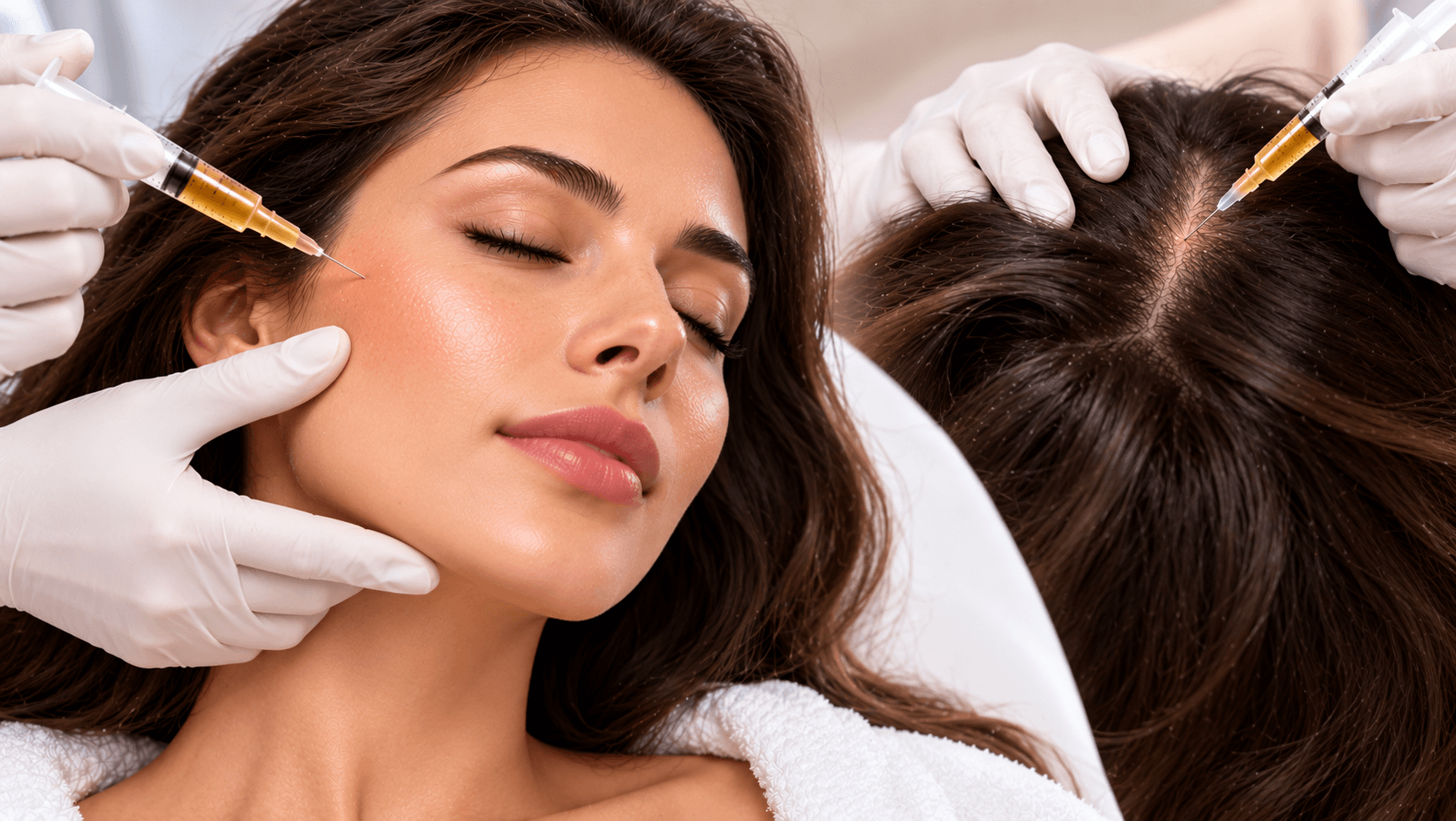
If you are thinking about PRP for your skin or hair, it helps to know what happens from the moment you arrive at the clinic until you go home. Knowing the PRP treatment procedure in advance can make the day feel calmer and help you come up with good questions for your doctor. This guide takes you through a typical session step by step, based on how PRP is commonly carried out. Every clinic and every patient is a little different, so your own doctor will explain the details that apply to you.
PRP stands for platelet-rich plasma. It is a non-surgical treatment given by injection that uses a small sample of your own blood. The blood is processed to concentrate the platelets, and this plasma is then injected into or applied to the skin or scalp to support the body's natural repair processes. It is usually done as an outpatient treatment, so you do not need to stay in hospital.
Before your session: consultation and preparation
Every PRP treatment starts with a consultation. This is your chance to talk about what you hope to achieve. That might be smoother skin texture, softer fine lines, improved acne scars, a fresher under-eye area or support for early hair thinning.
During the consultation, the doctor will usually:
- Ask about your medical history, including any blood or platelet disorders, skin conditions, cancers or pregnancy
- Review the medicines and supplements you take, especially blood thinners
- Look at the area to be treated and discuss whether PRP is a suitable option for you
- Explain how many sessions they might suggest and why
Be open and honest here. PRP is not right for everyone, and doctors are often more cautious with certain health conditions or medicines. Never stop a prescribed medicine on your own. Ask your doctor what to do.
Before the day itself, your clinic may give you practical instructions. These can include arriving with clean skin and no make-up, washing your hair beforehand if your scalp is being treated, and eating and drinking normally so you feel comfortable during the blood draw. You may also be asked to check with the doctor before taking anti-inflammatory painkillers. Follow the advice you are given, as it can vary between clinics.
The PRP treatment procedure step by step
On the day, a typical session follows a clear order. Most patients stay awake throughout and go home the same day.
Step 1: Final check. The doctor or nurse confirms your health details, answers any last questions and may take photos of the area for your records. The skin or scalp is then cleaned.
Step 2: Blood draw. A small amount of blood is taken from your arm, much like a routine blood test. If needles make you uneasy, tell the team so they can help you feel more at ease.
Step 3: Preparing the plasma. Your blood is placed in a special tube and spun in a centrifuge. This separates the platelet-rich plasma from the other parts of the blood. The prepared plasma is then drawn up, ready to use.
Step 4: Numbing. While the plasma is being prepared, a numbing cream or local anaesthetic is usually applied to the treatment area. General anaesthesia is not normally used.
Step 5: Application. The plasma is injected into the skin or scalp with fine needles, or applied together with microneedling, which creates tiny channels in the skin. Your doctor chooses the method based on the area and your goals.
Step 6: Finishing up. The area is gently cleaned, and you are given aftercare instructions before you leave.
How does the PRP procedure feel?
How comfortable it feels differs from person to person. Many people describe the blood draw as a brief pinch. The numbing cream or local anaesthetic is there to make the injections easier to tolerate. You may still feel pressure, light stinging or prickling, especially in more sensitive areas such as under the eyes or on the scalp.
If anything feels too uncomfortable during the session, tell the person treating you. They may be able to pause, adjust their technique or give the numbing more time to work.
Right after the procedure: what to expect
It is common for the treated area to look and feel a little different straight after PRP. You might notice:
- Redness, similar to a mild flush or sunburn
- Mild swelling or puffiness
- Tenderness or soreness
- Small bruises at the injection points or where blood was drawn
- A mild headache or a tender scalp after hair treatment
These effects are usually temporary and tend to settle over the following days, but recovery is different for everyone. Most people gradually return to their normal routines.
General aftercare advice often includes:
- Avoiding make-up, intense exercise, saunas and strong sun for a short period, as advised
- Not washing or touching the treated area too soon, especially after scalp treatment
- Using gentle skincare products and sun protection
- Asking your doctor before taking anti-inflammatory painkillers
If you do see changes, they tend to develop gradually rather than straight away, because PRP works with the body's own processes. Some people see little visible change. PRP is often planned as a series of sessions, and your doctor will discuss how many they might suggest and how far apart.
Possible side effects and risks
Because PRP uses your own blood, the risk of an allergic reaction to the plasma itself is considered low. Still, as with any treatment given by injection, side effects and risks are possible. Less common risks include infection, irritation that lasts longer than expected, or changes in sensation in the treated area.
Choosing a clinic with proper hygiene standards, sterile equipment and trained medical staff helps reduce these risks. Before you agree to treatment, your doctor should explain the specific risks in your situation.
When to talk to a doctor
Contact your treating doctor or get medical advice if, after treatment, you notice:
- Redness, swelling or pain that gets worse instead of better
- Warmth, pus, fever or other signs of infection
- Numbness or changes in sensation that do not settle
- Bruising or irritation that lasts longer than you were told to expect
- Any symptom that worries you
It is also wise to speak with a doctor before booking if you have a blood or platelet disorder, an active skin infection, a history of cancer, are pregnant, or take blood-thinning medicines. Only a qualified doctor can assess whether PRP is right for you.
Finding a clinic for your PRP treatment
When you know what happens at each step, it is easier to compare clinics and ask the right questions. For example: who performs the treatment, how is the plasma prepared, what aftercare is offered and what does the price include? When you are ready, visit our PRP treatment page to compare verified clinics and send one free request. The clinics will then contact you, so you can take your time and choose the option that feels right for you.