
PRP treatment for skin and hair thinning
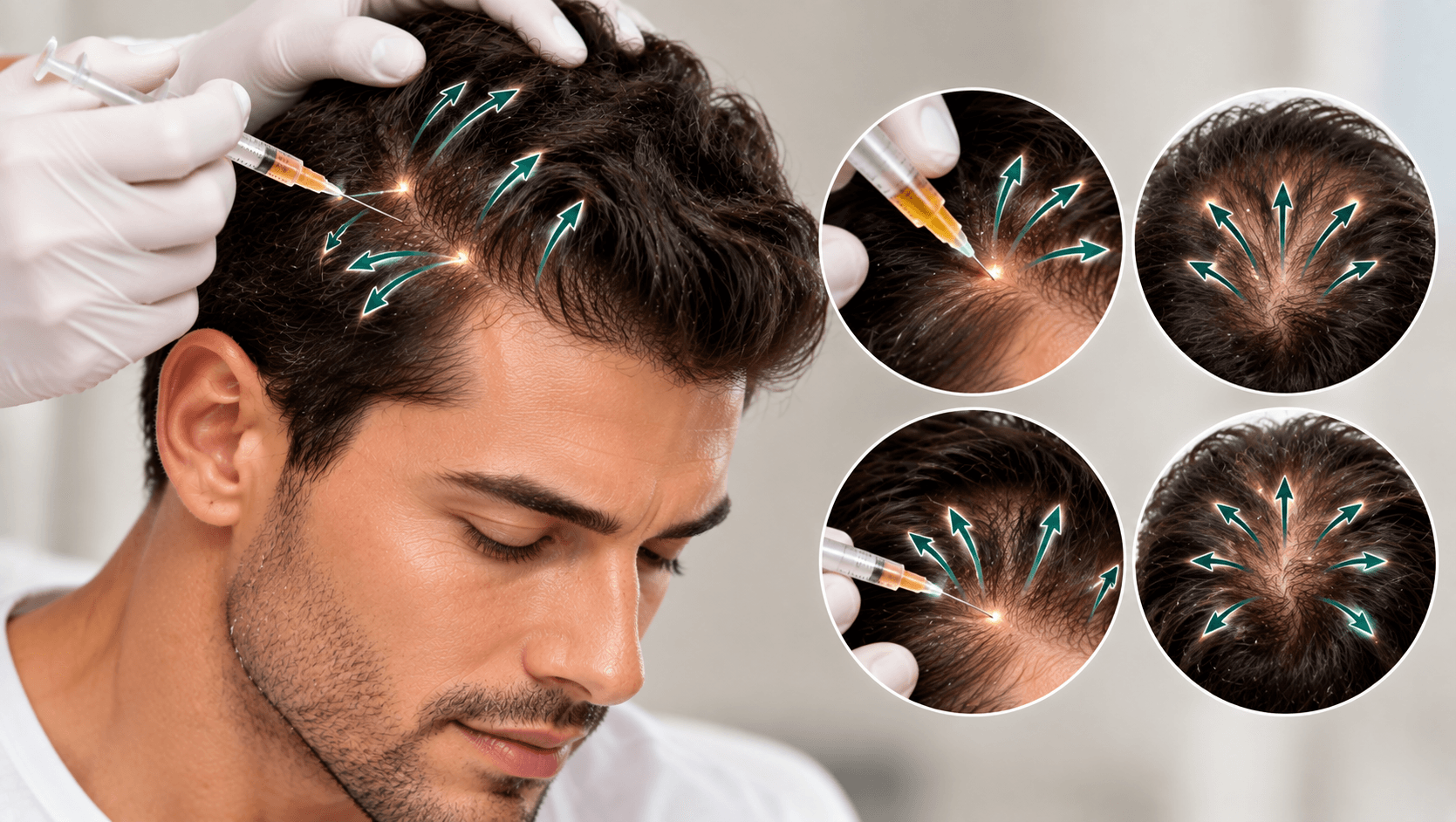
PRP treatment uses platelet-rich plasma from your own blood to support skin quality and hair thinning. It is a non-surgical, injection-based procedure, usually done in a clinic without a hospital stay.
About PRP Treatment
PRP treatment (platelet-rich plasma) is a non-surgical procedure that uses a small sample of your own blood. The blood is spun in a centrifuge to concentrate the platelets, and this plasma is then injected or applied to the skin or scalp to support the body's natural repair processes, for example in skin rejuvenation or hair thinning.
Key facts
- Commonly used for skin texture, fine lines, acne scars, under-eye areas and some types of hair thinning
- Done with a simple blood draw, preparation of the plasma and fine injections or microneedling
- Usually performed with a numbing cream or local anaesthetic, without general anaesthesia
- Normally an outpatient treatment, so no hospital stay is needed
- Recovery usually involves short-term redness, swelling or tenderness, followed by a gradual return to normal routines
- Often planned as a series of sessions, with the number decided by the treating doctor
Who is suitable for PRP treatment?
PRP treatment may suit healthy adults who want a non-surgical option for skin quality or early hair thinning. Suitability always depends on your medical history and an assessment by a qualified doctor.
People who are often considered include those with:
- Dull or tired-looking skin, fine lines or uneven texture
- Mild to moderate acne scarring
- Early-stage or pattern hair thinning
- A wish to avoid surgery or synthetic fillers
PRP may not be appropriate for everyone. Doctors are usually more cautious, or may advise against it, in cases such as blood or platelet disorders, active skin infections in the treatment area, some cancers, pregnancy, or the use of certain blood-thinning medicines. Be open about your health and any medicines or supplements you take so the doctor can decide what is right for you.
How is PRP treatment done?
The procedure takes place in a clinic and involves three main steps: drawing blood, preparing the plasma and applying it to the treatment area. Most patients are awake throughout and can go home the same day.
A typical session includes:
- Consultation: the doctor reviews your health, goals and the area to be treated
- Blood draw: a small amount of blood is taken from your arm, similar to a routine blood test
- Preparation: the blood is placed in a centrifuge, which separates the platelet-rich plasma from other blood components
- Numbing: a numbing cream or local anaesthetic is applied to make the treatment more comfortable
- Application: the plasma is injected with fine needles or applied together with microneedling
PRP is sometimes combined with other treatments, such as microneedling for the face or as part of a broader hair-loss plan. Your doctor will explain which approach they recommend and why.
What is recovery like after PRP treatment?
Recovery is usually straightforward, but it differs from person to person. Most people notice temporary redness, mild swelling or tenderness in the treated area, which tends to settle over the following days.
General aftercare advice often includes:
- Avoiding make-up, intense exercise, saunas and strong sun exposure for a short period, as advised
- Not washing or touching the treated area too soon, especially after scalp treatment
- Using gentle skincare products and sun protection
- Asking your doctor before taking anti-inflammatory painkillers, as they may be advised against
Changes, if they appear, tend to develop gradually rather than immediately, because PRP works with the body's own processes. How you respond, and how many sessions may be suggested, should be discussed with your treating doctor.
What are the risks and side effects of PRP treatment?
Because PRP uses your own blood, the risk of allergic reaction to the plasma itself is considered low. However, as with any injection-based procedure, side effects and risks are possible.
Common, usually temporary effects include:
- Redness, swelling and soreness
- Bruising at the injection or blood-draw site
- Mild headache or scalp tenderness after hair treatment
Less common risks include infection, prolonged irritation, or changes in sensation in the treated area. Results also vary, and some people see little visible change. Choosing a clinic with proper hygiene standards and trained medical staff helps reduce risks. Your doctor should explain the specific risks for your situation before you agree to treatment.
What affects the cost of PRP treatment?
The cost of PRP treatment varies widely between countries and clinics. The final price depends on your individual treatment plan, which only a clinic can confirm after an assessment.
Factors that can influence the cost include:
- The area treated, such as face, under-eye area, neck or scalp
- The number of sessions recommended
- Whether PRP is combined with other treatments, like microneedling
- The preparation system and equipment used
- The experience of the medical team and the clinic's location
- Extra costs such as travel, accommodation and follow-up appointments
Ask for a written quote that clearly lists what is included, so you can compare offers fairly.
How do I choose a clinic abroad for PRP treatment?
Look for a clinic where the procedure is performed or supervised by qualified medical professionals and where communication is clear from the start. Taking time to compare options helps you feel confident in your decision.
Helpful questions to ask include:
- Who will perform the treatment, and what are their qualifications?
- How is the plasma prepared, and is the equipment sterile and single-use where appropriate?
- How many sessions do they suggest, and how far apart?
- What aftercare and follow-up do they offer, including after you return home?
- What is included in the price, and are there any extra costs?
Since PRP is often done in several sessions, think about how travel fits into the treatment plan. You can compare verified clinics to review details and ask questions before deciding.
Ready to explore your options?
If you are considering PRP treatment, you can compare verified clinics on our platform and send one free request. Clinics will then contact you with information and answers to your questions. Your treating doctor will assess your situation and decide which treatment, if any, is suitable for you.
This page gives general information and is not medical advice. A doctor at the clinic will assess whether a treatment is right for you.
Clinics offering PRP Treatment

No verified clinics offer this treatment yet.
Frequently asked questions
Does PRP treatment hurt?
Most people describe the feeling as mild discomfort rather than real pain. Clinics usually apply a numbing cream or use local anaesthetic before the injections, and the blood draw feels much like a routine blood test. Sensitivity differs from person to person, and the scalp or under-eye area can feel more tender. If you are worried about discomfort, mention it during your consultation so the doctor can explain how they keep you comfortable.
How many PRP sessions will I need?
There is no single number that fits everyone. PRP is often planned as a series of sessions spaced some weeks apart, sometimes followed by occasional maintenance sessions. The plan depends on the area treated, your goals and how your body responds. Your treating doctor will suggest a schedule after assessing you, and it is worth asking how this fits with your travel plans if you are having treatment abroad.
When might I see changes after PRP?
PRP does not usually give instant changes, because it works alongside your body's own repair processes. Any improvement in skin texture or hair density tends to appear gradually over time, and some people notice little visible difference. Because responses vary so much, it is best to talk through realistic expectations with your doctor before starting, rather than relying on other people's experiences.
Can I fly home soon after PRP treatment?
As PRP is a non-surgical outpatient procedure, many people return to everyday activities fairly quickly. Still, the treated area may be red, swollen or tender for a short time. Whether and when flying is appropriate for you should be confirmed by your treating doctor, who knows your health and the exact treatment performed. Also plan how follow-up sessions or questions will be handled once you are home.
Is PRP safe if it uses my own blood?
Using your own blood lowers the chance of an allergic reaction to the plasma, but no medical procedure is entirely without risk. Bruising, swelling and, less often, infection can occur, particularly if hygiene standards are poor. PRP may also be unsuitable for people with certain blood disorders, infections or medications. A qualified doctor should review your medical history and explain the possible risks before treatment.
Related treatments
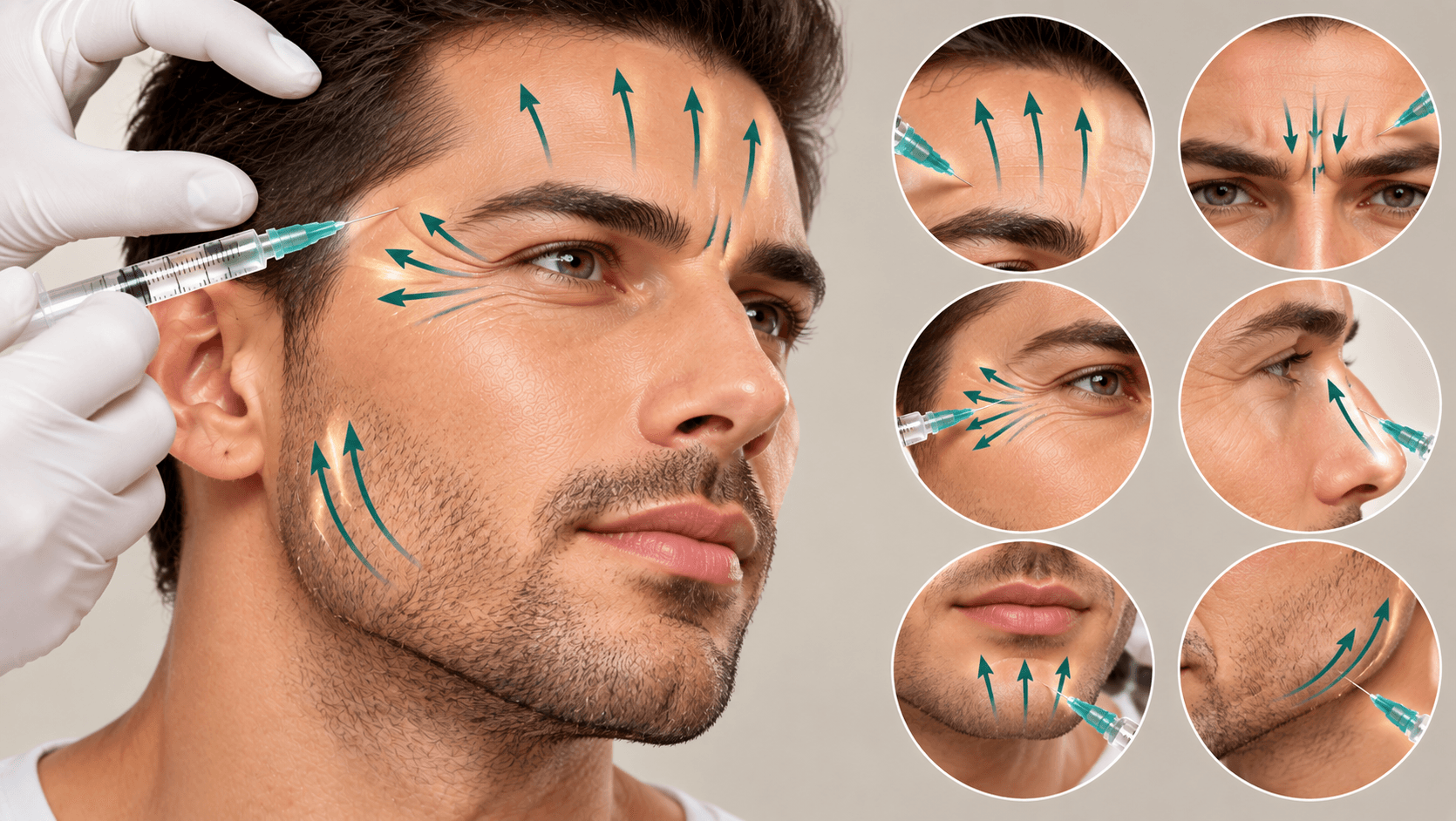
Botox
Botox is a non-surgical treatment in which small amounts of botulinum toxin are injected to temporarily relax certain facial muscles and soften expression lines. Results wear off gradually, and treatments are usually repeated.
Verified clinics: 0
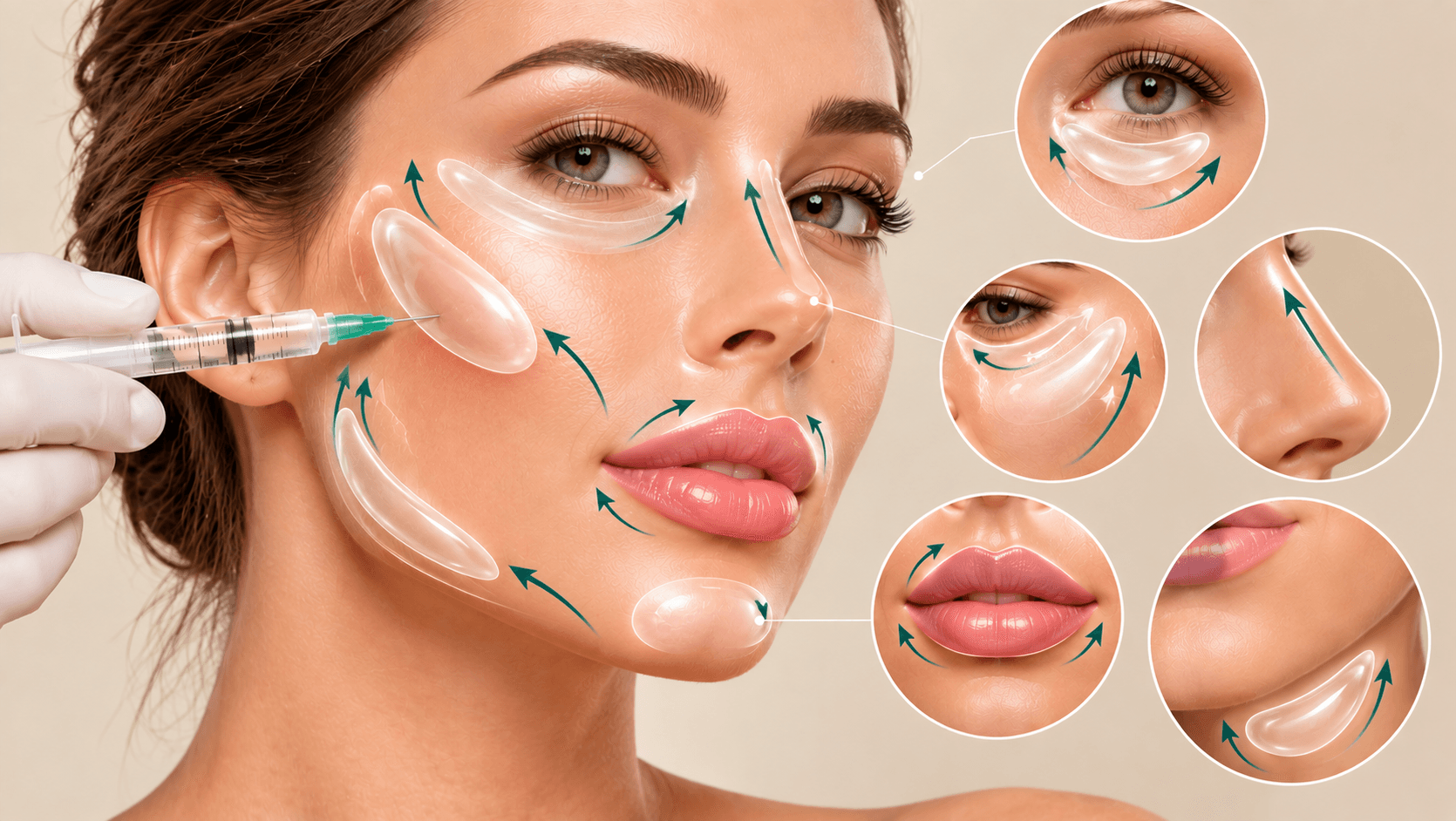
Dermal Fillers
Injectable gels, most often hyaluronic acid, used to restore volume, soften lines and enhance areas such as the lips, cheeks and jawline without surgery. Results are temporary and vary from person to person.
Verified clinics: 0
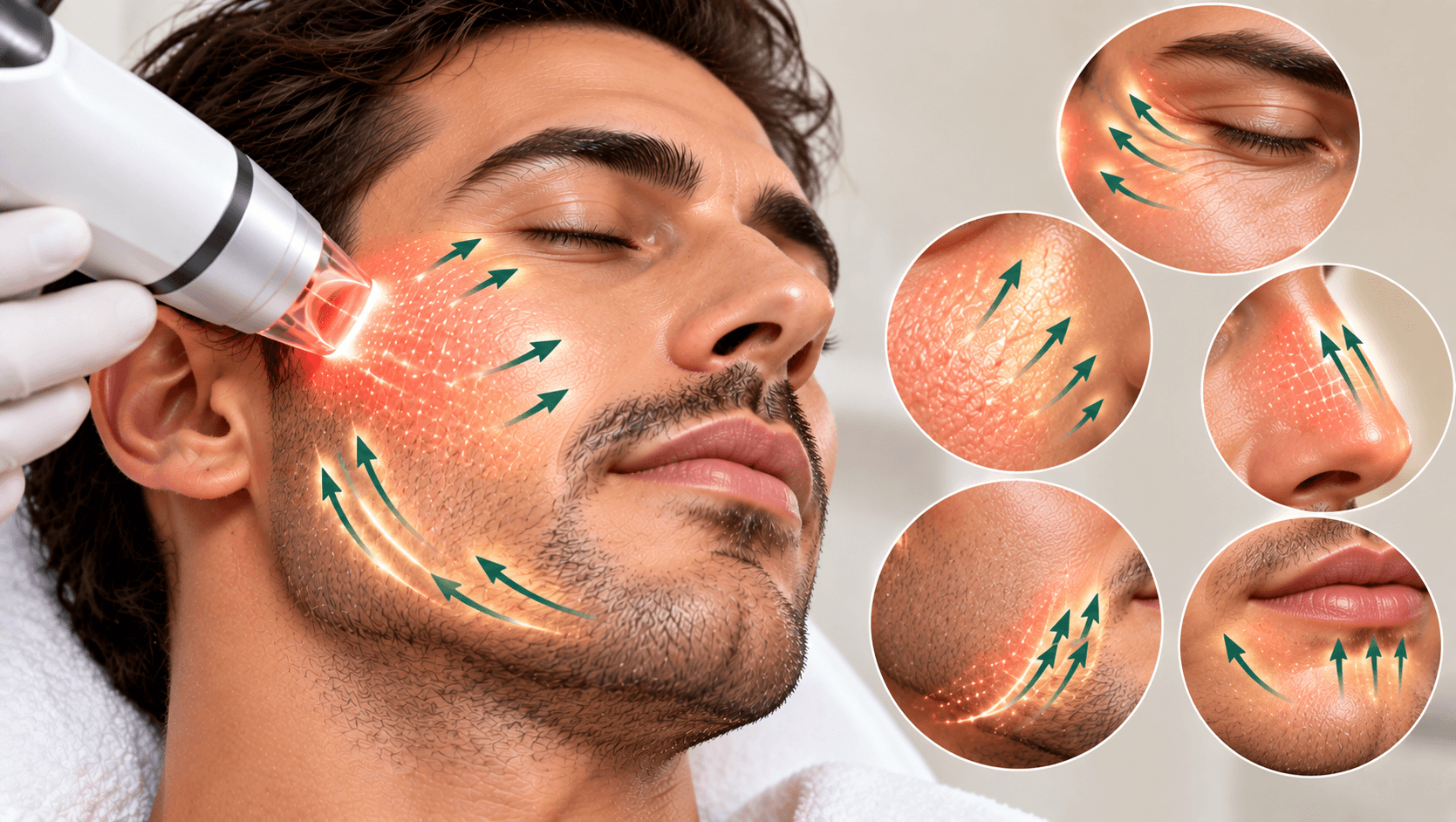
Laser Skin Rejuvenation
A non-surgical treatment that uses laser light to improve skin texture, tone, fine lines and sun damage, with options from gentle non-ablative sessions to more intensive resurfacing.
Verified clinics: 0
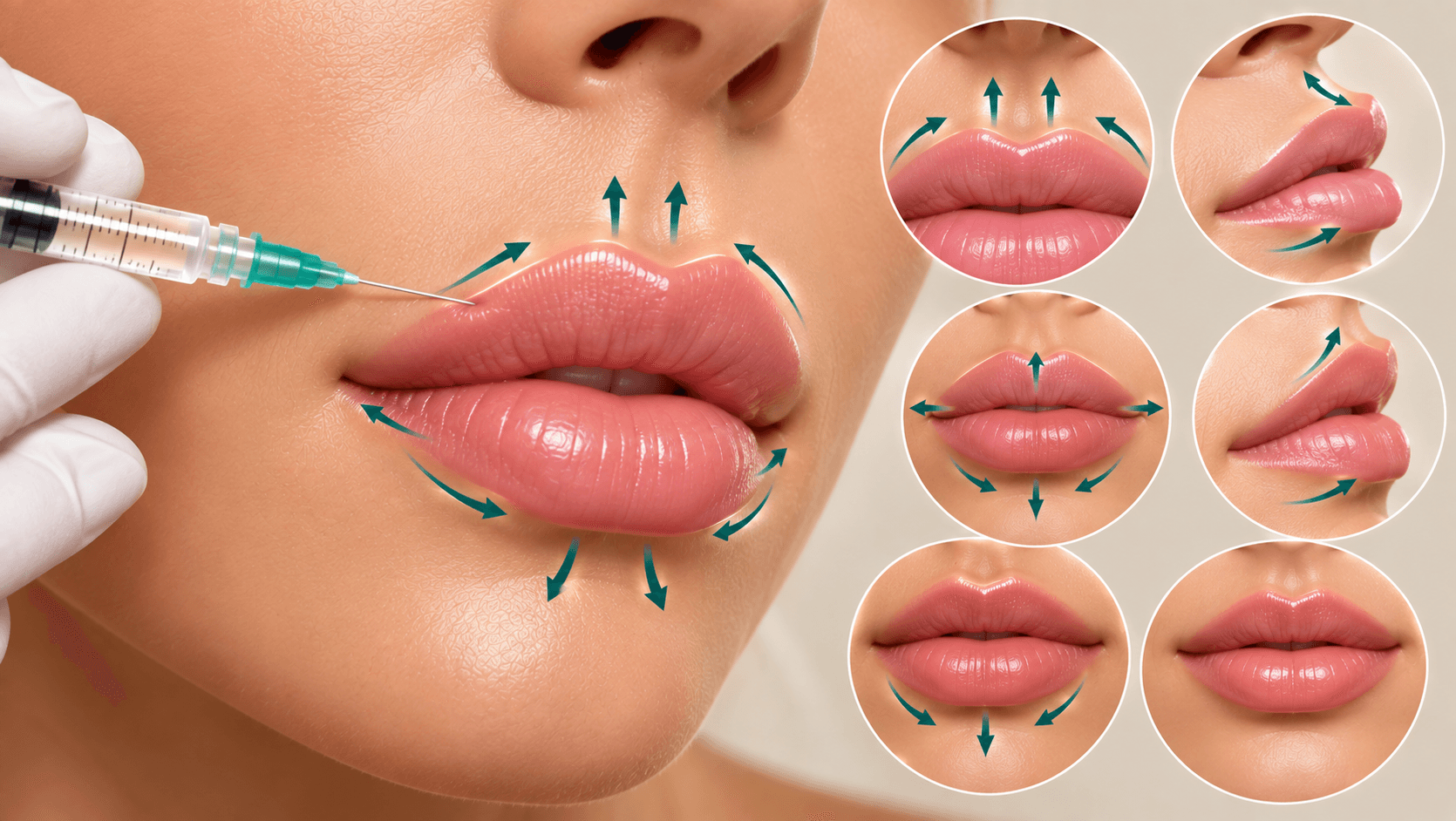
Lip Fillers
Lip fillers are a non-surgical treatment where a gel, usually hyaluronic acid, is injected to add volume, shape or definition to the lips. Results are temporary, and suitability should be discussed with a qualified practitioner.
Verified clinics: 0
Mesotherapy
Mesotherapy uses tiny injections of vitamins, hyaluronic acid or other active ingredients into the skin to refresh its appearance, support hair care or treat small areas, usually as a series of short sessions without surgery.
Verified clinics: 0