
Your guide to dermal fillers abroad
Injectable gels, most often hyaluronic acid, used to restore volume, soften lines and enhance areas such as the lips, cheeks and jawline without surgery. Results are temporary and vary from person to person.
About Dermal Fillers
Dermal fillers are injectable gels, most commonly made from hyaluronic acid, that a trained practitioner places under the skin to restore lost volume, soften lines and folds, or subtly reshape areas such as the lips, cheeks and jawline. The treatment is non-surgical, usually done in a clinic room, and the effect is temporary rather than permanent.
Key facts
- What it treats: lost facial volume, smile lines, marionette lines, thin lips, hollow under-eyes, flat cheeks and a less defined chin or jawline.
- How it is done: a gel is injected with a fine needle or a blunt cannula into carefully chosen points.
- Anaesthesia: usually a numbing cream, and many fillers also contain a local anaesthetic; general anaesthesia is not needed.
- Hospital stay: none in most cases; it is typically an outpatient appointment.
- Recovery phases: some swelling, tenderness or bruising at first, which usually settles gradually as the filler integrates with the tissue.
Who is suitable for dermal fillers?
Dermal fillers are generally suited to healthy adults who want to address volume loss, lines or facial proportions without surgery. Suitability always depends on an individual assessment by a qualified doctor.
You may be a good candidate if you:
- Have realistic expectations about a subtle, temporary improvement
- Are in good general health
- Have no active skin infection or inflammation in the treatment area
Fillers are often not recommended, or need extra caution, if you are pregnant or breastfeeding, have certain autoimmune conditions, a history of severe allergies, a tendency to form keloid scars, or take blood-thinning medication. Be open with your doctor about your medical history, previous treatments and any medicines or supplements you use.
How is the treatment done?
The appointment usually starts with a consultation, followed by the injections themselves in the same visit or a later one. The injection part is often relatively quick, although the whole visit takes longer once planning and numbing are included.
A typical process looks like this:
- Consultation: the doctor examines your face, discusses your goals and explains which product and technique may fit.
- Preparation: the skin is cleansed, and numbing cream may be applied.
- Injection: small amounts of filler are placed in planned areas, and the doctor may gently massage to shape the result.
- Review: you look at the result together, and aftercare advice is given.
Different fillers have different thickness and firmness. Softer gels are often chosen for fine lines and lips, while firmer ones may be used for cheeks or the jawline. Your doctor will explain why a particular product is chosen for you.
What is recovery like after dermal fillers?
Most people return to their usual daily activities soon after treatment, but the area may look swollen or slightly uneven at first. The final appearance usually becomes clearer once swelling has settled.
Common aftercare advice includes:
- Avoid touching, pressing or massaging the area unless told otherwise
- Avoid strenuous exercise, saunas and alcohol for a short period
- Skip make-up on the injection points for the time your doctor recommends
- Use a cold compress if advised, to help with swelling
Recovery differs from person to person. Some people bruise easily, especially around the lips and under the eyes, and may want to plan the treatment well ahead of any special event. A follow-up visit is often suggested so the doctor can check the result.
What are the risks and side effects?
Dermal fillers are widely used, but like any medical procedure they carry risks. Most side effects are mild and short-lived, while serious complications are uncommon but possible.
Common, usually temporary effects:
- Swelling, redness and tenderness
- Bruising at injection points
- Small lumps or a feeling of firmness
Less common but more serious risks:
- Infection
- Allergic or inflammatory reactions
- Filler moving away from the intended area
- Blockage of a blood vessel, which can affect the skin and, very rarely, vision, and needs urgent medical care
This is why it matters that fillers are injected by a qualified medical professional who understands facial anatomy and knows how to manage complications. Hyaluronic acid fillers can usually be dissolved with an enzyme if needed. Discuss your personal risks with the treating doctor before you decide.
How long do the results last?
Results from dermal fillers are temporary, because the body gradually breaks down the product. How long they last varies considerably between people and products.
Factors that can play a role include:
- The type and firmness of the filler
- The treated area, as areas that move a lot may break down filler sooner
- Your metabolism, age and lifestyle
- The amount of product used
Many people choose maintenance treatments over time. Your doctor can give a realistic expectation for your situation, but no specific duration can be guaranteed.
What affects the cost of dermal fillers?
The cost depends mainly on how much product is needed and which areas are treated. Prices also differ between countries, cities and clinics.
Things that commonly influence the price:
- The number of syringes required
- The brand and type of filler
- The experience and qualifications of the injector
- Whether consultation and follow-up visits are included
- Travel, accommodation and time away if you are going abroad
When comparing offers, ask what exactly is included, such as the product name, a follow-up check and what happens if a correction or dissolving is needed.
How do I choose a clinic abroad?
Choose a clinic where qualified medical professionals carry out the treatment, use approved products and can explain their aftercare clearly. Take time to compare options rather than deciding quickly.
Useful questions to ask:
- Who will perform the injections, and what are their qualifications?
- Which filler brand will be used, and can I see the original packaging?
- How are complications managed, and is an enzyme to dissolve filler available?
- What aftercare and follow-up do you offer, also after I return home?
- Can I have a consultation before committing?
It also helps to plan your trip so you are not flying or attending important events straight after treatment, and to know who to contact at home if you have concerns.
Compare clinics and send one free request
If you are considering dermal fillers, you can compare verified clinics on our marketplace and send one free request. Interested clinics will then contact you with more information. The treating doctor will assess your face and health and decide which treatment, if any, is suitable for you.
This page gives general information and is not medical advice. A doctor at the clinic will assess whether a treatment is right for you.
Clinics offering Dermal Fillers

No verified clinics offer this treatment yet.
Frequently asked questions
Do dermal filler injections hurt?
Most people describe the feeling as a pinch or pressure rather than strong pain. Many clinics apply a numbing cream beforehand, and lots of filler products contain a local anaesthetic that eases discomfort during the injections. Sensitive areas such as the lips can feel more intense than the cheeks. If you are worried about pain, tell your doctor in advance so they can explain the options for keeping you comfortable.
Can dermal fillers be reversed if I do not like the result?
Fillers based on hyaluronic acid can usually be dissolved with an enzyme called hyaluronidase, which the doctor injects into the area. This can be used to correct unevenness or manage certain complications. Other filler types may not be reversible in the same way. Before treatment, ask which product will be used and whether the clinic has a dissolving enzyme available, including for problems that might appear later.
Is it safe to fly after getting fillers?
Many people travel home after filler treatment, but doctors often suggest allowing some time before flying, partly so swelling can settle and any early concern can be checked in person. Cabin pressure may make swelling feel more noticeable for some people. Your treating doctor can advise on timing for your situation, so it is wise to discuss your travel plans during the consultation and build some flexibility into your trip.
What is the difference between fillers and anti-wrinkle injections?
Fillers add volume by placing a gel under the skin, which can plump lips, lift cheeks or soften deep folds. Anti-wrinkle injections work differently: they relax specific muscles to reduce lines caused by movement, such as frown lines or crow's feet. The two are sometimes combined in one plan. A doctor can examine your face and explain which approach, or combination, may be appropriate for your concerns.
Will people be able to tell I have had fillers?
That depends on the amount of product, the area treated and the technique used. Many patients ask for a subtle, natural-looking change, and a careful doctor will plan the treatment around your facial proportions. In the first days, swelling or small bruises may be visible. Talk openly about the look you want, bring reference ideas if helpful, and remember that results always vary from person to person.
Related treatments
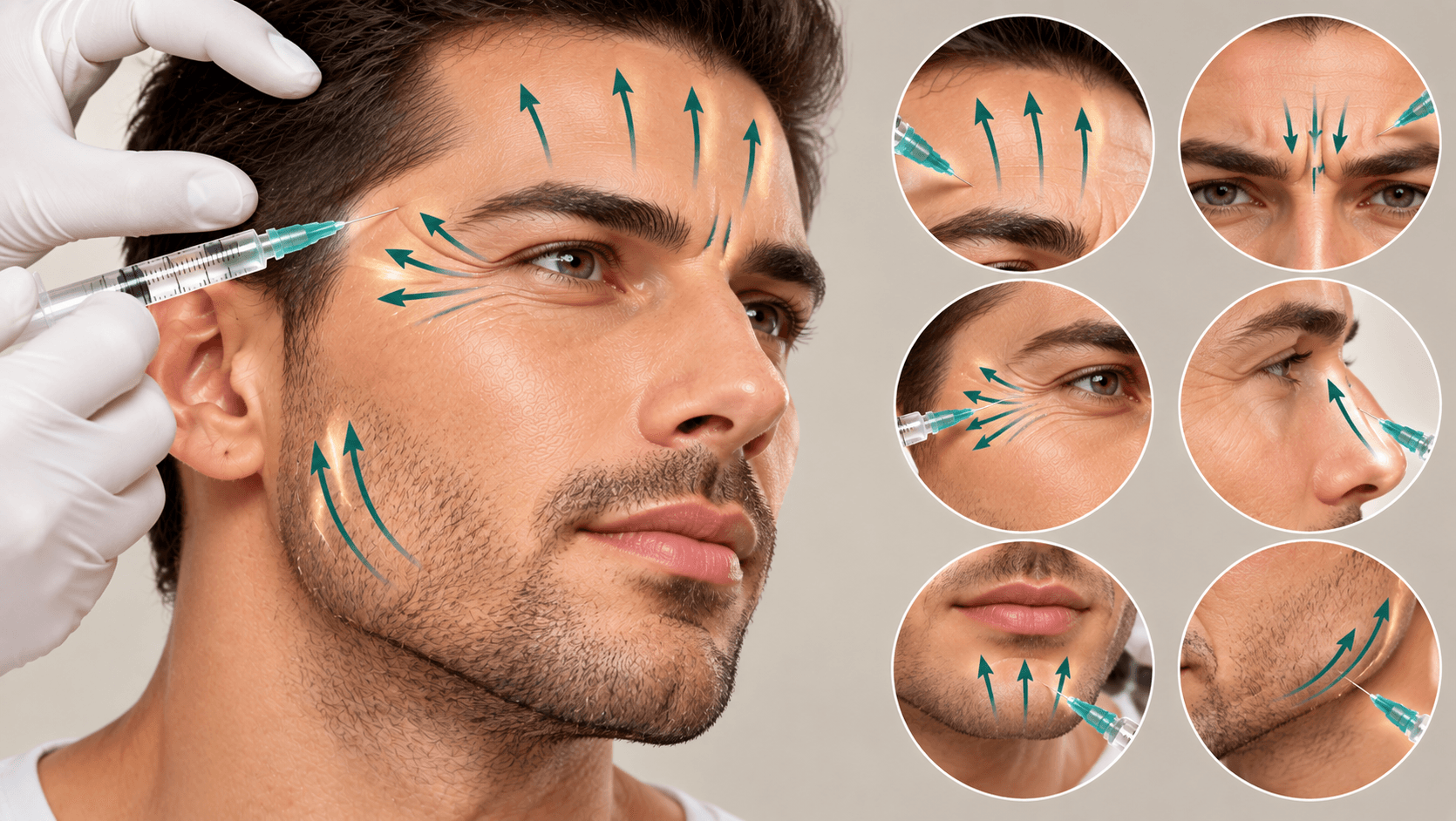
Botox
Botox is a non-surgical treatment in which small amounts of botulinum toxin are injected to temporarily relax certain facial muscles and soften expression lines. Results wear off gradually, and treatments are usually repeated.
Verified clinics: 0
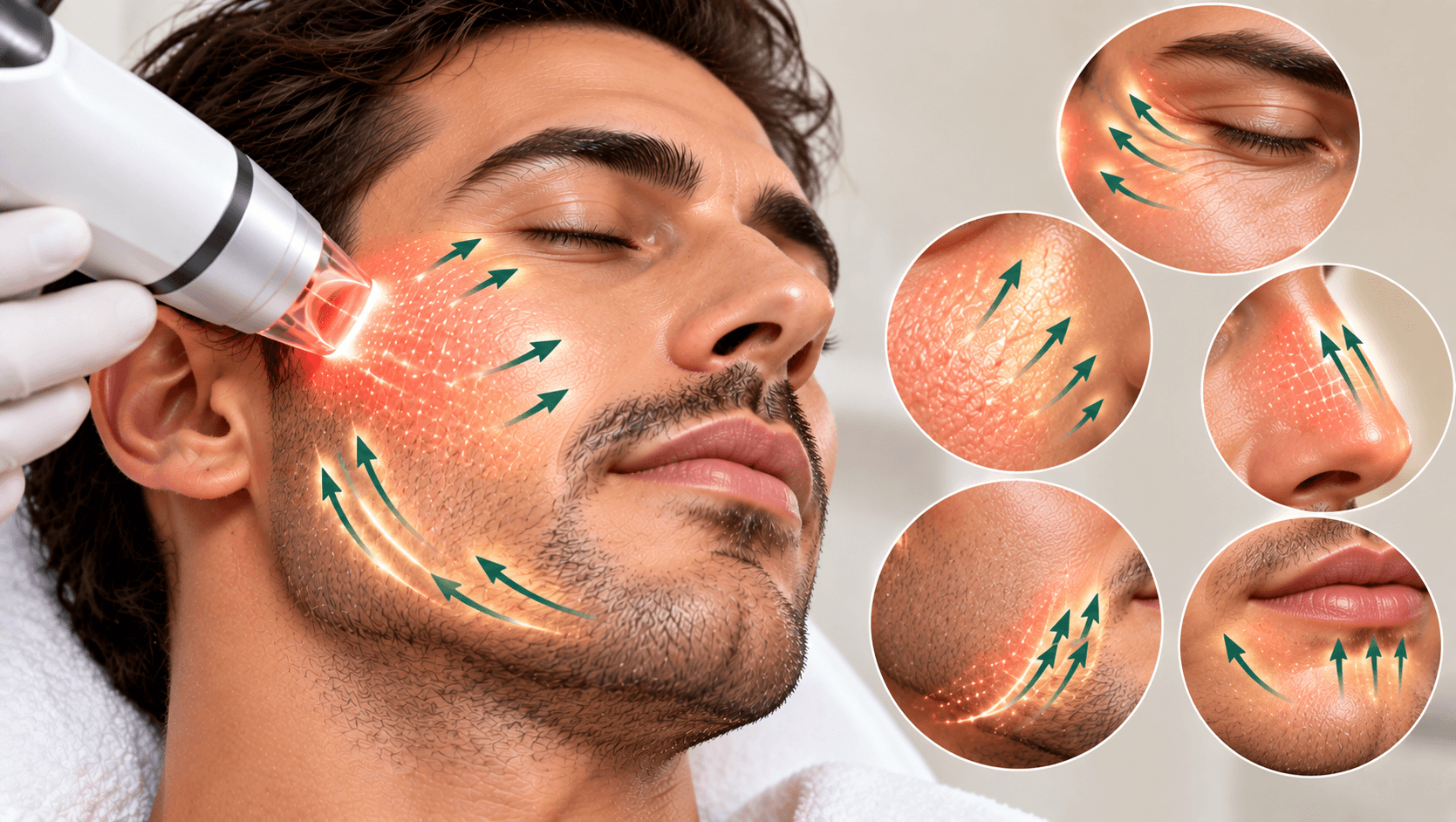
Laser Skin Rejuvenation
A non-surgical treatment that uses laser light to improve skin texture, tone, fine lines and sun damage, with options from gentle non-ablative sessions to more intensive resurfacing.
Verified clinics: 0
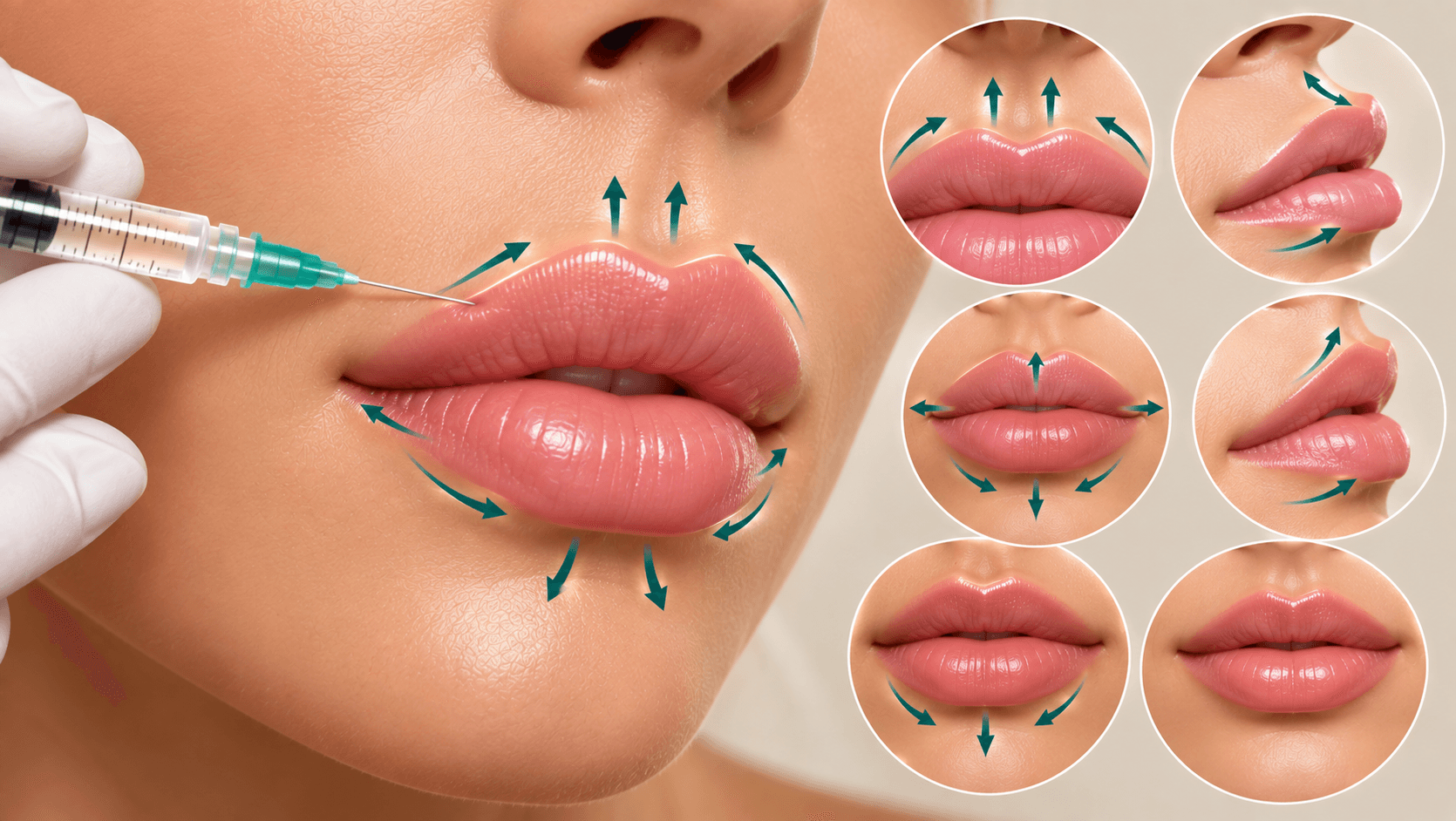
Lip Fillers
Lip fillers are a non-surgical treatment where a gel, usually hyaluronic acid, is injected to add volume, shape or definition to the lips. Results are temporary, and suitability should be discussed with a qualified practitioner.
Verified clinics: 0
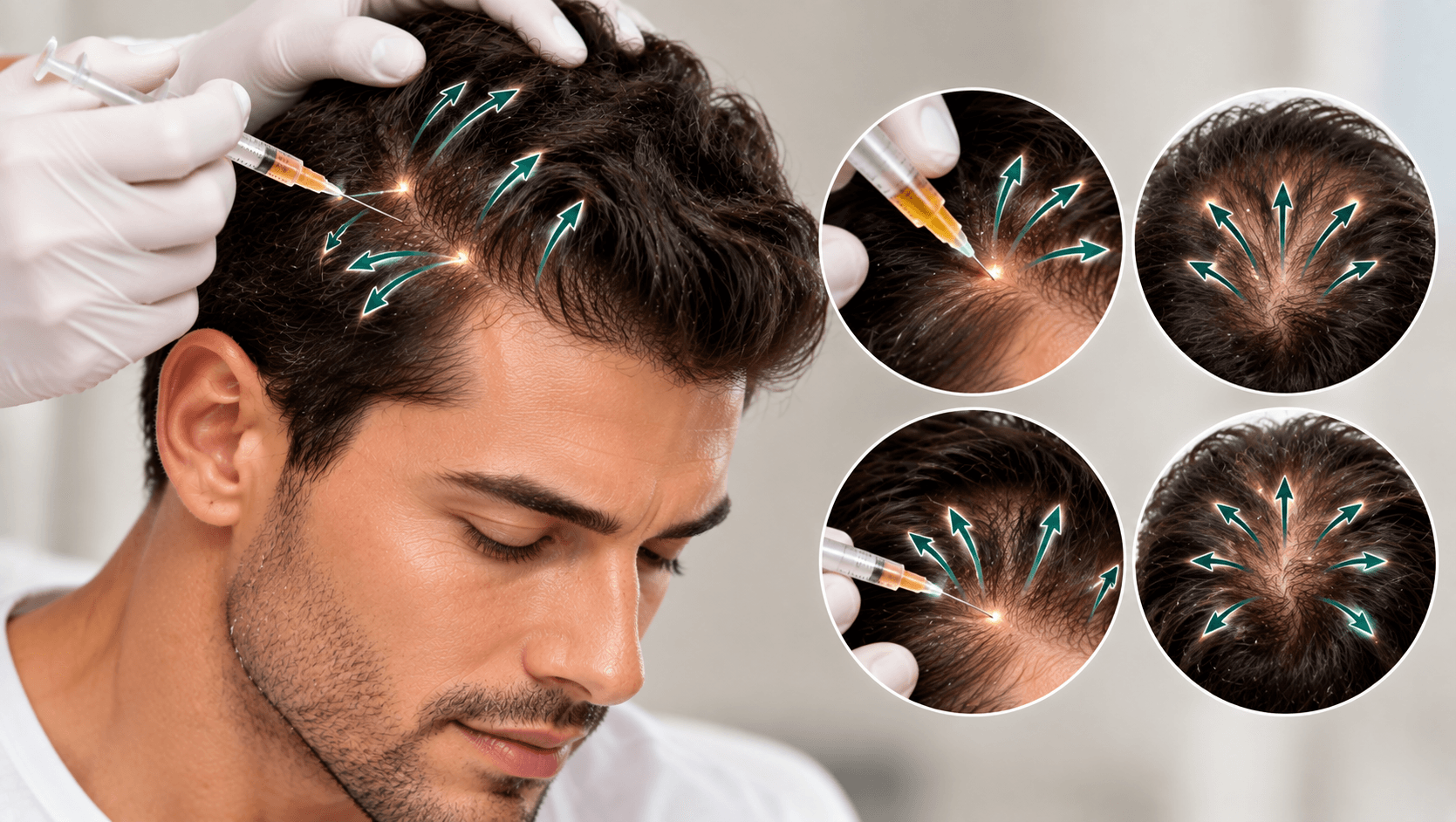
Mesotherapy
Mesotherapy uses tiny injections of vitamins, hyaluronic acid or other active ingredients into the skin to refresh its appearance, support hair care or treat small areas, usually as a series of short sessions without surgery.
Verified clinics: 0
PRP Treatment
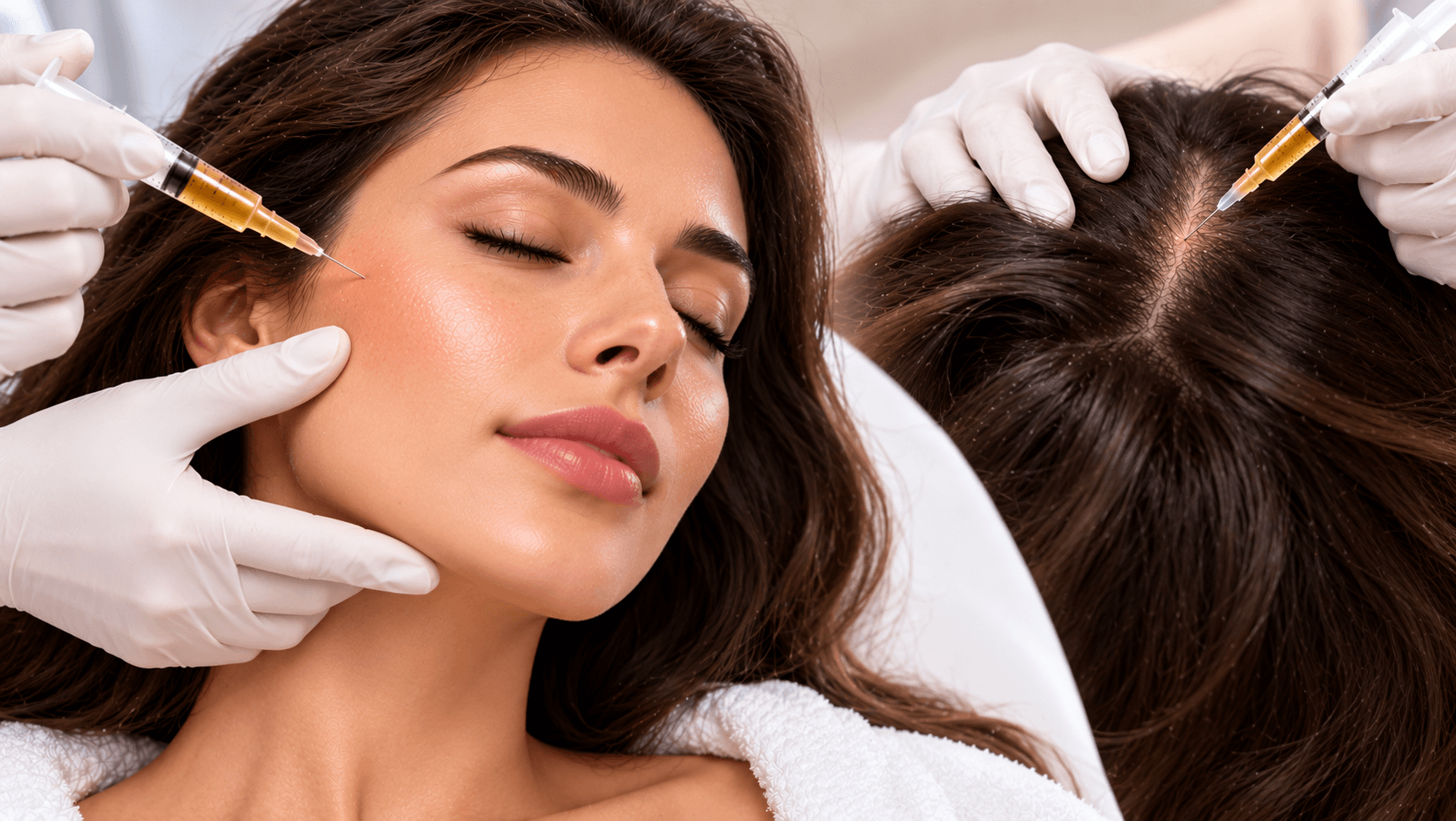
PRP treatment uses platelet-rich plasma from your own blood to support skin quality and hair thinning. It is a non-surgical, injection-based procedure, usually done in a clinic without a hospital stay.
Verified clinics: 0