
Compare clinics for laser skin rejuvenation abroad
A non-surgical treatment that uses laser light to improve skin texture, tone, fine lines and sun damage, with options from gentle non-ablative sessions to more intensive resurfacing.
About Laser Skin Rejuvenation
In short, laser skin rejuvenation is a non-surgical aesthetic treatment that uses concentrated light energy to improve the look and texture of the skin. Depending on the laser type, it removes thin outer layers or heats deeper tissue to encourage collagen production, which can soften fine lines, sun damage, uneven tone and some scars.
Key facts
- Commonly used for fine lines, wrinkles, sun spots, uneven pigmentation, enlarged pores and some acne scars.
- Done with a handheld laser device passed over the skin, usually on the face, neck, chest or hands.
- Numbing cream is typical; more intensive resurfacing may involve local anaesthesia or sedation.
- Usually an outpatient treatment with no hospital stay.
- Recovery ranges from mild redness for gentler lasers to a longer healing phase with peeling for deeper resurfacing.
Who is suitable for laser skin rejuvenation?
Laser treatment often suits adults with sun damage, fine lines, uneven tone or mild scarring who want gradual improvement without surgery. Suitability depends on your skin type, medical history and expectations, so a doctor or qualified practitioner needs to assess you first.
You may be a good candidate if you:
- Have early signs of skin ageing or sun damage
- Want to improve texture, pores or mild acne scars
- Are in generally good health and have realistic expectations
- Can avoid strong sun exposure before and after treatment
Extra care, or a different treatment, may be needed if you have darker skin tones (some lasers carry a higher risk of pigment changes), active skin infections, a history of cold sores, keloid scarring, certain medical conditions, or if you have recently taken medicines that make the skin more sensitive. Treatment is usually postponed during pregnancy.
What types of laser are used?
Lasers are generally grouped as ablative or non-ablative. Ablative lasers remove thin layers of skin and tend to give more noticeable change with longer healing, while non-ablative lasers heat the skin beneath the surface and usually need several sessions with less downtime.
- Ablative lasers (such as CO2 or erbium) resurface the skin and are often used for deeper lines and scarring.
- Non-ablative lasers work beneath the surface and are often chosen for mild texture and tone concerns.
- Fractional lasers treat tiny columns of skin while leaving surrounding areas intact, which can help healing. They exist in both ablative and non-ablative forms.
Some clinics also offer related light-based treatments, such as intense pulsed light (IPL), which is not a laser but is sometimes used for redness and pigmentation. Your practitioner will explain which option fits your skin and goals.
How is the treatment done?
The skin is cleansed, numbed if needed, and treated with a laser device moved across the area in a planned pattern. Session length depends on the size of the area and the type of laser.
A typical visit includes:
- A consultation covering your skin, health history, medicines and goals
- Cleansing and, often, a numbing cream applied beforehand
- Protective eyewear for you and the staff
- The laser treatment itself, which may feel warm, prickly or like snapping against the skin
- Cooling and aftercare products applied at the end
You may be advised to prepare beforehand, for example by avoiding tanning, pausing certain skincare products or taking preventive medicine if you are prone to cold sores.
What is recovery like?
Recovery depends mostly on the laser type and how intensive the treatment is. Gentle non-ablative sessions often cause only short-lived redness, while ablative resurfacing involves a longer healing phase that needs careful wound care.
General recovery phases may include:
- Right after treatment: warmth, redness and swelling, similar to sunburn
- Early healing: dryness, flaking or peeling; with ablative lasers, the skin may ooze or crust
- Later phase: redness gradually fades and new skin settles; changes from collagen production tend to develop slowly
Strict sun protection, gentle cleansing and moisturising are usually part of aftercare. Avoid picking at peeling skin. How quickly you heal and how many sessions you need differ from person to person, and your treating practitioner should give you a personal aftercare plan.
What are the risks and side effects?
Most people have temporary redness and swelling, but like any medical procedure, laser treatment carries risks. Your doctor should explain these clearly for your skin type and the laser chosen.
Possible side effects and risks include:
- Prolonged redness, swelling or itching
- Acne flare-ups or small white bumps (milia)
- Darker or lighter patches of skin (pigment changes)
- Infection, including reactivation of cold sores
- Burns or, rarely, scarring
- Results that are less noticeable than hoped
Choosing an experienced practitioner, sharing your full medical history and following aftercare instructions may help reduce some risks. Contact your clinic promptly if anything worries you during healing.
What affects the cost of laser skin rejuvenation?
The cost varies widely between countries and clinics, and it depends on what is being treated and how. A clinic can only give a clear quote after assessing your skin.
Factors that commonly influence cost include:
- The type of laser and technology used
- The size and number of areas treated
- How many sessions you need
- The practitioner's qualifications and experience
- Whether anaesthesia or sedation is required
- Consultations, aftercare products and follow-up visits
- Travel and accommodation if you are treated abroad
Ask each clinic exactly what its quote includes so you can compare like with like.
How do I choose a clinic abroad?
Look for a clinic with qualified medical staff, clear information and good communication. It also helps to plan your trip around the recovery phase, especially for more intensive treatments.
Useful questions to ask:
- Who will carry out the treatment, and what are their qualifications?
- Which laser do you recommend for my skin type, and why?
- How many sessions might I need, and how far apart?
- What aftercare do you provide, and how do follow-ups work once I'm home?
- How should I protect my skin from sun exposure while travelling?
Allow enough time before flying home, and avoid planning sunny holidays straight after treatment. Bring a list of your medicines and any previous skin treatments to your consultation.
You can compare verified clinics offering laser skin rejuvenation and send one free request; interested clinics will then contact you with information. Only the treating doctor or practitioner can decide which treatment, if any, is right for you after a personal assessment.
This page gives general information and is not medical advice. A doctor at the clinic will assess whether a treatment is right for you.
Clinics offering Laser Skin Rejuvenation

No verified clinics offer this treatment yet.
Frequently asked questions
Does laser skin rejuvenation hurt?
Most people describe the feeling as warmth, stinging or a light snapping sensation on the skin. Clinics usually apply a numbing cream first, and cooling devices may be used during treatment. Deeper ablative resurfacing can be more uncomfortable, so local anaesthesia or sedation is sometimes offered. How much you feel depends on your own sensitivity, the area treated and the laser used, so talk through comfort options with your practitioner beforehand.
How many sessions will I need?
It depends on your skin concerns and the type of laser. Gentler non-ablative treatments are often given as a course of several sessions spaced weeks apart, while a more intensive ablative treatment may be done once or only a few times. Your practitioner will suggest a plan after examining your skin, and this may be adjusted depending on how your skin responds over time.
Can laser treatment be done on darker skin?
Laser treatment can be possible for darker skin tones, but some lasers carry a higher risk of pigment changes, such as darker or lighter patches. Practitioners may choose specific laser types, adjust settings or recommend a test patch first. It is important to pick someone experienced in treating your skin type and to discuss your individual risks openly during the consultation.
When can I fly home after treatment?
This varies with the intensity of the treatment and how your skin heals. After mild sessions, many people feel ready to travel fairly soon, while ablative resurfacing usually needs more time for the early healing phase and a check with the clinic. Cabin air can dry the skin, so bring your aftercare products. Ask your treating doctor when travel is sensible for you and plan your stay accordingly.
Can I wear makeup or go in the sun afterwards?
Freshly treated skin is sensitive, so clinics usually advise waiting before using makeup until the skin has settled, especially if it is peeling or crusting. Sun exposure should be kept to a minimum, with high-protection sunscreen, shade and a hat, because treated skin is more prone to pigment changes. Your practitioner will tell you when it is safe to return to your normal skincare and makeup routine.
Related treatments
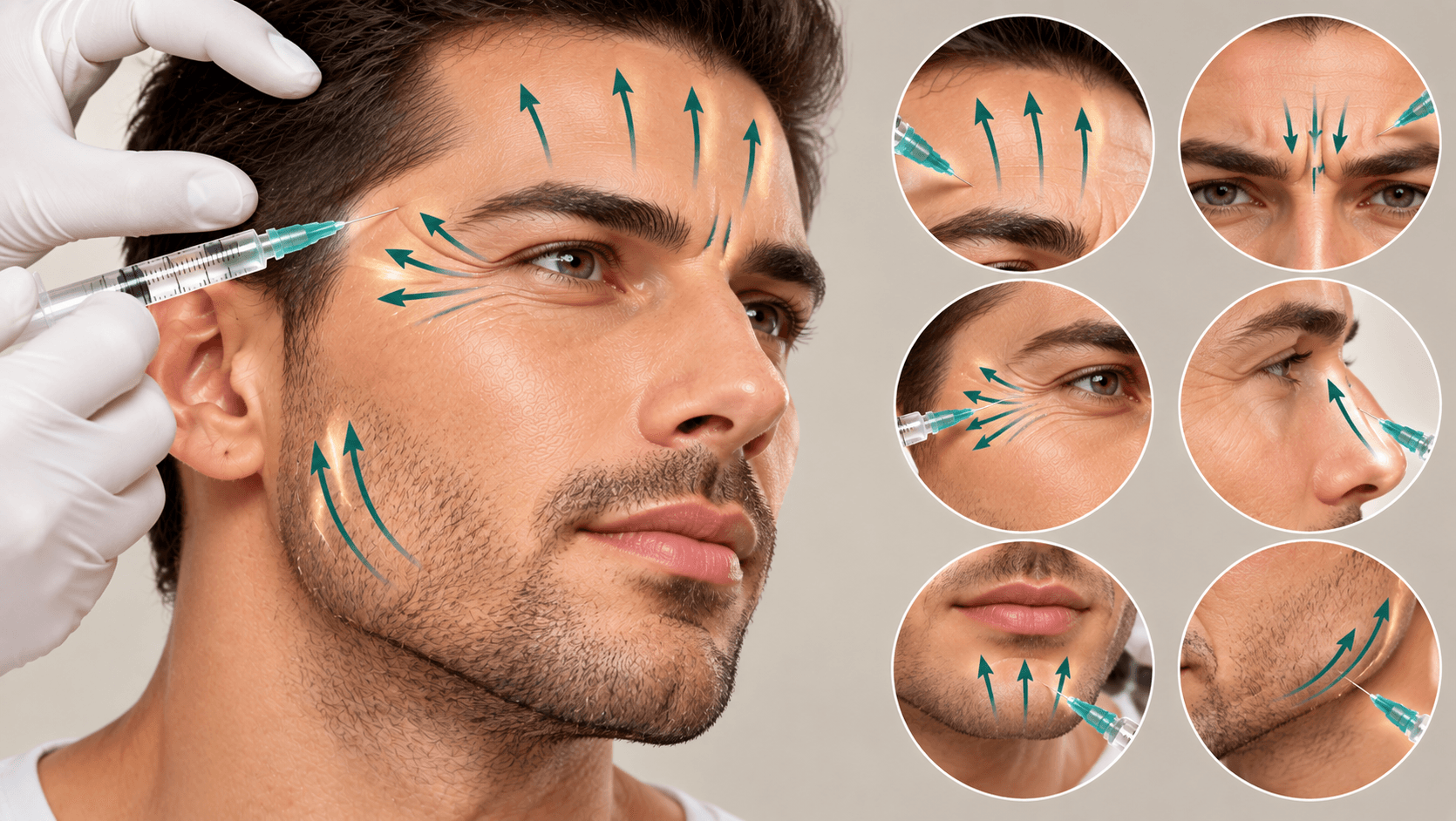
Botox
Botox is a non-surgical treatment in which small amounts of botulinum toxin are injected to temporarily relax certain facial muscles and soften expression lines. Results wear off gradually, and treatments are usually repeated.
Verified clinics: 0
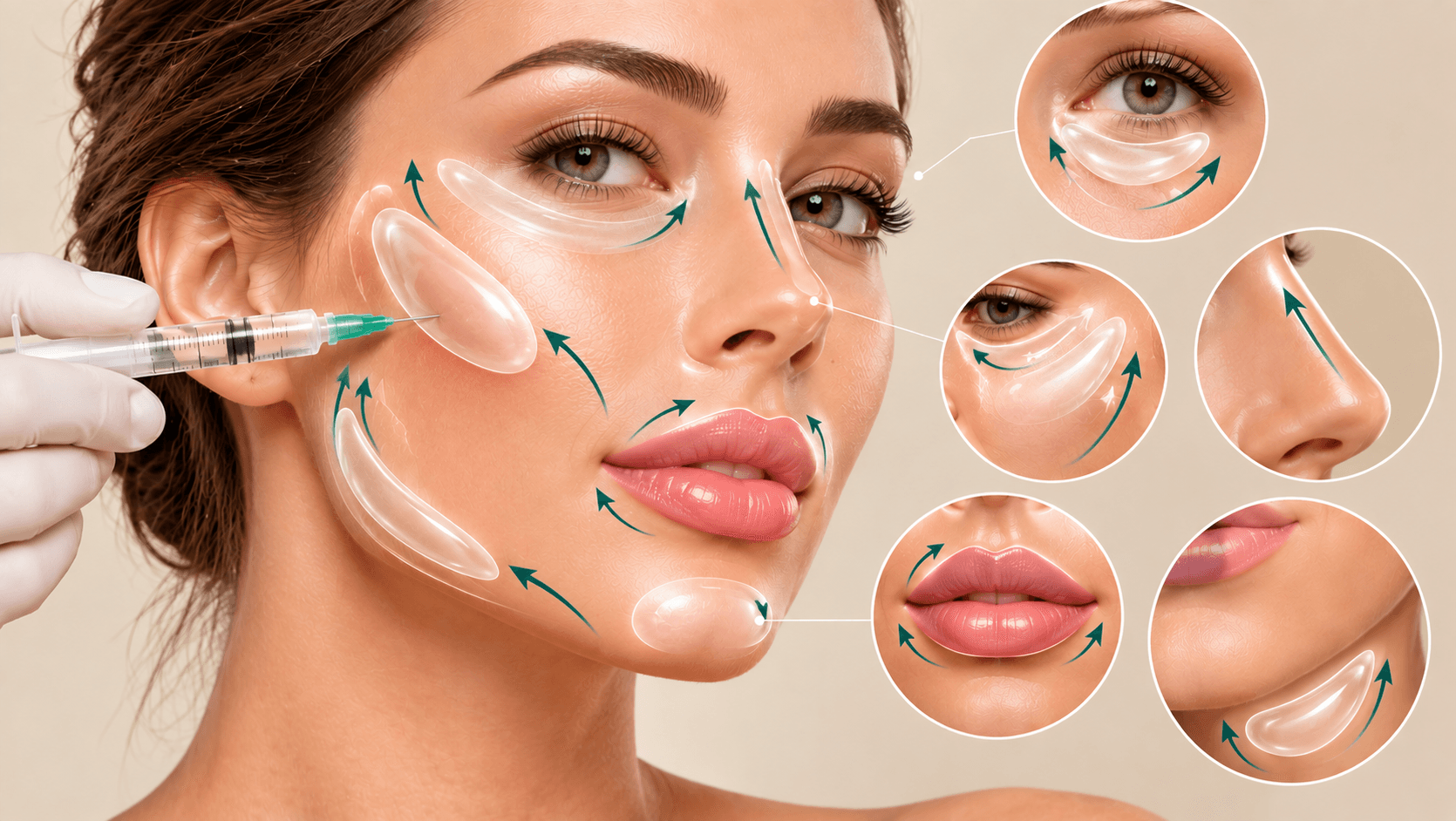
Dermal Fillers
Injectable gels, most often hyaluronic acid, used to restore volume, soften lines and enhance areas such as the lips, cheeks and jawline without surgery. Results are temporary and vary from person to person.
Verified clinics: 0
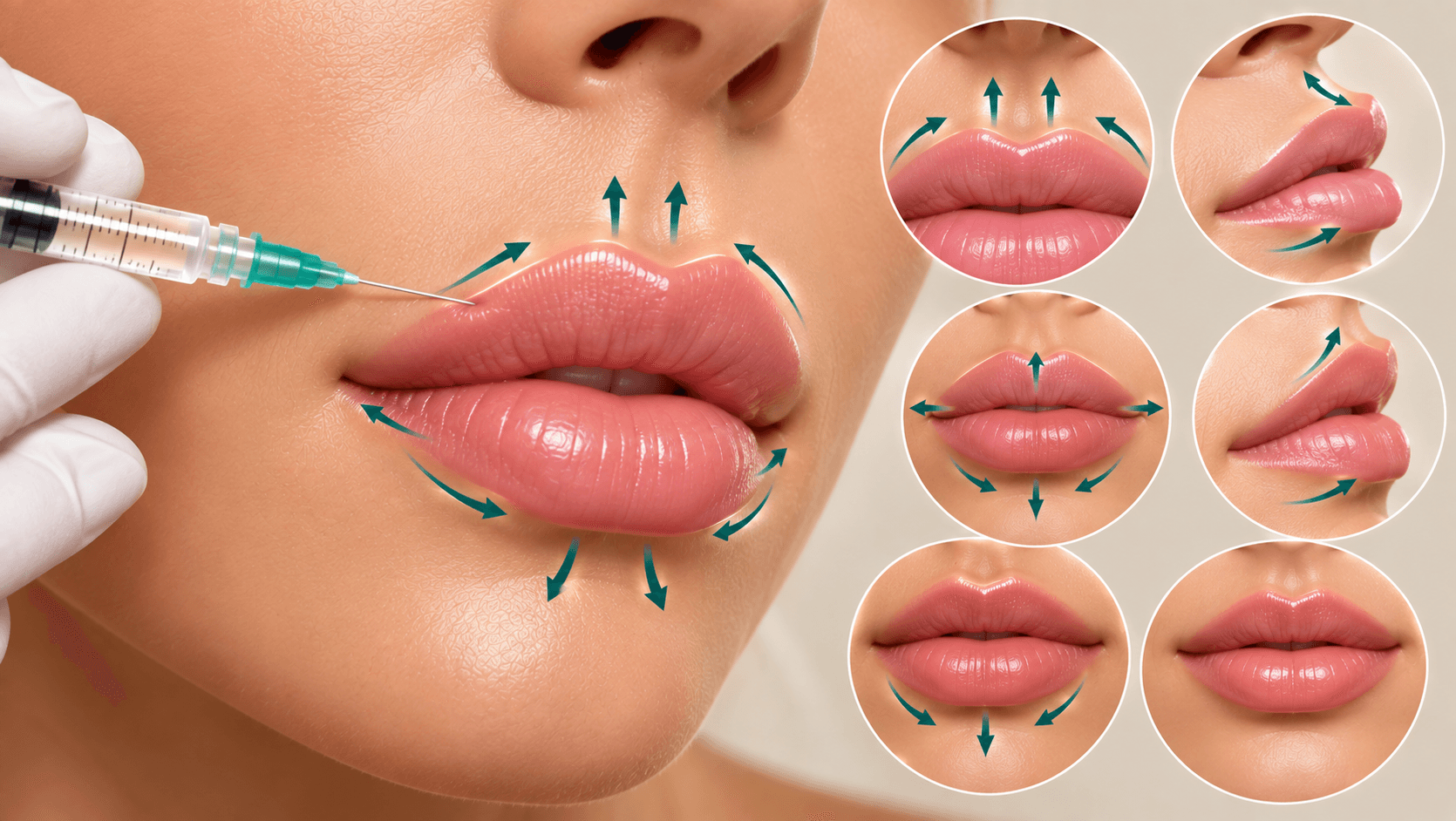
Lip Fillers
Lip fillers are a non-surgical treatment where a gel, usually hyaluronic acid, is injected to add volume, shape or definition to the lips. Results are temporary, and suitability should be discussed with a qualified practitioner.
Verified clinics: 0
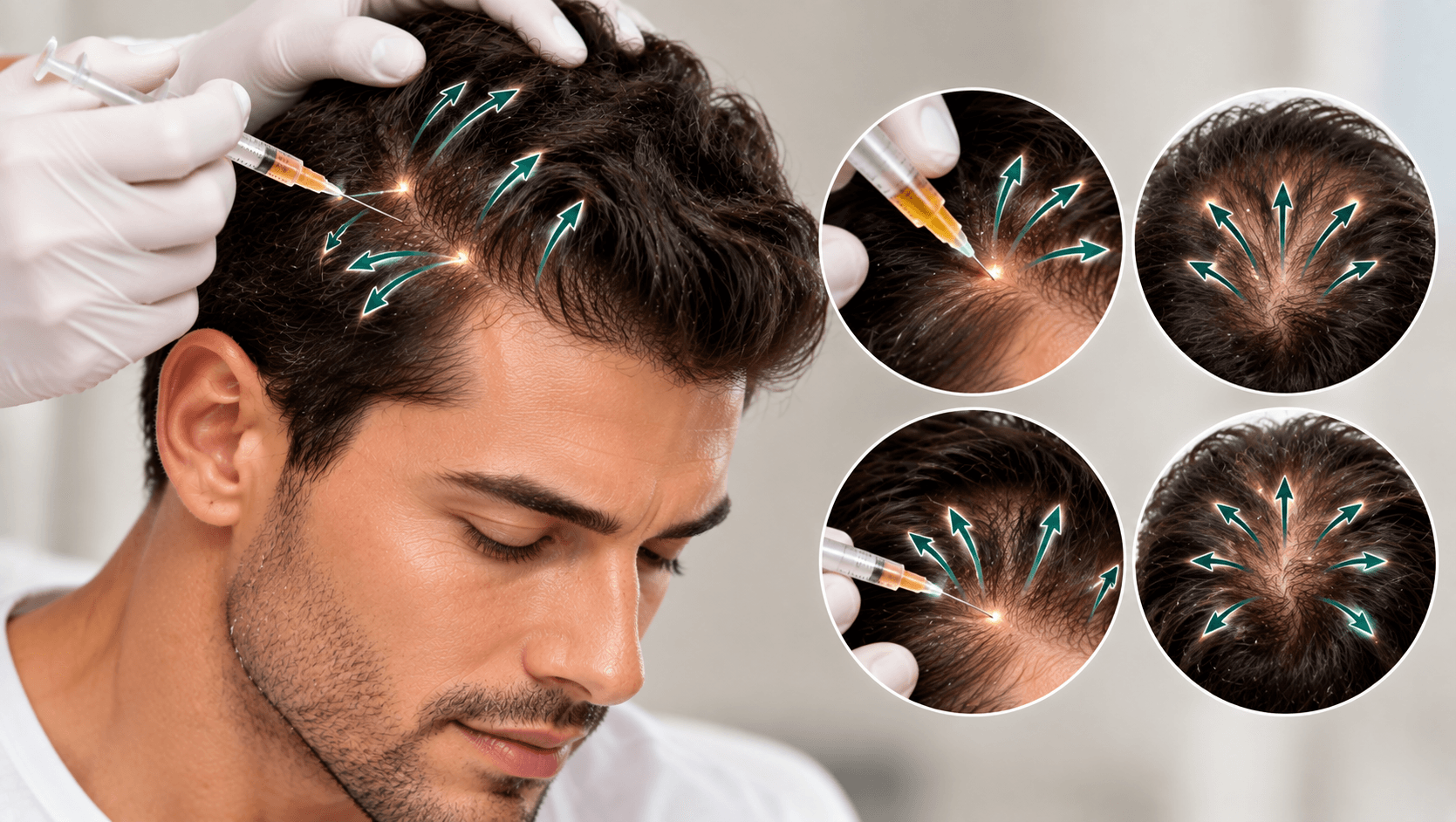
Mesotherapy
Mesotherapy uses tiny injections of vitamins, hyaluronic acid or other active ingredients into the skin to refresh its appearance, support hair care or treat small areas, usually as a series of short sessions without surgery.
Verified clinics: 0
PRP Treatment
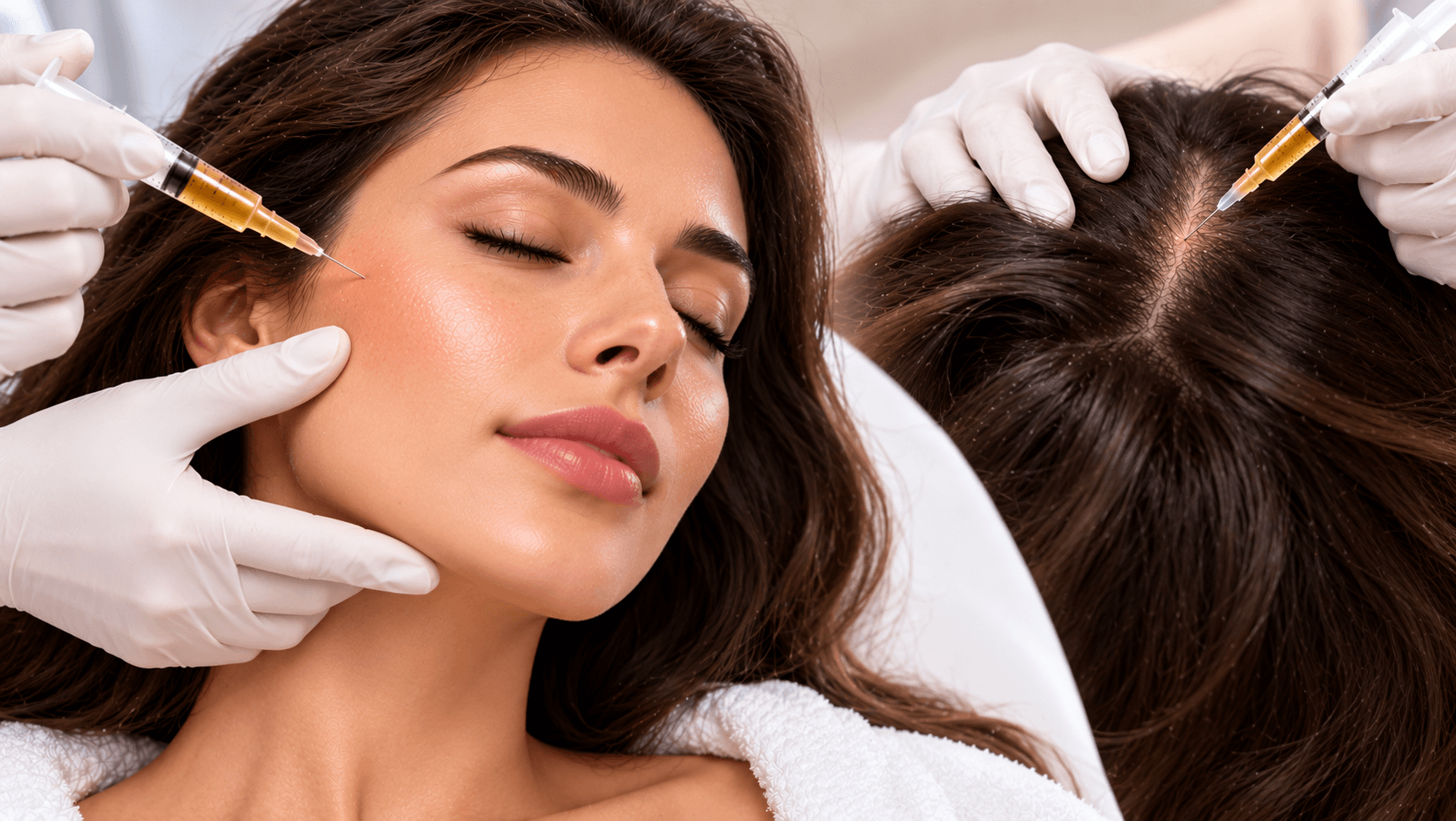
PRP treatment uses platelet-rich plasma from your own blood to support skin quality and hair thinning. It is a non-surgical, injection-based procedure, usually done in a clinic without a hospital stay.
Verified clinics: 0