
Botox treatment abroad: what to know and how to choose a clinic
Botox is a non-surgical treatment in which small amounts of botulinum toxin are injected to temporarily relax certain facial muscles and soften expression lines. Results wear off gradually, and treatments are usually repeated.
About Botox
Botox is a non-surgical aesthetic treatment in which a purified form of botulinum toxin is injected in very small amounts into selected facial muscles. It temporarily relaxes those muscles, which can soften expression lines such as frown lines, forehead lines and crow's feet. The effect wears off gradually, so treatments are usually repeated.
Key facts
- What it treats: mainly expression lines on the upper face, such as frown lines, forehead lines and crow's feet. Doctors may also use it for some medical conditions, such as excessive sweating.
- How it is done: a doctor uses a very fine needle to give a few small injections into specific muscles, usually in a short appointment.
- Anaesthesia: usually none is needed. Some clinics use a numbing cream or a cold pack to make the injections more comfortable.
- Hospital stay: none. It is an outpatient treatment and most people go home straight afterwards.
- Recovery: most people go back to their normal routine soon after. Small marks or slight redness usually settle quickly, and the full effect builds gradually over the following days.
Who is suitable for Botox?
Botox is generally considered for healthy adults who want to soften lines caused by repeated facial movement. Whether it suits you depends on your health, your expectations and an assessment by a qualified doctor.
People who may be considered suitable often:
- have lines that show mainly when they frown, raise their eyebrows or smile
- are in good general health
- have realistic expectations about what an injectable treatment can and cannot do
Botox is usually not advised, or needs extra care, if you:
- are pregnant or breastfeeding
- have certain neuromuscular conditions
- have an infection or inflammation where the injections would go
- have had a reaction to botulinum toxin products before
Tell your doctor about all medicines, supplements and earlier cosmetic treatments, as these can affect whether Botox is right for you.
How is Botox done?
The treatment is a short, simple procedure carried out in a clinic room. After a consultation, the doctor marks the areas to treat and injects small amounts of the product into chosen muscles.
A typical appointment includes:
- a consultation about your medical history, goals and concerns
- an examination of your face at rest and while you make different expressions
- cleaning the skin and, if needed, applying a numbing cream
- several small injections with a very fine needle
- aftercare advice before you leave
Most people describe the injections as a quick pinch. The doctor decides the amount and the exact injection points for each person.
What is recovery like after Botox?
Recovery is usually short, and many people return to work or daily life the same day. The effect does not show at once; it develops gradually over the following days.
Common aftercare advice includes:
- not rubbing or massaging the treated areas for a while
- avoiding lying flat, intense exercise, saunas and alcohol for a short time, if your doctor advises it
- staying upright for a few hours after treatment
- going to a follow-up appointment if the clinic offers one
Results last for a limited time and fade as muscle movement slowly comes back. How long the effect lasts differs from person to person, so ask your doctor what to expect in your case.
What are the risks and side effects of Botox?
Botox is widely used, but like any medical treatment it has possible side effects. Most are mild and short-lived, though less common problems can happen, so treatment should be given by a qualified practitioner.
Possible side effects include:
- redness, swelling, tenderness or small bruises at the injection sites
- headache
- a temporary heavy feeling in the forehead
- a drooping eyelid or eyebrow, or uneven results, which are usually temporary
- in rare cases, allergic reactions or effects spreading beyond the treated area
Get medical advice straight away if you notice difficulty swallowing, speaking or breathing, or vision changes. Your doctor will explain the risks that apply to you personally.
What affects the cost of Botox?
The cost of Botox varies widely and depends on several factors. Ask for a clear quote after your consultation so you know what is included.
Things that can affect the price:
- the number of areas treated
- the amount of product needed, which differs per person
- the product brand used
- the doctor's qualifications and experience
- the country and city of the clinic
- whether a follow-up appointment or touch-up is included
When treatment is abroad, also think about travel and accommodation, and how follow-up care will work once you are back home.
How do I choose a clinic for Botox abroad?
Choose a clinic where qualified medical professionals carry out the treatment, use approved products and give you clear information. A proper consultation before any injection is a good sign.
Questions worth asking:
- Who will do the injections, and what are their qualifications?
- Which product will be used, and is it approved in that country?
- Is a consultation and medical history check included?
- What aftercare and follow-up are offered?
- What happens if you have side effects after going home?
- Is the quote clear, with no hidden extras?
Be careful with offers that seem very cheap or promise guaranteed results. Since Botox is quick, some people combine it with a trip, but leave enough time for a follow-up if one is advised.
Closing thoughts
If you are thinking about Botox, you can compare verified clinics on our marketplace and send one free request. Clinics will then contact you with information and answer your questions. The treating doctor will assess your situation and decide what is suitable for you.
This page gives general information and is not medical advice. A doctor at the clinic will assess whether a treatment is right for you.
Clinics offering Botox

No verified clinics offer this treatment yet.
Frequently asked questions
Does Botox hurt?
Most patients feel only a brief pinch or sting with each injection, because the needle is very fine and the injections are quick. Some clinics apply a numbing cream or an ice pack beforehand to make things more comfortable. How it feels varies from person to person, so if you are worried about discomfort, mention it at your consultation so the doctor can suggest ways to make the appointment easier for you.
How soon will I see results from Botox?
Botox does not work instantly. Most people notice changes gradually over the days after treatment, as the targeted muscles slowly relax. The full effect can take a little longer to appear, and the timing differs between individuals. Your doctor may suggest a check-up appointment to review the result and decide whether any adjustment is needed. Try not to judge the outcome in the first few days.
Can I fly straight after Botox treatment?
Many people travel soon after Botox because it is a non-surgical treatment with no hospital stay. Still, it is wise to follow your doctor's specific aftercare advice, such as staying upright and not rubbing the treated area. If you are having treatment abroad, plan your trip so there is time for a follow-up visit if one is recommended, and ask the clinic how they handle questions once you are home.
Will Botox make my face look frozen?
The aim of Botox is usually to soften expression lines while keeping natural movement, but results depend on the amount used, where it is injected and how your muscles respond. An experienced practitioner will discuss how much movement you want to keep. Tell your doctor clearly what look you are hoping for, and remember that the effect is temporary and fades gradually as muscle activity returns.
What is the difference between Botox and dermal fillers?
Botox and fillers work in different ways. Botox relaxes muscles to reduce lines caused by facial movement, such as frown lines. Dermal fillers are gels injected under the skin to add volume or smooth lines that are visible even when the face is at rest. Some people have both, but a qualified doctor should assess your face and explain which option, if any, suits your concerns.
Related treatments
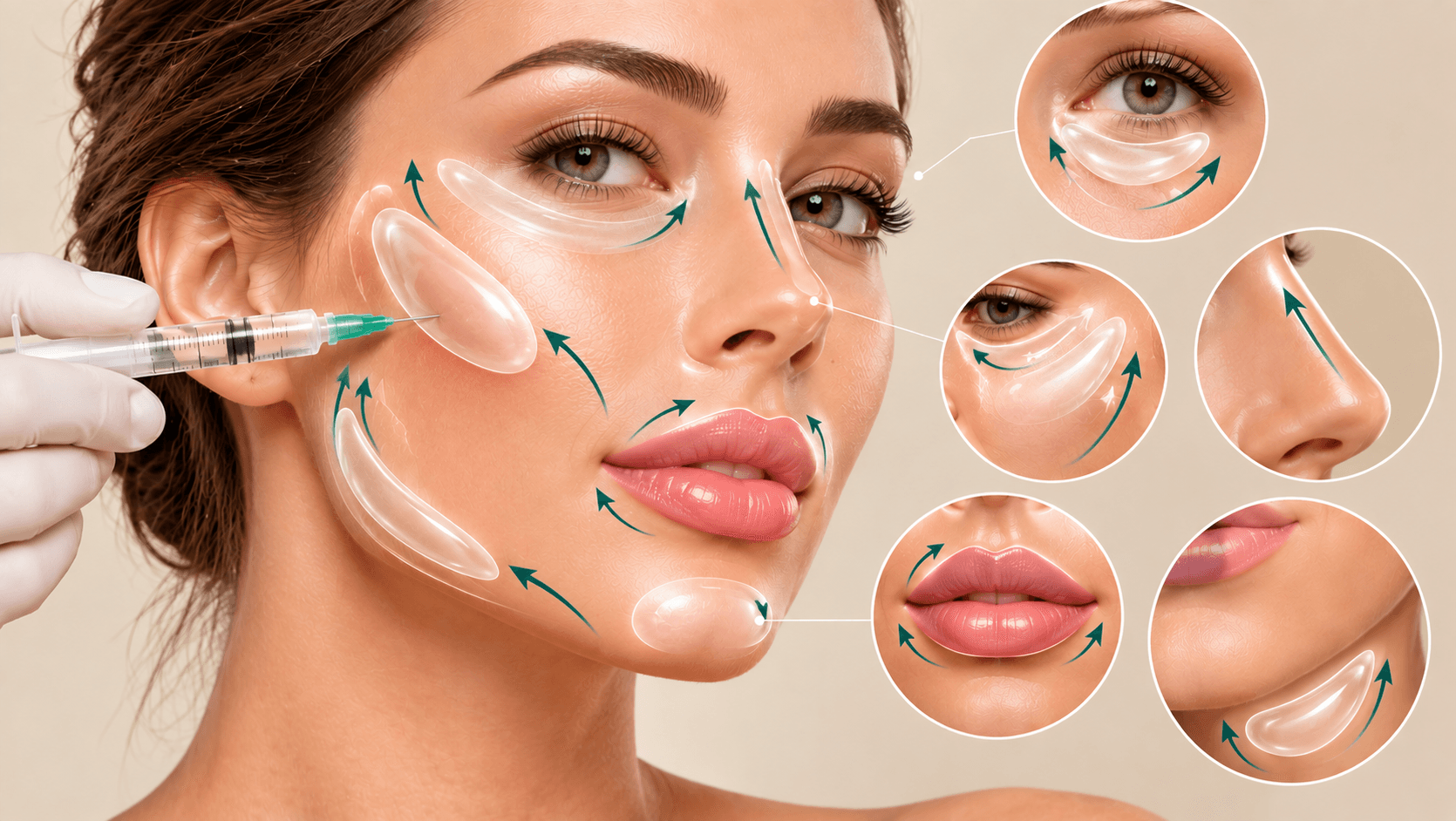
Dermal Fillers
Injectable gels, most often hyaluronic acid, used to restore volume, soften lines and enhance areas such as the lips, cheeks and jawline without surgery. Results are temporary and vary from person to person.
Verified clinics: 0
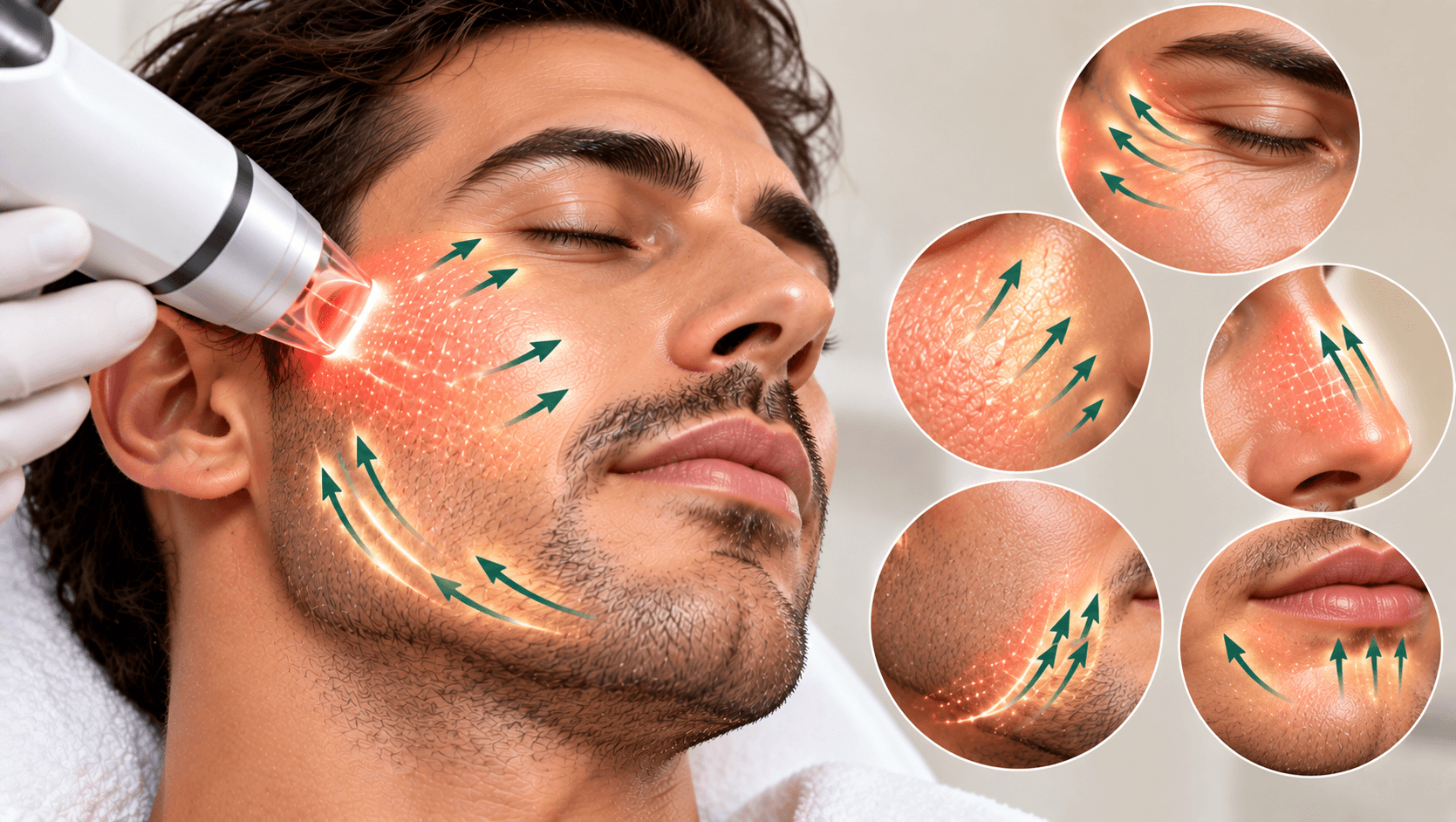
Laser Skin Rejuvenation
A non-surgical treatment that uses laser light to improve skin texture, tone, fine lines and sun damage, with options from gentle non-ablative sessions to more intensive resurfacing.
Verified clinics: 0
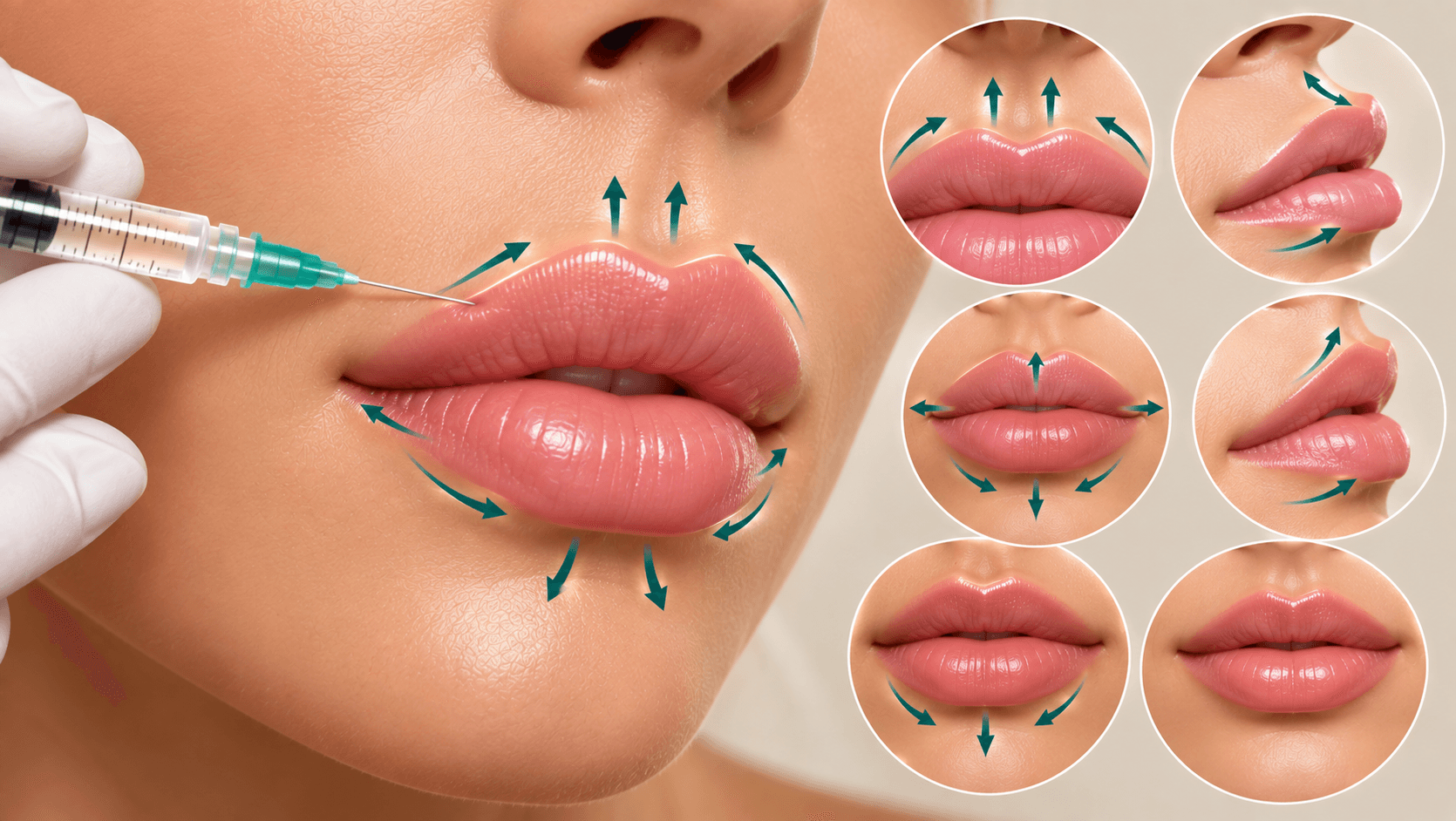
Lip Fillers
Lip fillers are a non-surgical treatment where a gel, usually hyaluronic acid, is injected to add volume, shape or definition to the lips. Results are temporary, and suitability should be discussed with a qualified practitioner.
Verified clinics: 0
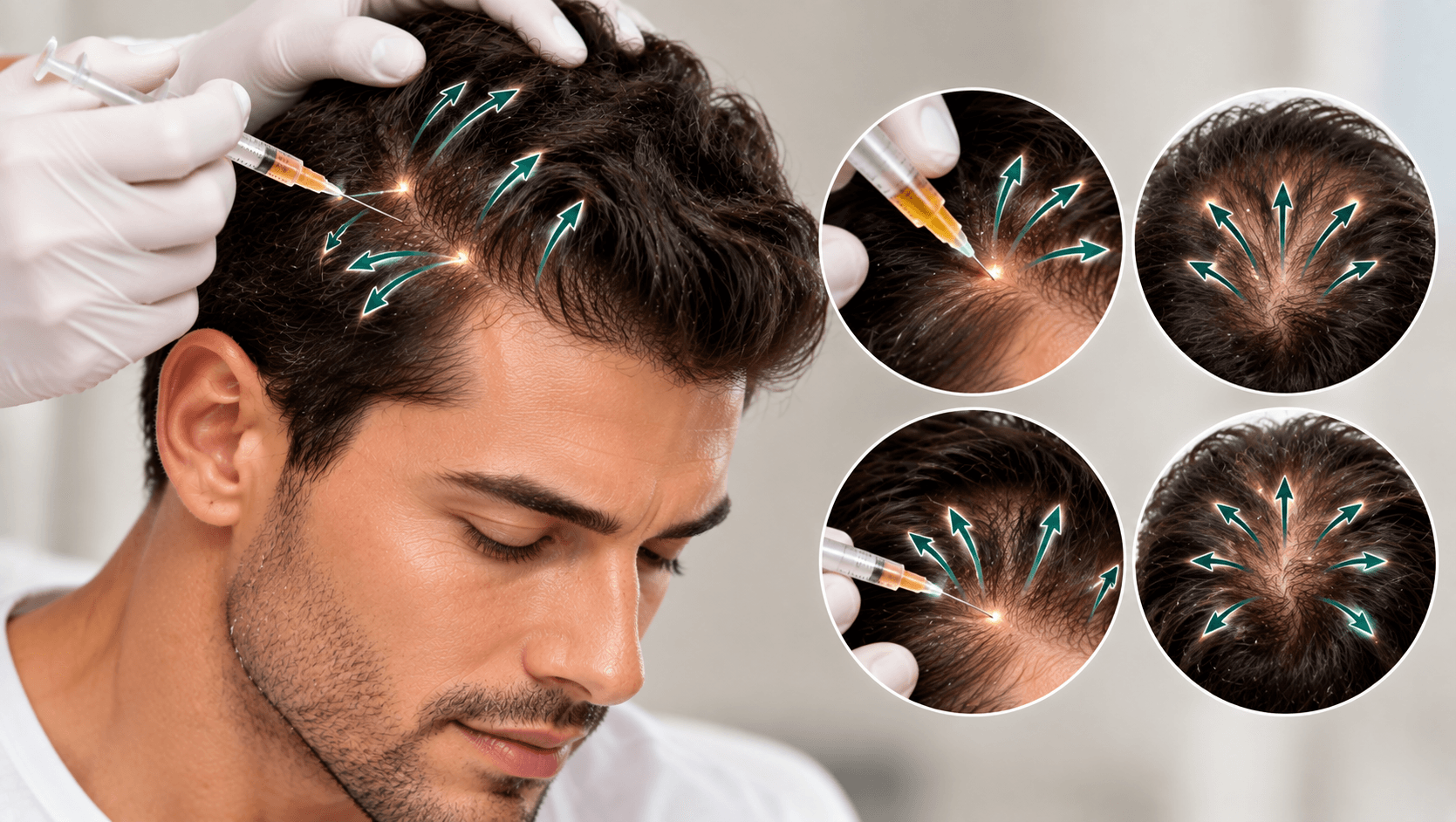
Mesotherapy
Mesotherapy uses tiny injections of vitamins, hyaluronic acid or other active ingredients into the skin to refresh its appearance, support hair care or treat small areas, usually as a series of short sessions without surgery.
Verified clinics: 0
PRP Treatment
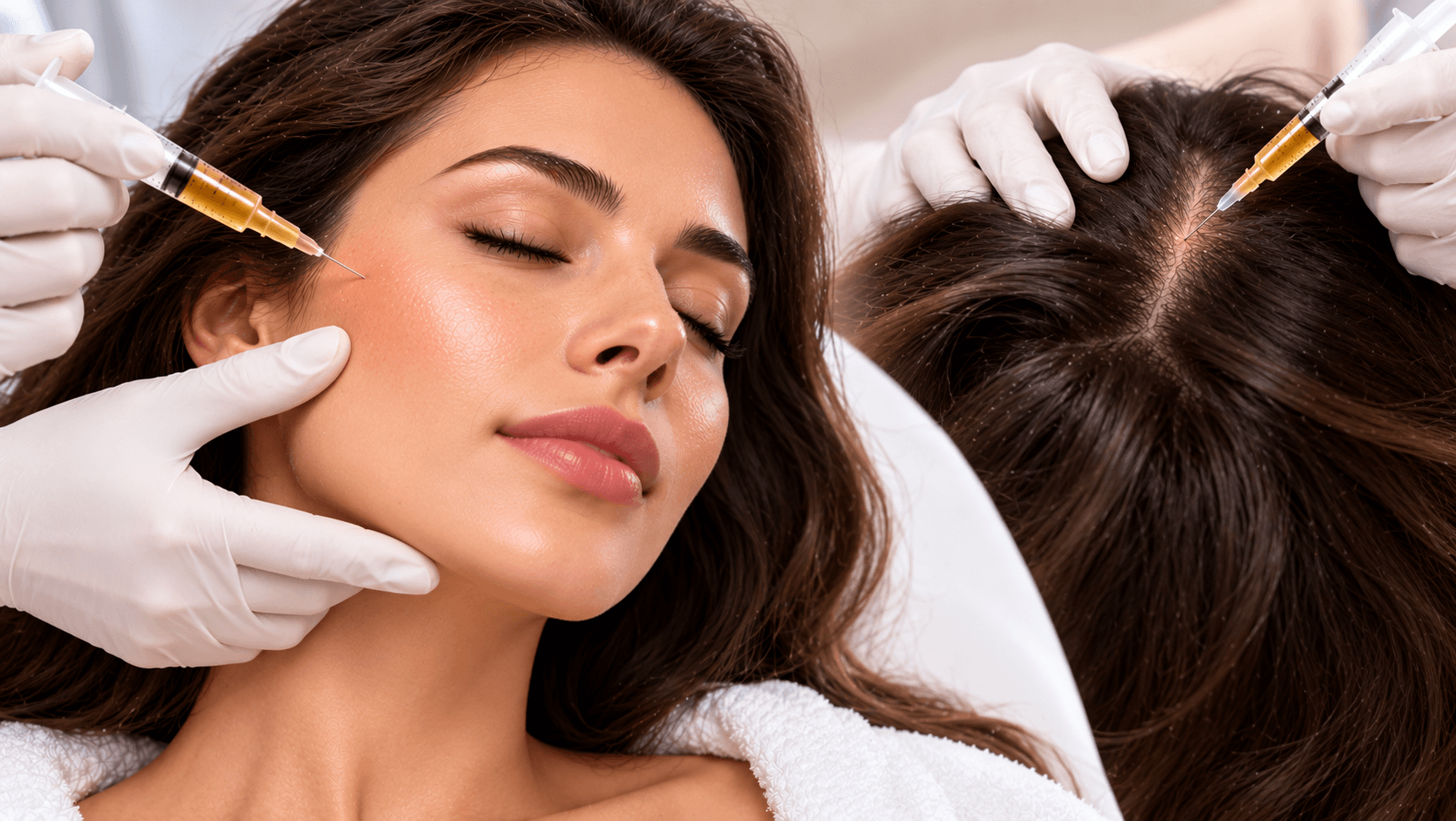
PRP treatment uses platelet-rich plasma from your own blood to support skin quality and hair thinning. It is a non-surgical, injection-based procedure, usually done in a clinic without a hospital stay.
Verified clinics: 0