
Your guide to lip fillers abroad
Lip fillers are a non-surgical treatment where a gel, usually hyaluronic acid, is injected to add volume, shape or definition to the lips. Results are temporary, and suitability should be discussed with a qualified practitioner.
About Lip Fillers
Lip fillers are a non-surgical cosmetic treatment in which a trained practitioner injects a gel, most commonly based on hyaluronic acid, into or around the lips. The aim is to add volume, improve shape or definition, or soften fine lines around the mouth. Results are temporary because the body gradually breaks the filler down.
Key facts
- Treats thin or uneven lips, loss of volume with age, a less defined lip border and fine lines around the mouth
- Done with small injections using a fine needle or a blunt-tipped cannula, usually in a single appointment
- Numbing cream is commonly used, and many fillers also contain a local anaesthetic
- No hospital stay is needed, and most people go home soon after the appointment
- Recovery usually starts with swelling and tenderness that settle gradually, followed by the lips taking on their final look
Who is suitable for lip fillers?
Lip fillers are generally considered for healthy adults who would like fuller, more balanced or more defined lips and have realistic expectations. Whether the treatment is right for you can only be decided by the practitioner after a consultation.
People who may be considered include those who:
- Feel their lips are thin or have become thinner with age
- Have lips that look uneven or lack a clear outline
- Notice fine vertical lines around the mouth
- Want a subtle change rather than a permanent one
The treatment may be postponed or not recommended if you are pregnant or breastfeeding, have an active cold sore or skin infection near the mouth, have certain autoimmune conditions, take blood-thinning medicines, or have had allergic reactions to filler ingredients. Always share your full medical history and any medicines or supplements you take.
How is the treatment done?
The treatment is usually carried out in a clinic room and is often completed in one visit. After cleaning the skin and numbing the area, the practitioner injects small amounts of filler at carefully chosen points.
A typical appointment may include:
- A consultation to discuss your goals, facial proportions and medical history
- Photos for your records, taken with your consent
- Applying numbing cream and waiting for it to take effect
- Injecting the filler gradually, checking the shape and symmetry as they go
- Gently massaging the area if needed and giving you aftercare advice
Many practitioners prefer a gradual approach, adding more at a follow-up visit if needed rather than doing too much at once. This helps keep the result natural-looking and in proportion with your face.
What does recovery look like?
Most people can return to light daily activities soon after treatment, although the lips often look swollen at first. Swelling, tenderness and small bruises are common and usually settle over the following days, but this differs from person to person.
General aftercare advice often includes:
- Avoiding touching, pressing or massaging the lips unless told to
- Using a cold compress gently if recommended
- Avoiding strenuous exercise, saunas and alcohol for a short period
- Not wearing lipstick until your practitioner says it is fine
- Contacting the clinic straight away if you notice unusual pain, skin colour changes or worsening swelling
If you are travelling abroad, ask your practitioner when it is sensible to fly and whether a follow-up check is advised before you leave.
What are the risks and side effects?
Lip fillers are widely performed, but like any injectable treatment they carry risks. Most side effects are mild and temporary, though rare complications can be serious and need quick medical attention.
Common, usually short-lived effects include:
- Swelling, redness and tenderness
- Bruising at injection points
- Small lumps or unevenness that may settle
- A cold sore flare-up in people prone to them
Less common but more serious risks include infection, allergic reactions, filler moving away from where it was placed, and a blocked blood vessel, which can affect the skin and needs urgent treatment. Hyaluronic acid fillers can usually be dissolved with an enzyme if a problem occurs, which is one reason many practitioners choose them. Your own risks depend on your health and anatomy and should be discussed with the treating practitioner.
How long do lip filler results last?
The results of lip fillers are temporary and gradually fade as the body absorbs the gel. How long they last varies from person to person.
Factors that can affect this include the type of filler used, the amount injected, your metabolism, lifestyle and how much you move your mouth. Many people choose top-up treatments over time to maintain their look, while others let the filler fade naturally. Your practitioner can explain what to expect in your case.
What affects the cost?
The price of lip fillers varies between countries, cities and clinics. Getting a personalised quote after a consultation is the clearest way to understand what you would pay.
Things that commonly influence the cost include:
- The brand and type of filler
- How much filler you need
- The experience and qualifications of the practitioner
- Whether the consultation and follow-up visits are included
- The location and setting of the clinic
When comparing quotes, check exactly what is included so you can compare like with like.
How do I choose a clinic abroad?
Choosing a clinic abroad is mainly about qualifications, safety and clear communication. Take your time to compare options and ask questions before booking.
Points worth checking:
- That the treatment is performed by a medically qualified, trained practitioner
- Which filler brand is used and whether it is an approved product
- How the clinic handles complications and whether it can dissolve filler if needed
- Whether a consultation, aftercare and follow-up are included
- That you can communicate clearly in a language you understand
Ask to see how the clinic plans your treatment and what aftercare support is available once you are back home.
If you are thinking about lip fillers, you can compare verified clinics on our marketplace and send one free request. The clinics will then contact you with information. Your treating practitioner will assess you and decide what is suitable and safe for you.
This page gives general information and is not medical advice. A doctor at the clinic will assess whether a treatment is right for you.
Clinics offering Lip Fillers

No verified clinics offer this treatment yet.
Frequently asked questions
Do lip fillers hurt?
Most people describe the feeling as mild discomfort rather than real pain. Clinics usually apply a numbing cream first, and many fillers contain a local anaesthetic that works during the injections. The lips are sensitive, so you may feel pressure or stinging for a moment. Everyone experiences it differently, so tell your practitioner if you are worried and ask what pain relief options they can offer.
Will my lips look natural after filler?
A natural-looking result depends on careful planning, the amount of filler used and your practitioner's technique. Many practitioners start with a small amount and build up gradually if needed. Right after treatment the lips can look bigger because of swelling, so the final shape is easier to judge once this settles. Share photos of the look you like and talk openly about your expectations during the consultation.
Can lip fillers be reversed?
Fillers made from hyaluronic acid can usually be dissolved with an enzyme called hyaluronidase. This may be used if you are unhappy with the result, if there are lumps, or if a complication occurs. Not every type of filler can be dissolved in this way, so it is worth asking which product will be used before you agree to treatment.
When can I fly home after getting lip fillers?
There is no single rule that suits everyone. Many people feel well enough to travel soon after treatment, but swelling and bruising may still be visible. Some practitioners like to see you again for a check before you leave. Ask your clinic about timing when planning your trip, and make sure you know how to contact them if you notice anything unusual once you are home.
How should I prepare for my lip filler appointment?
Your practitioner will give you personal advice, but common tips include mentioning all medicines and supplements you take, as some can increase bruising. You may be asked to avoid alcohol beforehand and to reschedule if you have a cold sore. Come with clean skin and no lipstick, and avoid booking right before an important event in case swelling or bruising appears.
Related treatments
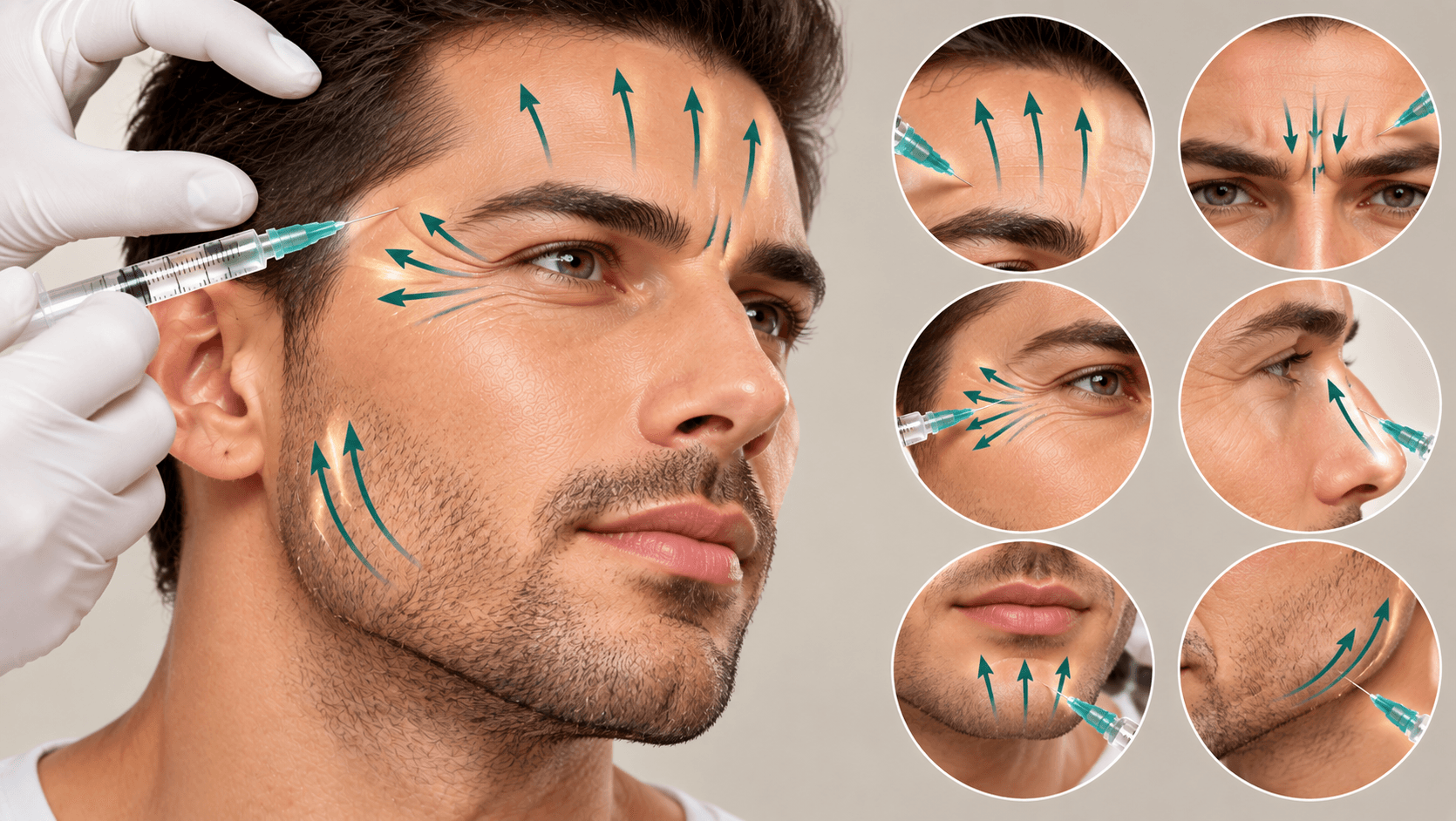
Botox
Botox is a non-surgical treatment in which small amounts of botulinum toxin are injected to temporarily relax certain facial muscles and soften expression lines. Results wear off gradually, and treatments are usually repeated.
Verified clinics: 0
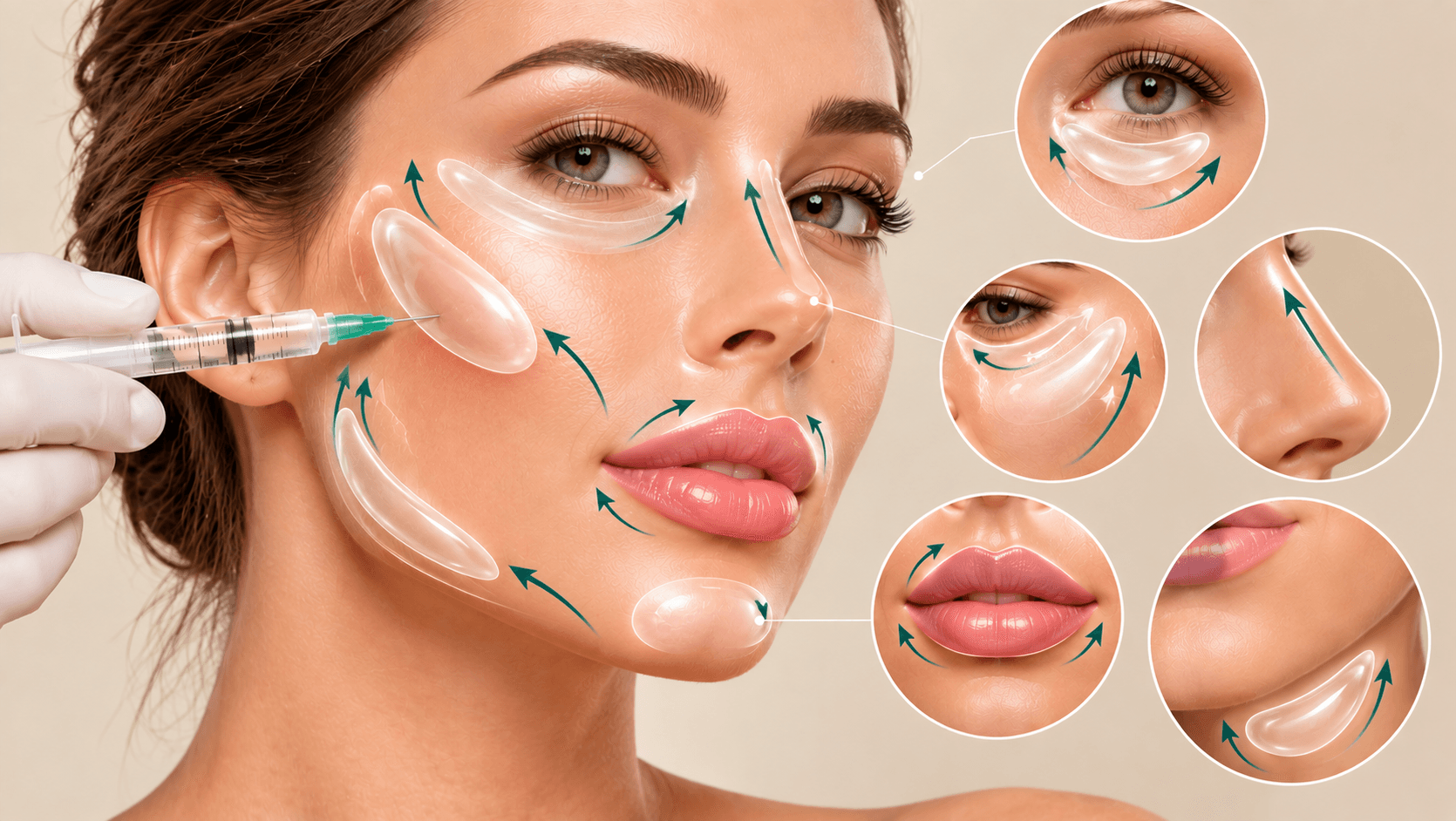
Dermal Fillers
Injectable gels, most often hyaluronic acid, used to restore volume, soften lines and enhance areas such as the lips, cheeks and jawline without surgery. Results are temporary and vary from person to person.
Verified clinics: 0
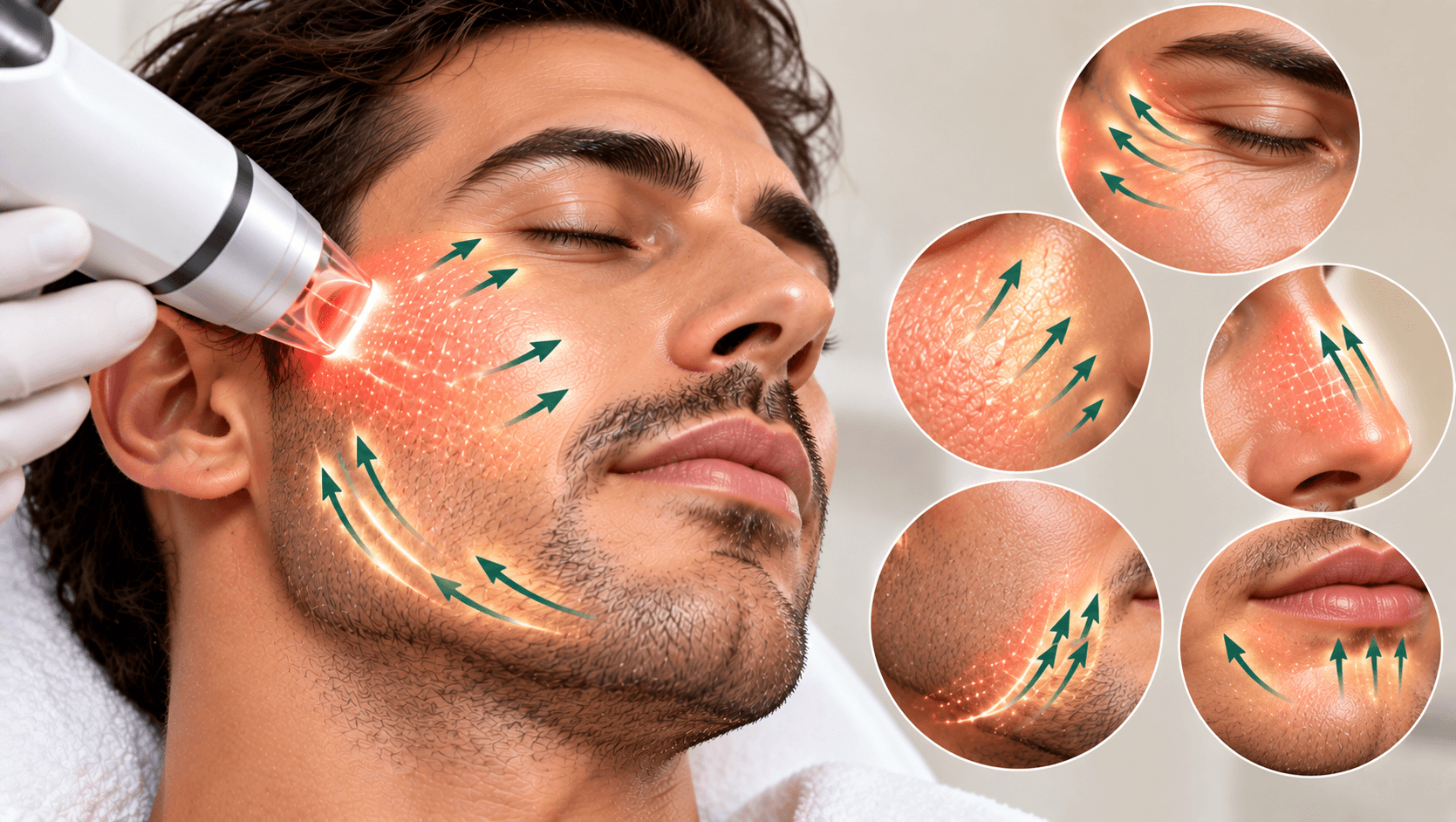
Laser Skin Rejuvenation
A non-surgical treatment that uses laser light to improve skin texture, tone, fine lines and sun damage, with options from gentle non-ablative sessions to more intensive resurfacing.
Verified clinics: 0

Mesotherapy
Mesotherapy uses tiny injections of vitamins, hyaluronic acid or other active ingredients into the skin to refresh its appearance, support hair care or treat small areas, usually as a series of short sessions without surgery.
Verified clinics: 0
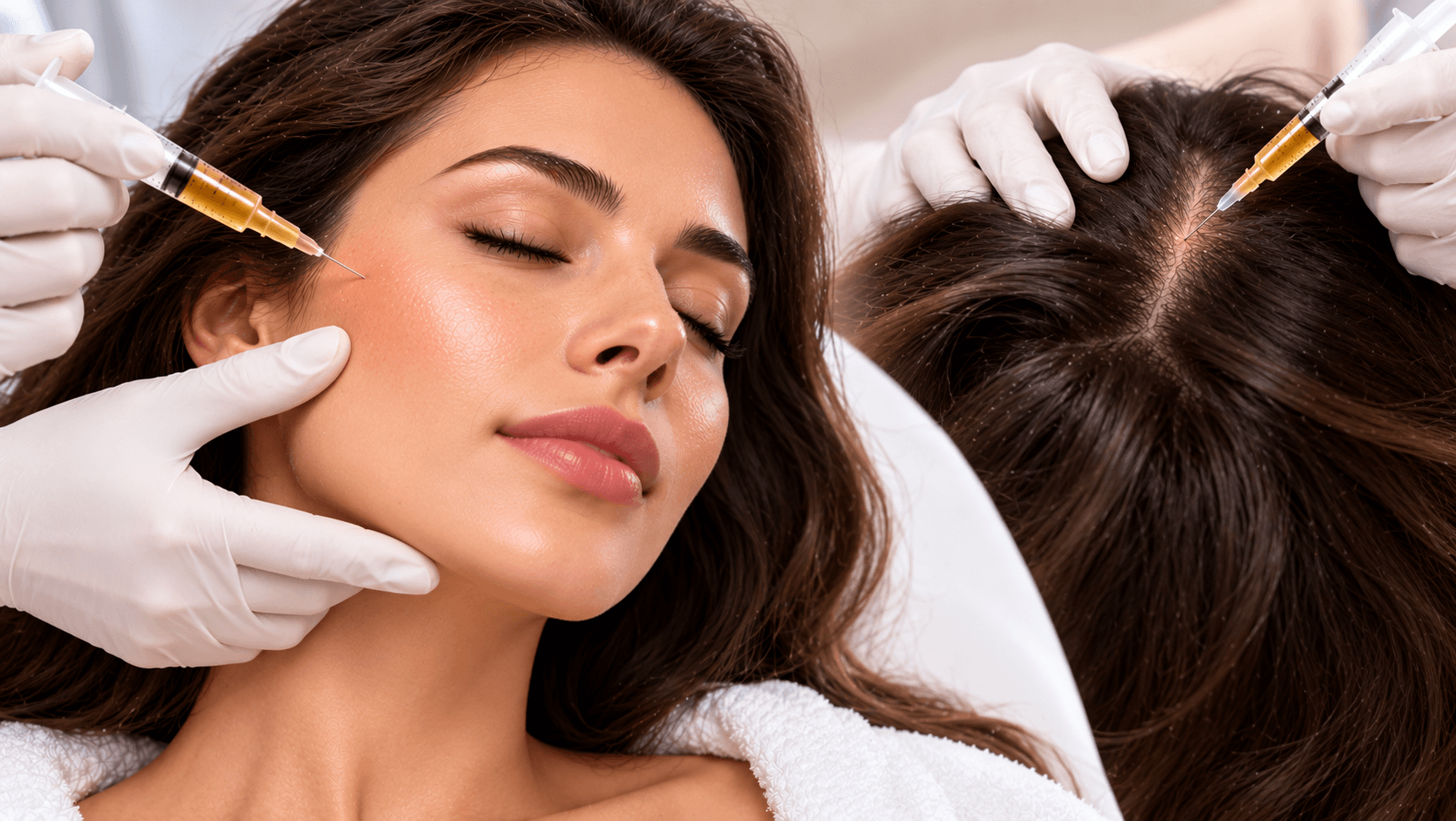
PRP Treatment
PRP treatment uses platelet-rich plasma from your own blood to support skin quality and hair thinning. It is a non-surgical, injection-based procedure, usually done in a clinic without a hospital stay.
Verified clinics: 0