
Compare verified clinics for mesotherapy abroad
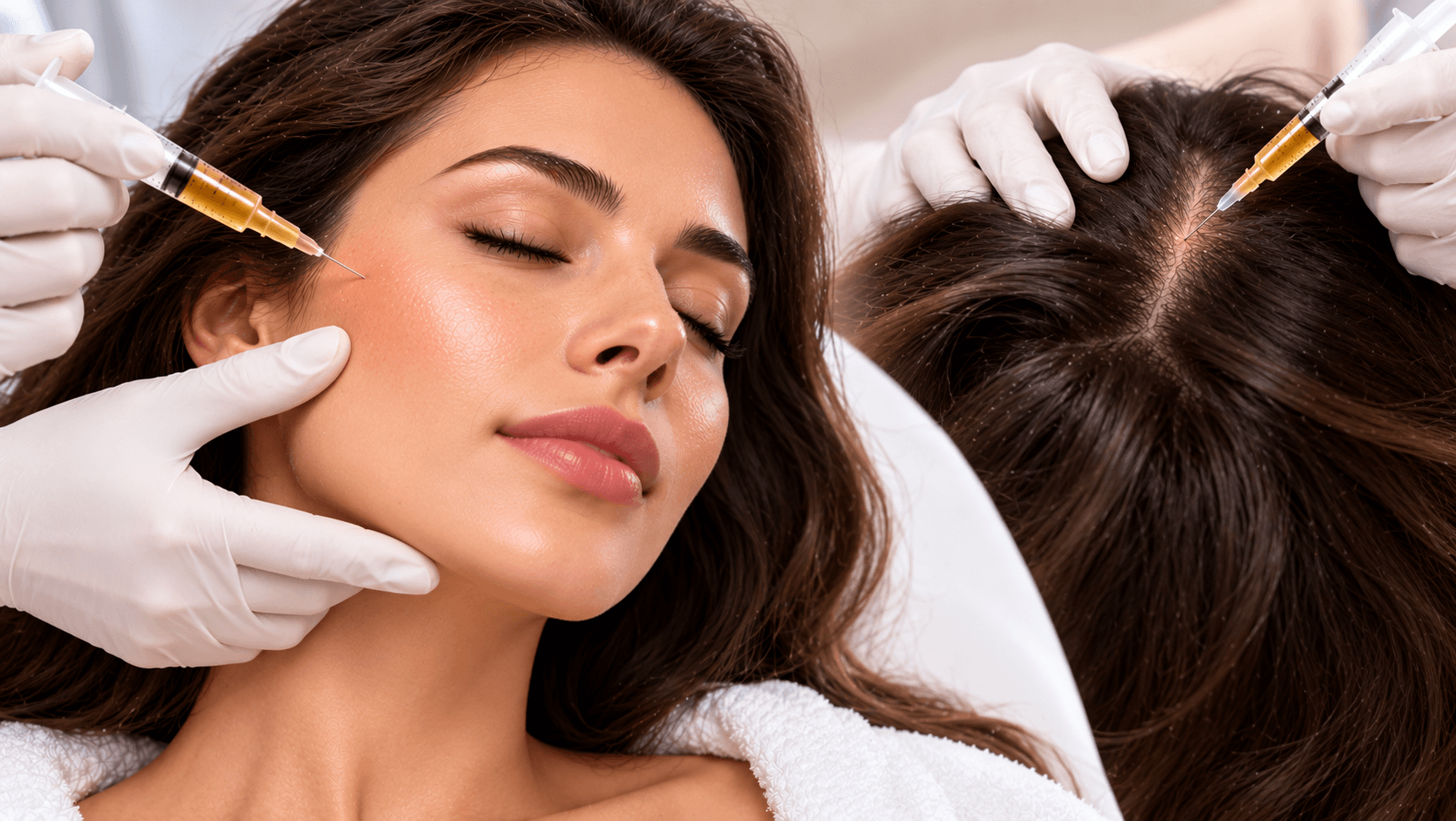
Mesotherapy uses tiny injections of vitamins, hyaluronic acid or other active ingredients into the skin to refresh its appearance, support hair care or treat small areas, usually as a series of short sessions without surgery.
About Mesotherapy
Mesotherapy is a non-surgical aesthetic treatment in which a doctor uses very fine needles to inject small amounts of a mixture, often containing vitamins, amino acids, hyaluronic acid or other active ingredients, into the middle layer of the skin. It is mainly used to refresh tired-looking skin, support hair care and treat small, localised areas.
Key facts
- Commonly used for dull or dehydrated skin, fine lines, thinning hair and sometimes small areas of local fat or cellulite
- Done with many tiny injections using a fine needle, a multi-needle device or an injection gun
- Usually needs only a numbing cream, or no anaesthesia at all
- No hospital stay is needed, and most people go home soon after the session
- Mild redness, small bumps or bruising usually settle over the following days
- It is often planned as a series of sessions, followed by occasional maintenance treatments
What can mesotherapy be used for?
Mesotherapy is mostly used to improve the look and feel of the skin and to support the scalp in people with thinning hair. Some clinics also offer it for small pockets of fat or cellulite, although the evidence for different uses varies.
Common reasons people ask about mesotherapy include:
- Skin rejuvenation: to make the skin look more hydrated, fresh and even, on the face, neck, décolletage or hands
- Hair mesotherapy: injections into the scalp to support hair that is thinning
- Body treatments: small areas of local fat or cellulite, sometimes using fat-dissolving ingredients
- Under-eye area: to refresh a tired appearance, depending on the product used
The exact mixture differs between clinics and products. Your doctor should explain what is in the solution and why it suits your goal.
Who is a suitable candidate for mesotherapy?
Mesotherapy is generally considered for healthy adults with mild to moderate concerns who want a gentle treatment without surgery. It is not a replacement for a facelift, liposuction or a hair transplant, so realistic expectations matter.
You may be a good candidate if you:
- Want to improve skin quality, hydration or glow
- Have early hair thinning and want to explore non-surgical options
- Have small, local areas you want to address rather than significant weight loss
- Are in good general health and have no active skin infection in the treatment area
Mesotherapy is usually not recommended during pregnancy or breastfeeding, or with certain conditions such as active skin infections, some blood-clotting disorders, or allergies to any of the ingredients. Always tell the doctor about your medicines, supplements and medical history, as only they can decide whether it is suitable for you.
How is a mesotherapy session done?
A session is usually short and takes place in a treatment room at the clinic. After cleaning the skin, the doctor injects small amounts of the solution at many points just below the surface.
A typical session often follows these steps:
- A consultation to discuss your goals, health and the products to be used
- Cleansing and disinfecting the treatment area
- Applying a numbing cream if needed, especially on sensitive areas
- Many small injections by hand or with a device
- Applying a soothing product and giving aftercare advice
Most people feel only light pricking or a stinging sensation. Because effects tend to build gradually, doctors often recommend a course of several sessions spaced a few weeks apart. The exact plan depends on the area, the product and your skin.
What is recovery like after mesotherapy?
Recovery is usually quick, and many people return to their normal routine on the same day or the next. Mild redness, swelling, small bumps and tiny bruises are common at first and generally fade within days.
General aftercare advice often includes:
- Avoiding make-up on the treated area for a short time
- Not touching or rubbing the skin
- Skipping saunas, intense exercise and strong sun exposure for a while
- Using gentle skincare and sun protection
- Avoiding alcohol or blood-thinning products if your doctor advises it
Healing differs from person to person. Bruising may take longer to fade for some people, so it is wise to plan important events or flights with this in mind and follow your own doctor's instructions.
What are the risks and side effects of mesotherapy?
Mesotherapy is generally regarded as a low-risk treatment when it is carried out by a qualified professional using approved products. As with any injection, side effects and complications can still happen.
Possible side effects and risks include:
- Redness, swelling, tenderness and bruising
- Itching or small lumps at the injection points
- Allergic reactions to an ingredient
- Skin infection if hygiene is poor
- Changes in skin colour or uneven results
- Rarely, scarring or skin reactions that need medical treatment
Your individual risk depends on your health, your skin and the products used. Ask the doctor what ingredients they use, where they come from and how possible side effects would be handled.
What affects the cost of mesotherapy?
The cost of mesotherapy depends mainly on the area treated, the product used and how many sessions you need. Prices vary between countries and clinics, so it helps to request a personal quote.
Factors that commonly influence the cost include:
- The treatment area, such as face, scalp or body
- The type and brand of solution
- The number of sessions in your plan and any maintenance sessions
- The experience of the doctor and the clinic's location
- Whether a consultation and follow-up are included
If you are travelling, also think about flights, accommodation and time off. Ask clinics what exactly their quote covers.
How do I choose a clinic for mesotherapy abroad?
Choose a clinic where qualified medical professionals carry out the treatment, use clearly identified products and explain the plan openly. A good clinic takes time to understand your goals and tells you honestly if mesotherapy is not the right option.
Helpful questions to ask include:
- Who will perform the treatment, and what are their qualifications?
- Which products are used, and are they approved for this use?
- How many sessions are recommended, and how are they spaced?
- What aftercare and follow-up are available once you return home?
- What happens if you have a side effect after travelling back?
Because mesotherapy often needs several sessions, check whether the treatment plan fits your travel plans or whether follow-up sessions can be done closer to home.
If you are considering mesotherapy, you can compare verified clinics on our marketplace and send one free request. The clinics will then contact you with more information. Your treating doctor will assess your skin, health and goals and decide what is suitable for you.
This page gives general information and is not medical advice. A doctor at the clinic will assess whether a treatment is right for you.
Clinics offering Mesotherapy

No verified clinics offer this treatment yet.
Frequently asked questions
Does mesotherapy hurt?
Most people describe the feeling as light pricking or stinging rather than real pain. Sensitivity depends on the area, with the scalp and the skin around the eyes often feeling more tender. Many clinics apply a numbing cream beforehand to make the session more comfortable. If you are worried about discomfort, mention it during the consultation so the doctor can explain the options available to you.
How many mesotherapy sessions will I need?
Mesotherapy is usually planned as a course rather than a single visit, because the effects tend to build up gradually. The number of sessions depends on your goal, the area, the product and how your skin responds. Some people later choose occasional maintenance treatments. Your doctor can suggest a personal plan after examining you, but no fixed number guarantees a particular outcome.
When will I see results from mesotherapy?
Some people notice that their skin looks a little fresher soon after the first swelling settles, while changes in hair or body areas usually take longer and need several sessions. Results vary widely from person to person and are not guaranteed. Lifestyle, skincare, age and general health can all play a role, so it is best to discuss realistic expectations with your doctor.
Can I fly home straight after mesotherapy?
Because mesotherapy is a minimally invasive treatment without a hospital stay, many people feel well enough to travel soon afterwards. Still, redness, swelling or bruising can be visible for a few days. It is sensible to leave some time between the session and your flight, and to ask the treating doctor for advice based on your treatment and health.
What is the difference between mesotherapy and skin boosters or fillers?
Mesotherapy delivers small amounts of a solution into the skin to improve its quality, often with vitamins or other active ingredients. Skin boosters are a related approach that mainly uses light hyaluronic acid for hydration. Dermal fillers are thicker products placed deeper to add volume or shape. Which option fits you depends on your concerns, so a doctor should recommend the right approach.
Related treatments
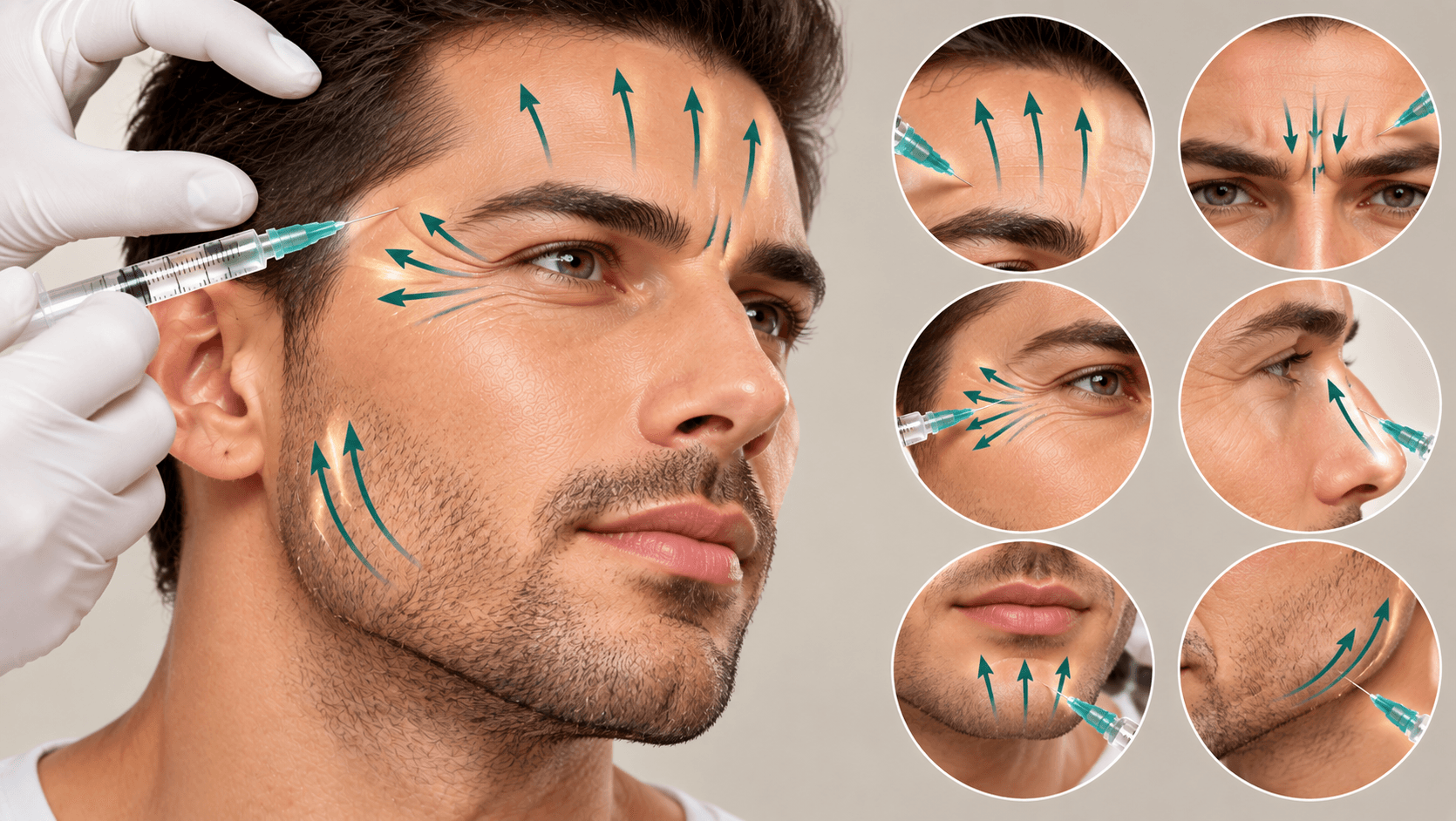
Botox
Botox is a non-surgical treatment in which small amounts of botulinum toxin are injected to temporarily relax certain facial muscles and soften expression lines. Results wear off gradually, and treatments are usually repeated.
Verified clinics: 0
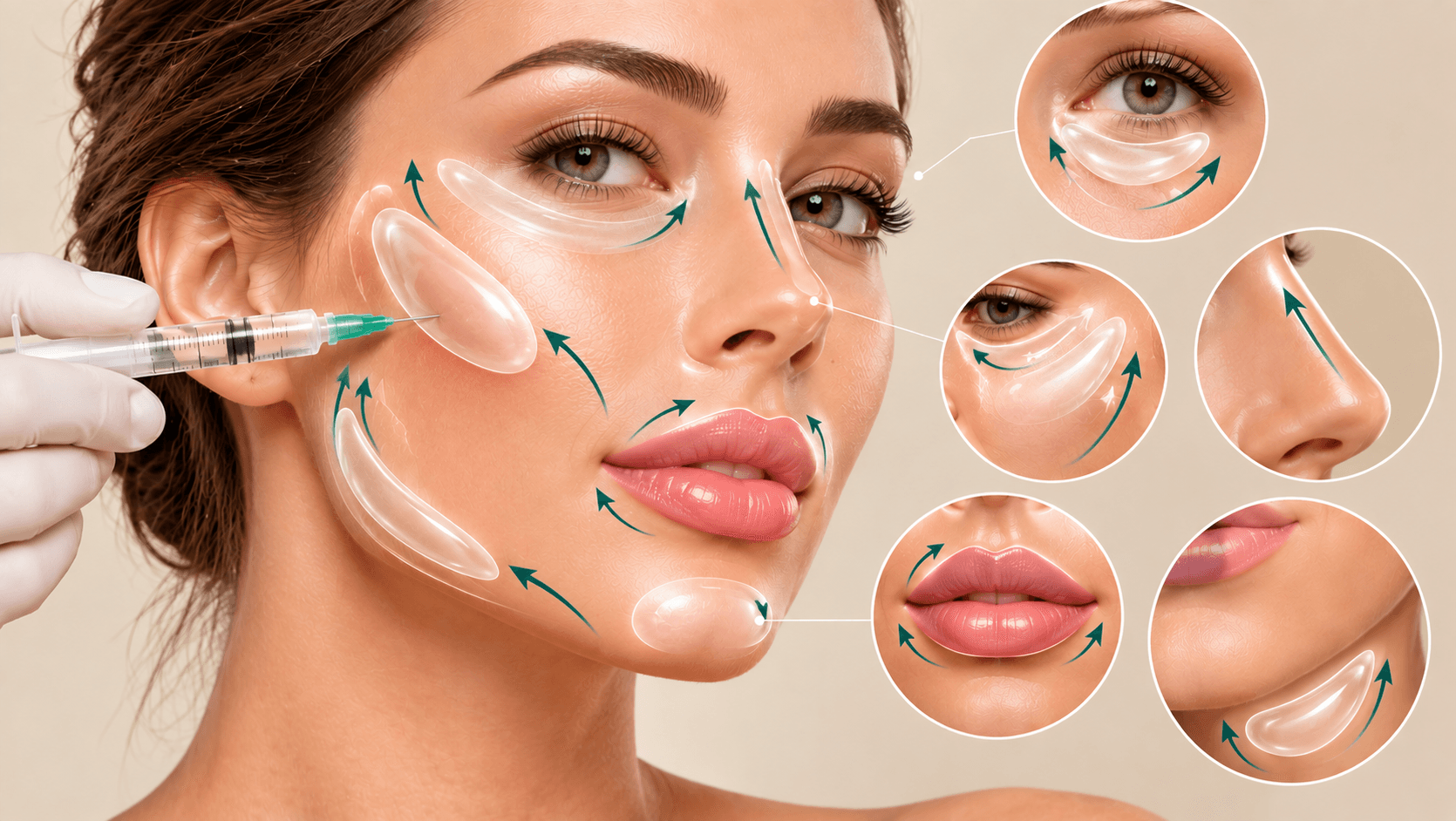
Dermal Fillers
Injectable gels, most often hyaluronic acid, used to restore volume, soften lines and enhance areas such as the lips, cheeks and jawline without surgery. Results are temporary and vary from person to person.
Verified clinics: 0
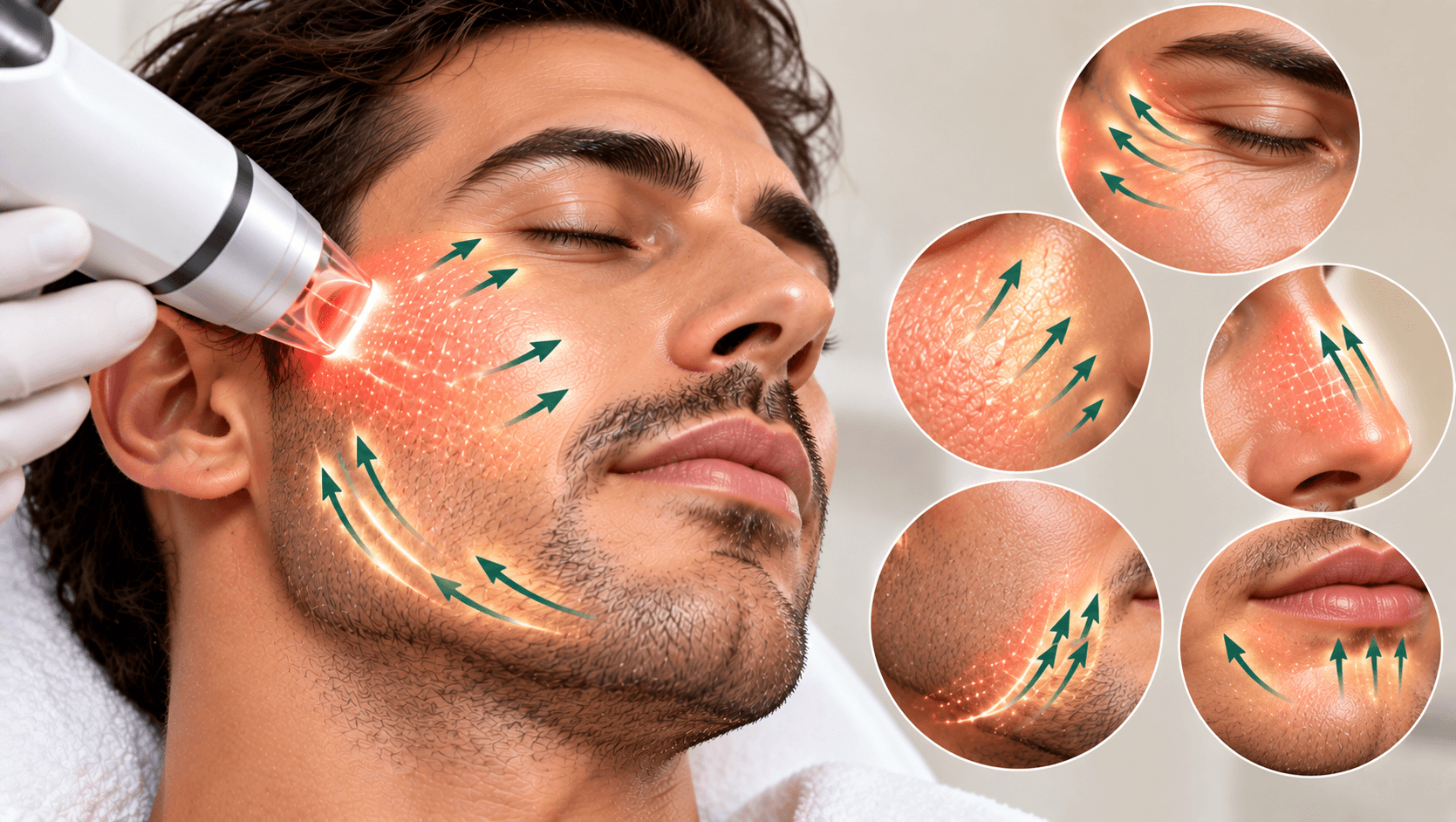
Laser Skin Rejuvenation
A non-surgical treatment that uses laser light to improve skin texture, tone, fine lines and sun damage, with options from gentle non-ablative sessions to more intensive resurfacing.
Verified clinics: 0
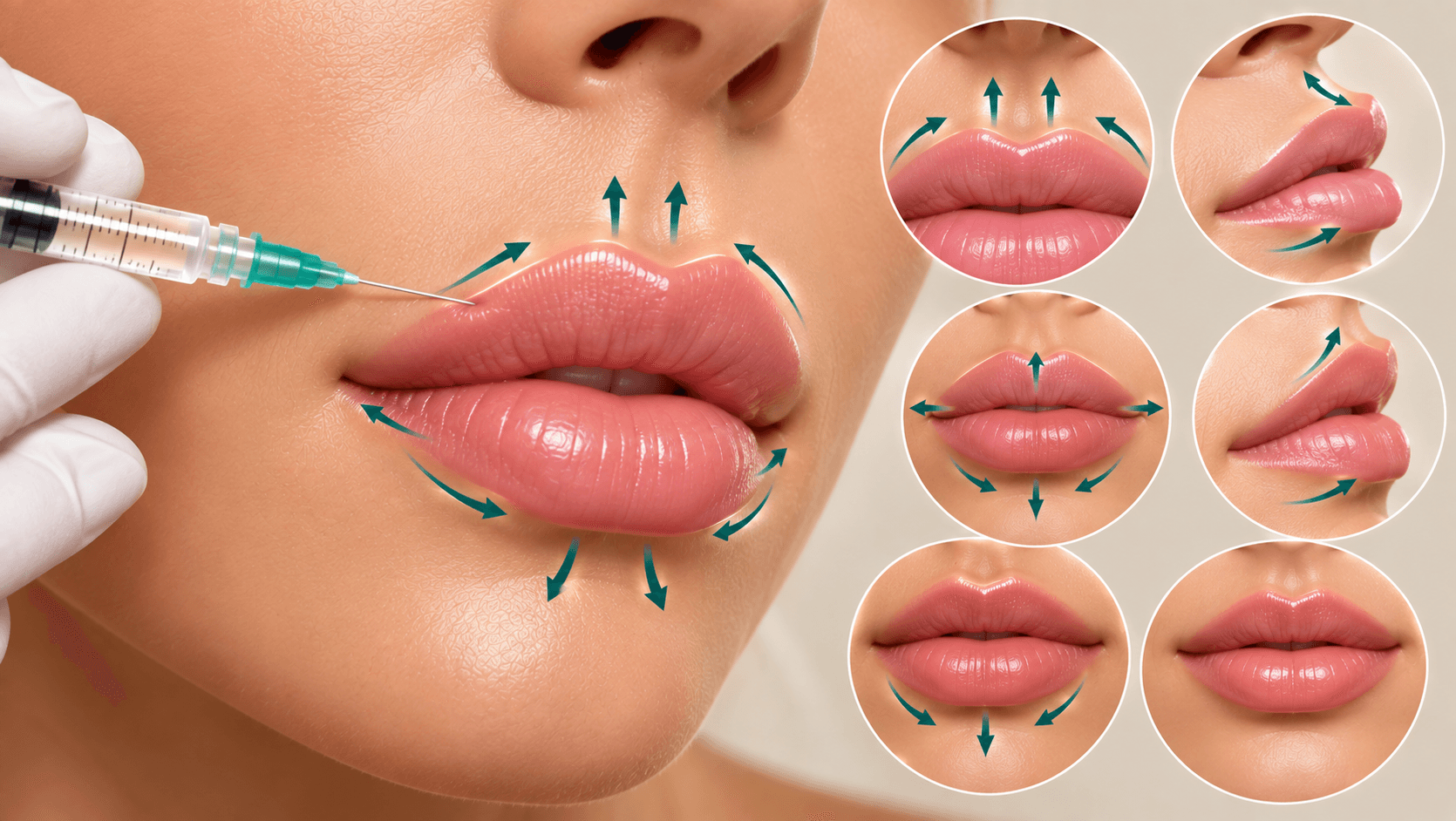
Lip Fillers
Lip fillers are a non-surgical treatment where a gel, usually hyaluronic acid, is injected to add volume, shape or definition to the lips. Results are temporary, and suitability should be discussed with a qualified practitioner.
Verified clinics: 0
PRP Treatment
PRP treatment uses platelet-rich plasma from your own blood to support skin quality and hair thinning. It is a non-surgical, injection-based procedure, usually done in a clinic without a hospital stay.
Verified clinics: 0