
Choosing dental implant clinic abroad: questions to ask before booking
Planning dental implants abroad? These are the questions to ask a clinic about its dentists, your treatment plan, costs, travel timeline and aftercare before you commit.
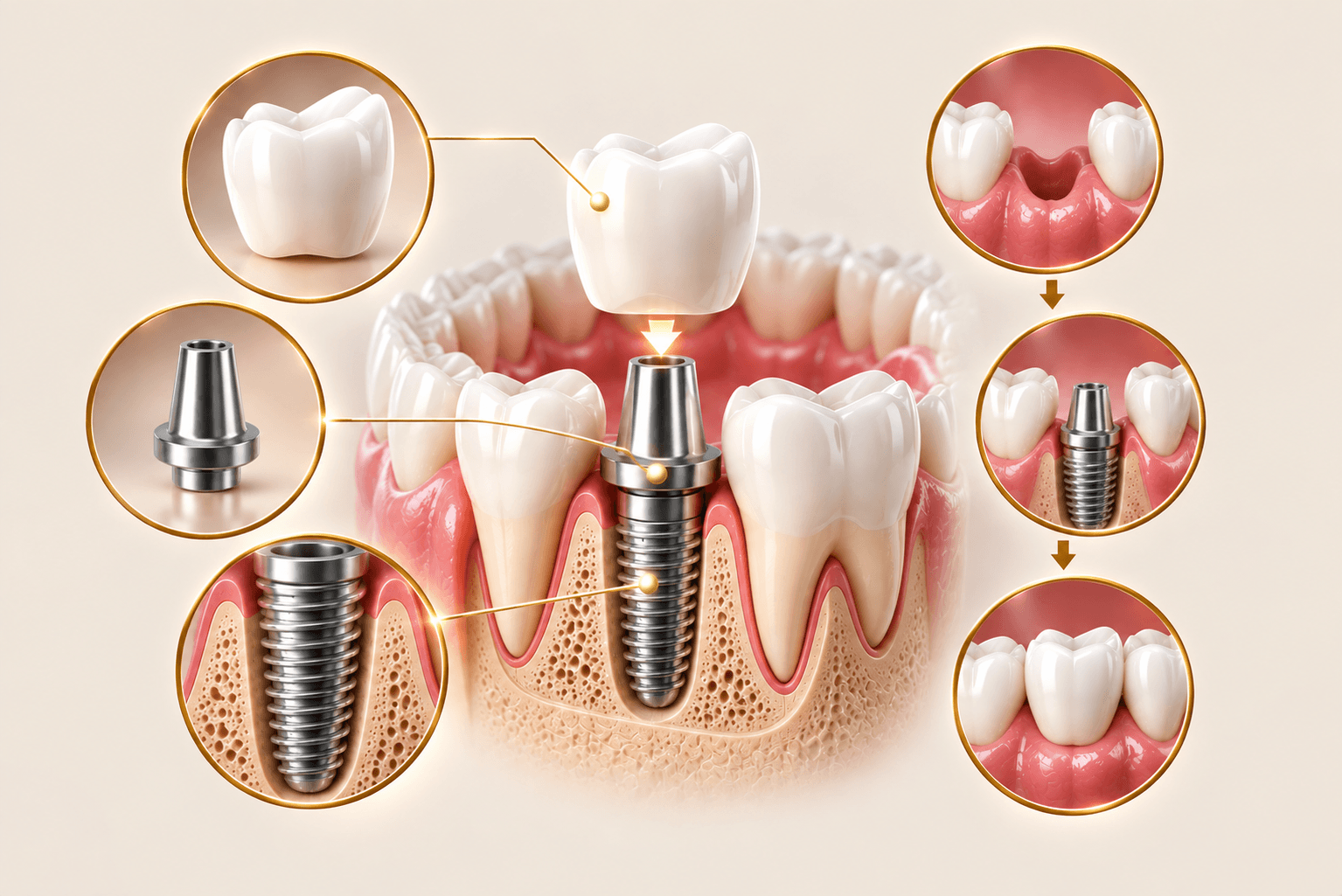
Having dental implants abroad can be a good option for many people, but it's a decision that deserves time and care. Implants replace missing teeth with a small titanium or ceramic post placed in the jawbone. Once it has healed, that post holds a crown, bridge or denture. Treatment usually happens in stages and often needs more than one trip, so the clinic you choose will be with you for months, not days. This guide is a practical checklist for choosing dental implant clinic options abroad. It's built around the questions that help you understand what you're signing up for.
You don't need to ask every question in one go. Pick the ones that matter most to you, and notice how openly and clearly each clinic answers.
Why the right questions matter when choosing a dental implant clinic
Dental implant treatment involves minor oral surgery, a healing period while the implant bonds with the bone (called osseointegration), and finally the fitting of your permanent teeth. Every stage depends on careful planning and on good communication between you and the dental team.
Asking the right questions helps you:
- Understand whether implants are likely to suit you, and what still needs checking
- Compare clinics fairly, using the same information from each
- Avoid surprises about costs, timelines or follow-up care
- Feel comfortable with the people who will be treating you
A clinic that welcomes your questions and explains things patiently is often a good sign. If the answers feel vague or rushed, it's fine to keep looking.
Questions about the dentists and the clinic
Start with the people and the place. Implant treatment is usually carried out by dentists with extra training in implantology or oral surgery. Sometimes it's a team, where one dentist places the implant and another fits the final teeth.
Useful questions include:
- What qualifications and implant experience do the dentists have?
- Who will place my implants, and who will fit the crowns, bridge or denture?
- Which implant brands and crown materials do you use, and why?
- Do you take X-rays or 3D scans on site?
- What anaesthesia options do you offer? Local anaesthesia is usual, and some clinics also offer sedation.
- How will we communicate before, during and after treatment, and in which language?
Ask about hygiene and sterilisation standards too, and whether the clinic can share documents showing the dentists' qualifications.
Questions about your assessment and treatment plan
No clinic can confirm what you need without examining you. Suitability depends on your general health, how healthy your gums are and whether you have enough jawbone to hold an implant. Your dentist checks this with an examination and X-rays or a 3D scan.
Before you book, ask:
- What information or scans do you need from me before you can suggest a plan?
- Will the plan be reviewed again after my in-person examination?
- How many implants do you think I'll need, and what will go on top: a single crown, a bridge or an implant-supported denture?
- Might I need extra steps first, such as extractions, treatment for gum disease, bone grafting or a sinus lift?
- Is a temporary tooth possible on the day of surgery in my case, or will I need to wait?
- How do smoking, diabetes, my medicines or my past treatments affect the plan?
Some patients combine implants with cosmetic work as part of a wider smile makeover, sometimes called a "Hollywood smile". If that interests you, ask how the implant stage fits in with any other treatment. Your dentist can tell you what's realistic for your teeth.
Questions about costs and what is included
Prices vary between countries and clinics, and a low headline figure doesn't always cover everything. The final cost depends on the number of implants, the type of restoration, the materials and any extra procedures.
Ask for a written, itemised treatment plan, and check:
- Which items are included: consultation, scans, implants, abutments, temporary teeth and final restoration
- Whether extractions, bone grafting, a sinus lift or sedation would cost extra
- How much follow-up visits and adjustments cost
- What happens to the price if the plan changes after your examination
- How payment works and what the clinic's policy is if treatment has to be paused
- What kind of warranty or aftercare commitment the clinic offers, and what conditions apply
Remember to budget separately for travel and accommodation, especially as you'll probably need more than one trip.
Questions about travel, timeline and aftercare
Because the bone needs time to heal around the implant, treatment abroad often takes two or more visits. How long healing takes varies a lot from person to person, so ask the clinic to explain the planned timeline for your own case.
Helpful questions:
- How many trips will I probably need, and how long should each stay be?
- When is it safe to fly after implant surgery?
- What aftercare instructions will I get, such as soft foods, cleaning and mouth rinses?
- Who do I contact if I have pain, swelling or concerns once I'm home?
- How are problems handled if they appear after I've returned home?
- Can you share my records and scans with my local dentist for check-ups?
Most people have some soreness and swelling for a few days after surgery. Good oral hygiene, not smoking and regular check-ups help keep implants healthy over the long term, so it's worth knowing how follow-up care will work wherever you live.
When to talk to a doctor
Before travelling, it's sensible to talk to your own dentist or doctor, especially if you have a long-term condition such as diabetes, take medicines that affect bone or blood clotting, have had radiotherapy to the head or neck, or have active gum disease. These factors can affect whether implants suit you and how you heal.
After treatment, contact your treating dentist or a local doctor promptly if you notice pain or swelling that gets worse instead of better, bleeding that won't stop, signs of infection such as fever, or numbness that doesn't go away. Recovery, risks and suitability differ for everyone, and only your treating dentist can assess your individual situation.
Compare verified clinics with confidence
Taking time to ask questions and compare answers can help you make a calm, informed choice that suits your health, budget and plans. When you're ready, you can browse verified clinics, read about the treatment and send one free request. Clinics will then contact you to discuss your case. Start by finding out more about dental implants and the clinics offering them.