
How to choose a clinic for rhinoplasty abroad: questions to ask before you book
Thinking about rhinoplasty abroad? Here are the questions to ask about the surgeon, safety, recovery, aftercare and quotes, so you can compare clinics calmly before you book.
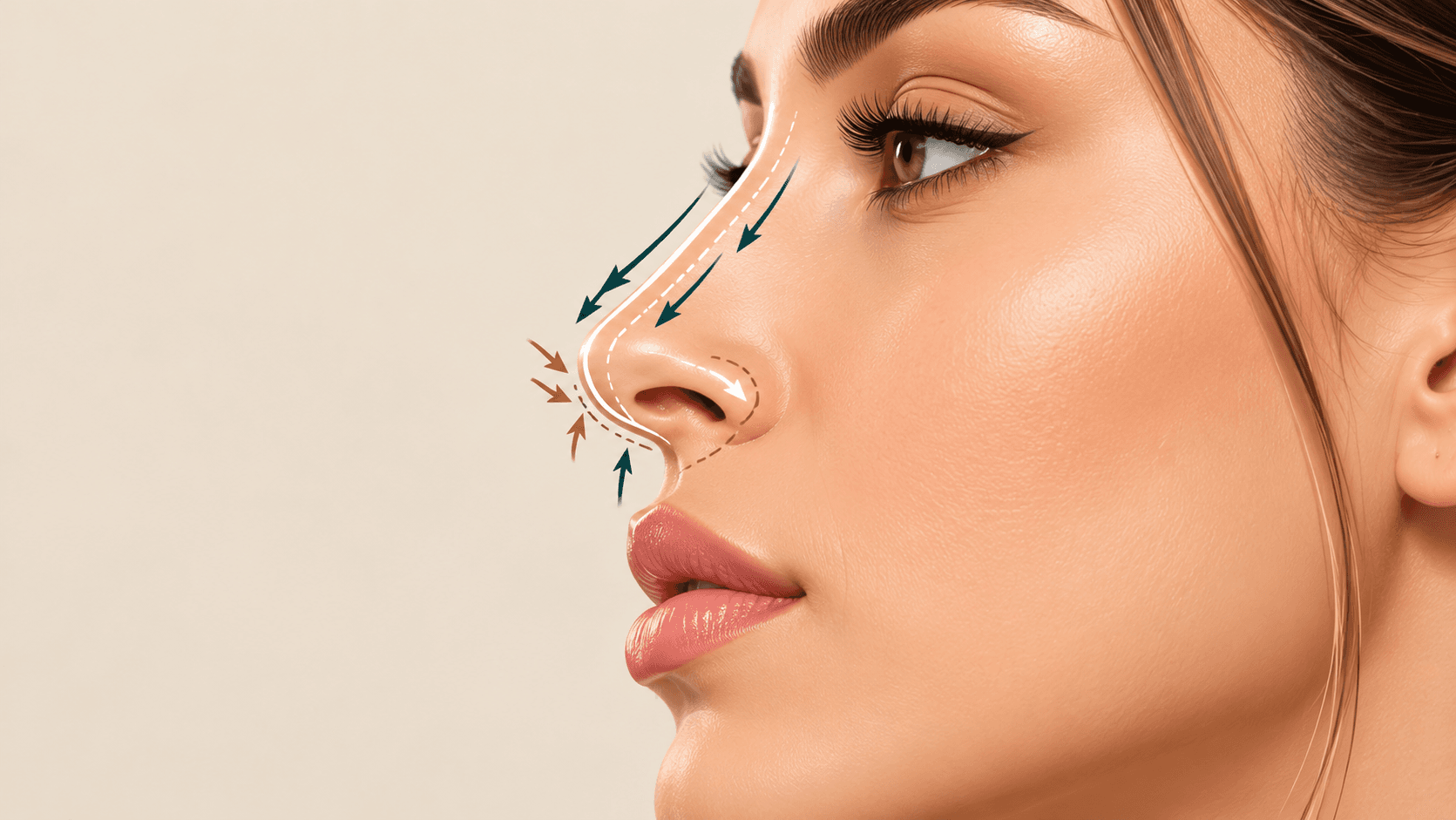
Deciding on rhinoplasty abroad is a big step, and the clinic you choose matters as much as the destination. Rhinoplasty reshapes the bone and cartilage of the nose for cosmetic reasons, to improve breathing, or both. Planning, surgical skill and aftercare all affect your experience. This guide covers the questions worth asking before you book, so you can compare your options calmly and feel confident in your decision.
Everyone is different, so use this guide as a starting point for your conversations with clinics and surgeons. It is not medical advice for your own situation.
Why choosing a clinic for rhinoplasty abroad deserves time
People look at clinics in other countries for many practical reasons, such as availability, cost or the chance to combine treatment with travel. Whatever your reason, the same principle applies: choose based on the surgeon's qualifications, clear communication and safe aftercare, not on price alone.
The final shape after rhinoplasty also settles slowly. Swelling, especially at the tip, can take a long time to go down, so you will probably spend most of your recovery back home. That's why it's important to know from the start how the clinic will stay in touch and support you after you leave.
Questions to ask about the surgeon
The surgeon should be at the centre of your decision. A friendly coordinator or a polished website can help, but neither replaces knowing who will actually operate on you.
- Is the surgeon trained and registered in plastic surgery or facial plastic surgery? Where can I check this?
- How often does the surgeon perform rhinoplasty? If you have had nose surgery before, ask specifically about revision rhinoplasty, which can be more complex.
- Will the surgeon I speak to be the one who performs my operation?
- Which approach do they suggest for me, open or closed, and why?
- If I also have breathing problems, might I need a septorhinoplasty?
- Could I need cartilage grafts, and if so, would they come from the septum, ear or rib?
A good surgeon will explain things in plain language and will tell you honestly if surgery is not the right option for you.
Questions about the clinic, anaesthesia and safety
The setting of your surgery matters just as much as the surgeon. Useful questions include:
- Where will the surgery take place, and what facilities are available?
- Who gives the anaesthesia, and will I have general anaesthesia or local anaesthesia with sedation?
- Will this be a day procedure, or will I stay overnight?
- What happens if there is a complication during surgery or shortly after?
- What medical information do you need from me beforehand?
Be open about your health. Tell the clinic about any medical conditions, all medicines and supplements, allergies, previous nose injuries or surgery, and whether you smoke. These details help the surgeon judge whether surgery is suitable for you and plan it safely.
Questions about your consultation and expectations
The surgeon decides whether rhinoplasty is suitable for you after an in-person or detailed remote assessment. Ask how the consultation works. Will it be by video, based on photos, or in person when you arrive? What happens if the surgeon decides in person that the plan needs to change?
A careful surgeon will usually ask about:
- Your reasons for surgery and what you hope to change
- Your skin thickness, nasal structure and facial proportions
- Any breathing problems or allergies
- Your emotional readiness and expectations
Talk openly about your goals. Ask what is realistic for your nose and what may not be possible. Rhinoplasty may not be advised if your nose is still developing, if you have certain health conditions, or if the likely change would not match what you want. A clinic that takes time to set realistic expectations is often easier to trust than one that promises a particular outcome.
Questions about recovery, travel and aftercare for rhinoplasty abroad
Because you will be travelling, aftercare needs special attention.
- How long should I stay near the clinic after surgery?
- When will the splint, and any packing or internal splints, be removed?
- When does the surgeon consider it appropriate for me to travel home?
- Who do I contact if I have concerns once I am home, and how quickly will they reply?
- Are follow-up checks included, and can they be done remotely?
- How would complications or revision surgery be handled after I have gone home?
Recovery usually happens in stages. First come swelling, bruising and a blocked feeling. Then, as the bruising fades, you gradually return to light daily tasks. Finally, the shape settles slowly over a long period. Timelines differ from person to person, so ask the surgeon what to expect in your case. Common advice includes keeping your head raised, not blowing your nose, protecting your nose from knocks and sun, avoiding strenuous exercise until you are cleared, and not resting glasses on the bridge of your nose for a while. Always follow your own surgeon's instructions.
It may also help to bring a companion for the first few days and to let your doctor at home know about your surgery.
Understanding quotes and what is included
The only reliable way to know your price is to get a personal quote after the surgeon has reviewed your case. Quotes can look very different, so make sure you compare like with like. Ask whether the price covers:
- The surgeon's fee and anaesthesia
- The hospital stay and operating room
- Cartilage grafts or breathing correction, if needed
- Splints, medicines and dressings
- Follow-up visits, in person and remote
- Transfers and accommodation, if offered as a package
Also ask what extra costs could come up if your plan changes after the in-person assessment, or if you need revision surgery later. A clear written breakdown is a good sign.
Risks and when to talk to a doctor
Like any surgery, rhinoplasty carries risks. These include bleeding, infection, reactions to anaesthesia, prolonged swelling or numbness, breathing difficulties, asymmetry, visible scarring with the open approach, a small hole in the septum and the need for revision surgery. Your personal risk depends on your health, anatomy and how complex the procedure is, so discuss it with the treating surgeon before you decide.
Speak to your doctor at home before you book if you have ongoing health conditions, take regular medicines, have breathing problems, or have had nose surgery or injuries in the past. After surgery, contact your surgeon or a local doctor promptly if you notice heavy bleeding, worsening pain, fever, signs of infection or new difficulty breathing.
When you feel ready, you can compare verified clinics, read about their approach and send one free request describing your goals. The clinics will then contact you, so you can ask these questions directly and take as much time as you need. A good place to start is our page on rhinoplasty and verified clinics.