
Considering a tummy tuck after pregnancy? Muscle separation, timing and questions to ask first
Wondering whether a tummy tuck after pregnancy is right for you? Here is a clear guide to muscle separation, sensible timing and the questions worth asking a surgeon before you decide.
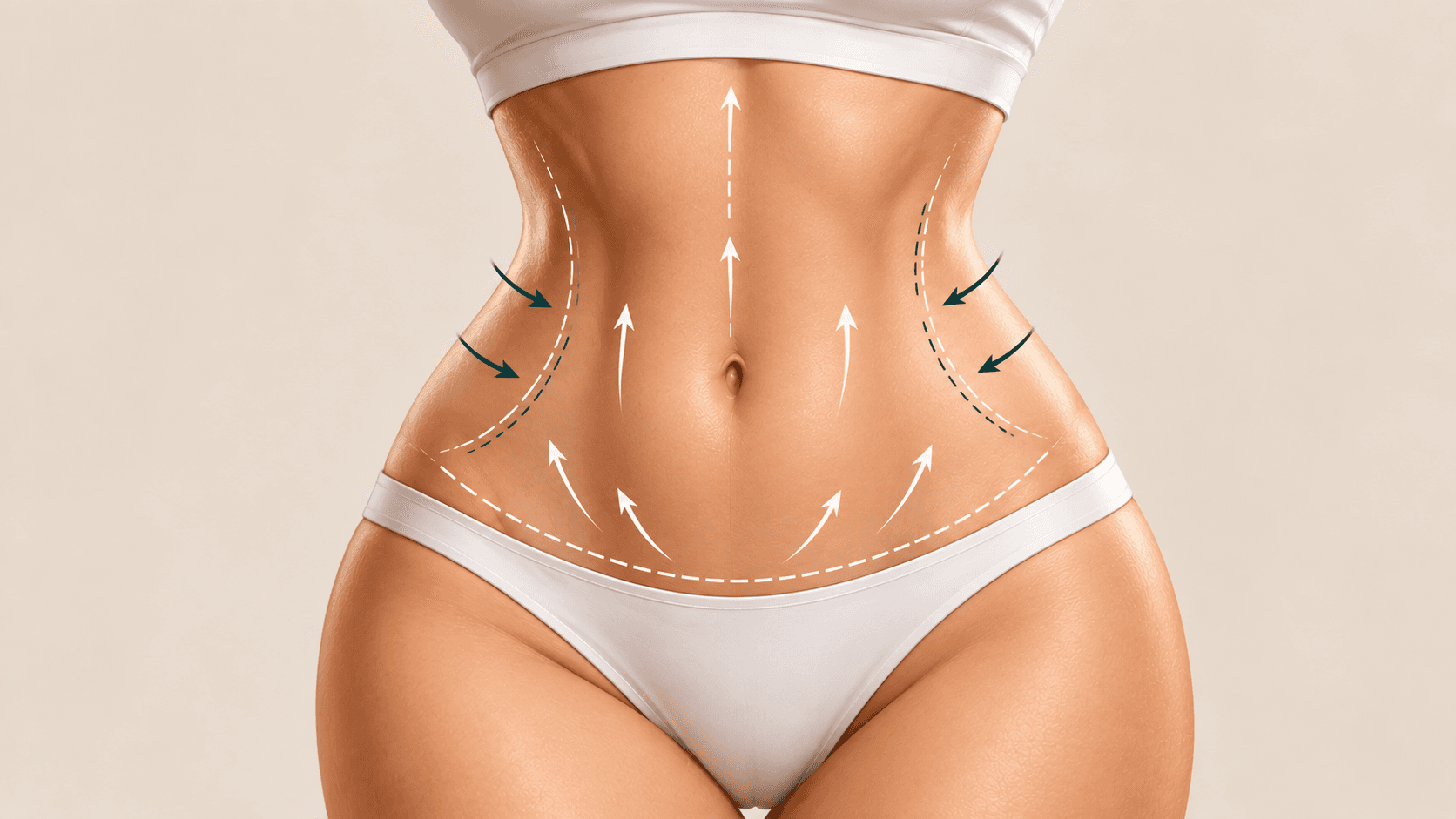
Pregnancy changes the body in remarkable ways, and for many people the abdomen is where those changes last longest. Loose skin, a soft bulge that doesn't shift with exercise, or a feeling that the core just isn't as strong as it was are all common. If you have been reading about a tummy tuck after pregnancy, you probably want to know whether it could help, when it makes sense to think about it, and what to ask before you speak to a clinic.
This guide explains how pregnancy affects the abdominal skin and muscles, what an abdominoplasty can and cannot do, and how to prepare for a well-informed conversation with a surgeon. It is general information, not a replacement for a personal medical assessment.
How pregnancy changes the abdomen and muscles
As a baby grows, the skin and muscles of the abdomen stretch a great deal. For some people they return close to how they were before. For others, especially after more than one pregnancy, after carrying twins or after a larger weight change, some changes stay.
Common changes include:
- Loose or overhanging skin in the lower abdomen, sometimes with stretch marks
- Stubborn fat that stays even when weight has returned to a steady level
- Muscle separation, known medically as diastasis recti, where the two vertical bands of the abdominal muscles move apart
Muscle separation happens because the connective tissue running down the middle of the abdomen stretches to make room for the baby. In many people the gap gets smaller in the months after birth, often with the help of targeted exercise or physiotherapy. When a noticeable gap remains, the belly may still look rounded or "pregnant" even at a stable weight, and some people describe a weak feeling in the core.
What a tummy tuck after pregnancy can and cannot do
Abdominoplasty is a surgical procedure that removes excess skin and fat from the abdomen and, in many cases, tightens the underlying muscles. When separated muscles are part of the problem, the surgeon can bring them back together with stitches during a full abdominoplasty. This is something diet and exercise alone cannot do once skin has lost its elasticity or a significant gap has remained.
There are different versions of the operation, and the surgeon chooses based on your anatomy:
- Full abdominoplasty: treats the area above and below the belly button, including the muscles; the belly button is usually repositioned
- Mini abdominoplasty: a smaller procedure focused on the area below the belly button, with a shorter scar
- Combined procedures: sometimes liposuction or other surgery is added, which can change the risks and recovery
It is just as important to know the limits. A tummy tuck is not a weight-loss method, and it always leaves a scar, usually placed low so it can sit below the underwear line. Stretch marks on the skin that is removed go with it, but those on the remaining skin may stay. If you mainly want to reduce fat and your skin still has good elasticity, a surgeon may suggest that liposuction or a non-surgical approach is a better fit.
When is the right time for a tummy tuck after pregnancy?
There is no single date that suits everyone, but surgeons generally look for signs that your body has settled and that you are ready for a major operation and its recovery.
Points that usually shape the timing:
- Your body has recovered from pregnancy. Skin, muscles and weight often keep changing for a good while after birth, so surgeons commonly advise waiting rather than operating early.
- You have reached a stable weight. Large weight changes after surgery can affect the result.
- Breastfeeding has ended. Many surgeons prefer to wait until breastfeeding has finished, partly because of medication and anaesthesia and partly because the body is still changing.
- You feel your family is complete. A later pregnancy can stretch the muscles and skin again, so this is one of the most important things to discuss honestly.
- You have tried conservative options. For muscle separation, physiotherapy or a guided exercise programme is often recommended first.
- You have practical support in place. Recovery takes time, and caring for young children while you heal needs planning.
Your surgeon will look at your situation as a whole, so take any timeline you read online as a general guide only.
Planning recovery when you have young children
Abdominoplasty is usually performed under general anaesthesia and often involves a short hospital stay. Recovery happens in stages, and how fast someone moves through them differs from person to person.
In the early days, tiredness, tightness, swelling and pain managed with medication are expected. Short walks help circulation, but standing fully upright may feel hard at first. Drains may be in place for a short time, and a compression garment is commonly worn. In the following weeks, most people slowly return to light daily tasks, while heavy lifting and strenuous exercise are usually avoided. Over the longer term, swelling keeps settling and the scar slowly flattens and fades over many months.
For parents, the lifting restriction often matters most. Think in advance about:
- Who can lift and carry your baby or toddler during the early recovery period
- Help with night feeds, school runs, shopping and housework
- How to set up your home so that essentials are within easy reach
- If you are travelling abroad, how long to stay near the clinic before flying and how follow-up will work once you are home
Your own recovery plan, including when you can lift your child again, should come from your treating doctor.
Questions to ask before a tummy tuck after pregnancy
A consultation is your chance to understand your options clearly. Writing questions down beforehand helps you remember them. Useful ones include:
- What are your qualifications, and how often do you perform abdominoplasty?
- Do I have muscle separation, and would you repair it?
- Which technique do you recommend for me, a full or mini abdominoplasty, and why?
- Where will the scar be, and how long is it likely to be?
- What risks apply to me personally, given my health and history?
- What would happen to the result if I became pregnant again?
- When could I lift my child, drive and return to work?
- What does the quote include, and what might cost extra?
- How are complications and follow-up care handled, particularly if I live in another country?
Like any major surgery, abdominoplasty carries risks. These include swelling, bruising and numbness, fluid collection (seroma), infection or delayed healing, visible or thickened scarring, blood clots, contour irregularities and risks related to anaesthesia. Smoking raises the risk of wound healing problems, which is why many surgeons ask patients to stop well before surgery. Sharing your full medical history openly helps the surgeon plan safely.
When to talk to a doctor
It is a good idea to speak with your GP, midwife or a physiotherapist before you think about surgery, especially if you notice:
- A bulge along the middle of the abdomen that becomes more visible when you sit up
- Back pain, a weak core or difficulty with everyday movements
- A swelling near the belly button or a scar, which may need checking for a hernia
- Ongoing pain or any symptom that worries you
They can assess muscle separation, suggest suitable exercises and help you decide whether a consultation with a plastic surgeon is the right next step. Suitability, risks and recovery are different for every person and should always be discussed with the doctor who would treat you.
Comparing verified clinics
If you feel ready to explore your options, take your time and compare carefully. On our site you can read about the procedure, look at verified clinics and send one free request; the clinics then contact you to discuss your situation, with no obligation to go ahead. Start with our abdominoplasty treatment page and take your questions with you to every consultation.