
Ablative vs non-ablative laser resurfacing: which approach suits your skin?
Ablative and non-ablative lasers both aim to refresh tired, sun-damaged skin, but they work differently and need different recovery times. Learn how each approach works, what healing may involve and what to ask your doctor.
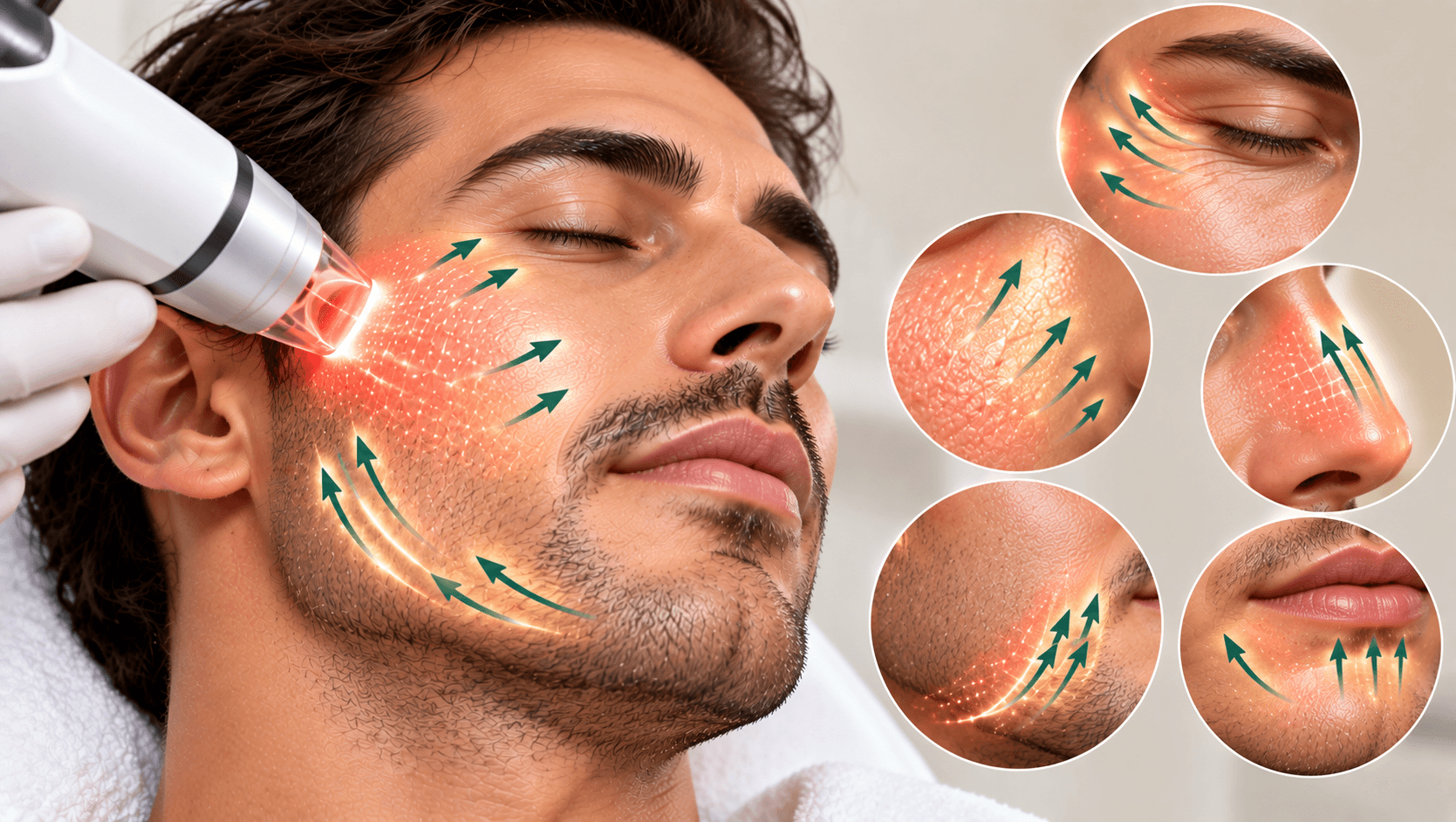
If you are looking into laser skin rejuvenation, you will soon come across two main groups of treatment: ablative and non-ablative. Knowing the difference between ablative vs non-ablative laser resurfacing can help you ask better questions at your consultation and keep your expectations realistic. Both aim to improve skin texture, tone, fine lines and sun damage. They work in different ways, though, and they differ in recovery and in the concerns they suit best.
This guide explains the basics in plain language. It does not replace a personal assessment. Only a doctor or qualified practitioner who has examined your skin and your medical history can tell you which option, if any, suits you.
How laser skin rejuvenation works
Laser skin rejuvenation is a non-surgical aesthetic treatment that uses concentrated light energy to improve how the skin looks and feels. A handheld device is passed over the skin, usually on the face, neck, chest or hands. Depending on the type of laser, the energy either removes thin outer layers of skin or heats the tissue underneath to encourage collagen production.
It is commonly used for:
- Fine lines and wrinkles
- Sun spots and uneven pigmentation
- Rough texture and enlarged pores
- Some acne scars
It is usually done as an outpatient treatment, with no hospital stay. A numbing cream is typical. More intensive resurfacing may involve local anaesthesia or sedation.
Ablative lasers: deeper resurfacing
Ablative lasers, such as CO2 or erbium lasers, remove thin layers of skin. As the treated area heals, new skin forms. This approach tends to give a more noticeable change than gentler options, and it is often used for deeper lines and scarring.
The trade-off is a longer healing phase. After ablative resurfacing, the skin may ooze, crust and peel before new skin settles. That stage needs careful wound care at home, and the treated area will look visibly healing for a while. Many people plan time away from work or social events, although how long you need varies from person to person.
Ablative resurfacing may be considered for:
- Deeper wrinkles and more marked sun damage
- Some types of acne or other scarring
- People who would rather have fewer, more intensive treatments than a longer series
Non-ablative lasers: gentler, gradual change
Non-ablative lasers leave the surface of the skin intact. They heat the layers beneath it to stimulate the skin's natural repair processes, including collagen production. Because the outer layer is not removed, recovery is usually much lighter. Often there is only short-lived redness, warmth or mild swelling, a bit like sunburn.
Improvements from non-ablative treatment tend to build slowly, and several sessions are usually needed. Changes linked to collagen production take time, so patience is part of the process.
Non-ablative lasers are often chosen for:
- Mild texture and tone concerns
- Early signs of skin ageing
- Enlarged pores and mild acne scars
- People who want little downtime and can commit to a course of sessions
Where fractional lasers fit in
You may also hear the word "fractional". Fractional lasers treat tiny columns of skin and leave the surrounding areas untouched, which can help the skin heal. Fractional technology exists in both ablative and non-ablative forms, so it is not a third category so much as a way of delivering the energy.
A fractional ablative laser, for example, may offer some of the resurfacing effect of ablative treatment with a different healing profile from fully ablative resurfacing. Your practitioner can explain how the device they suggest works and why they chose it for you.
Some clinics also offer intense pulsed light (IPL). IPL is not a laser, but it is sometimes used for redness and pigmentation.
Ablative vs non-ablative laser: comparing recovery and risks
In general terms, the main differences are:
- Intensity: ablative lasers remove skin layers, while non-ablative lasers work beneath the surface.
- Number of sessions: ablative treatment may involve fewer sessions, while non-ablative treatment usually needs several.
- Downtime: ablative recovery involves a longer phase of peeling, crusting and redness, while non-ablative recovery is often limited to brief redness and dryness.
- Comfort and anaesthesia: numbing cream is typical for both, and deeper resurfacing may need local anaesthesia or sedation.
Like any medical procedure, both approaches carry risks. Possible side effects include prolonged redness or swelling, acne flare-ups or milia, darker or lighter patches of skin, infection (including cold sores coming back), burns and, rarely, scarring. Results can also be less noticeable than you hoped. More intensive treatment can involve a longer healing phase, so your doctor should explain the specific risks for your skin type and the laser they recommend.
Whichever laser you have, aftercare matters. It usually includes strict sun protection, gentle cleansing, moisturising and not picking at peeling skin.
Which approach might suit your skin?
There is no single right answer. The choice depends on your skin, your concerns, your health and how much downtime you can manage. Things a practitioner will usually consider include:
- Your main concern: fine texture and tone issues may respond to gentler options, while deeper lines or scarring may call for resurfacing.
- Your skin type and tone: darker skin tones can carry a higher risk of pigment changes with some lasers, so extra care or a different treatment may be needed.
- Your medical history: active skin infections, a history of cold sores, keloid scarring, certain medical conditions or recent use of medicines that make the skin more sensitive can all affect suitability.
- Your lifestyle: whether you can avoid strong sun exposure before and after treatment, and how much recovery time you can plan for.
- Your expectations: laser treatment aims for improvement, not perfection, and results differ from person to person.
Treatment is usually postponed during pregnancy.
When to talk to a doctor
Book a consultation with a doctor or qualified practitioner before deciding on any laser treatment. Tell them about every medicine and skincare product you use, any past skin reactions and any history of cold sores or scarring. Ask which laser they recommend, why they chose it, how many sessions they expect you might need and what aftercare will involve.
During healing, contact your clinic promptly if you notice signs that worry you, such as increasing pain, unusual swelling, discharge, blistering or changes that don't seem to be settling. Recovery, risks and suitability are different for everyone, so your treating doctor is the right person to guide you.
Compare verified clinics
Once you understand the basics, it can help to see what different clinics offer and how they approach consultations, assessment and aftercare. On our site you can compare verified clinics and send one free request, and the clinics will then contact you to discuss your options. Find out more on our laser skin rejuvenation treatment page and take your time choosing the approach and practitioner that feel right for you.