
Blepharoplasty Recovery: What to Expect, Phase by Phase
Blepharoplasty recovery usually moves through three phases: early swelling and bruising, a return to light daily activities, and a longer period while results settle. Here is what each phase can involve and how to prepare.
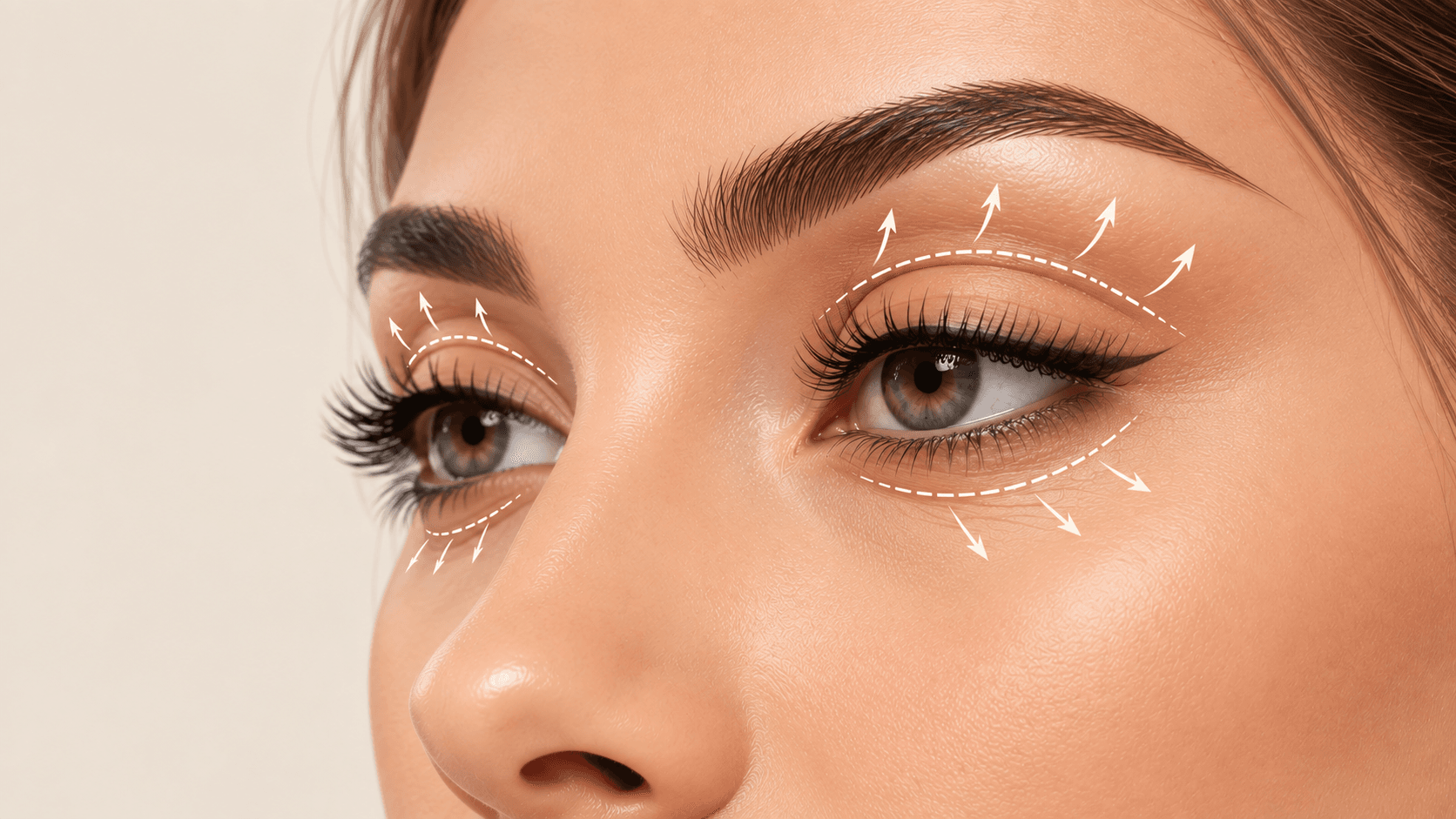
If you are thinking about eyelid surgery, one practical question usually comes up early: what will the weeks afterwards actually be like? Blepharoplasty recovery tends to follow a familiar pattern. It starts with an early phase of swelling and bruising, moves on to a return to light daily activities, and ends with a longer phase in which the result gradually settles. Knowing what each stage usually involves can help you plan time off, arrange support at home and travel with fewer surprises.
This guide walks through those phases in general terms. Everyone heals differently. The timing, risks and advice that apply to you should always come from your own surgeon, who knows your eyelids, your health and the technique used.
Before Surgery: Preparing for a Smoother Recovery
Recovery really starts before the operation. Your surgeon will usually ask about dry eye, thyroid problems, glaucoma, high blood pressure, diabetes, smoking and any medicines that affect bleeding. An eye examination may be recommended. Being open about your health helps your surgeon plan safely and give you aftercare advice that fits you.
Helpful things to arrange in advance:
- Someone to take you home and, ideally, stay with you for the first day or so
- Cold compresses and any eye drops or ointment your surgeon prescribes
- Extra pillows so you can rest with your head raised
- A good pair of sunglasses
- A plan to stop smoking for the period your surgeon advises, as smoking can slow healing
- If you are travelling abroad, a clear answer from the clinic on how long to stay before flying home
Phase 1: The First Days After Blepharoplasty
Blepharoplasty is often done as a day procedure, though some patients stay overnight. It is usually performed under local anaesthesia with sedation, or under general anaesthesia, depending on your plan. Once the anaesthetic wears off, the eyelids will probably feel tight, and swelling and bruising usually build up over the first days before they begin to ease.
During this early phase, many people notice:
- Swelling and bruising around the eyes, sometimes spreading towards the cheeks
- A feeling of tightness, mild discomfort or itching along the incisions
- Dry, gritty or watery eyes
- Temporarily blurred vision, often from ointment, and sensitivity to light
- Difficulty closing the eyes completely, which is usually temporary
Common care advice at this stage includes using cold compresses as instructed, keeping your head raised when resting, using eye drops or ointment exactly as prescribed, and keeping the incisions clean. Rest is important, but most surgeons also encourage gentle movement around the home rather than staying in bed all day. Take only the pain relief your surgeon recommends, as some medicines can increase bleeding.
Phase 2: Returning to Light Daily Activities
As the swelling and bruising gradually fade, most people start to feel more like themselves and return to light activities. You will usually have a check-up in this phase, which may include stitch removal if non-dissolving stitches or skin glue were used. Some bruising may remain, and many people find tinted glasses helpful when they first go out.
Even when you feel well, your eyelids are still healing. Typical advice for this phase includes:
- Avoiding heavy lifting, bending and strenuous exercise until your surgeon allows them
- Leaving out eye make-up and contact lenses until you get the go-ahead
- Wearing sunglasses to protect your eyes from sun and wind
- Taking breaks from screens and reading if your eyes feel dry or tired
- Continuing any prescribed drops or ointment
When you can go back to work depends on your job, how you are healing and how comfortable you feel about visible bruising. Desk work is often possible sooner than physically demanding work, but ask your surgeon what makes sense for you.
Phase 3: How Blepharoplasty Results Settle Over Time
The final phase is the longest and the least noticeable. Most of the visible swelling has gone, but subtle swelling can linger and slowly ease. During this time, the shape of the eyelids gradually settles and the scars mature.
For upper eyelid surgery, the incision sits in the natural crease, where the scar is usually well hidden once healed. With the external lower approach, the scar lies just below the lower lashes. The transconjunctival approach uses an incision inside the lower lid and leaves no visible skin scar. Healing scars may look pink at first and usually become less noticeable over time.
Slight differences between the two sides are common while swelling is still going down, so try not to judge the result too early. Keep protecting your eyes from the sun and attend your follow-up appointments, so your surgeon can check how things are healing.
Factors That Can Shape Your Blepharoplasty Recovery
No two recoveries are exactly alike. Things that can make a difference include:
- Whether the upper eyelids, lower eyelids or both were treated
- The technique and incision used
- Combined procedures, such as a brow lift, which may add to swelling and healing time
- Your general health, skin and natural healing tendency
- Smoking, which can slow healing
- How closely you follow your aftercare instructions
Recovering Abroad: Practical Tips
If you are having surgery in another country, plan your recovery as carefully as the operation itself. Ask your clinic how long they recommend you stay before flying, whether stitch removal and check-ups are included in the quote, and how follow-up will work once you are home. Ask for written aftercare instructions, and consider letting your own doctor at home know about the procedure so you have local support if you need it.
When to Talk to a Doctor
Some discomfort, swelling and dryness are expected, but certain signs need prompt attention. Contact your surgeon or seek medical help right away if you notice:
- Severe or worsening pain
- Swelling that keeps increasing, especially on one side
- Any change in your eyesight, such as loss of vision or double vision
- Bleeding that does not stop
- Signs of infection, such as spreading redness, warmth, discharge or fever
- Trouble closing your eyes that does not improve, or a change in the position of the lower eyelid
Serious complications are uncommon, but sudden changes in vision should always be treated as urgent. If something does not feel right, ask your surgeon rather than waiting.
Planning Your Next Step
A well-planned blepharoplasty recovery starts with choosing a qualified surgeon who explains each phase clearly and is honest about whether surgery is right for you. You can explore and compare verified clinics for blepharoplasty on our site and send one free request. Clinics then contact you, so you can ask about technique, aftercare and follow-up before making any decision, at your own pace.