
Blepharoplasty Abroad: Eyelid Surgery at Verified Clinics
Blepharoplasty is eyelid surgery that removes or repositions excess skin and fat from the upper or lower eyelids. It can refresh a tired look or, in some cases, help when heavy lids affect vision.
About Blepharoplasty
Blepharoplasty is eyelid surgery that removes or repositions excess skin, fat and sometimes muscle from the upper eyelids, lower eyelids or both. It is done to refresh a tired-looking appearance or, in some cases, to improve vision when heavy upper lids hang over the eyelashes. A surgeon assesses each person to decide whether it is suitable.
Key facts
- Treats drooping or hooded upper eyelids, puffiness and bags under the eyes, and loose eyelid skin
- Done through small incisions hidden in the natural eyelid crease or just below the lower lash line, or sometimes inside the lower lid
- Usually done under local anaesthesia with sedation, or under general anaesthesia, depending on the plan
- Often done as a day procedure, though some patients stay overnight
- Recovery usually moves from an early phase of swelling and bruising, to a return to light daily activities, to a longer phase in which the final result gradually settles
Who is a suitable candidate for blepharoplasty?
Suitable candidates are generally adults in good overall health whose eyelid skin or fat has changed with age or genetics. They should have realistic expectations and no untreated eye conditions that would make surgery unsafe. Only a surgeon can confirm suitability after an examination.
You may be considered a candidate if you have:
- Excess or sagging skin on the upper eyelids, sometimes affecting your field of vision
- Puffiness or bags under the eyes caused by fat
- Fine wrinkles and loose skin on the lower eyelids
Your surgeon will usually ask about dry eye, thyroid problems, glaucoma, high blood pressure, diabetes, smoking and any medicines that affect bleeding. An eye examination may be recommended before surgery. People who smoke are usually advised to stop for a period before and after the operation, as smoking can slow healing.
How is blepharoplasty performed?
The surgeon makes carefully placed incisions, removes or repositions skin and fat, and closes the incisions with fine stitches or skin glue. Upper and lower eyelids can be treated separately or in the same session. The exact technique depends on your anatomy and goals.
The main approaches include:
- Upper blepharoplasty: an incision in the natural crease of the upper lid, where the scar is usually well hidden once healed
- Lower blepharoplasty (external): an incision just below the lower lashes to remove or redistribute fat and tighten skin
- Transconjunctival blepharoplasty: an incision inside the lower eyelid, leaving no visible skin scar, often used when the main concern is fat rather than excess skin
Blepharoplasty is sometimes combined with other procedures, such as a brow lift, when a drooping brow contributes to heavy upper lids. Your surgeon will explain which option fits your situation.
What is recovery like after eyelid surgery?
Most people experience swelling, bruising and a feeling of tightness around the eyes in the first days. These usually improve gradually, and many patients return to light activities fairly soon, while the final result takes longer to settle. Recovery differs from person to person, so follow your own surgeon's advice.
Common recovery advice includes:
- Using cold compresses and keeping your head raised when resting
- Using eye drops or ointment as prescribed
- Avoiding heavy lifting, bending and strenuous exercise for a while
- Avoiding eye make-up and contact lenses until your surgeon allows them
- Wearing sunglasses to protect your eyes from sun and wind
- Attending check-ups, including stitch removal if needed
If you are travelling abroad, ask your clinic how long they recommend you stay before flying home and how follow-up will be arranged afterwards.
What are the risks and side effects of blepharoplasty?
Like any surgery, blepharoplasty carries risks, though serious complications are uncommon when it is performed by a qualified surgeon. Temporary side effects such as swelling, bruising and dry or watery eyes are common. Your surgeon should discuss all risks with you before you decide.
Possible risks and side effects include:
- Dry, irritated or watery eyes
- Temporary blurred vision or sensitivity to light
- Infection or bleeding
- Visible scarring or asymmetry
- Difficulty closing the eyes fully, usually temporary
- Changes in the position of the lower eyelid
- Rarely, more serious complications affecting vision
Tell your surgeon immediately if you notice severe pain, increasing swelling or any change in your eyesight after surgery.
What affects the cost of blepharoplasty abroad?
The cost depends on several factors, including the country, the clinic, the surgeon's experience and the extent of the procedure. Treating both upper and lower eyelids usually involves more work than treating one area. Always ask for a written quote that explains what is included.
Factors that can influence the price:
- Upper, lower or combined eyelid surgery
- Type of anaesthesia and whether an overnight stay is needed
- Pre-operative tests and consultations
- Medicines, follow-up visits and stitch removal
- Accommodation, transfers and travel costs
- Any combined procedures, such as a brow lift
How do I choose a clinic for eyelid surgery abroad?
Choose a clinic with qualified, experienced plastic or oculoplastic surgeons, clear communication and transparent information. Take time to compare options and ask questions before committing. A good clinic will give you honest advice, including whether surgery is right for you.
Helpful questions to ask:
- What are the surgeon's qualifications and experience with blepharoplasty?
- Which technique do you recommend for me, and why?
- What does the quote include, and what might cost extra?
- How is aftercare handled once I return home?
- What happens if I have a complication or need a revision?
Reading verified patient reviews and asking for a video consultation can help you feel more confident in your choice.
Next steps
On our marketplace you can compare verified clinics offering blepharoplasty and send one free request. Interested clinics will then contact you with information and answer your questions. Remember that only the treating doctor can decide, after a proper assessment, what is suitable and safe for you.
This page gives general information and is not medical advice. A doctor at the clinic will assess whether a treatment is right for you.
Clinics offering Blepharoplasty

No verified clinics offer this treatment yet.
Frequently asked questions
Will I have visible scars after blepharoplasty?
Incisions are usually placed where they are hard to notice, such as in the natural crease of the upper lid or just beneath the lower lashes. Some lower eyelid techniques use an incision inside the lid, so no skin scar is visible. Scars often look red at first and fade over time, but how well a scar heals varies from person to person. Your surgeon can explain what to expect for your skin type.
Can blepharoplasty remove dark circles or crow's feet?
Eyelid surgery mainly deals with excess skin, fat and puffiness. Dark circles caused by pigmentation or thin skin, and crow's feet at the outer corners of the eyes, are usually not corrected by blepharoplasty on its own. Other treatments, such as fillers, laser or injectables, may be suggested for these concerns. A consultation helps you understand which approach might suit your goals.
Is eyelid surgery painful?
The procedure itself is done under anaesthesia, so you should not feel pain during it. Afterwards, most people describe tightness, mild discomfort or a gritty feeling around the eyes rather than strong pain. This can usually be managed with cold compresses and the pain relief your surgeon recommends. Everyone experiences recovery differently, so let your care team know if discomfort seems severe or keeps getting worse.
How long do the results of blepharoplasty last?
Results are often long-lasting, because the removed skin and fat do not usually return. However, the face continues to age naturally, so the eyelid area will still change over the years. Lifestyle, sun exposure, smoking and genetics can all play a role. Some people later consider additional treatment. Your surgeon can talk you through realistic expectations based on your own anatomy and age.
When can I fly home after blepharoplasty abroad?
There is no single answer that fits everyone. Many clinics prefer you to stay nearby for a few days, so they can check your healing and remove stitches if needed before you travel. The right timing depends on the technique used, your general health and how your recovery goes. Ask the clinic in advance what they recommend, and plan your trip with some flexibility in case you need extra time.
Related treatments
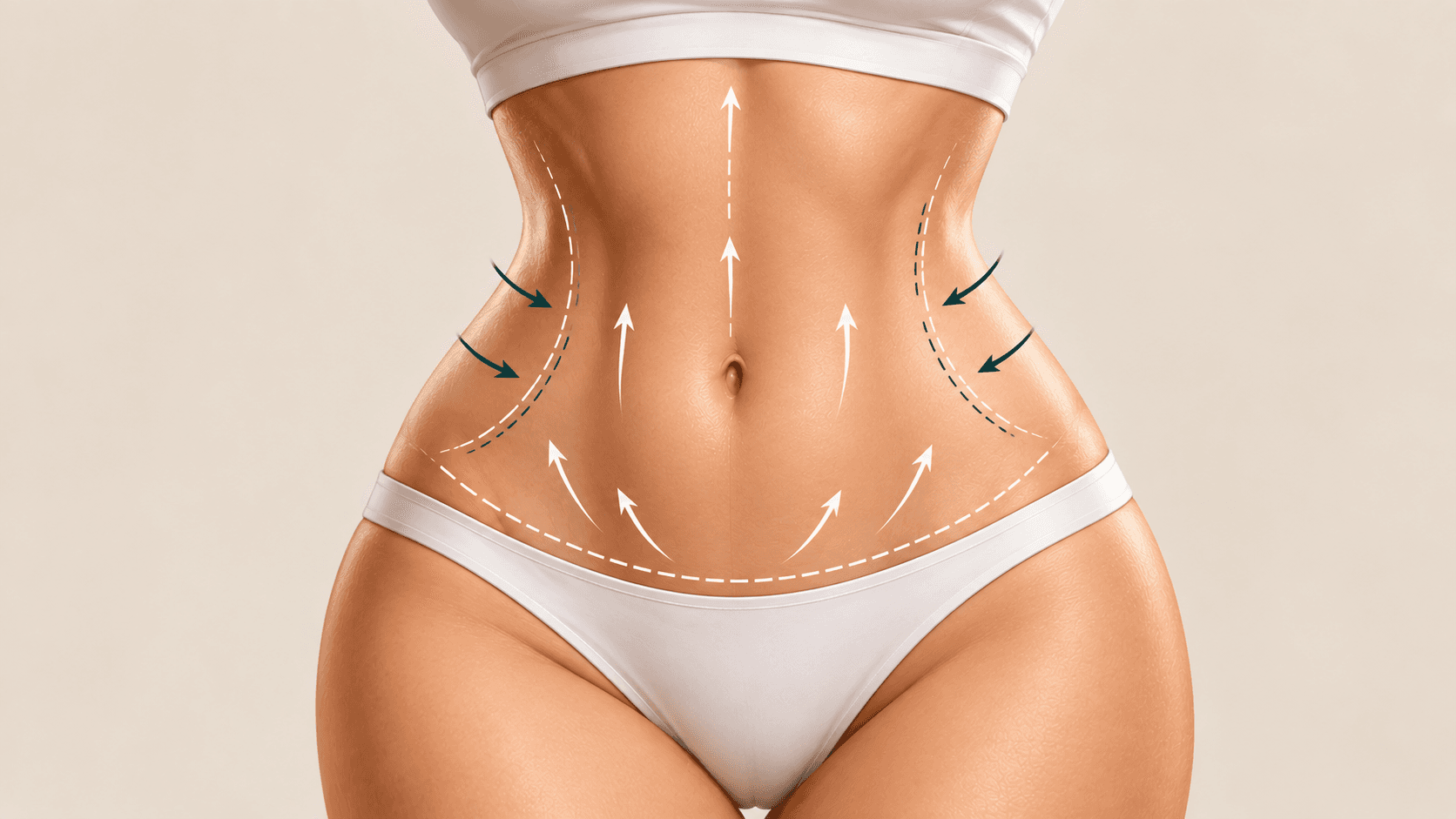
Abdominoplasty
Abdominoplasty, or tummy tuck, is a surgical procedure that removes excess abdominal skin and fat and can tighten the abdominal muscles. People often consider it after pregnancy or major weight loss.
Verified clinics: 0
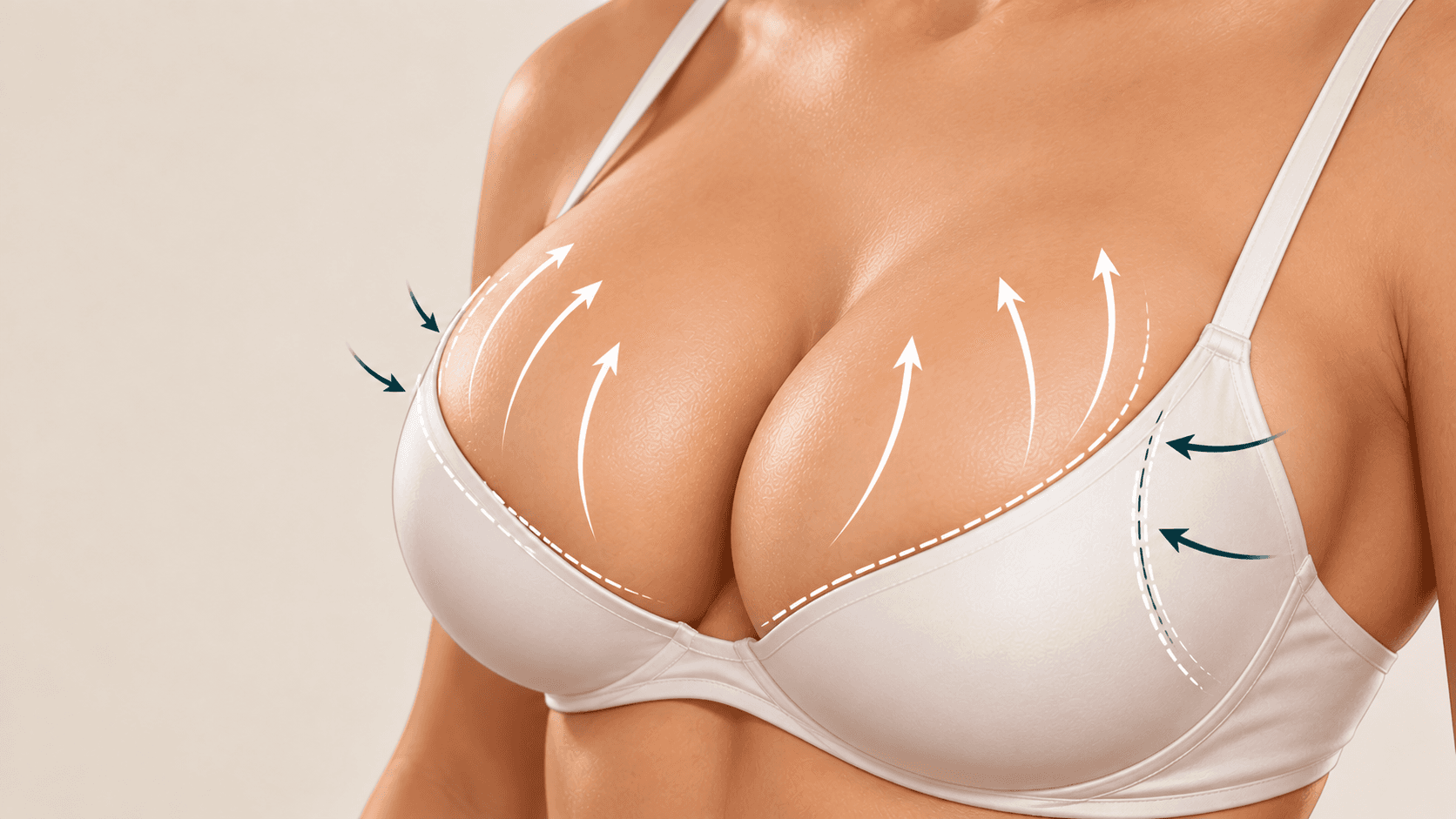
Breast augmentation
Breast augmentation is cosmetic surgery that uses implants or fat transfer to increase breast size, improve shape or symmetry, or restore lost volume. It is usually done under general anaesthesia.
Verified clinics: 0
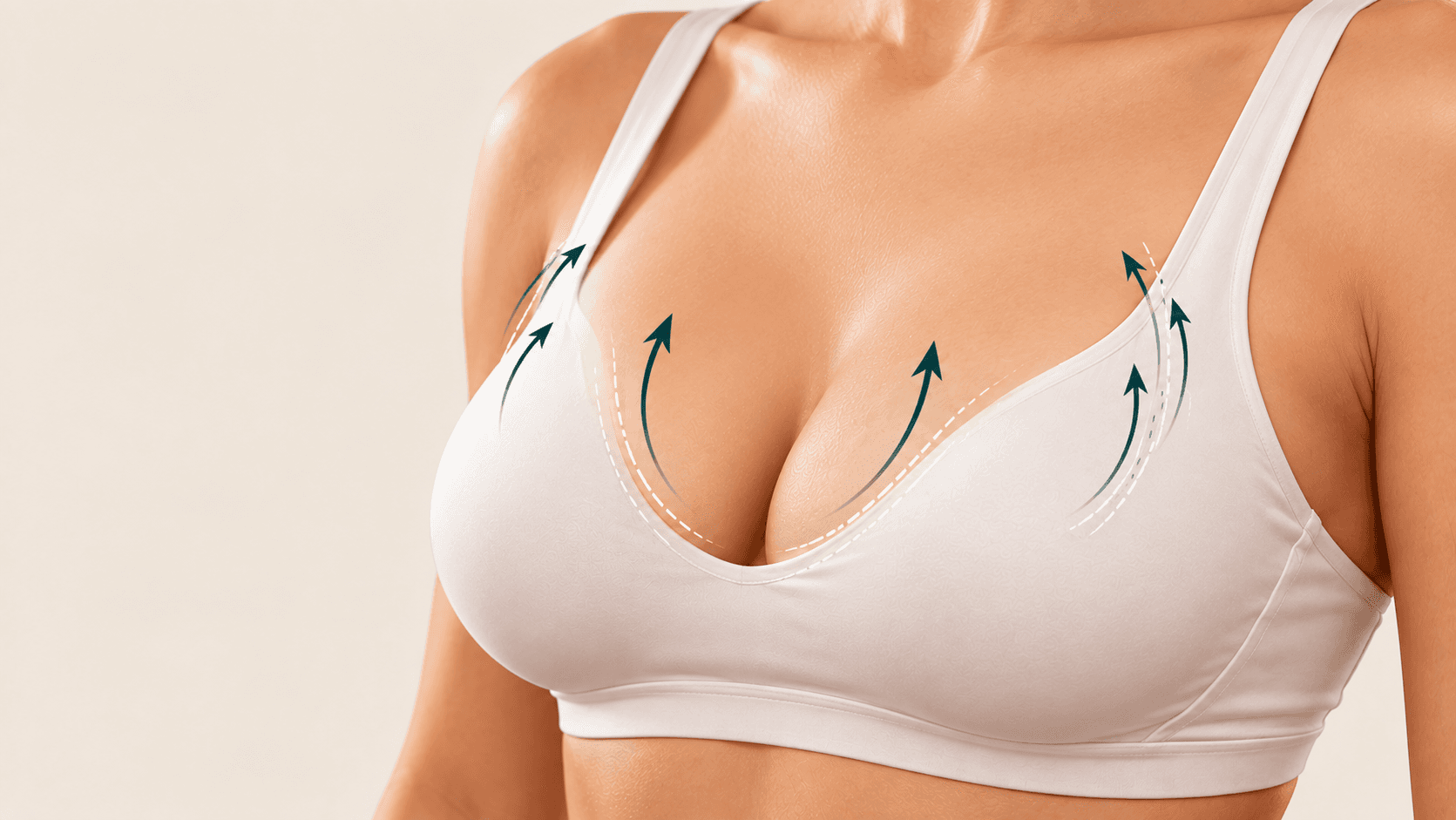
Breast lift
A breast lift (mastopexy) raises and reshapes sagging breasts by removing excess skin and repositioning the nipple. Compare verified clinics abroad and send one free request.
Verified clinics: 0
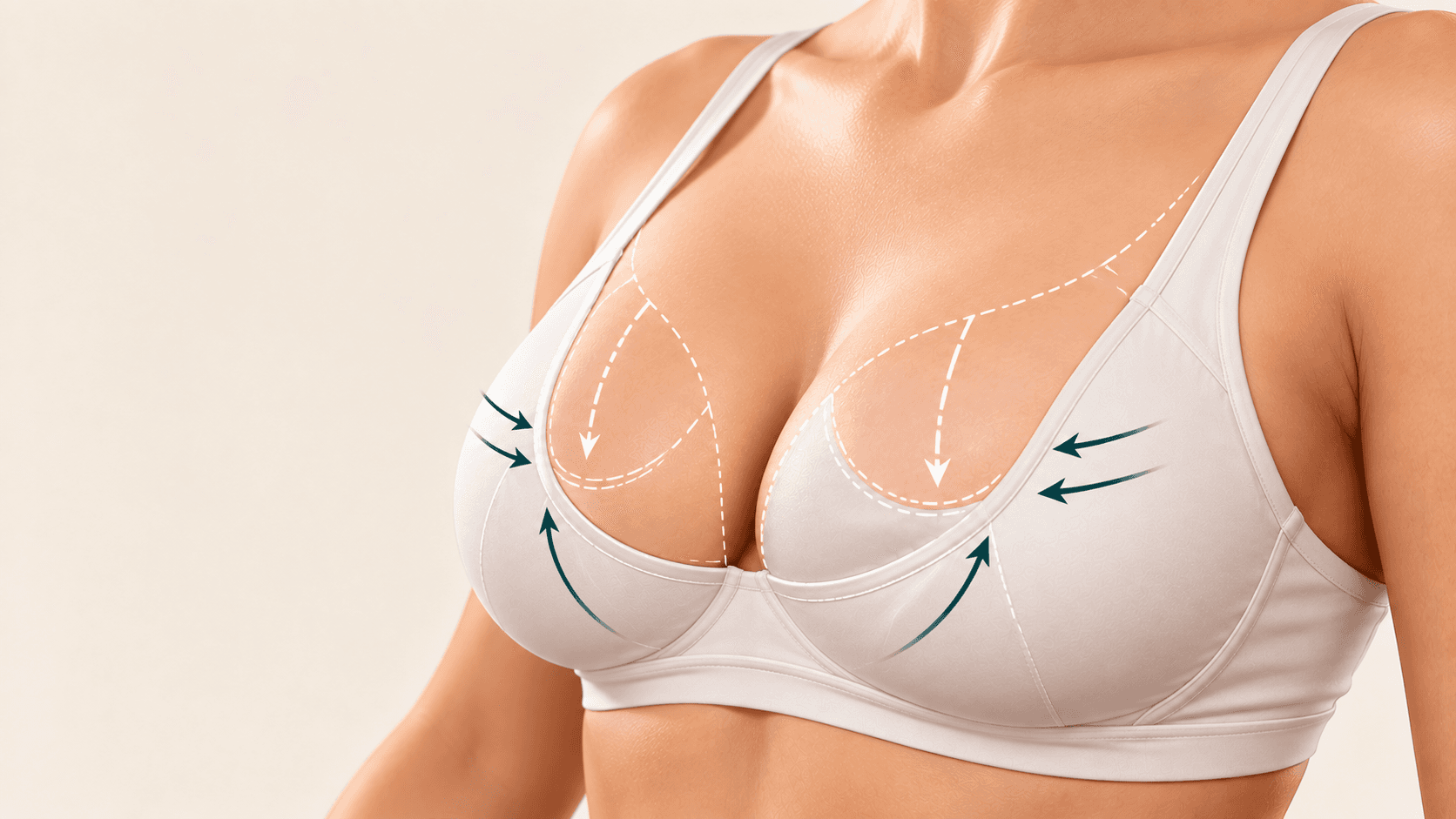
Breast reduction
Breast reduction is surgery to remove excess breast tissue, fat and skin, creating smaller, lighter breasts. It can help ease neck, back and shoulder discomfort and make everyday activities easier.
Verified clinics: 0
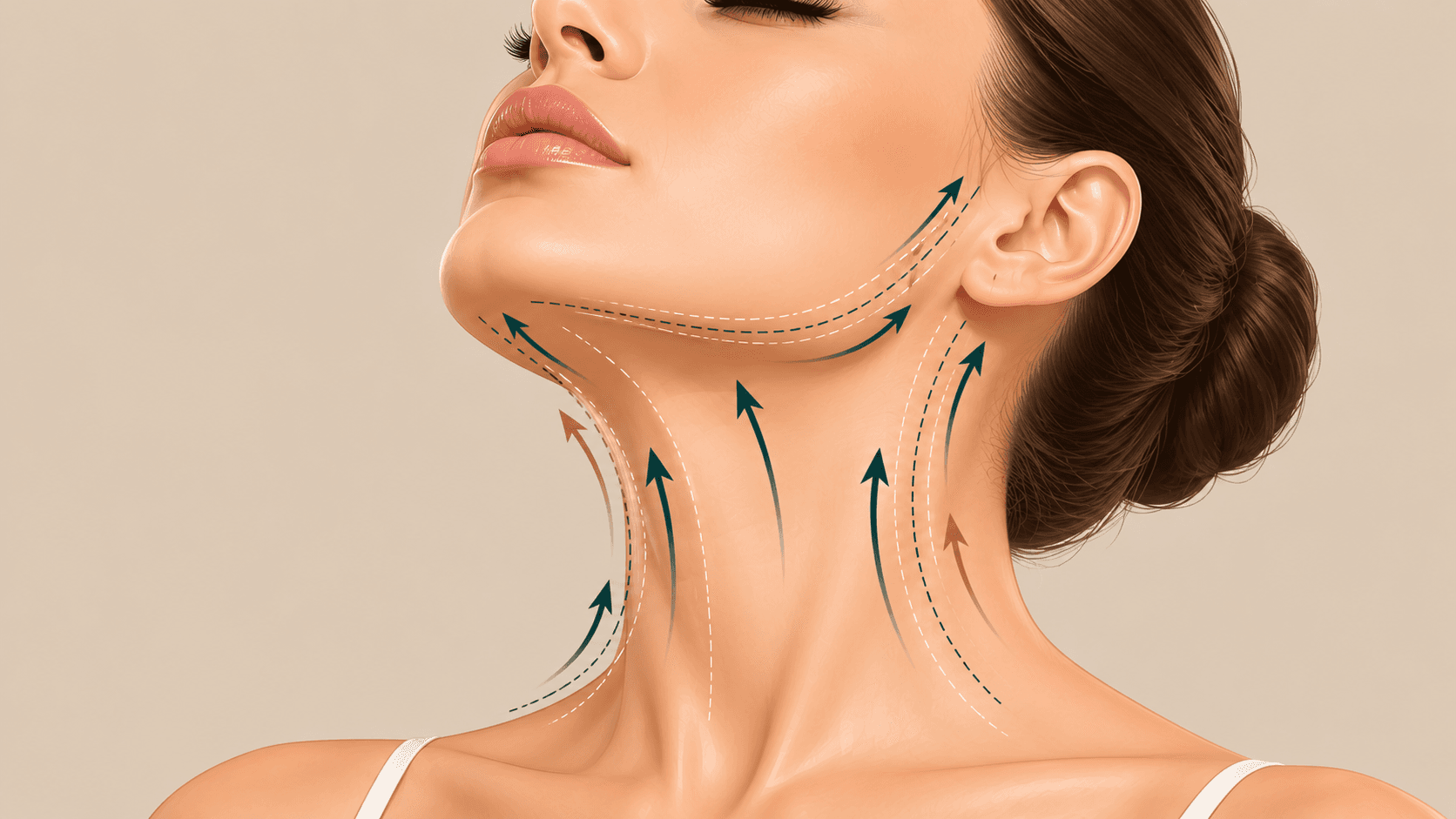
Facelift
A facelift is a surgical procedure that lifts and tightens sagging skin and deeper tissues of the lower face and neck, aiming for a fresher, more rested look that still looks like you.
Verified clinics: 0
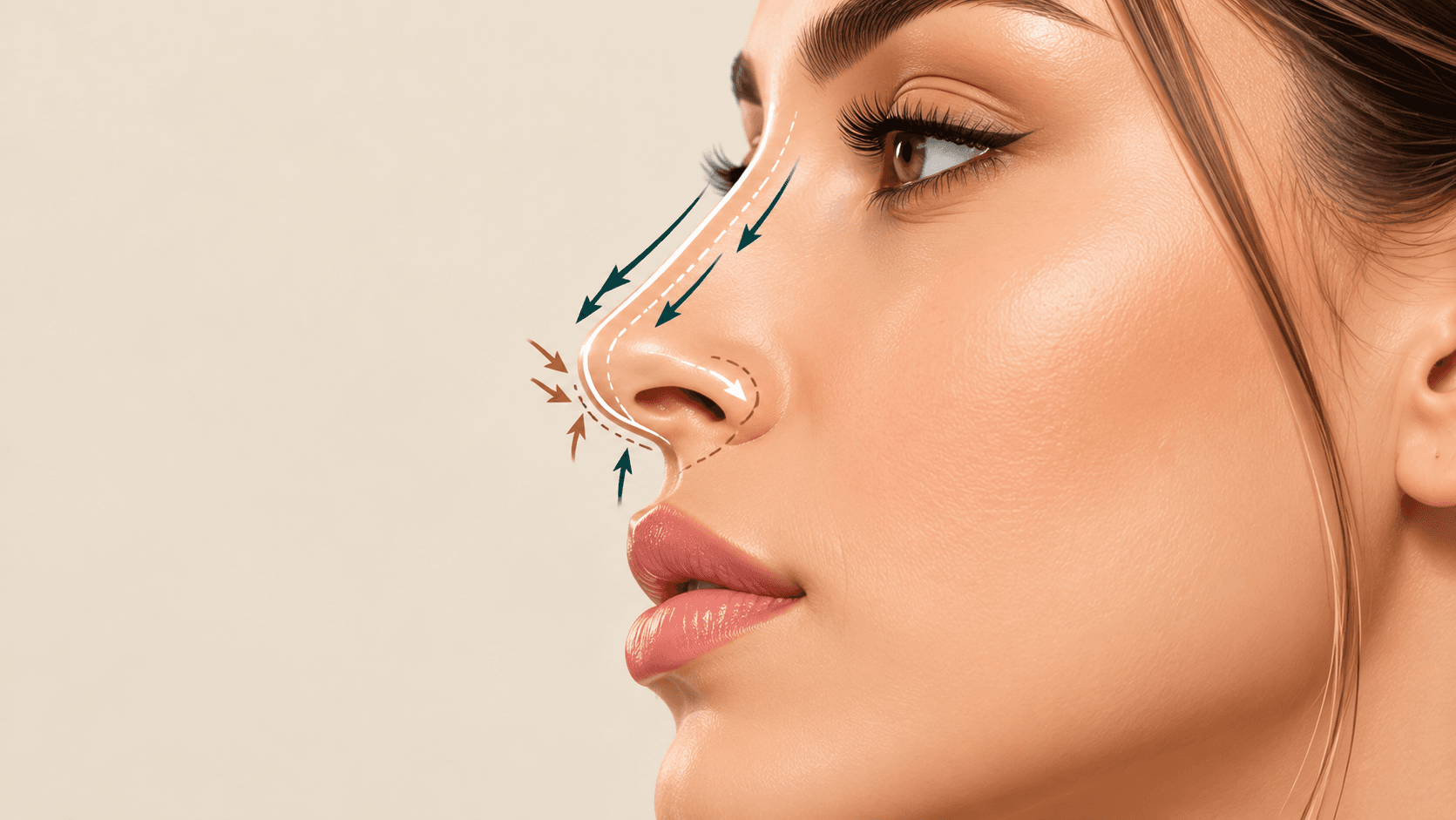
Rhinoplasty
Rhinoplasty is surgery that reshapes the nose for cosmetic or medical reasons, such as refining the tip or bridge or improving breathing. Compare verified clinics and discuss your goals with the treating surgeon.
Verified clinics: 1