
Implants or fat transfer: breast augmentation abroad
Breast augmentation is cosmetic surgery that uses implants or fat transfer to increase breast size, improve shape or symmetry, or restore lost volume. It is usually done under general anaesthesia.
About Breast augmentation
Breast augmentation is a cosmetic surgical procedure that increases or reshapes the breasts, most often using silicone or saline implants placed behind the breast tissue or chest muscle. Some patients choose fat transfer instead. People consider breast augmentation to change size, improve symmetry, or restore volume lost after pregnancy, breastfeeding or weight loss.
Key facts
- Purpose: to increase breast volume, improve shape or balance uneven breasts
- Method: implants placed through a small incision, or fat transferred from another part of the body
- Anaesthesia: usually general anaesthesia, decided by the surgical and anaesthesia team
- Hospital stay: often day surgery or a short overnight stay, depending on the clinic and your health
- Recovery: an early rest phase, a gradual return to light activities, then a longer period while the breasts settle into their final shape
Who is a good candidate for breast augmentation?
Good candidates are usually adults in good general health who have realistic expectations and want to change the size or shape of their breasts for their own reasons. Your surgeon will check whether the procedure suits you after a consultation and an examination.
Things a surgeon will usually look at:
- Your general health, medical history and any medicines you take
- Whether you smoke, as smoking can slow healing
- Your breast tissue, skin quality and chest shape
- Plans for future pregnancy or breastfeeding
- Your expectations and what you hope the result will look like
If your breasts have dropped significantly, a breast lift may be suggested on its own or together with augmentation. Only your doctor can say what fits your situation.
How is breast augmentation performed?
The surgeon makes a small incision, creates a pocket for the implant and places it either over or under the chest muscle. The incision is then closed and a dressing or support bra is applied.
Common choices you will discuss beforehand:
- Implant type: silicone gel or saline-filled implants
- Implant shape: round or teardrop (anatomical)
- Incision site: under the breast fold, around the edge of the areola, or in the armpit
- Placement: above the muscle, below the muscle, or partly below it
With fat transfer, fat is removed from areas such as the abdomen or thighs by liposuction, processed and injected into the breasts. This usually gives a more modest increase in size and may need more than one session. Your surgeon will explain which approach could suit your body and goals.
What is recovery like after breast augmentation?
Most people feel sore, tight and swollen in the first days, and need rest and help with daily tasks for a short time. Recovery then continues gradually over weeks to months, and the timeline is different for everyone.
What recovery generally involves:
- Wearing a supportive or surgical bra as instructed
- Taking prescribed pain relief and following wound care advice
- Avoiding heavy lifting and strenuous exercise until your surgeon allows it
- Attending follow-up checks so healing can be monitored
- Being patient while swelling settles and the implants slowly find their position
If you travel abroad, ask your clinic how long they recommend staying nearby before flying home, and how follow-up care will work once you are back.
What are the risks and side effects of breast augmentation?
Like any surgery, breast augmentation carries risks, ranging from common short-term effects to less frequent complications. Your surgeon should explain these clearly so you can make an informed decision.
Common temporary effects include swelling, bruising, pain and changes in nipple or breast sensation. Possible complications include:
- Infection or bleeding
- Capsular contracture, where scar tissue tightens around the implant
- Implant rupture, leakage or shifting position
- Visible scarring or asymmetry
- Lasting changes in sensation
- Risks related to anaesthesia
Implants are not considered lifetime devices, and some people need further surgery in the future. Rare conditions linked to certain implants have also been reported, so ask your surgeon about the implant you are offered. Your individual risk depends on your health and must be discussed with the treating doctor.
What affects the cost of breast augmentation?
The cost depends on several factors, including the country, the clinic, the surgeon's experience and the type of implant used. It is best to request a personal quote with everything clearly listed.
Factors that can affect the price:
- Implant type and brand, or the use of fat transfer
- Whether another procedure, such as a breast lift, is combined
- Anaesthesia, hospital stay and operating room fees
- Pre-operative tests and post-operative garments
- Follow-up appointments and medication
- Travel, accommodation and how long you need to stay
Ask what is included and what might cost extra, such as treatment of complications or a revision.
How do I choose a clinic for breast augmentation abroad?
Choose a clinic where the surgeon is qualified in plastic surgery, explains options and risks openly, and offers clear aftercare. Take your time, compare several options and never feel pressured into a decision.
Useful questions to ask:
- What are the surgeon's qualifications and experience with this procedure?
- Which implants do you use, and will I receive implant documentation?
- Where will the surgery take place, and who gives the anaesthesia?
- How long should I stay locally after surgery?
- What happens if I have a complication after returning home?
- Can I have a video consultation before travelling?
It also helps to tell your own doctor at home about your plans, so they can support you with any aftercare.
On our marketplace you can compare verified clinics offering breast augmentation and send one free request. Interested clinics will then contact you with information. Your treating doctor will decide, together with you, whether the procedure and which approach are suitable for you.
This page gives general information and is not medical advice. A doctor at the clinic will assess whether a treatment is right for you.
Clinics offering Breast augmentation

No verified clinics offer this treatment yet.
Frequently asked questions
Will I be able to breastfeed after breast augmentation?
Many people are still able to breastfeed after having implants, but it cannot be promised for everyone. The incision site and implant position may make a difference, and some people find it harder to breastfeed whether or not they have had surgery. If you plan to have children, tell your surgeon at the consultation so they can take this into account when suggesting an approach.
Do breast implants need to be replaced?
Implants are not designed to last forever. Some people keep theirs for many years without problems, while others need further surgery due to rupture, capsular contracture, changes in shape or personal preference. There is no fixed date for replacement. Regular check-ups and following your surgeon's advice on monitoring help catch possible issues early. Ask your surgeon how your implants should be checked over time.
How do I choose the right implant size?
The right size depends on your body frame, chest width, existing breast tissue, skin elasticity and the look you would like. Surgeons often use measurements, sizers or images during consultation to help you picture the options. A very large implant may not suit every body and can increase some risks. An honest conversation with your surgeon about your goals is the best way to decide.
Is fat transfer a good alternative to implants?
Fat transfer uses your own fat, so no implant is placed, and it also slims the area where fat is taken from. However, the increase in size is usually more modest, part of the transferred fat may be reabsorbed by the body, and more than one session may be needed. It suits some people better than others, so your surgeon will explain whether it is a realistic option for you.
When can I fly home after breast augmentation abroad?
There is no single answer, because healing differs from person to person. Many clinics recommend staying nearby for several days so the surgeon can check your wounds before you travel, but your surgeon will advise based on your recovery and the length of the flight. Plan some flexibility into your trip, and make sure you know how to reach the clinic once you are home.
Related treatments
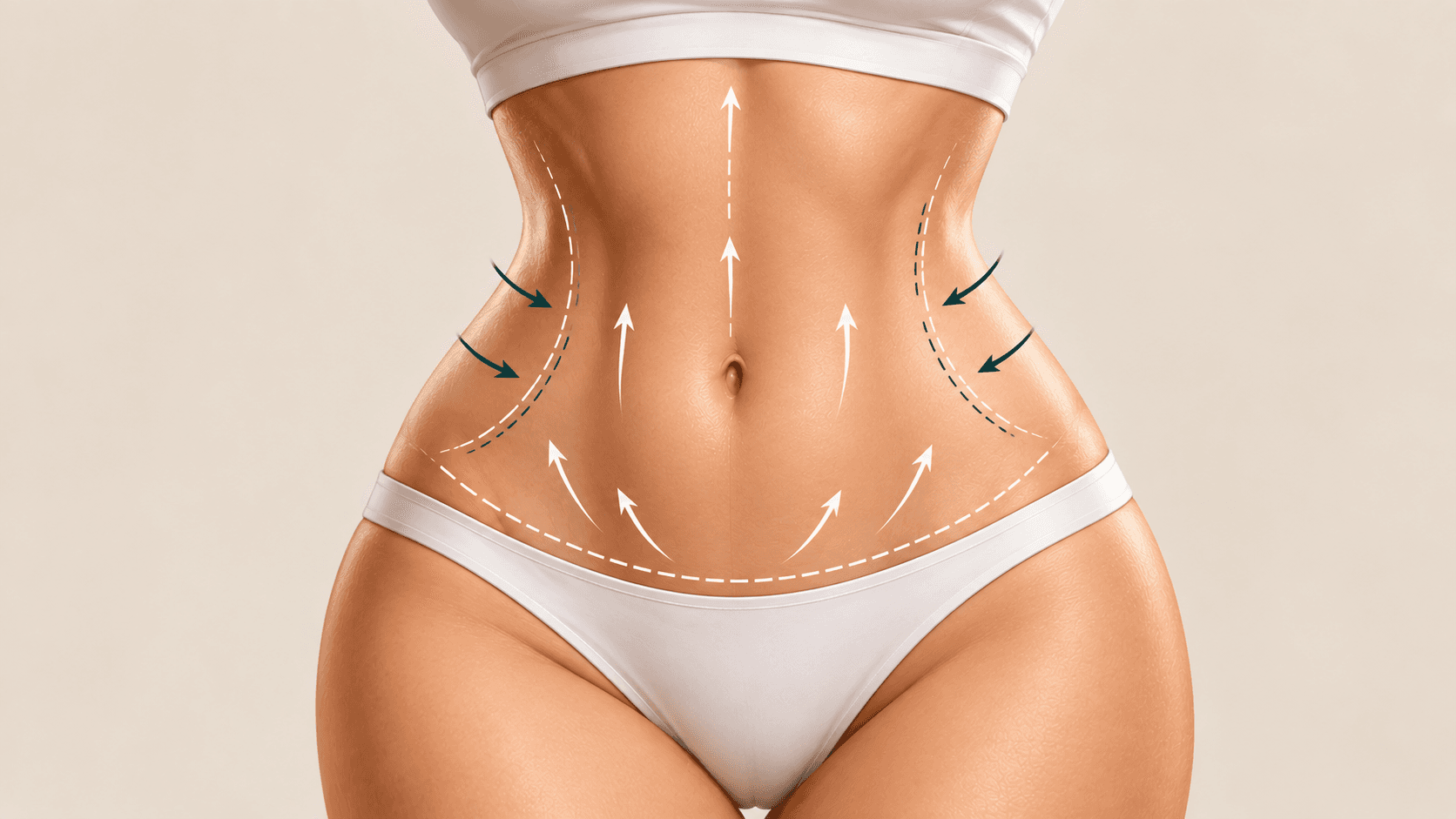
Abdominoplasty
Abdominoplasty, or tummy tuck, is a surgical procedure that removes excess abdominal skin and fat and can tighten the abdominal muscles. People often consider it after pregnancy or major weight loss.
Verified clinics: 0
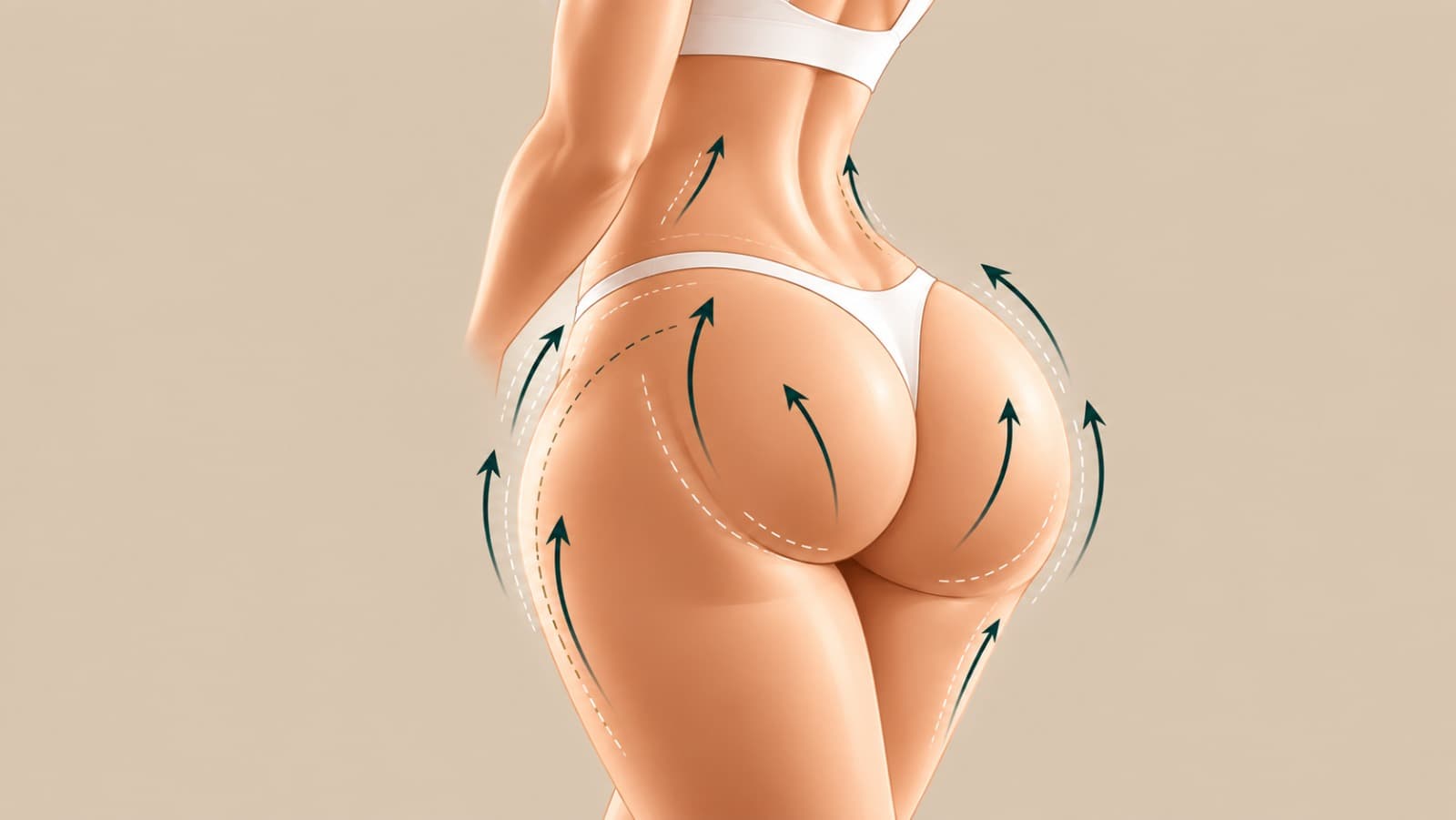
Brazilian butt lift (BBL)
A buttock-shaping operation that uses your own fat, removed by liposuction and transferred to the buttocks to add volume and improve contour. Compare verified clinics abroad and send one free request.
Verified clinics: 0
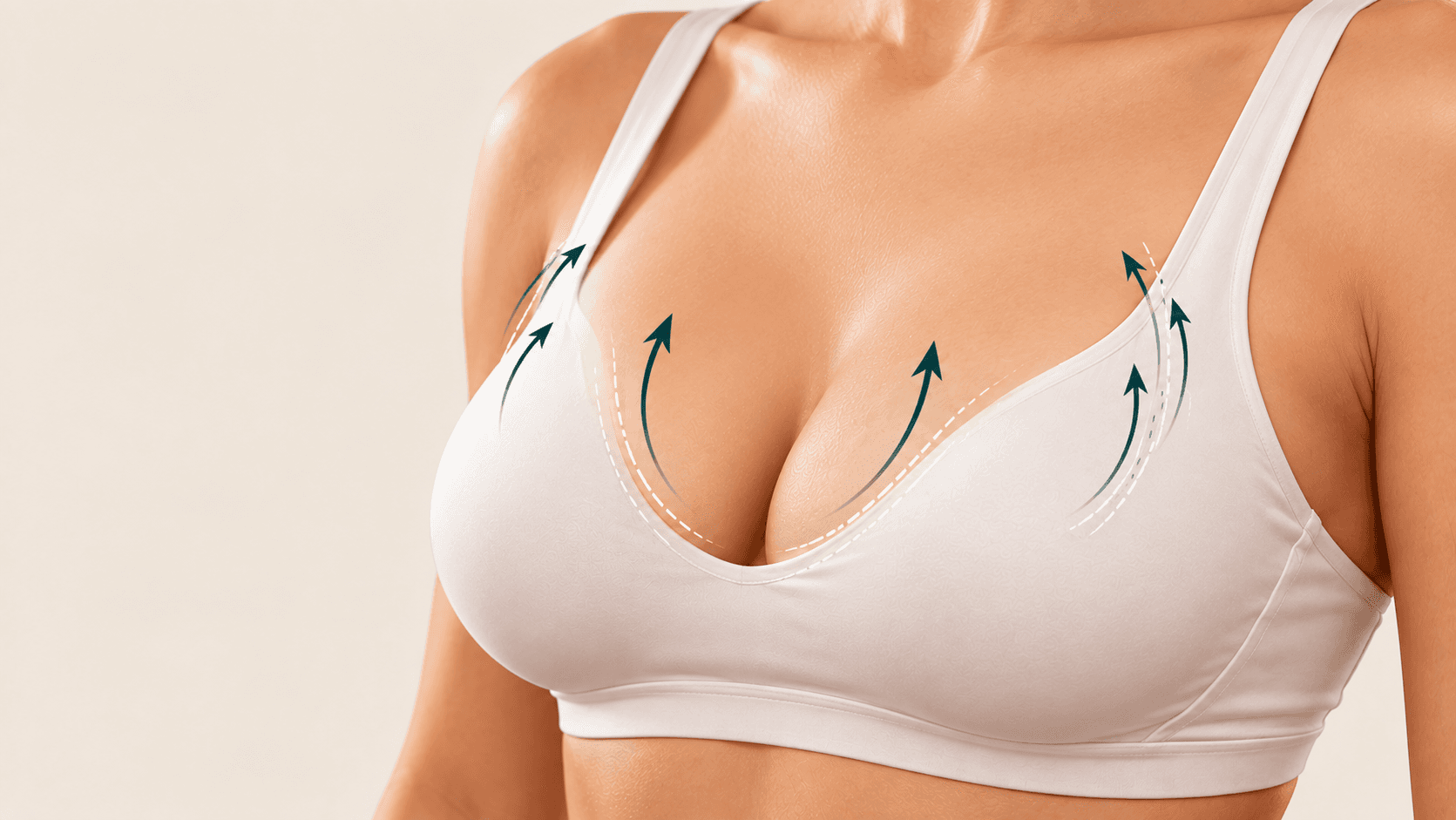
Breast lift
A breast lift (mastopexy) raises and reshapes sagging breasts by removing excess skin and repositioning the nipple. Compare verified clinics abroad and send one free request.
Verified clinics: 0
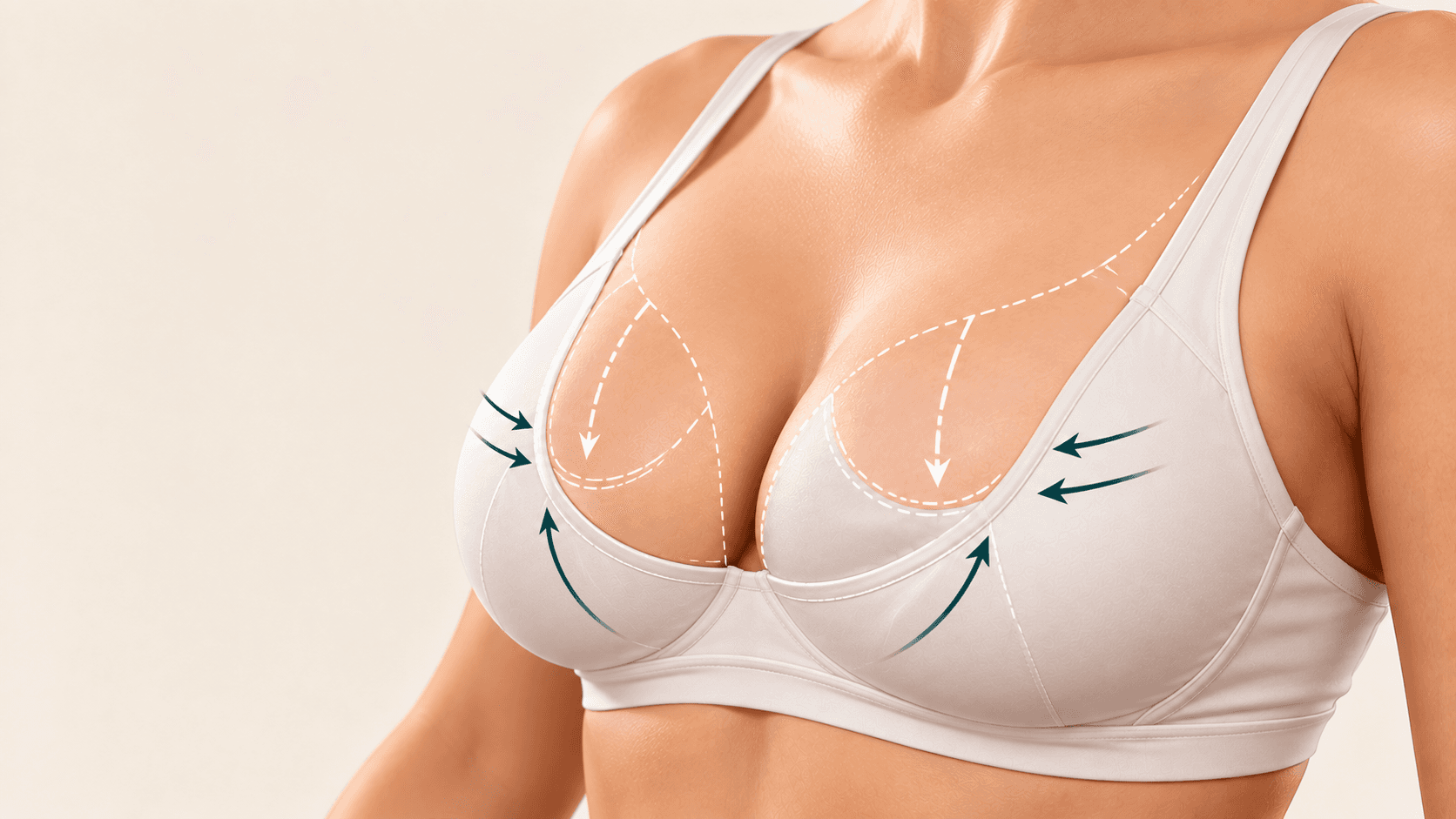
Breast reduction
Breast reduction is surgery to remove excess breast tissue, fat and skin, creating smaller, lighter breasts. It can help ease neck, back and shoulder discomfort and make everyday activities easier.
Verified clinics: 0
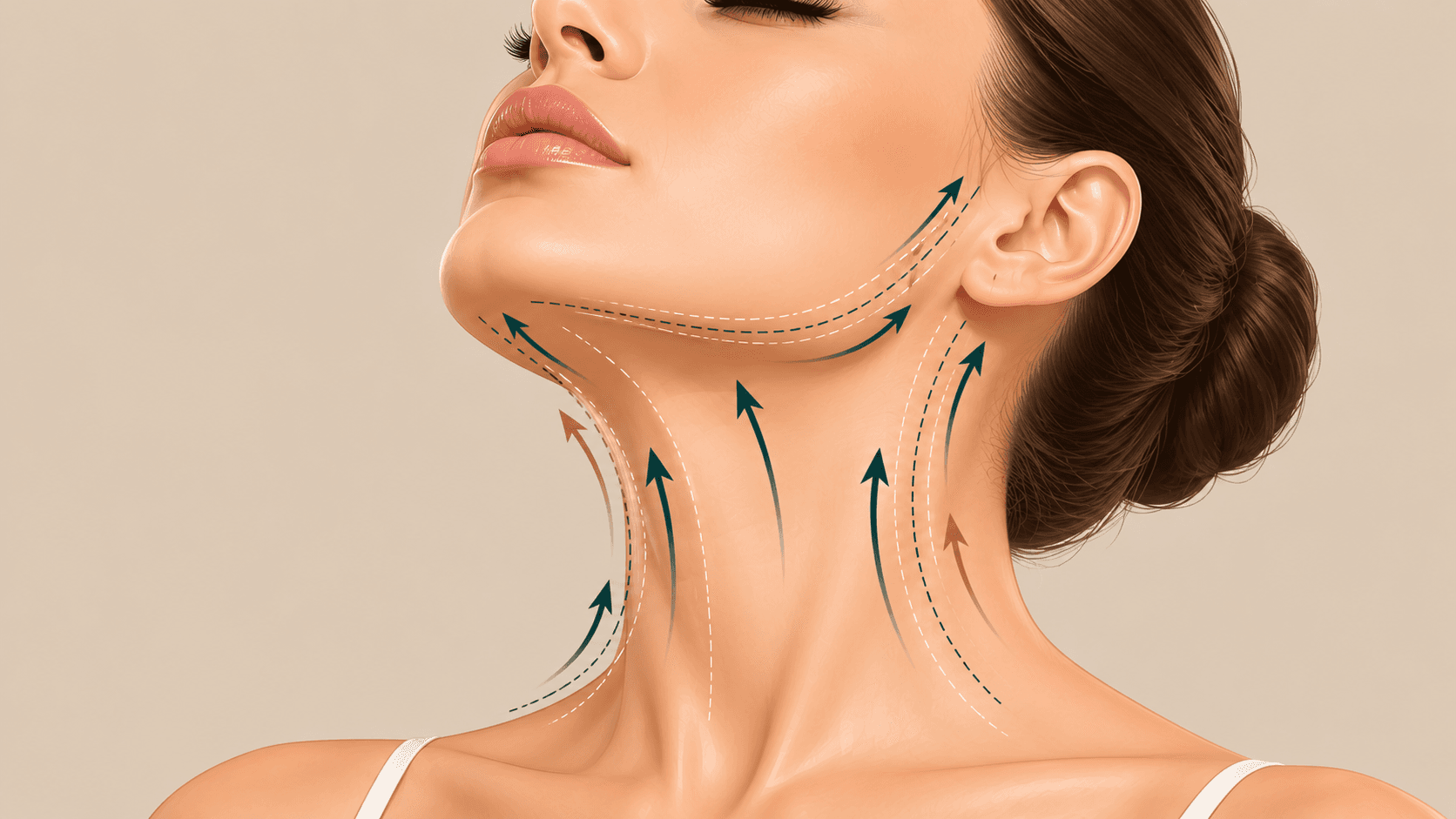
Facelift
A facelift is a surgical procedure that lifts and tightens sagging skin and deeper tissues of the lower face and neck, aiming for a fresher, more rested look that still looks like you.
Verified clinics: 0
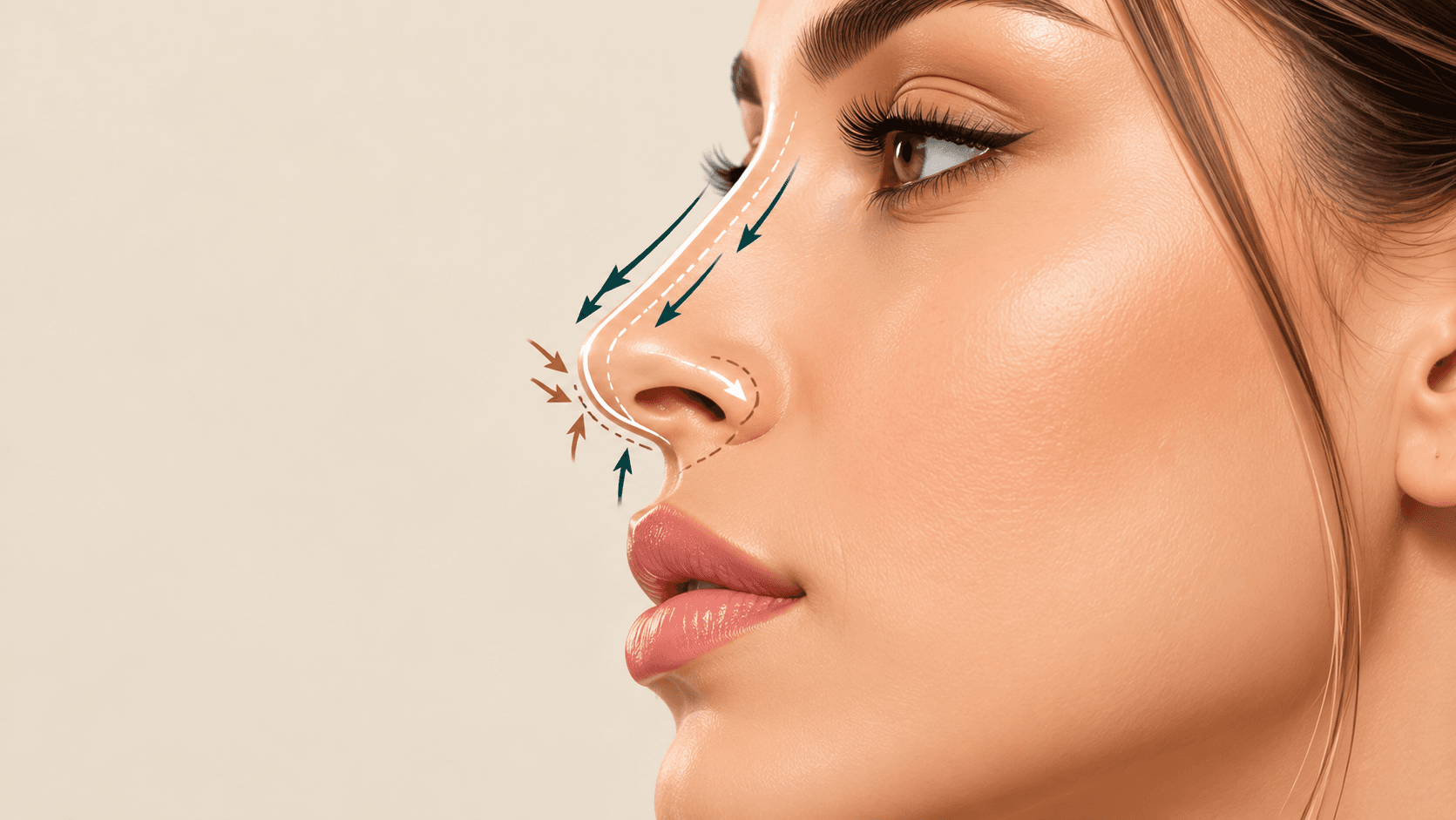
Rhinoplasty
Rhinoplasty is surgery that reshapes the nose for cosmetic or medical reasons, such as refining the tip or bridge or improving breathing. Compare verified clinics and discuss your goals with the treating surgeon.
Verified clinics: 1