
Breast reduction surgery abroad
Breast reduction is surgery to remove excess breast tissue, fat and skin, creating smaller, lighter breasts. It can help ease neck, back and shoulder discomfort and make everyday activities easier.
About Breast reduction
Breast reduction, also called reduction mammaplasty, is a surgical procedure that removes excess breast tissue, fat and skin to create smaller, lighter breasts that are more in proportion with the body. Many people consider breast reduction to ease physical discomfort such as neck, back or shoulder pain, skin irritation or difficulty exercising.
Key facts
- Treats large, heavy breasts that cause physical discomfort or affect daily life
- Excess tissue, fat and skin are removed, and the nipple is usually moved higher
- Usually done under general anaesthesia
- Often involves a short hospital stay, sometimes overnight, depending on the clinic and your health
- Recovery moves from rest in the first days, to light activity, to a gradual return to exercise as healing allows
Who is suitable for breast reduction?
People with large breasts that cause physical or emotional strain are often suitable for breast reduction. A surgeon will assess your general health, breast size and goals before confirming whether the operation is right for you.
You may be a candidate if you:
- Have ongoing neck, back or shoulder pain linked to breast weight
- Get skin irritation or rashes under the breasts
- Have bra straps that leave grooves in your shoulders
- Find it hard to exercise or find clothes that fit
- Are in generally good health and have realistic expectations
Surgeons often recommend waiting until your weight is stable and, if relevant, until you have finished having children, as pregnancy and weight changes can affect breast size. Smoking increases the risk of healing problems, so you will usually be asked to stop well before surgery. Breastfeeding may be affected afterwards, which is worth discussing with your surgeon.
How is breast reduction done?
The surgeon makes incisions on the breast, removes excess tissue, fat and skin, then reshapes the breast and repositions the nipple. The choice of technique depends on how much tissue needs to be removed and on your anatomy.
Common incision patterns include:
- Anchor (inverted-T): around the areola, down to the breast fold and along the fold; often used for larger reductions
- Vertical (lollipop): around the areola and straight down to the fold
- Periareolar: around the areola only, sometimes used for smaller reductions
In some cases, liposuction may be used alongside surgery to refine the shape. The incisions are closed with stitches, and drains may be placed for a short time. You will usually wear a supportive surgical bra after the operation.
What is recovery like after breast reduction?
Recovery happens in stages, and most people need time off work and help at home in the early days. How quickly you heal differs from person to person, so your surgeon will give you a personal recovery plan.
A typical recovery path looks like this:
- First days: rest, pain relief, swelling and bruising, wearing a support bra
- Following weeks: gradual return to light daily activities and, for many, desk work
- Later on: slowly resuming exercise and heavier lifting once your surgeon agrees
- Longer term: swelling settles and scars gradually fade, although they do not disappear
If you travel abroad, plan to stay near the clinic for follow-up checks before flying home, and ask how aftercare will continue once you are back.
What are the risks and side effects?
Like any surgery, breast reduction carries risks, and scarring is expected. Your surgeon should explain the risks that apply to you and how they can be reduced.
Possible risks and side effects include:
- Pain, swelling and bruising
- Visible scars, which may widen or thicken
- Infection or bleeding
- Delayed wound healing, especially at the point where incisions meet
- Changes in nipple or breast sensation
- Differences in size or shape between the breasts
- Difficulty breastfeeding in the future
- Risks related to anaesthesia, such as blood clots
Tell your surgeon about any health conditions and medicines you take, and follow their instructions closely before and after surgery.
What affects the cost of breast reduction?
The cost depends on the clinic, the country, the surgeon's experience and how complex your surgery is. Always ask for a written quote that lists exactly what is included.
Factors that can affect the price include:
- The amount of tissue removed and the technique used
- Anaesthesia and length of hospital stay
- Pre-operative tests and consultations
- Surgical bras, medicines and follow-up appointments
- Travel, accommodation and time spent abroad
- Any additional procedures, such as liposuction
How do I choose a clinic for breast reduction abroad?
Look for a clinic with qualified plastic surgeons, clear communication and a well-defined aftercare plan. Taking time to compare options helps you make a confident decision.
Useful questions to ask:
- What are the surgeon's qualifications and experience with breast reduction?
- Which technique is recommended for me, and why?
- What does the quote include, and what might cost extra?
- How long should I stay in the country after surgery?
- How is follow-up handled once I return home?
- What happens if a complication occurs?
Read patient reviews carefully, check that the clinic is properly accredited, and make sure you can communicate clearly with the medical team.
Compare clinics and take the next step
If you are considering breast reduction, you can compare verified clinics and send one free request. Clinics will then contact you with information. Your treating doctor will assess your situation and decide which approach, if any, is suitable for you.
This page gives general information and is not medical advice. A doctor at the clinic will assess whether a treatment is right for you.
Clinics offering Breast reduction

No verified clinics offer this treatment yet.
Frequently asked questions
Will I have scars after breast reduction?
Yes, scars are a normal part of breast reduction. Where they are depends on the incision pattern, often around the areola and sometimes down to and along the breast fold. Scars usually look red at first and gradually become paler and flatter over time, though they never fully disappear. How your skin heals is individual, so ask your surgeon about scar care and what to expect for your skin type.
Can I breastfeed after a breast reduction?
Some people can breastfeed after surgery, while others find they produce less milk or cannot breastfeed at all. This depends on the technique used and how much tissue and how many milk ducts are affected. If having children and breastfeeding in the future matters to you, raise this at your consultation so your surgeon can explain the options and help you decide on the timing.
How much smaller will my breasts be?
The final size is agreed with your surgeon before the operation, based on your goals, body proportions and how much tissue can safely be removed. Surgeons usually aim for a size that relieves discomfort and suits your frame. Exact cup sizes cannot be promised, because healing, swelling and individual anatomy all influence the final result. Bringing reference photos can help you explain what you are hoping for.
Will breast reduction relieve my back and neck pain?
Many people seek this surgery hoping to ease pain caused by the weight of large breasts, and some feel relief afterwards. However, back and neck pain can have several causes, so improvement cannot be guaranteed. Your surgeon may ask about your symptoms in detail and, in some cases, suggest checking for other causes first. Discuss your expectations openly so your decision is based on your own situation.
How should I prepare for breast reduction surgery?
Preparation usually includes a consultation, health checks and sometimes a breast scan, depending on your age and history. You may be asked to stop smoking, pause certain medicines or supplements, and arrange help at home for the first days. If travelling abroad, plan enough time to stay near the clinic for check-ups. Pack loose, front-opening clothes and follow your surgeon's instructions about eating and drinking before surgery.
Related treatments
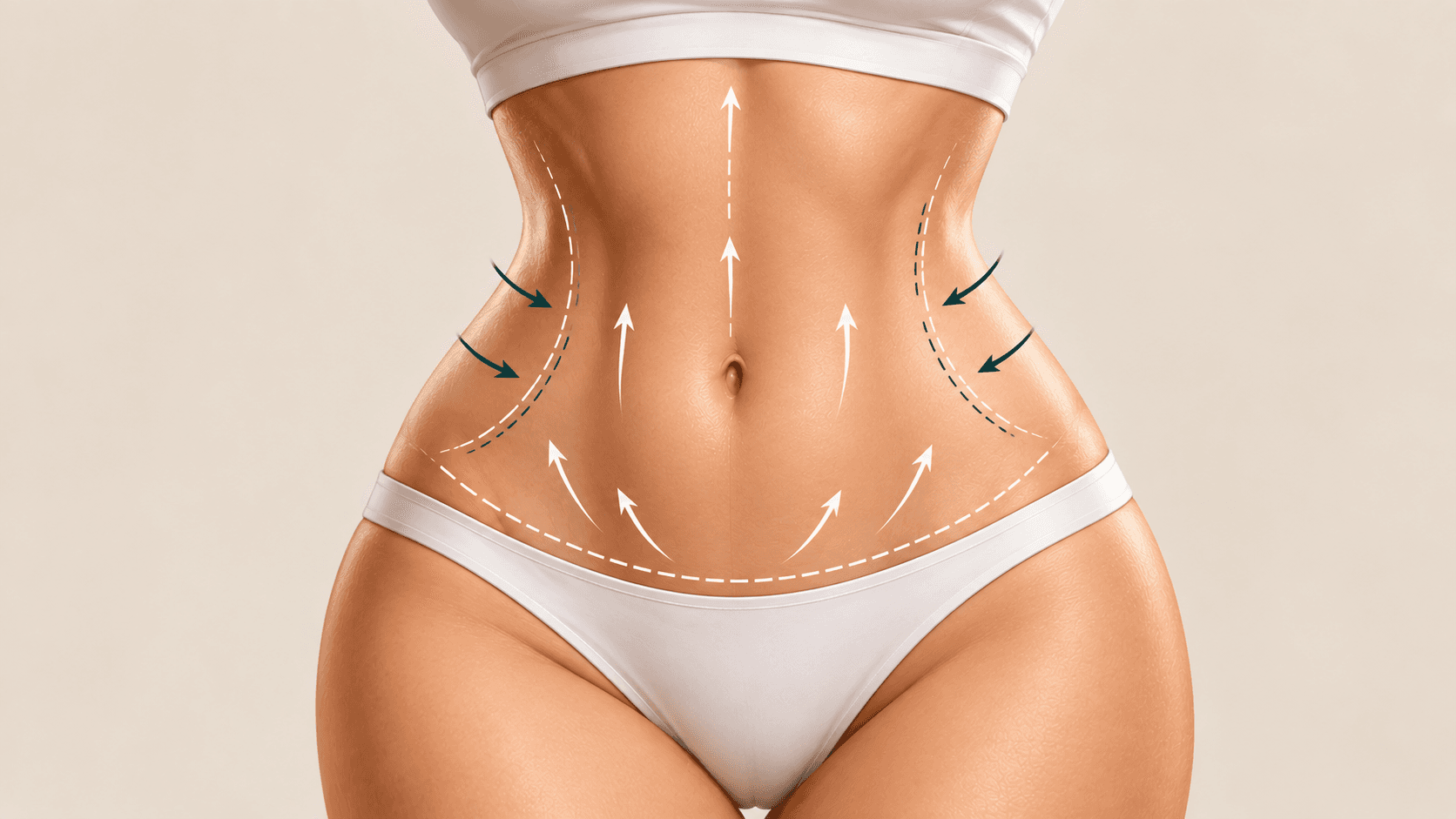
Abdominoplasty
Abdominoplasty, or tummy tuck, is a surgical procedure that removes excess abdominal skin and fat and can tighten the abdominal muscles. People often consider it after pregnancy or major weight loss.
Verified clinics: 0
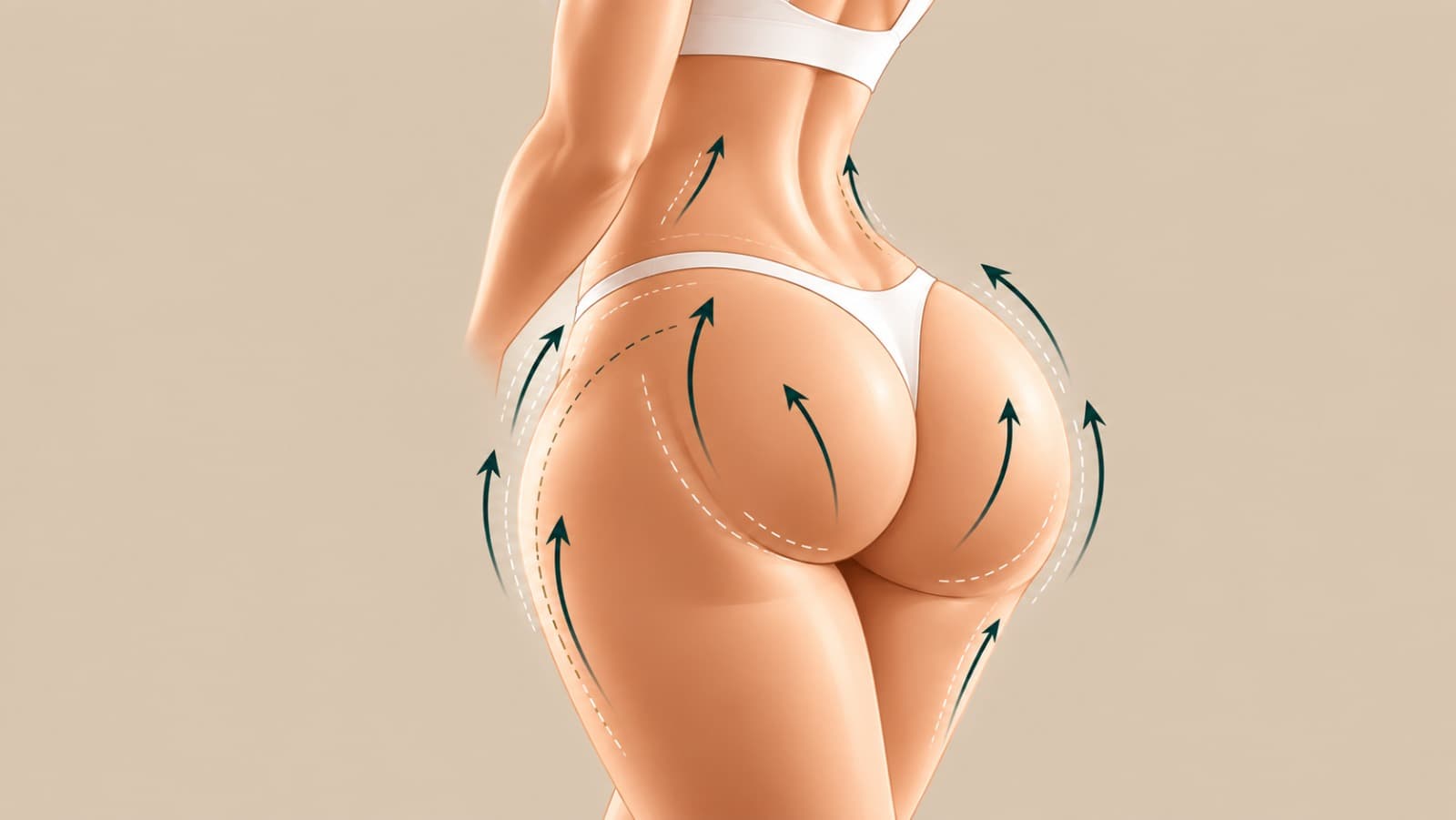
Brazilian butt lift (BBL)
A buttock-shaping operation that uses your own fat, removed by liposuction and transferred to the buttocks to add volume and improve contour. Compare verified clinics abroad and send one free request.
Verified clinics: 0
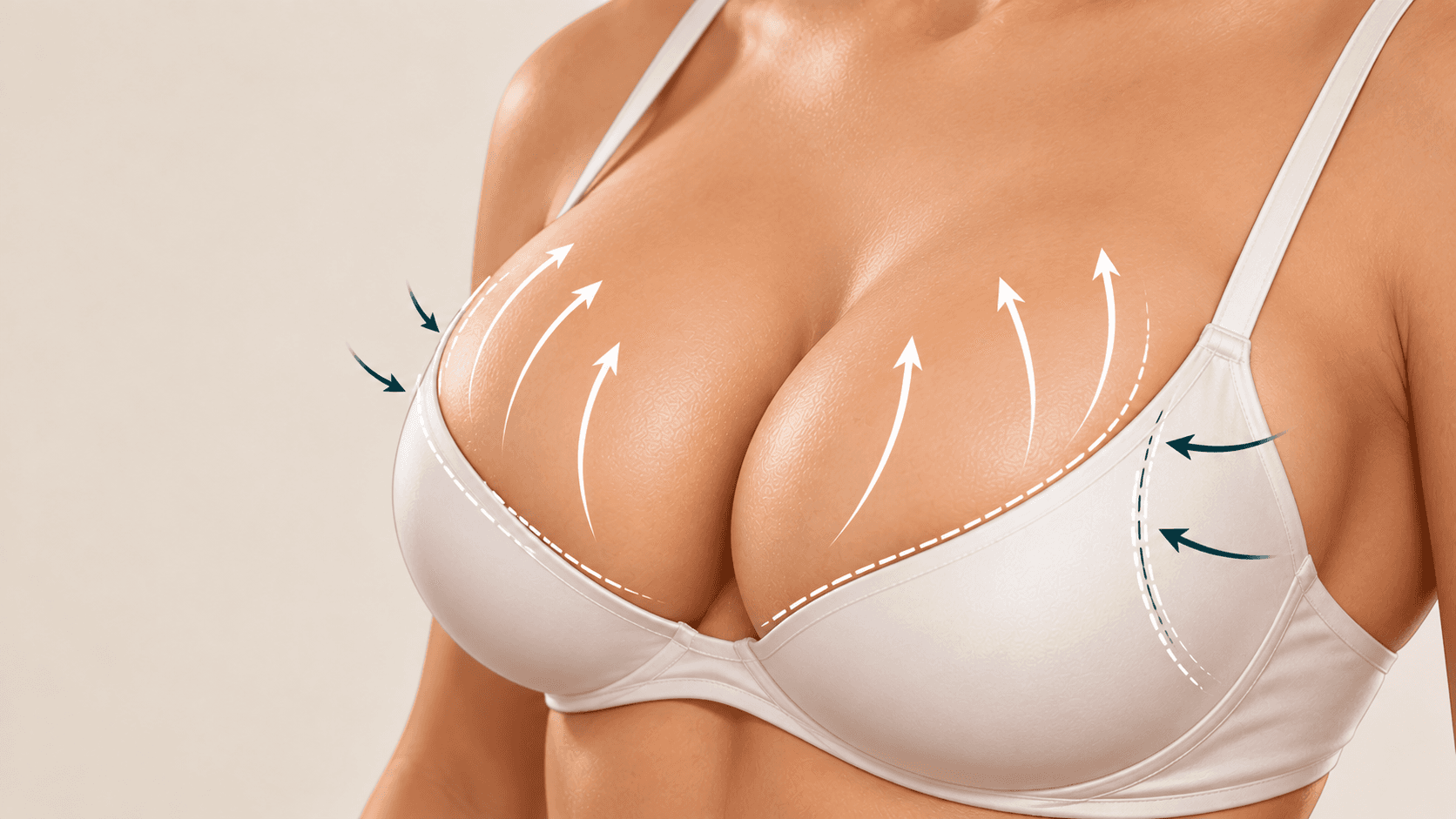
Breast augmentation
Breast augmentation is cosmetic surgery that uses implants or fat transfer to increase breast size, improve shape or symmetry, or restore lost volume. It is usually done under general anaesthesia.
Verified clinics: 0
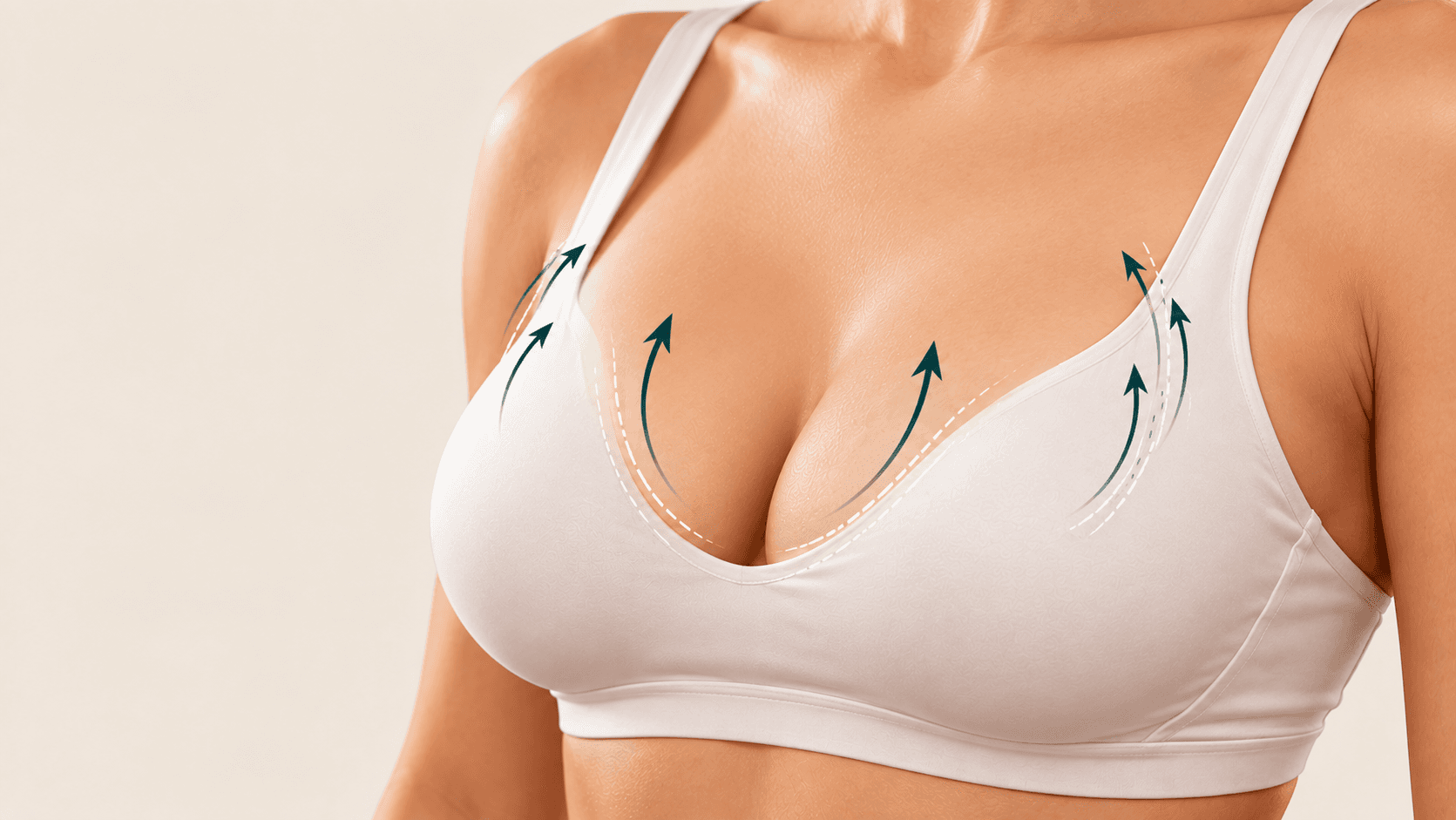
Breast lift
A breast lift (mastopexy) raises and reshapes sagging breasts by removing excess skin and repositioning the nipple. Compare verified clinics abroad and send one free request.
Verified clinics: 0
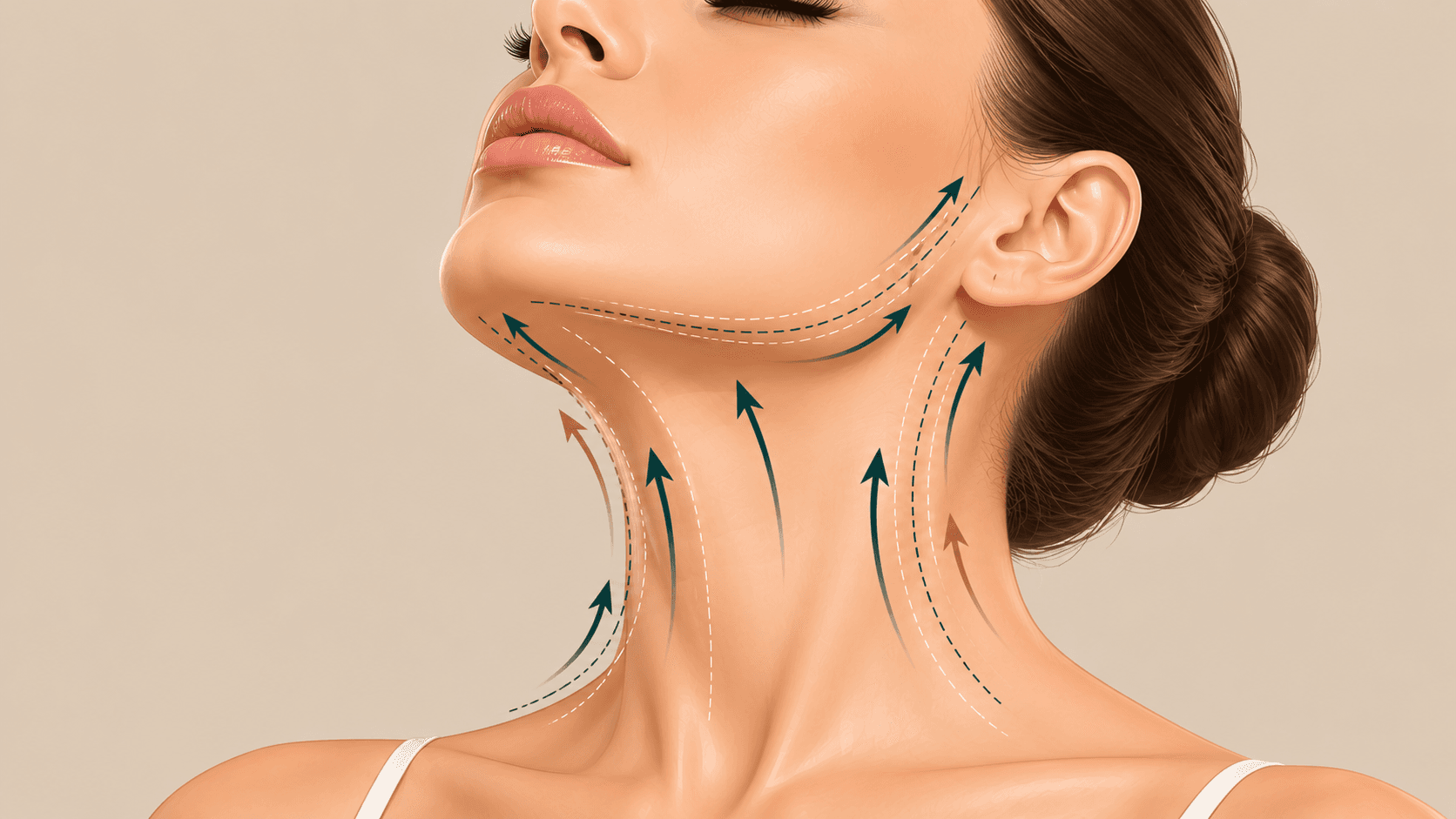
Facelift
A facelift is a surgical procedure that lifts and tightens sagging skin and deeper tissues of the lower face and neck, aiming for a fresher, more rested look that still looks like you.
Verified clinics: 0
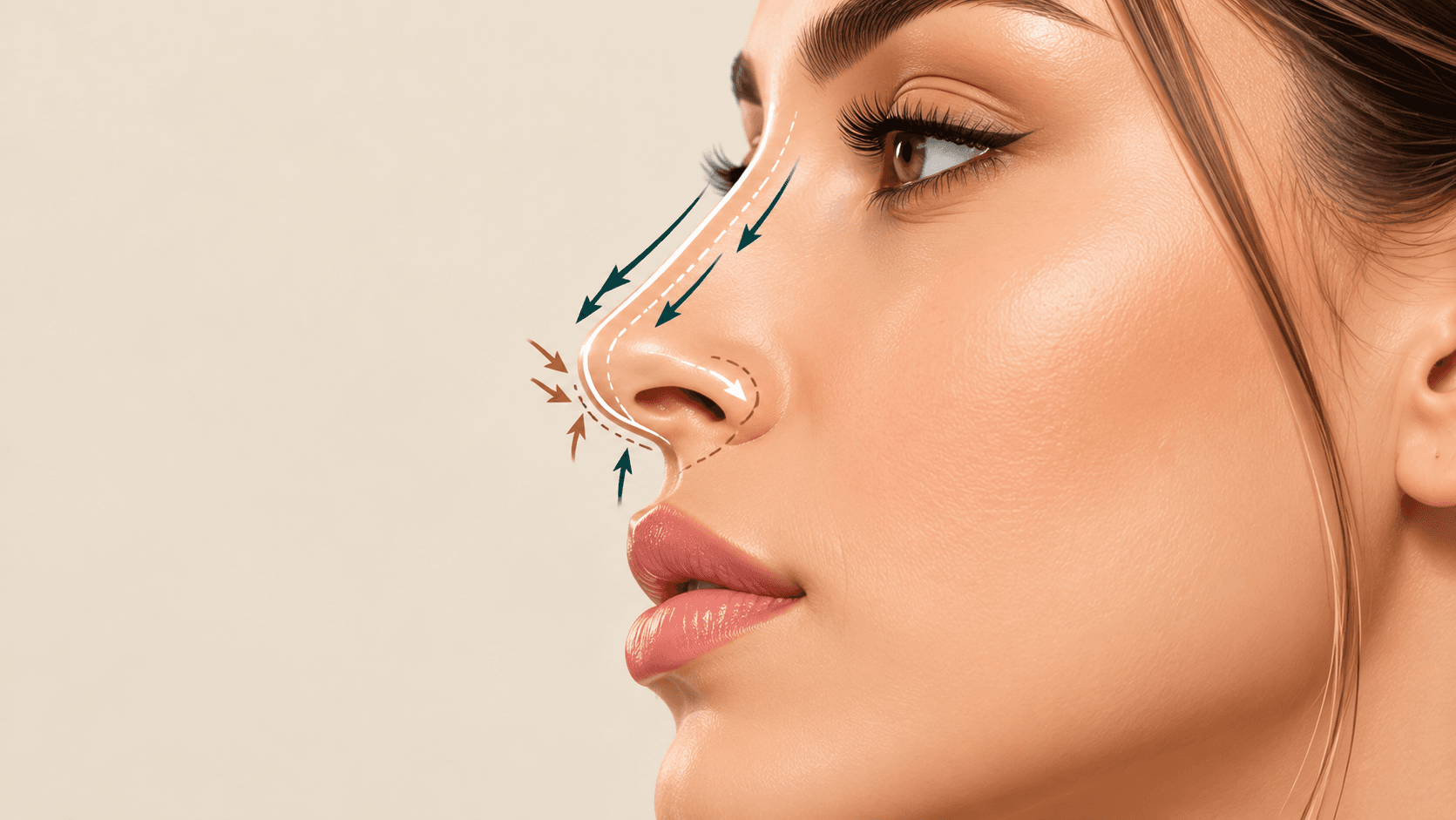
Rhinoplasty
Rhinoplasty is surgery that reshapes the nose for cosmetic or medical reasons, such as refining the tip or bridge or improving breathing. Compare verified clinics and discuss your goals with the treating surgeon.
Verified clinics: 1