
Your guide to a facelift abroad
A facelift is a surgical procedure that lifts and tightens sagging skin and deeper tissues of the lower face and neck, aiming for a fresher, more rested look that still looks like you.
About Facelift
A facelift is a cosmetic surgical procedure that lifts and repositions sagging tissues of the lower face and neck. The surgeon tightens the deeper layers, removes excess skin and redrapes what remains, softening jowls, deep folds and loose neck skin. The aim is a natural, refreshed appearance, not a change in who you are.
Key facts
- Treats sagging cheeks, jowls, deep lines between nose and mouth, and loose skin on the neck
- Performed through incisions usually hidden around the ears and along the hairline
- Typically done under general anaesthesia or local anaesthesia with sedation
- Often involves a short hospital stay or one night of observation, depending on the clinic and the extent of surgery
- Recovery moves through phases: early swelling and bruising, gradual return to light daily activities, and a longer period while the final result settles
What does a facelift actually do?
A facelift addresses the visible signs of ageing caused by gravity, loss of skin elasticity and changes in the deeper tissues of the face. It works on the lower two thirds of the face and, in many cases, the neck. It does not stop the ageing process, but it can turn back some of its visible effects.
The procedure typically targets:
- Sagging skin in the mid and lower face
- Jowls along the jawline
- Deep folds running from the nose to the corners of the mouth
- Loose skin and fat deposits under the chin and on the neck
A facelift does not treat fine surface wrinkles, sun damage or changes in skin texture on its own. For these, surgeons sometimes recommend additional treatments such as eyelid surgery, a brow lift, fat transfer or skin resurfacing, which can be combined or planned separately.
Who is a good candidate for a facelift?
Good candidates are generally healthy adults who are bothered by sagging in the face or neck and have realistic expectations. Being a non-smoker, or willing to stop well before and after surgery, is usually important. Your surgeon will assess your health, skin quality and goals before advising whether the procedure suits you.
Factors a surgeon will usually consider include:
- Your general health and any medical conditions, such as high blood pressure or diabetes
- Medications and supplements that may affect bleeding or healing
- Smoking and nicotine use, which can impair healing
- Skin elasticity and bone structure
- Your expectations and what you hope to change
People with certain health conditions may need extra checks or may be advised against surgery. Suitability is always an individual decision made with the treating doctor.
How is a facelift performed?
The surgeon makes incisions, usually starting at the temples, running in front of and around the ears and ending in the hairline behind them. Through these incisions, the deeper tissues are lifted and tightened, excess skin is removed and the skin is closed. A small incision under the chin may be added to treat the neck.
There are several techniques, and the right one depends on your anatomy and goals:
- Full facelift: addresses the mid face, lower face and neck
- Mini or short-scar facelift: uses shorter incisions for milder sagging
- Deep plane and SMAS techniques: focus on repositioning the deeper muscle and connective tissue layer
- Neck lift: concentrates on the neck and jawline, sometimes combined with a facelift
Your surgeon will explain which approach they recommend and why. Drains and a compression dressing may be used for a short time after surgery.
What is recovery like after a facelift?
Recovery usually happens in stages, with swelling and bruising at their most noticeable in the first days. Most people gradually return to light activities and social life over the following weeks, while subtle swelling can take longer to fade. Healing time differs from person to person.
General phases of recovery often include:
- Early phase: rest, head elevation, swelling, bruising and a feeling of tightness or numbness
- Follow-up visits: dressing changes, drain removal if used, and stitch removal
- Return to routine: light daily activities, then work and exercise when your surgeon agrees
- Settling phase: residual swelling fades, sensation returns and scars mature and soften over time
If you travel abroad, plan enough time to stay near the clinic for check-ups before flying home. Ask your surgeon how long they advise staying and when it is safe to fly.
What are the risks and side effects of a facelift?
Like any surgery, a facelift carries risks, and some side effects are a normal part of healing. Swelling, bruising, tightness and temporary numbness are common. More serious complications are less common but should be discussed openly with your surgeon before you decide.
Possible risks include:
- Bleeding or a collection of blood under the skin (haematoma)
- Infection
- Visible or thickened scarring
- Temporary or, rarely, lasting nerve injury affecting sensation or facial movement
- Hair loss near the incisions
- Asymmetry or a result that differs from expectations
- Risks related to anaesthesia
- Delayed wound healing, especially in smokers
Your individual risk depends on your health and the procedure planned. Following your surgeon's instructions closely helps support safe healing.
What affects the cost of a facelift?
The cost of a facelift varies widely between countries and clinics. It depends on the technique used, the extent of surgery and what is included in the package. Always ask for a clear, written breakdown of costs before you commit.
Factors that commonly influence the price:
- The type of facelift and whether other procedures are combined
- Surgeon experience and clinic facilities
- Anaesthesia and hospital stay
- Pre-operative tests and consultations
- Post-operative care, medication and compression garments
- Follow-up visits and how revisions are handled
- Travel, accommodation and transfers if you go abroad
How do I choose a clinic for a facelift abroad?
Choose a clinic based on the surgeon's qualifications, experience with facelifts and clear communication, not price alone. A good clinic will assess you carefully, explain the risks honestly and plan your aftercare. Take your time and ask questions.
Useful questions to ask:
- Is the surgeon board-certified in plastic surgery, and how often do they perform facelifts?
- Which technique do they suggest for you, and why?
- Where will the surgery take place, and what safety standards apply?
- What aftercare is included, and how is follow-up handled once you return home?
- What happens if a complication or revision is needed?
On our marketplace you can compare verified clinics offering facelift surgery, review their information and send one free request. Clinics then contact you to discuss your situation. Only the treating doctor can decide what is suitable for you after a proper consultation.
This page gives general information and is not medical advice. A doctor at the clinic will assess whether a treatment is right for you.
Clinics offering Facelift

No verified clinics offer this treatment yet.
Frequently asked questions
How long do facelift results last?
A facelift can turn back some visible signs of ageing, but your face keeps ageing naturally afterwards. How long results last depends on your skin quality, genetics, lifestyle, sun exposure and the technique used. Many people feel the benefit for years, yet nobody can promise a fixed timeframe. Protecting your skin, not smoking and keeping a stable weight may help. Ask your surgeon what is realistic for you.
Will people be able to see my facelift scars?
Surgeons usually place incisions in natural creases around the ears and inside or along the hairline so they are as discreet as possible. Scars tend to look red or raised at first and usually fade and soften gradually. How they heal varies from person to person and depends on skin type, healing tendency and aftercare. Your surgeon can explain where your incisions will be and how to care for them.
What is the difference between a mini facelift and a full facelift?
A mini facelift uses shorter incisions and is generally intended for milder sagging, mainly around the jawline and lower cheeks. A full facelift treats a wider area, often including the neck, and may suit more pronounced laxity. The mini version may involve a less extensive operation, but it is not right for everyone. Your surgeon will recommend an approach based on your anatomy and goals.
Is a facelift painful?
You should not feel pain during surgery because of the anaesthesia. Afterwards, many people describe tightness, swelling and discomfort rather than strong pain, often along with temporary numbness. Your surgeon will usually prescribe or recommend pain relief and explain how to manage the first days. Everyone experiences recovery differently, so tell your care team if discomfort feels worse than expected or does not improve.
When can I fly home after a facelift abroad?
There is no single answer, because it depends on how the operation went, how you are healing and your general health. Surgeons usually want to see you for at least one follow-up before you travel and may check for swelling, bleeding or other concerns. When booking travel, allow flexibility in your plans. Always confirm with your treating surgeon when it is safe for you to fly.
Related treatments
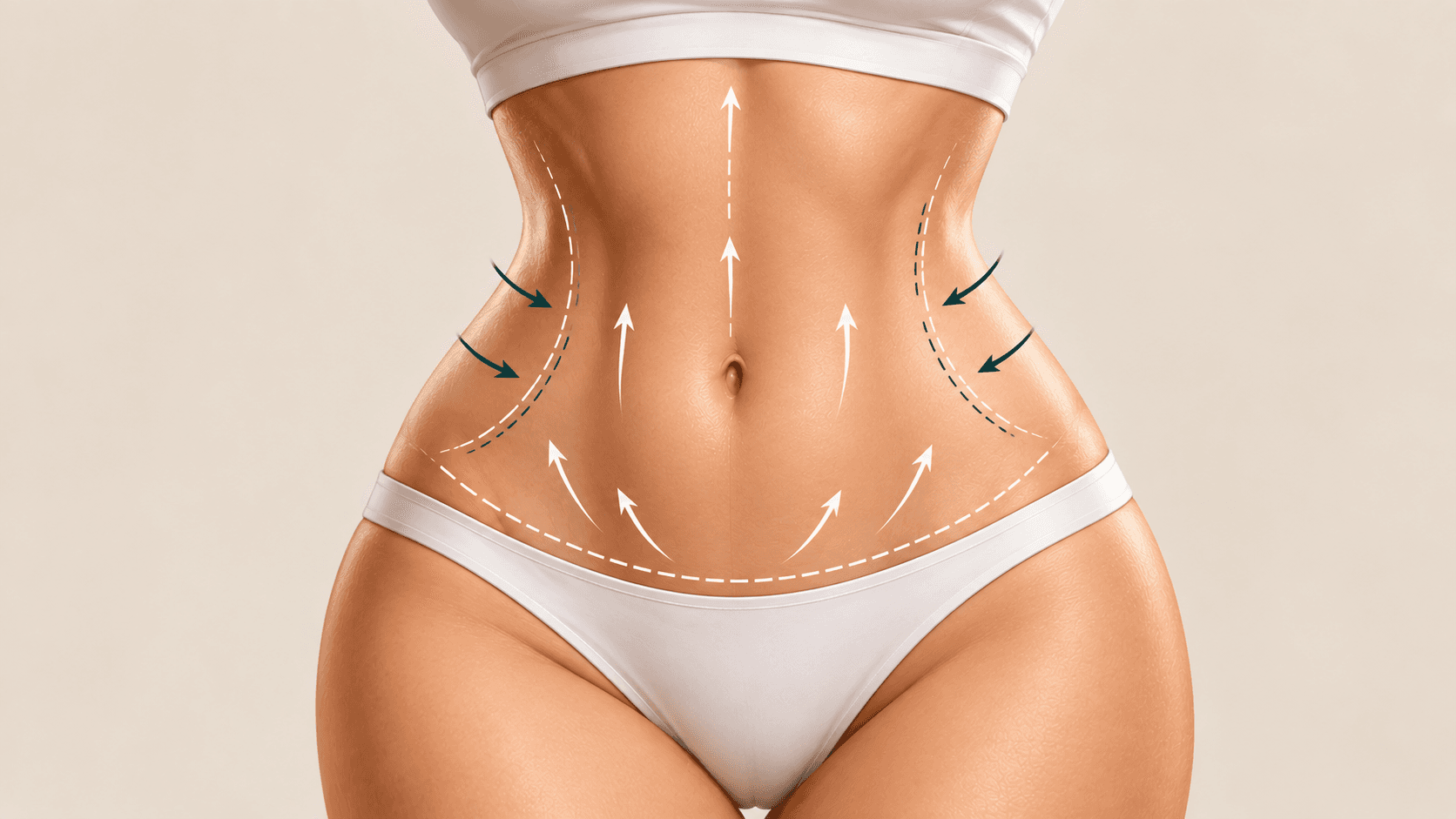
Abdominoplasty
Abdominoplasty, or tummy tuck, is a surgical procedure that removes excess abdominal skin and fat and can tighten the abdominal muscles. People often consider it after pregnancy or major weight loss.
Verified clinics: 0
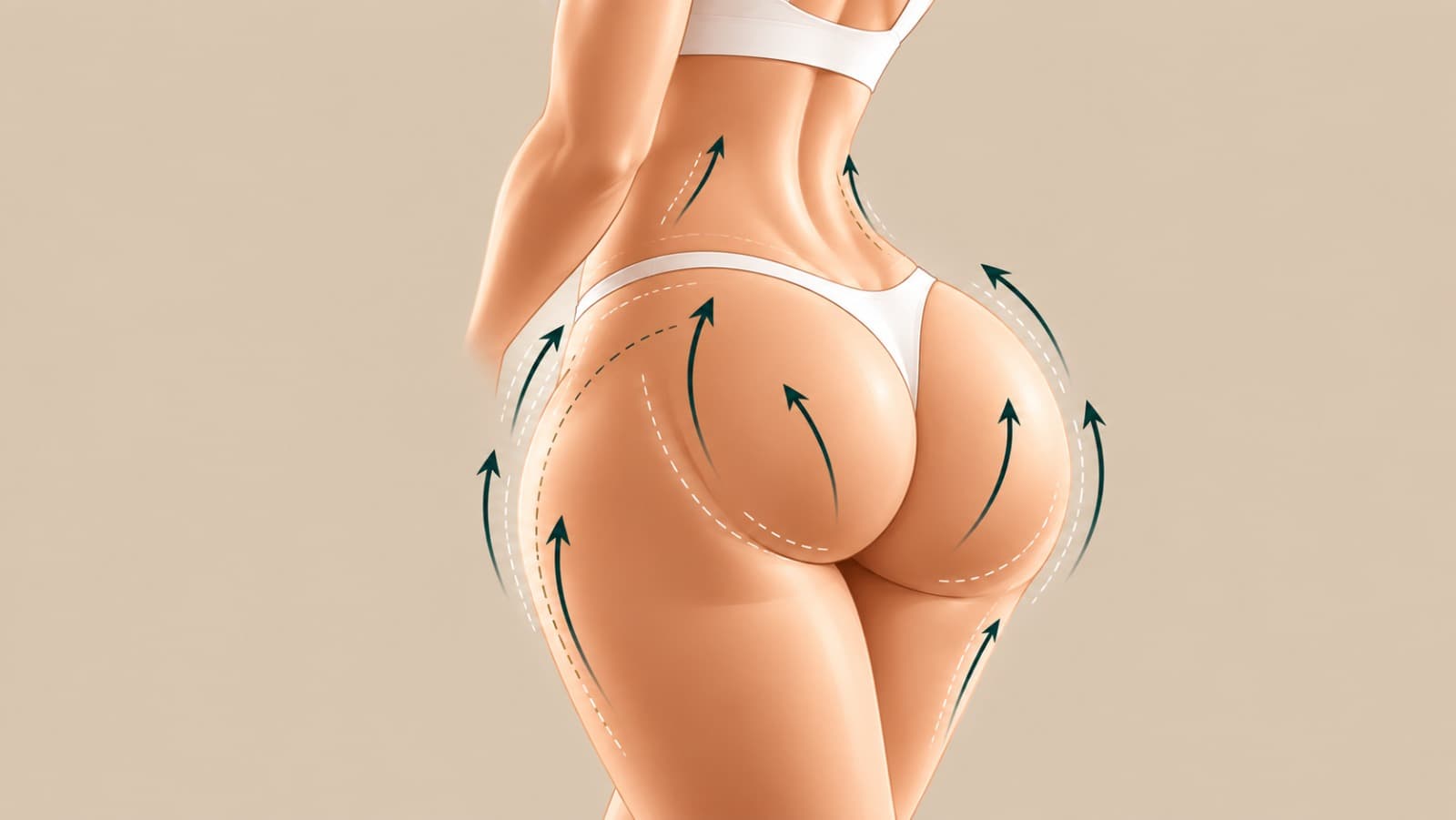
Brazilian butt lift (BBL)
A buttock-shaping operation that uses your own fat, removed by liposuction and transferred to the buttocks to add volume and improve contour. Compare verified clinics abroad and send one free request.
Verified clinics: 0
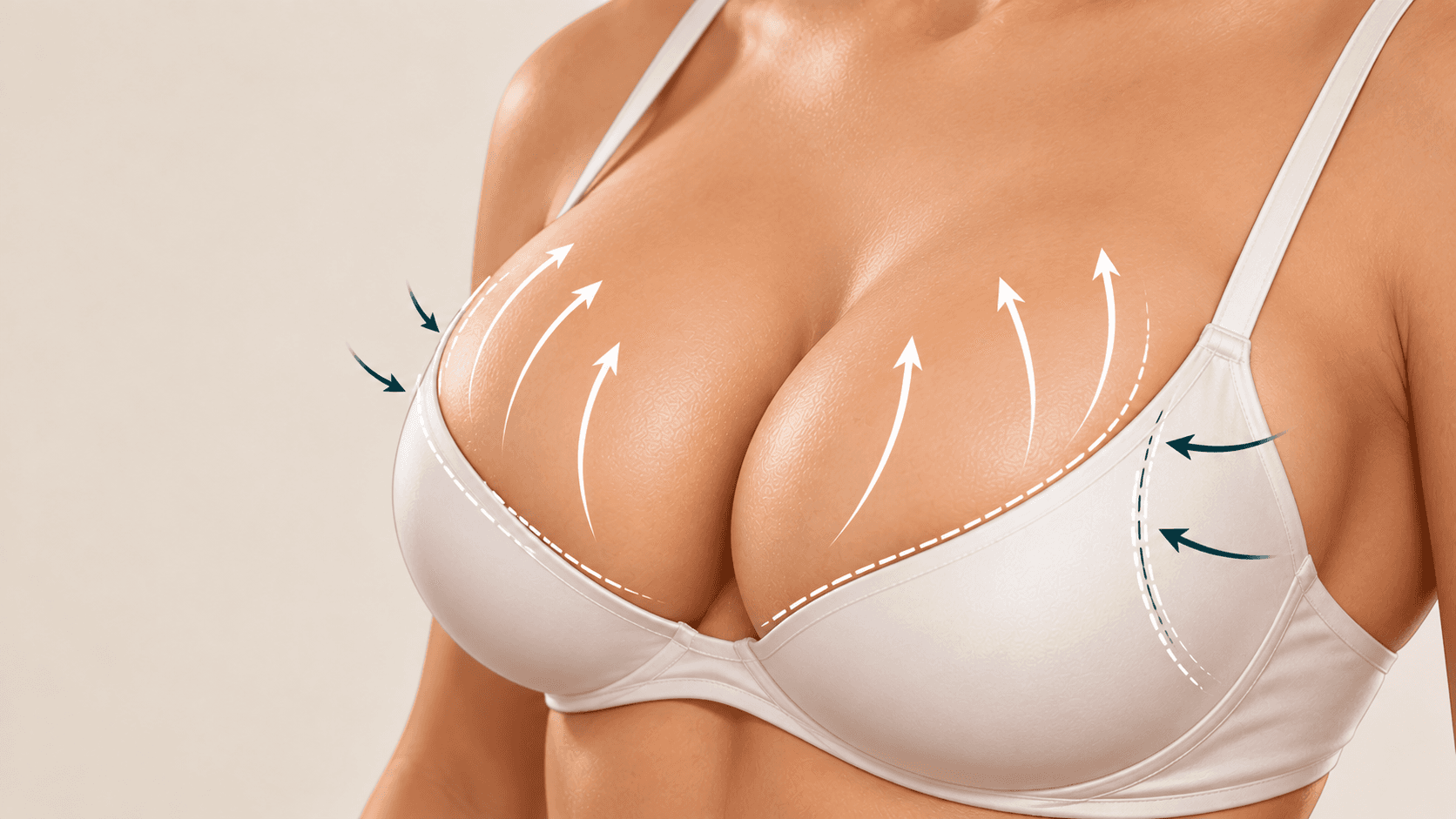
Breast augmentation
Breast augmentation is cosmetic surgery that uses implants or fat transfer to increase breast size, improve shape or symmetry, or restore lost volume. It is usually done under general anaesthesia.
Verified clinics: 0
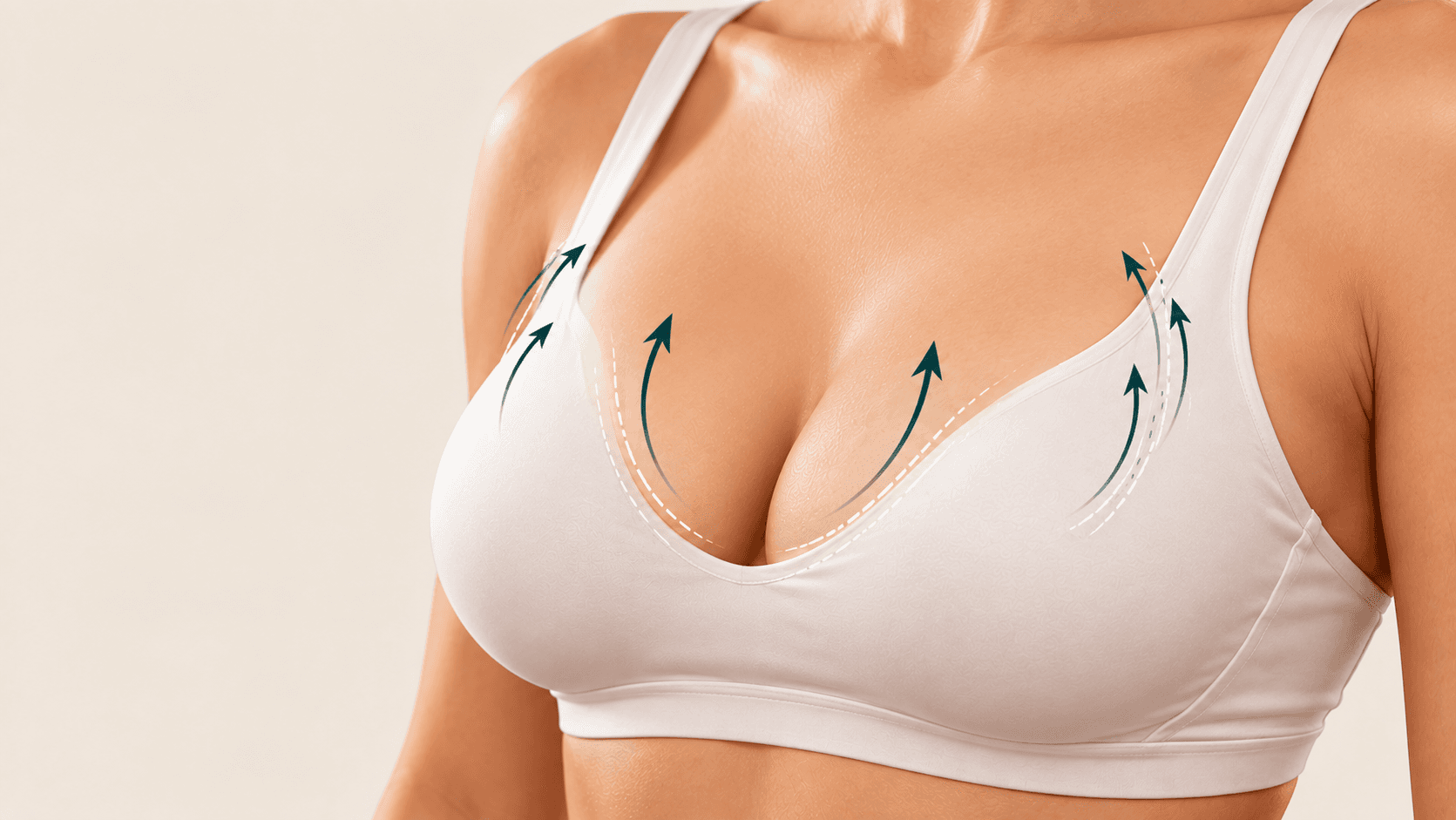
Breast lift
A breast lift (mastopexy) raises and reshapes sagging breasts by removing excess skin and repositioning the nipple. Compare verified clinics abroad and send one free request.
Verified clinics: 0
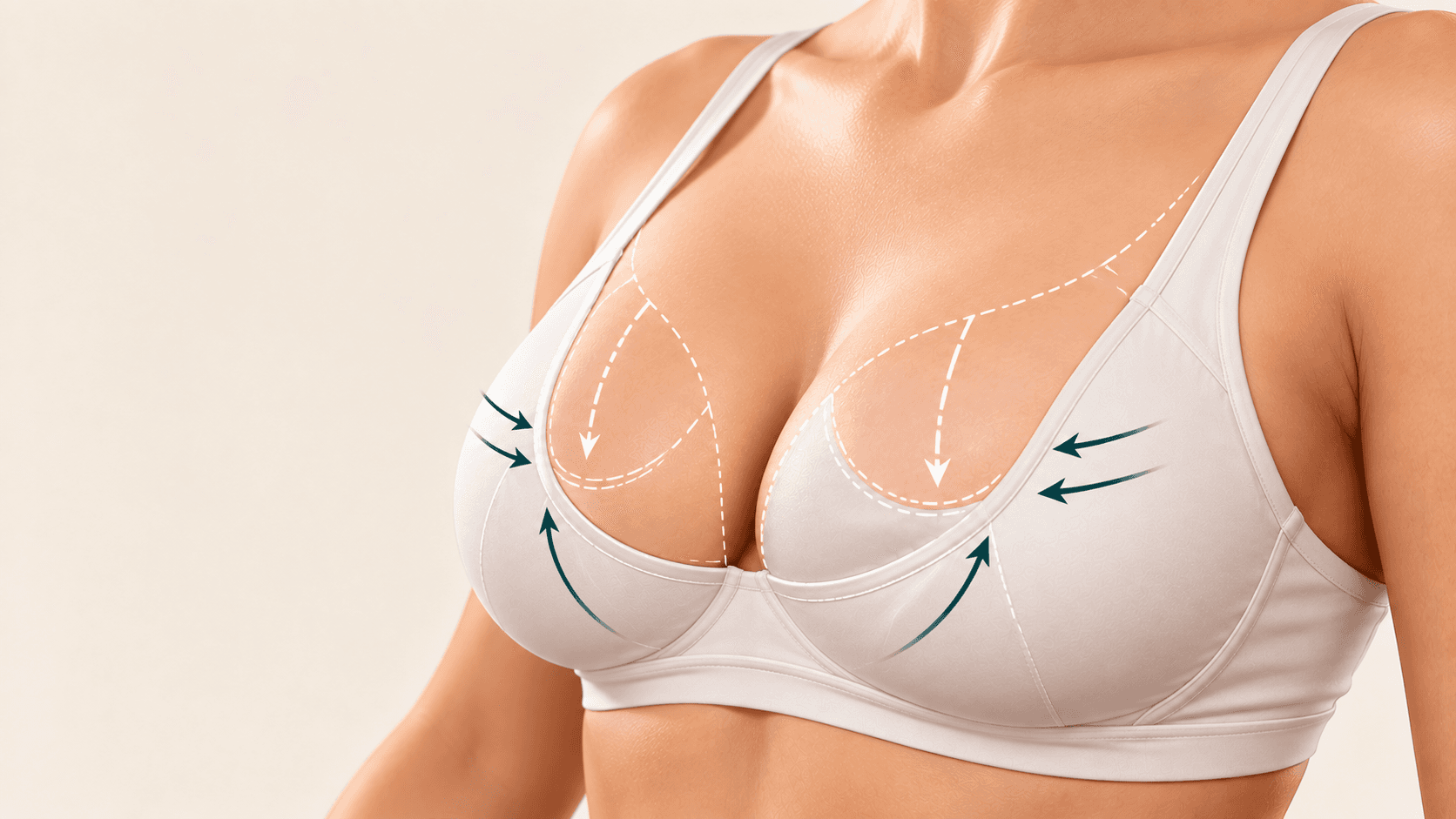
Breast reduction
Breast reduction is surgery to remove excess breast tissue, fat and skin, creating smaller, lighter breasts. It can help ease neck, back and shoulder discomfort and make everyday activities easier.
Verified clinics: 0
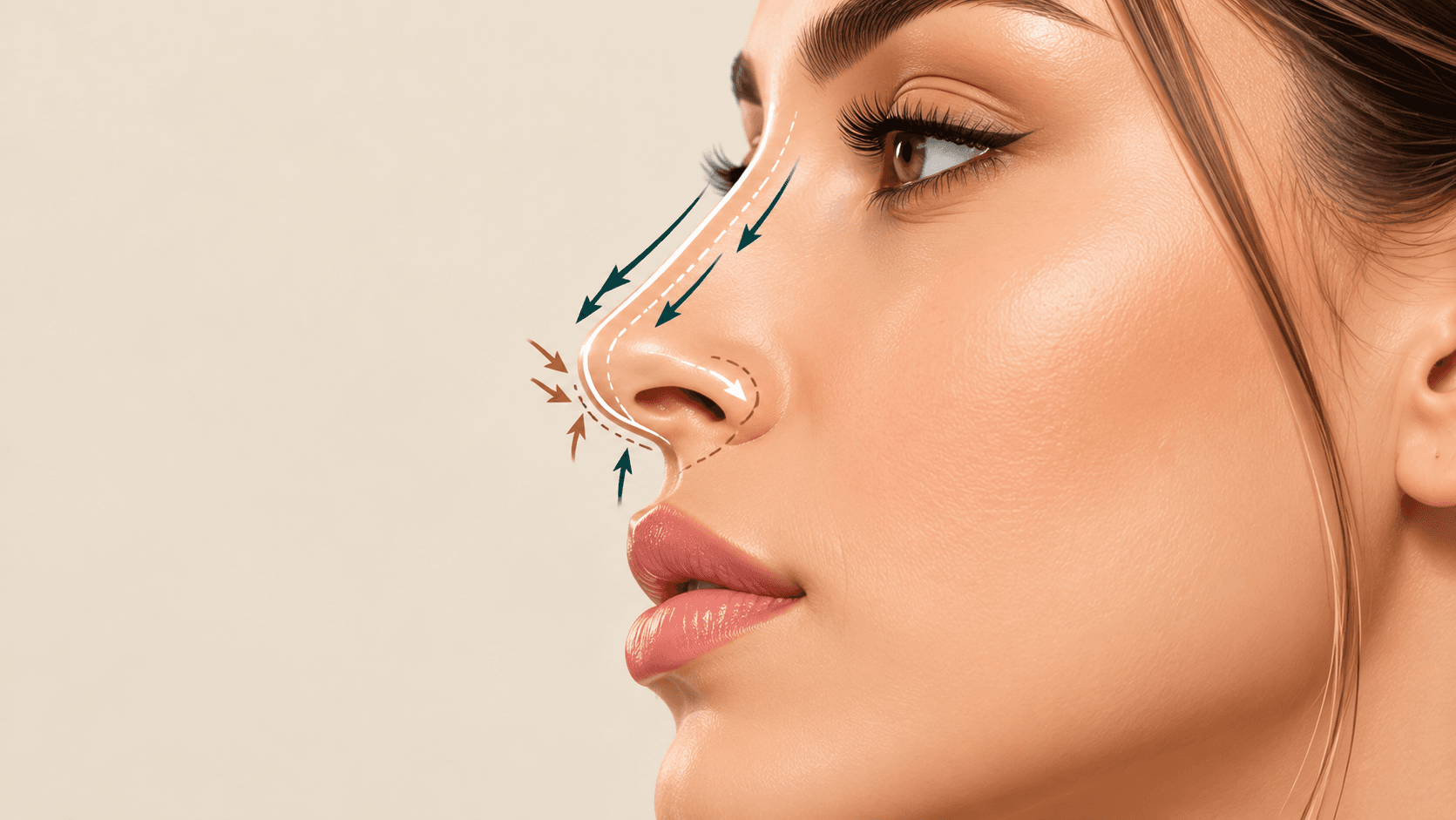
Rhinoplasty
Rhinoplasty is surgery that reshapes the nose for cosmetic or medical reasons, such as refining the tip or bridge or improving breathing. Compare verified clinics and discuss your goals with the treating surgeon.
Verified clinics: 1