
Botox Abroad Travel: How to Plan Timing, Follow-Up and Your Trip
Thinking about combining Botox with a trip? Learn how to time your treatment, prepare for your consultation, handle the first days after injections and arrange follow-up care once you are back home.
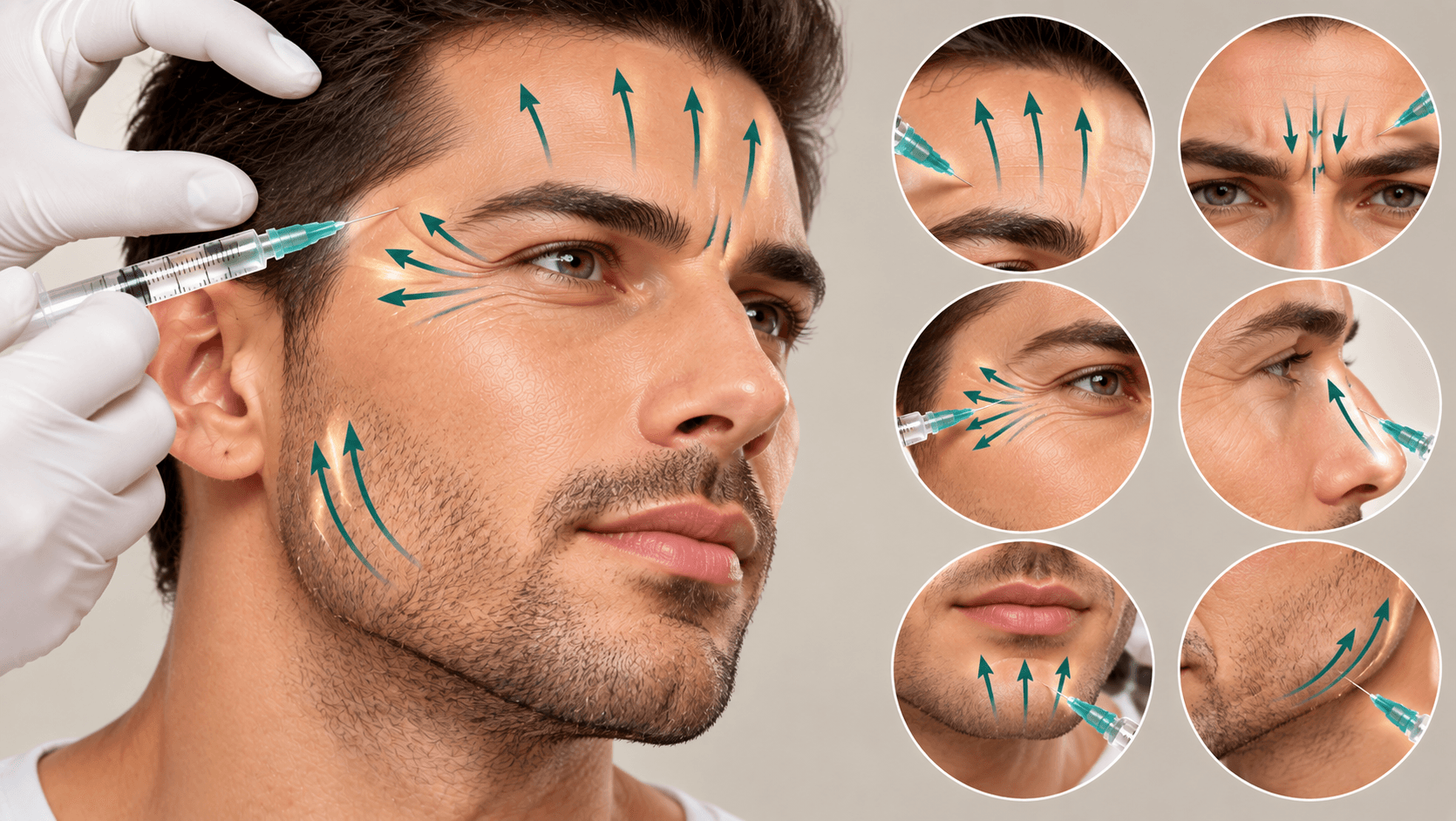
Botox is a quick, non-surgical treatment with no hospital stay, so many people think about combining it with a trip. Planning Botox abroad travel well has less to do with the injections themselves and more to do with timing, aftercare and knowing how follow-up will work once you are home. This guide covers the practical side so you can make calm, informed decisions together with your doctor.
Why planning matters for Botox abroad travel
Botox is a purified form of botulinum toxin. A doctor injects very small amounts into selected facial muscles. It relaxes those muscles for a while, which can soften expression lines such as frown lines, forehead lines and crow's feet. The appointment is usually short. Anaesthesia is normally not needed, although some clinics use a numbing cream or a cold pack. Most people go home straight afterwards.
Even so, a few features of the treatment affect how you plan a trip:
- The effect builds gradually. You will not see the full result when you leave the clinic. It develops over the following days.
- A follow-up may be advised. Some clinics like to check the result or offer a touch-up, so you may need to be available for that.
- Results are temporary. The effect wears off gradually and treatments are usually repeated, so think about where your future appointments will happen.
Timing your trip around the treatment
A relaxed schedule gives you room to have a proper consultation and follow the aftercare advice. Some points to think about:
- Book your consultation early in the trip. Avoid leaving it for your last day. Early booking gives you time to ask questions, think things over and come back for a check if the clinic suggests one.
- Ask about follow-up before you book flights. If the clinic recommends a review appointment, ask when it would be and plan your stay around it.
- Leave space before important events. Small marks, slight redness or bruising can appear, and the result takes some days to develop. Avoid having treatment just before a wedding, a photo shoot or a big work event.
- Match your activities to the aftercare. Doctors often advise avoiding intense exercise, saunas, alcohol and lying flat for a short time afterwards. So a hard hike, a spa afternoon or a late night out straight after treatment may not be a good fit.
Preparing for your consultation before you travel
Good preparation helps the doctor assess whether Botox suits you. It also helps you get clear answers. Before you go:
- Write a list of all your medicines, supplements and earlier cosmetic treatments.
- Note any health conditions, especially neuromuscular conditions or any past reaction to botulinum toxin products.
- Be aware that Botox is usually not advised during pregnancy or breastfeeding, or where there is infection or inflammation in the treatment area.
- Think about what you hope to change and keep your expectations realistic. Botox softens lines caused by movement. It does not change everything about the skin.
It also helps to ask the clinic some questions in advance:
- Who will do the injections, and what are their qualifications?
- Which product will be used, and is it approved in that country?
- Is a consultation with a medical history check included?
- What aftercare and follow-up are offered?
- What happens if you get side effects after you go home?
- Is the quote clear, with nothing hidden?
Be careful with offers that seem very cheap or promise guaranteed results.
On treatment day and the first days after
A typical appointment starts with a talk about your medical history and goals. The doctor then examines your face at rest and while you make different expressions. Next, the skin is cleaned, numbing cream is applied if needed, and the injections are given with a very fine needle. Most people describe them as a quick pinch. Before you leave, you should get aftercare advice. If possible, ask for it in writing and in a language you understand well.
Many people go back to their normal routine soon after. Common advice for the first hours and days includes:
- staying upright for a few hours after treatment
- not rubbing or massaging the treated areas
- avoiding things that press on your face, such as a tight sleep mask
- avoiding intense exercise, saunas and alcohol for a short time if your doctor advises it
If you are flying home soon after treatment, ask your doctor if there is anything you should keep in mind. Advice can differ from person to person.
Follow-up care once you are back home
Follow-up is one of the most important parts of Botox abroad travel. Talk about it before your treatment, not afterwards. Useful steps include:
- Know how to contact the clinic. Ask how you can reach them after you leave and whether they can check your result remotely, for example from photos.
- Keep a record. Note the product used, the areas treated and the date. This helps any doctor who treats you later.
- Have a local contact. Make sure you know a doctor near home you could see if you have concerns.
- Plan for repeat treatments. As the effect fades, decide whether you would travel again or continue closer to home.
Budgeting for Botox abroad travel
The cost of Botox varies widely. It depends on the number of areas treated, the amount of product you need, the brand, the doctor's qualifications and experience, and the city and country. It also depends on whether a follow-up or touch-up is included. Ask for a clear written quote after your consultation.
When you travel, add flights, accommodation, local transport and any extra nights you might need for a follow-up. If you are likely to repeat treatment, think about those travel costs over time as well.
When to talk to a doctor
Most side effects of Botox are mild and short-lived. They include redness, swelling, tenderness or small bruises where the injections went, a headache, or a temporary heavy feeling in the forehead. A drooping eyelid or eyebrow, or uneven results, can also happen and are usually temporary. Contact your treating doctor if anything worries you.
Get medical advice straight away if you have difficulty swallowing, speaking or breathing, notice vision changes, or have signs of an allergic reaction. If you are still abroad, use the local emergency services. Recovery, risks and suitability differ for each person, so always discuss your own situation with the doctor treating you.
Compare clinics and plan with confidence
If you are thinking about a trip that includes this treatment, you can compare verified clinics on our marketplace and send one free request. Clinics will then contact you with information and answer your questions about timing, aftercare and follow-up. You can find more about the treatment here: learn more about Botox and compare clinics. The treating doctor will assess your situation and help you decide what is right for you.