
Breast Augmentation Recovery: What the First Days and Weeks Usually Look Like
Wondering what happens after breast augmentation? Here is a calm, practical look at the first hours, days and weeks of recovery, how to look after yourself, and when to contact your doctor.
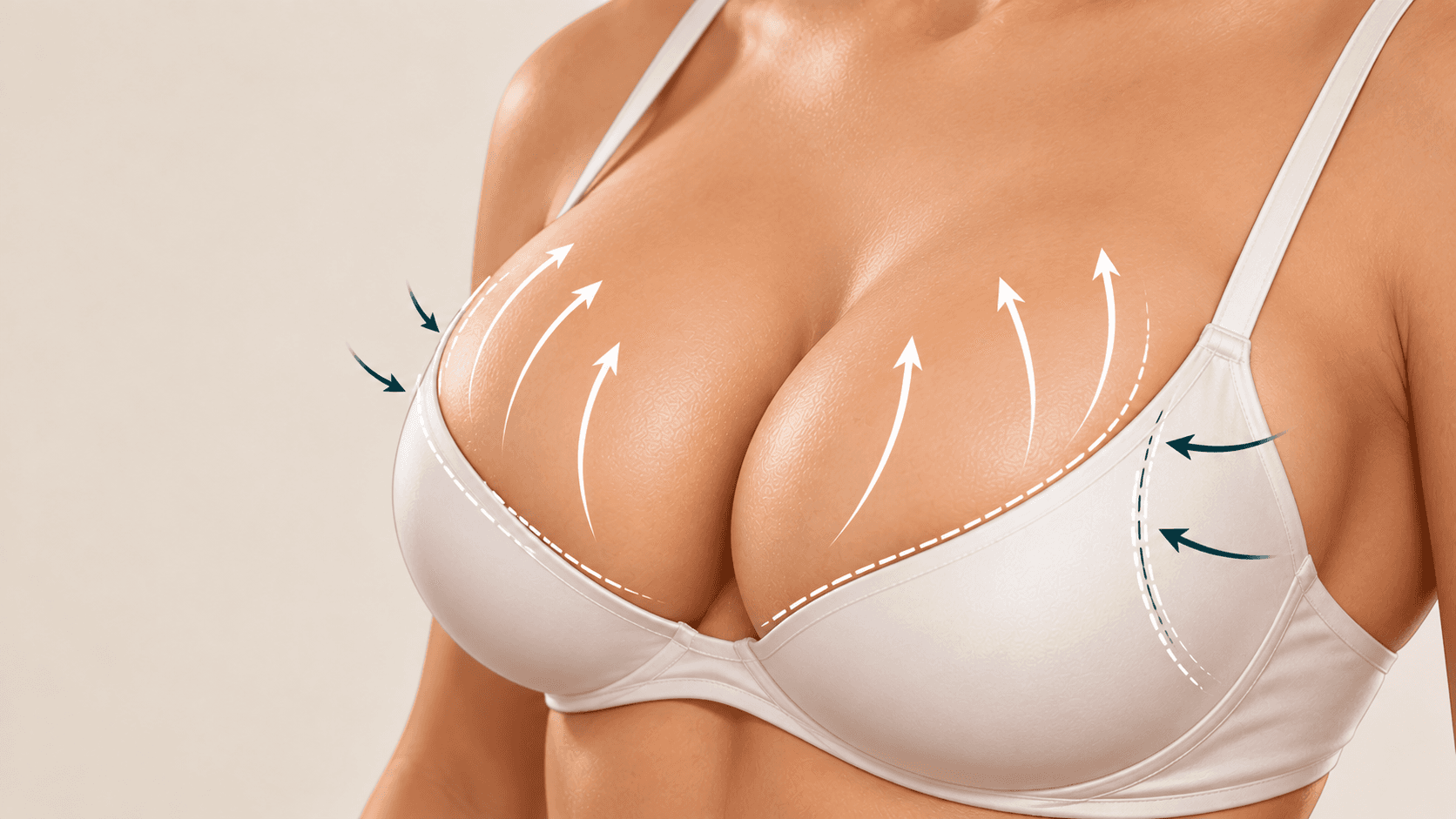
If you are thinking about breast augmentation, you will probably wonder what happens once you leave the operating room. Knowing about breast augmentation recovery in advance helps you plan time off, arrange help at home and recognise what is normal along the way. This guide describes what the first days and weeks usually look like, based on general medical knowledge. Everyone heals differently, so your own timeline, limits and aftercare plan should always come from your surgeon.
Right After Surgery: The First Hours
Breast augmentation is usually done under general anaesthesia, so you will wake up in a recovery area where nurses keep an eye on you while the anaesthetic wears off. Many people feel drowsy, a little cold or slightly sick at first. This normally passes as the hours go by.
Your chest will probably feel tight and heavy, and you will usually be wearing a dressing, a surgical bra or both. Depending on the clinic and your health, you may go home the same day or stay one night. Either way, it helps to organise:
- Someone to take you home, as you should not drive after anaesthesia
- An adult to stay with you for at least the first night
- Loose clothing that fastens at the front, so you do not have to lift your arms over your head
- Your prescribed medicines and aftercare instructions, ready before you leave
Breast Augmentation Recovery in the First Few Days
The first few days are usually the most uncomfortable part of breast augmentation recovery. Soreness, swelling and a feeling of tightness or pressure across the chest are very common. People whose implants sit under the chest muscle often say the muscle feels stiff or achy, and some describe it as a heavy weight on the chest. Bruising may show up and change colour as it fades.
This is a time for rest, not for getting things done. Things that often help:
- Taking pain relief exactly as prescribed, and not adding other medicines without checking first
- Sleeping on your back with your upper body raised on pillows, unless your surgeon tells you otherwise
- Taking short, gentle walks around the house to keep your circulation going
- Keeping things you use every day at waist height so you do not have to reach up
- Drinking enough fluids and eating light, simple meals
- Asking for help with lifting, shopping, cleaning and, if relevant, childcare
Simple tasks such as washing your hair or getting out of bed can feel surprisingly hard at first. This is expected, and it usually gets easier day by day.
The First Weeks: Gradually Getting Back to Daily Life
After the first few days, most people notice the soreness easing, although tiredness can last longer than expected. Recovery then moves on slowly, with a gradual return to light activities. How quickly that happens depends on your body, the surgical technique used and your surgeon's advice.
In the following weeks you can often expect:
- More independence: light everyday tasks usually become manageable, while heavy lifting, pushing and pulling stay off limits until your surgeon says otherwise
- Going back to work: people with desk jobs tend to return sooner than those whose work is physical, and your surgeon can advise you on your situation
- Easing back into exercise: gentle walking is usually encouraged early on, but running, upper-body workouts and high-impact sport need your surgeon's approval
- Follow-up visits: check-ups let your care team look at your incisions, how you are healing and how the implants are positioned
It is also completely normal for the breasts not to look "finished" yet. In the early weeks, implants often sit high and feel firm, and swelling can make the breasts look bigger or uneven. Over the following months, as swelling settles and the tissues relax, the implants slowly find their position. Try not to judge the result too early.
Changes in sensation are also common. Your nipples or breast skin may feel numb, extra sensitive or tingly. This often improves over time, but sometimes changes last, so talk it through with your surgeon.
Caring for Your Incisions and Wearing a Support Bra
Good wound care and proper support are a big part of a smooth recovery. Your clinic will give you specific instructions, which may cover:
- When you can shower and how to keep the dressings clean and dry
- Whether stitches dissolve or need removing
- How long to wear a surgical or supportive bra, and whether to wear it at night as well
- When you can start wearing underwired bras again
- Avoiding baths, swimming pools and saunas until the incisions have fully healed
Scars are usually pink or red to begin with and tend to fade gradually over many months. Ask your surgeon when it is safe to start scar care and how to protect the scars from the sun. Smoking can slow healing, so your surgeon may ask you to avoid it both before and after surgery.
Recovering From Breast Augmentation Abroad
If you have surgery in another country, plan your recovery as carefully as the operation itself. Ask your clinic how long they recommend you stay nearby before flying home, since this varies from person to person and from clinic to clinic. Staying close by for a while means you can go to your first check-ups and get help quickly if something does not feel right.
Before you travel, it helps to clarify:
- Who you can contact after surgery, and how
- What happens if you have a complication once you are home
- Whether follow-up can be done by video consultation
- Which documents you will receive, including details of the implants used
It is also a good idea to tell your own doctor at home about your plans, so they can support you with aftercare once you are back.
When to Talk to a Doctor
Some discomfort is part of normal healing, but certain signs need prompt medical attention. Contact your surgeon or a doctor straight away if you notice:
- A fever, or feeling generally unwell
- Pain that gets worse instead of better, or is not helped by your prescribed medication
- One breast suddenly becoming much more swollen, hard or painful than the other
- Spreading redness, warmth, discharge or an unpleasant smell from an incision
- An incision that opens up
- Swelling, pain or warmth in one calf
Shortness of breath, chest pain or trouble breathing need emergency care right away. If you are ever unsure whether something is normal, it is always better to ask. Recovery, risks and suitability differ for every person and should be discussed with your treating doctor.
Planning Ahead and Comparing Clinics
A comfortable recovery starts long before surgery day: with a clinic that explains aftercare clearly, answers your questions openly and gives you time to decide. If you are exploring your options, you can compare verified clinics on our site and send one free request, and the clinics will then contact you. Learn more about the procedure on our breast augmentation treatment page and take whatever time you need to choose what feels right for you.