
Signs you may be a breast reduction candidate
Neck pain, rashes under the breasts or bra straps that dig in? Learn the common signs that you may be a breast reduction candidate, the health factors surgeons look at and when it makes sense to book a consultation.
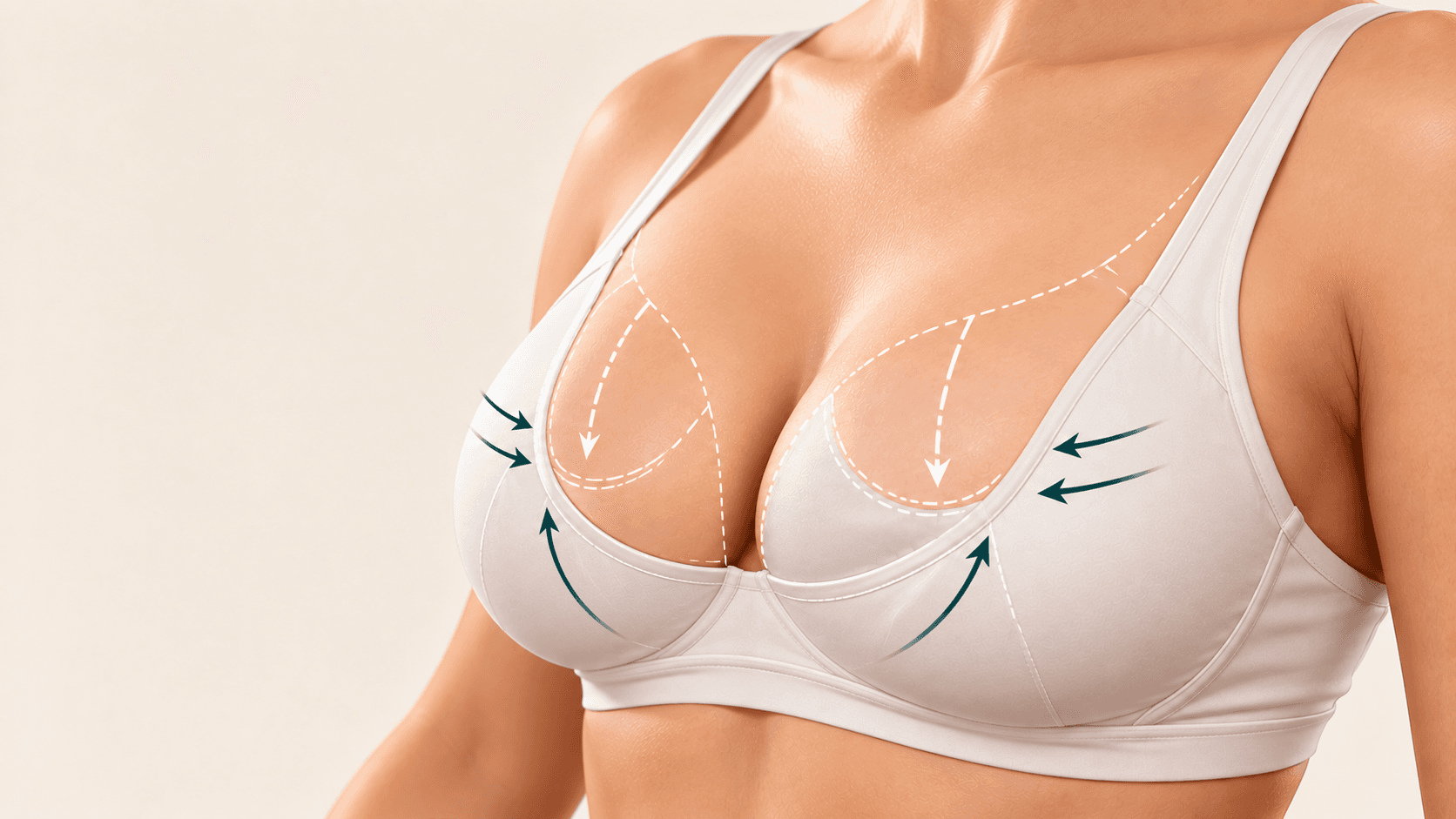
Living with large, heavy breasts affects more than how clothes fit. For many people it means daily aches, sore skin and having to plan exercise around discomfort. If this sounds familiar, you may be wondering whether you could be a breast reduction candidate. This guide covers the signs that often lead people to consider the procedure, the health factors surgeons look at and how to tell when it's time to talk to a specialist. Only a qualified surgeon can confirm whether surgery is right for you, but knowing these points can help you feel ready for that conversation.
What makes someone a breast reduction candidate?
Breast reduction, also called reduction mammaplasty, removes excess breast tissue, fat and skin to make the breasts smaller, lighter and more in proportion with the body. The nipple is usually moved higher as part of the reshaping. It's a surgical operation, usually done under general anaesthesia, so it isn't a decision to rush.
In general, people with large breasts that cause physical or emotional strain are often suitable. Breast size alone doesn't settle it, though. Before confirming whether the operation is a good option, a surgeon will look at:
- Your general health and medical history
- Your breast size, shape and skin
- How your breasts affect your daily life
- What you hope to achieve and whether those goals are realistic
Physical signs it may be worth talking to a surgeon
Many people first think about breast reduction because of ongoing physical discomfort. Common signs include:
- Neck, back or shoulder pain that keeps coming back and seems linked to the weight of your breasts
- Grooves in your shoulders left by bra straps carrying a lot of weight
- Skin irritation or rashes under the breasts, especially in warm weather or after activity
- Difficulty exercising, for example because running or jumping is painful even in a supportive sports bra
- Posture changes, such as feeling pulled forward or rounding your shoulders
These problems can have other causes too. Back pain, for example, has many possible sources. That's one reason a proper medical assessment matters. A doctor can help work out whether your breast size is likely to be a major factor.
How large breasts can affect everyday life
Not every sign is physical. Many people say large breasts affect their everyday life in ways that build up over time. You might notice that:
- Finding clothes, swimwear or bras that fit comfortably is a constant struggle
- You avoid some sports or activities you would otherwise enjoy
- You feel self-conscious or get unwanted attention
- Sleeping comfortably is difficult
Emotional strain is a valid reason to start a conversation with a surgeon. It helps to be open about how you feel during a consultation, as this gives the surgeon a fuller picture of your goals.
Health factors that affect suitability
Even when the signs are clear, some personal circumstances affect whether surgery is advisable now or better left until later. Surgeons commonly consider the following:
- Stable weight: Weight changes can affect breast size, so surgeons often recommend waiting until your weight has been stable for a while.
- Family plans: Pregnancy can change breast size and shape. If you plan to have children, you may be advised to wait until you've finished.
- Breastfeeding: Breast reduction may affect your ability to breastfeed afterwards. This is worth discussing in detail if it matters to you.
- Smoking: Smoking increases the risk of healing problems. You will usually be asked to stop well before surgery.
- General health: Long-term conditions and regular medicines need to be reviewed, as they can affect anaesthesia and healing.
None of these automatically rules you out. They're simply part of the picture your surgeon will look at to plan the safest approach for you.
Having realistic expectations
Being a good breast reduction candidate also means understanding what surgery can and can't do. It aims to create smaller, lighter breasts, and many people consider it to ease discomfort. Results, however, vary from person to person.
Before deciding, it helps to keep a few points in mind:
- Scarring is expected. Scars usually fade over time, but they don't disappear. Their position depends on the incision technique, such as an anchor, vertical or periareolar pattern.
- Sensation may change. Feeling in the nipple or breast can change after surgery.
- The breasts may not match perfectly. Small differences in size or shape between the two breasts are possible.
- Surgery carries risks. These include infection, bleeding, delayed wound healing and risks linked to anaesthesia, such as blood clots.
- Recovery takes time. You will usually rest during the first days, move gradually back to light activities and return to exercise only when your surgeon agrees.
Recovery, risks and suitability differ for each person. Your treating surgeon should explain which risks apply to you and how they can be reduced.
When to talk to a doctor
It may be worth booking a consultation if breast-related discomfort is affecting your daily life, if skin problems under the breasts keep coming back, or if you've been thinking about surgery for a while and want clear answers. A family doctor can be a helpful first step, especially for checking other possible causes of pain.
When you meet a plastic surgeon, you might ask:
- Am I a suitable candidate, and why?
- Which technique would you recommend for me?
- What risks are most relevant to my health?
- How might surgery affect breastfeeding or sensation?
- What should I expect during recovery, especially if I travel for treatment?
If you're considering surgery abroad, also ask how long to stay near the clinic for follow-up checks and how aftercare will continue once you're home. A good consultation should leave you feeling informed, never pressured.
Compare verified clinics at your own pace
If you recognise some of these signs and would like to explore your options, you can learn more about the procedure and compare verified clinics on our breast reduction treatment page. You can send one free request, and clinics will contact you with information. Take the time you need. Your treating doctor will assess your situation and help you decide which approach, if any, is right for you.