
A practical checklist for preparing for breast reduction surgery
Planning a breast reduction? This practical checklist covers what to ask your surgeon, the health steps to take, how to organise help and time off, and what to think about if you're travelling abroad for surgery.
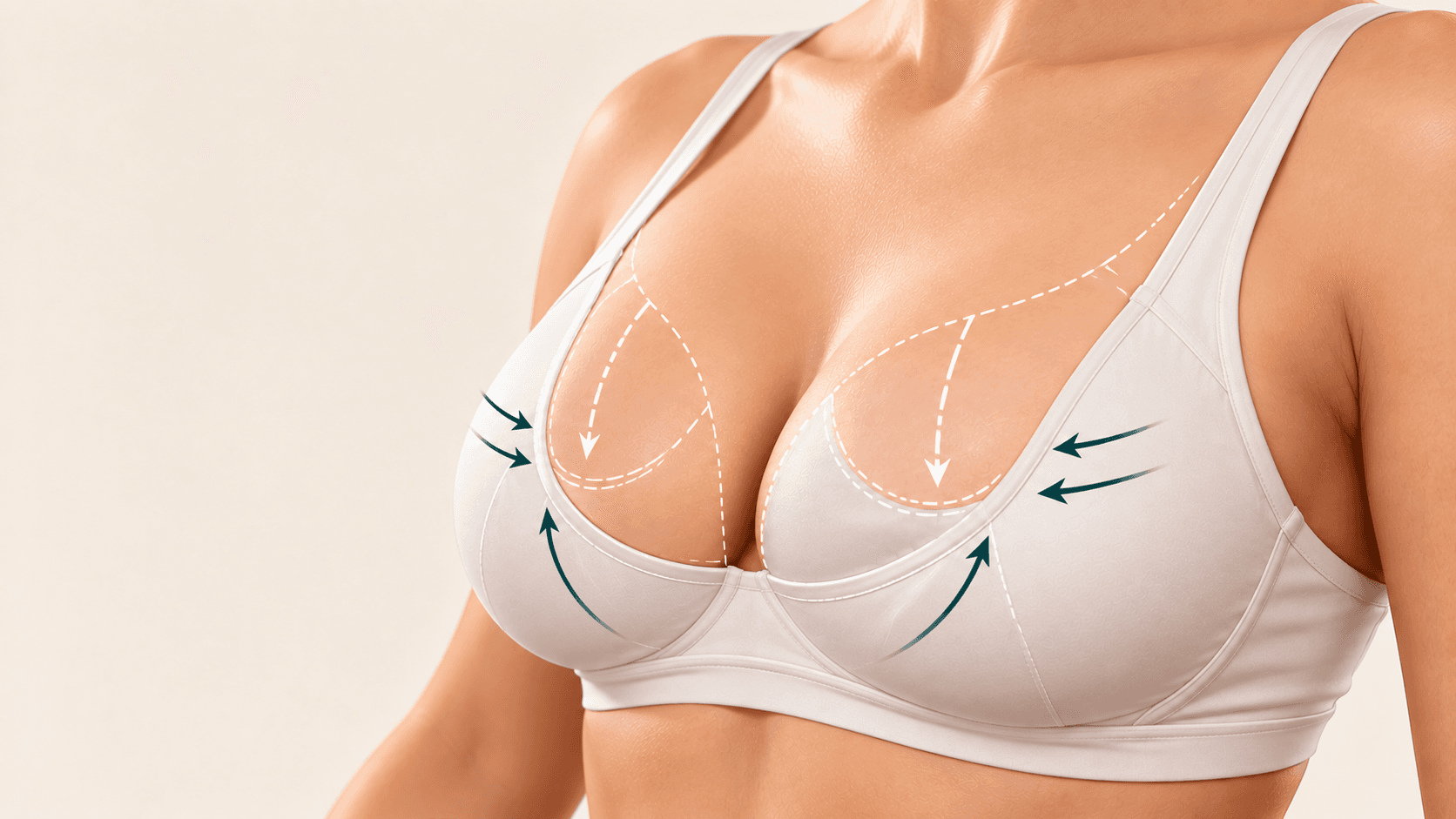
Deciding to have a breast reduction is a big step, and many people find that good preparation makes the whole experience calmer. Preparing for breast reduction means more than booking a date. You'll be getting your body ready, organising your home and work, and making sure you understand what your surgeon has planned. This checklist goes through the main steps so you know what to think about and what to ask.
Breast reduction, also called reduction mammaplasty, removes excess breast tissue, fat and skin to create smaller, lighter breasts. People often consider it because of neck, back or shoulder discomfort, skin irritation under the breasts or difficulty exercising. Everyone's situation is different, so use this guide alongside your surgeon's personal advice, not instead of it.
Start with a thorough consultation
Your consultation is the base for everything that follows. The surgeon will look at your general health, breast size and goals before confirming whether the operation suits you. Go in with your questions written down so nothing slips your mind.
Useful things to ask:
- Which incision pattern do you recommend for me, and why? Common options include anchor (inverted-T), vertical (lollipop) and periareolar.
- Will the nipple need to be moved higher, and what might that mean for sensation?
- Could liposuction be used alongside the surgery?
- How might the operation affect breastfeeding in the future?
- Where will the scars be, and what can I realistically expect from them?
- Will I stay overnight, and will drains be used?
Be open about your expectations too. A good surgeon will explain what breast reduction can and cannot do, and will talk you through the risks that apply to you personally.
Health steps when preparing for breast reduction
Your health before surgery can affect how well you heal afterwards. Your surgical team will give you specific instructions, but these points come up for most patients:
- Stop smoking: smoking raises the risk of healing problems, so you'll usually be asked to stop well before surgery. Ask your surgeon exactly when.
- Review your medicines: tell your surgeon about every medicine, supplement and herbal remedy you take. Some may need to be paused, but never stop prescribed medication without medical advice.
- Share your medical history: mention any health conditions, previous operations, allergies or past reactions to anaesthesia.
- Think about your weight and family plans: surgeons often recommend waiting until your weight is stable and, if relevant, until you've finished having children, because both can change breast size.
- Complete pre-operative tests: your clinic may ask for blood tests or other checks before confirming you're ready.
- Follow fasting instructions: breast reduction is usually done under general anaesthesia, so you'll be told when to stop eating and drinking beforehand.
Planning time off and help at home
Recovery happens in stages. In the first days you'll mostly rest, and you can expect some pain, swelling and bruising. Over the following weeks many people gradually return to light daily activities and, for some, desk work. Exercise and heavier lifting come later, once your surgeon agrees. How quickly this happens differs from person to person, so plan with some flexibility.
Before surgery, try to:
- Talk to your employer about time off, and leave room in case you need longer than you expected
- Arrange for someone to take you home after the operation and, ideally, stay with you for the first days
- Organise help with childcare, pets, shopping and household chores, especially anything that involves lifting
- Postpone demanding commitments, trips or events that fall soon after your surgery date
- Cook and freeze some simple meals in advance
Having practical support in place lets you focus on resting, which is what your body needs early on.
What to prepare at home before surgery
A few small changes at home can make the early days easier. Consider this checklist:
- Comfortable clothing: loose tops that button or zip at the front, so you don't have to lift your arms over your head
- Supportive bra: you'll usually wear a supportive surgical bra after the operation, so ask your clinic whether it's provided or whether you should buy one, and in what size
- Pillows: extra pillows can help you rest comfortably; ask your surgeon how they'd like you to sleep
- Easy reach: put everyday items such as cups, toiletries and medicines on shelves at waist height
- Medicines and supplies: have any prescribed pain relief and wound-care items ready, as your team advises
- Distractions: books, podcasts or films for the quieter days of rest
Preparing for breast reduction abroad: travel and aftercare
If you're having surgery in another country, there's a little more to organise. The aim is to make sure you're not rushing home before your medical team is happy with your progress.
Points to sort out in advance:
- Length of stay: ask how long you should stay near the clinic for follow-up checks before flying home
- Travel and accommodation: choose somewhere comfortable and close to the clinic, and consider bringing a companion
- Flying after surgery: ask your surgeon when it's appropriate for you to fly, as anaesthesia and surgery carry a risk of blood clots
- Aftercare at home: find out how follow-up continues once you're back, including who to contact with questions
- Complications: ask what happens if a problem comes up, both while you're there and after you return
- Written quote: request a written quote that lists exactly what's included, such as consultations, tests, anaesthesia, hospital stay, surgical bras, medicines and follow-up appointments
It's also worth checking that the clinic is properly accredited, that the surgeon is a qualified plastic surgeon, and that you can communicate clearly with the medical team in a language you're comfortable with.
Understanding risks before you commit
Part of preparing well is going in with your eyes open. Like any surgery, breast reduction carries risks, and scarring is expected. Possible risks and side effects include infection, bleeding, delayed wound healing, changes in nipple or breast sensation, differences in size or shape between the breasts, difficulty breastfeeding and anaesthesia-related risks such as blood clots. Scars usually fade gradually over time, but they don't disappear. Your surgeon should explain which risks apply to you and how to reduce them.
When to talk to a doctor
Check in with your surgeon or doctor before surgery if anything changes, for example:
- You develop a cold, fever, infection or skin problem on or near the breasts
- You start a new medicine or supplement
- You become pregnant or think you might be
- Your weight changes noticeably
- You're unsure about any pre-operative instructions
After surgery, follow your surgeon's guidance closely and contact your medical team promptly if you notice anything that worries you, such as increasing pain, redness, discharge, fever, or swelling or pain in a leg. If you ever feel very unwell or have difficulty breathing, seek urgent medical help.
Compare clinics and take the next step
Good preparation starts with finding a clinic and surgeon you feel comfortable with. If you're considering this procedure, you can read more about breast reduction and compare verified clinics, then send one free request. Clinics will contact you with information, and you can take your time to ask questions. Your treating doctor will assess your situation and decide which approach, if any, is right for you.