
Breast Reduction Recovery: What to Expect Week by Week
Find out what breast reduction recovery can look like in stages, from rest in the first days to light activity and a gradual return to exercise, plus tips for healing comfortably at home or abroad.
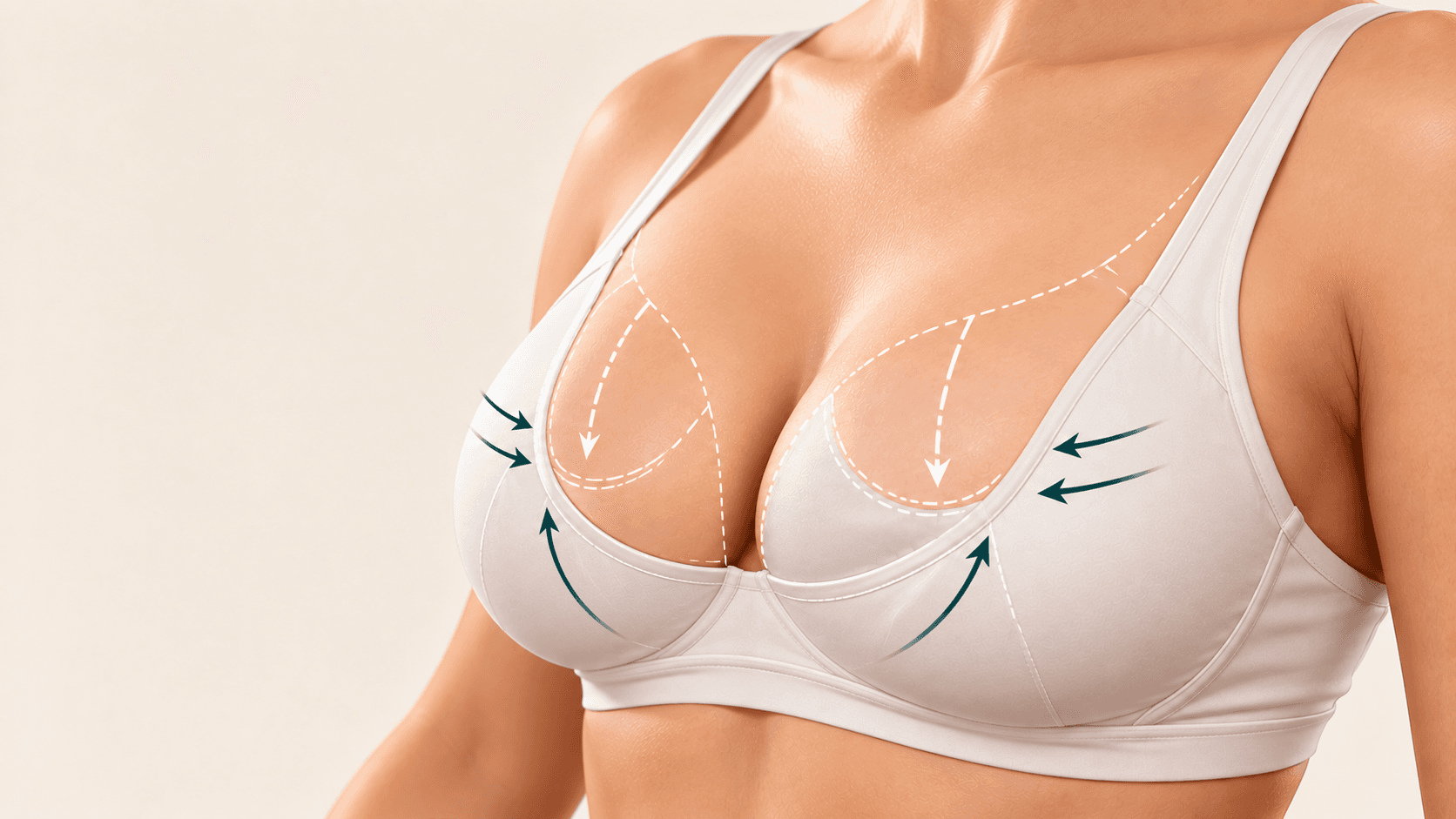
If you are planning surgery, knowing what to expect from breast reduction recovery can help you get your home, work and travel plans ready ahead of time. Healing happens in stages. It moves from rest in the first days to light activity and, later on, a gradual return to exercise. This guide covers what many people go through along the way. Keep in mind that everyone heals differently. Your surgeon will give you a personal recovery plan, and that plan always comes before any general timeline, including the one below.
The first few days after breast reduction
Breast reduction is usually done under general anaesthesia, and you may have a short hospital stay. Sometimes this is overnight, depending on the clinic and your health. When you wake up, you will usually be wearing a supportive surgical bra. You may also have small drains in place for a short time.
In the first days, it is common to feel:
- Tired and drowsy as the anaesthesia wears off
- Sore, tight or tender around the breasts and incisions
- Swollen and bruised across the chest
- Limited in how far you can comfortably lift your arms
This stage is all about rest. Take the pain relief your medical team prescribes and keep your support bra on as instructed. Get up for short, gentle walks around your room or home, because moving lightly helps your circulation. Most people find it very helpful to have someone around to help with meals, getting dressed and household tasks.
It also helps to get things ready before surgery:
- Front-fastening tops that you do not have to pull over your head
- Pillows to keep your upper body slightly raised in bed
- Everyday items placed at waist height so you do not need to reach up
- A plan for childcare, pets or shopping, if needed
Weeks one and two: settling into breast reduction recovery
During roughly the first two weeks, many people notice that the sharpest discomfort gets a little easier each day. Swelling and bruising are often still clearly visible, though. You may have a check-up at this stage so the team can look at your wounds, remove drains if you had them, and see how your healing is going.
Things to focus on during this period:
- Wound care: keep your incisions clean and dry, following the exact instructions you are given
- Support: wear your surgical bra day and night unless you are told otherwise
- Sleep position: many surgeons advise sleeping on your back with your upper body propped up
- Movement: keep up short daily walks, but avoid lifting, pushing or pulling
- Smoking: stay smoke-free, as smoking raises the risk of healing problems
Some people with desk-based jobs start thinking about going back to work towards the end of this stage. Others need more time. This depends on how you feel, what your job involves and what your surgeon recommends.
Weeks three to six: returning to light routines
For many people, the weeks that follow bring a gradual return to light daily activities. You may feel more like yourself, with more energy and less need for pain relief. The breasts can still feel firm, swollen or a little uneven, which is often part of normal healing.
During this stage you may be able to:
- Go back to desk work or light duties, if your surgeon agrees
- Take on more everyday tasks around the home
- Go for longer walks to build up your stamina
It is usually still too early for heavy lifting, high-impact exercise or upper-body workouts. Changes in nipple or breast sensation, such as numbness or tingling, can be noticeable at this point. Your surgeon can explain what is expected in your case.
Beyond six weeks: long-term breast reduction recovery
Later on, many people start slowly getting back to exercise and heavier lifting, but only once their surgeon agrees. A sensible approach is to begin with low-impact activity and build up step by step. Wear a well-fitting, supportive sports bra.
Over the longer term:
- Swelling continues to go down, and the breasts gradually settle into their new shape
- Scars slowly fade and flatten, although they do not disappear
- Sensation may keep changing over time
Patience matters here. Breast shape and scars often keep changing for months, so your surgeon may suggest waiting before you judge the final result. Ask your medical team about scar care and when it is safe to start.
Recovering abroad: planning your stay
If you are having surgery in another country, recovery planning becomes even more important. Plan to stay near the clinic for your follow-up checks before you fly home. Ask your surgeon how long they recommend staying, because this varies from person to person.
Useful points to clarify before you book:
- How many follow-up appointments you will have before travelling
- When flying is considered reasonable for you, and how to lower the risk of blood clots on the journey
- How aftercare continues once you are home, including remote check-ins
- Who to contact if you have a question or concern after you return
- Whether surgical bras, dressings and medicines are included in your quote
Choose accommodation where you can rest comfortably. If possible, bring a companion who can help in the first days.
When to talk to a doctor
Some discomfort, swelling and bruising are expected, but certain signs need prompt medical advice. Contact your surgeon or a local doctor if you notice:
- Increasing redness, warmth or discharge from a wound
- A fever or feeling generally unwell
- Sudden or one-sided swelling, or pain that gets worse instead of better
- Wounds that open up or are slow to heal, especially where incisions meet
- Pain, swelling or warmth in a leg, or sudden shortness of breath or chest pain, which need urgent attention
If you are unsure whether something is normal, it is always better to ask. Your recovery, possible risks and what suits you personally should be discussed directly with your treating doctor.
Compare clinics and take the next step
Knowing what recovery can involve makes it easier to plan your time, support and travel. If you are thinking about surgery, you can learn more about breast reduction and compare verified clinics, then send one free request. Clinics will then contact you with information, and your treating doctor will assess whether the procedure is right for you.