
Dermal Filler Recovery: What to Expect Day by Day and How to Care for the Treated Area
What does dermal filler recovery usually look like, from the first hours to the weeks after? This guide covers common swelling and bruising, simple aftercare steps and the signs that mean you should contact your doctor.
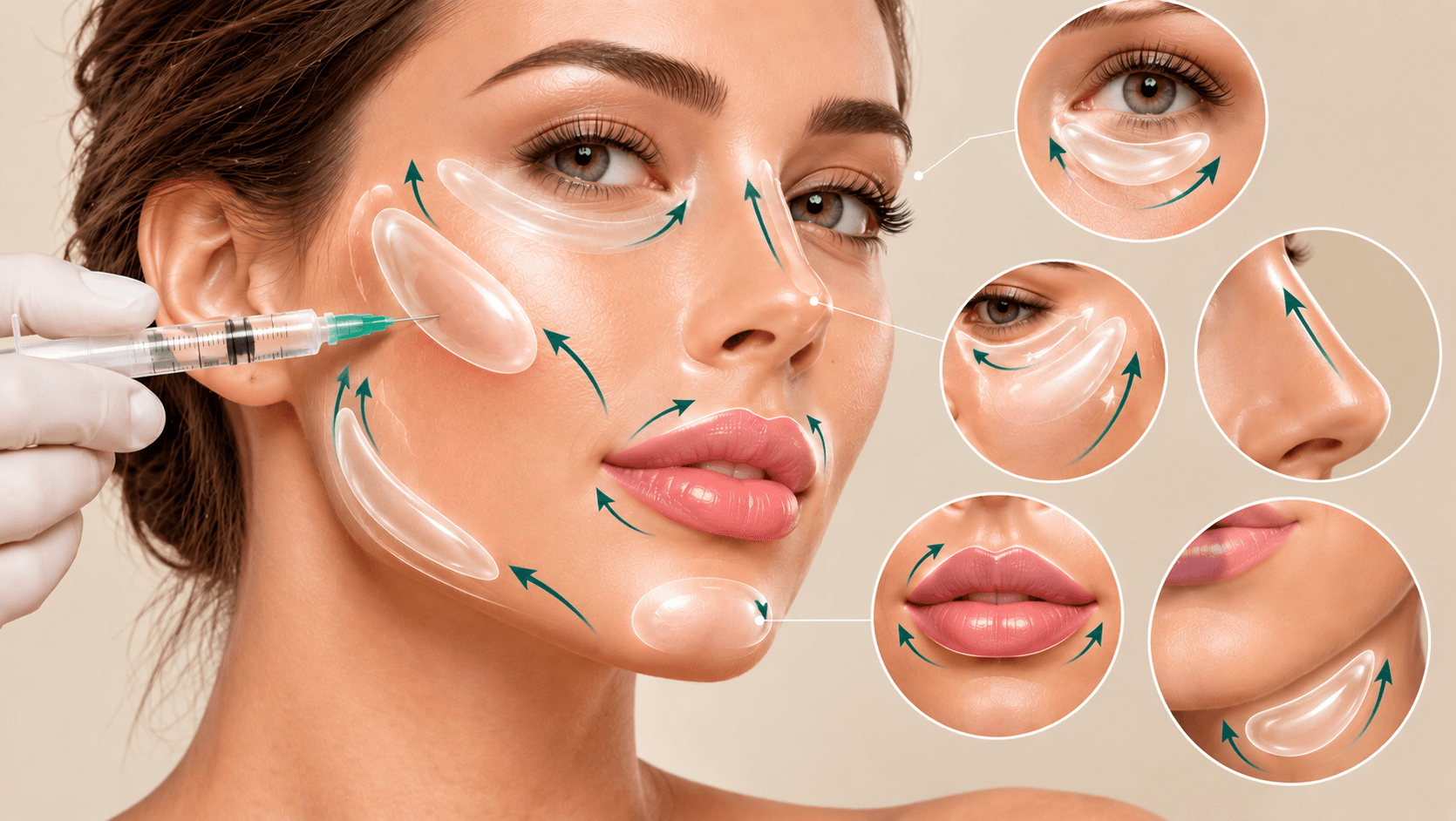
Dermal fillers are injectable gels, most often made from hyaluronic acid. A trained practitioner uses them to restore volume, soften lines or gently enhance areas such as the lips, cheeks and jawline. The treatment is non-surgical, but your skin still needs a little time to settle afterwards. Knowing what dermal filler recovery usually looks like can help you plan sensibly, notice what is normal and spot anything that needs a doctor's attention.
This guide follows a typical timeline. Keep in mind that every person, product and treated area is different. Treat the stages below as a general picture, not a fixed schedule, and always follow the advice of your own treating doctor.
Right After Treatment: The First Few Hours
Fillers are usually injected in a clinic room as an outpatient appointment. Numbing cream is commonly used, and many fillers also contain a local anaesthetic, so general anaesthesia is not needed. Most people can go home soon after the appointment.
In the first few hours you may notice:
- Some numbness while the anaesthetic wears off
- Redness and small marks at the injection points
- Mild swelling that makes the area look fuller than the final result
- Tenderness when the area is touched
Before you leave, the doctor will usually check the result with you and explain your aftercare. If anything is unclear, ask then. It is much easier to sort out questions face to face than to guess at home.
Dermal Filler Recovery in the First Days
For many people, swelling is most noticeable during the first day or two. Lips and the area under the eyes tend to react more than other areas. You may also notice bruising at some injection points, especially if you bruise easily. Some people feel small lumps or firmness, which often softens as the filler integrates with the tissue.
At this stage the area may look slightly uneven. That is often down to swelling and does not reflect the final result. Try not to judge the outcome too early, and don't press or massage the area to "fix" it unless your doctor has told you to.
Most people go back to their usual daily routine fairly soon, though some prefer to keep their schedule light for a few days, particularly after lip or under-eye treatment.
The First Week and Beyond
Over the following days, swelling and tenderness usually ease gradually. Any bruises tend to fade, moving through the familiar colour changes as they heal. How quickly this happens varies a lot from person to person.
As the swelling settles, the shape and volume of the treated area usually become clearer. Many doctors suggest a follow-up visit once things have calmed down, so they can check the result and talk through whether anything needs adjusting. If a small correction is needed, this is the right moment to discuss it rather than making decisions while the area is still swollen.
Fillers are temporary, because the body gradually breaks the product down. How long results last depends on factors such as the type of filler, the treated area, the amount used, and your metabolism and lifestyle.
How to Care for the Treated Area
Good aftercare is simple and supports a smooth recovery. Your doctor's instructions always come first, but common advice includes:
- Hands off: avoid touching, pressing or massaging the treated area unless you are told otherwise.
- Cool, not hot: a cold compress, wrapped in a clean cloth, may help with swelling if your doctor recommends it.
- Skip strenuous exercise: avoid hard workouts for the short period your doctor advises.
- Avoid heat: stay away from saunas, steam rooms and very hot baths for a while.
- Go easy on alcohol: alcohol may make swelling and bruising worse, so it is often best avoided at first.
- Leave out make-up: don't put make-up on the injection points for as long as your doctor recommends, to lower the risk of irritation or infection.
- Keep it clean: wash the area gently and use clean towels and pillowcases.
If you are planning a special event, it is wise to book your treatment well in advance. Bruising and swelling can be unpredictable, especially around the lips and eyes.
Tips for Dermal Filler Recovery When Travelling Abroad
If you have your treatment abroad, a little extra planning helps:
- Allow some time between the appointment and your flight home, and ask your doctor what they suggest
- Ask whether a follow-up check is included and how it would work once you are home
- Keep a written copy of your aftercare instructions and the name of the product used
- Find out how to reach the clinic if you have questions after you leave
Having this information to hand makes it easier for any doctor to help you later if needed.
When to Talk to a Doctor
Most side effects of dermal fillers are mild and short-lived. Serious complications are uncommon but possible, so it is important to know the warning signs. Contact your treating doctor promptly if you notice:
- Pain that is severe or getting worse rather than better
- Swelling, redness or warmth that increases after the first days
- Signs of infection, such as fever or discharge
- Lumps that are painful or don't soften over time
- Signs of an allergic reaction
Seek urgent medical care straight away if the skin near the treated area turns pale, white, blotchy or dusky, if you have unusual or intense pain, or if you notice any change in your vision. These can be signs of a blocked blood vessel, which needs immediate treatment.
Hyaluronic acid fillers can usually be dissolved with an enzyme if needed. This is one reason it matters that fillers are given by a qualified medical professional who understands facial anatomy and knows how to manage complications. Recovery, risks and suitability vary for each person, so talk through your own situation with the treating doctor before and after treatment.
Compare Verified Clinics for Your Treatment
A calm recovery starts with choosing a qualified injector and getting clear information before you decide. On our site you can compare verified clinics, look at what each one offers and send one free request. The clinics then contact you to answer your questions about products, aftercare and follow-up. To learn more and start comparing, visit our dermal fillers treatment page.