
Dermal Filler Side Effects: Common Reactions, Rare Risks and When to Seek Help
Most dermal filler side effects are mild and temporary, but some rare risks need urgent care. Learn what is normal after treatment, which warning signs to watch for, and how to lower your risk.
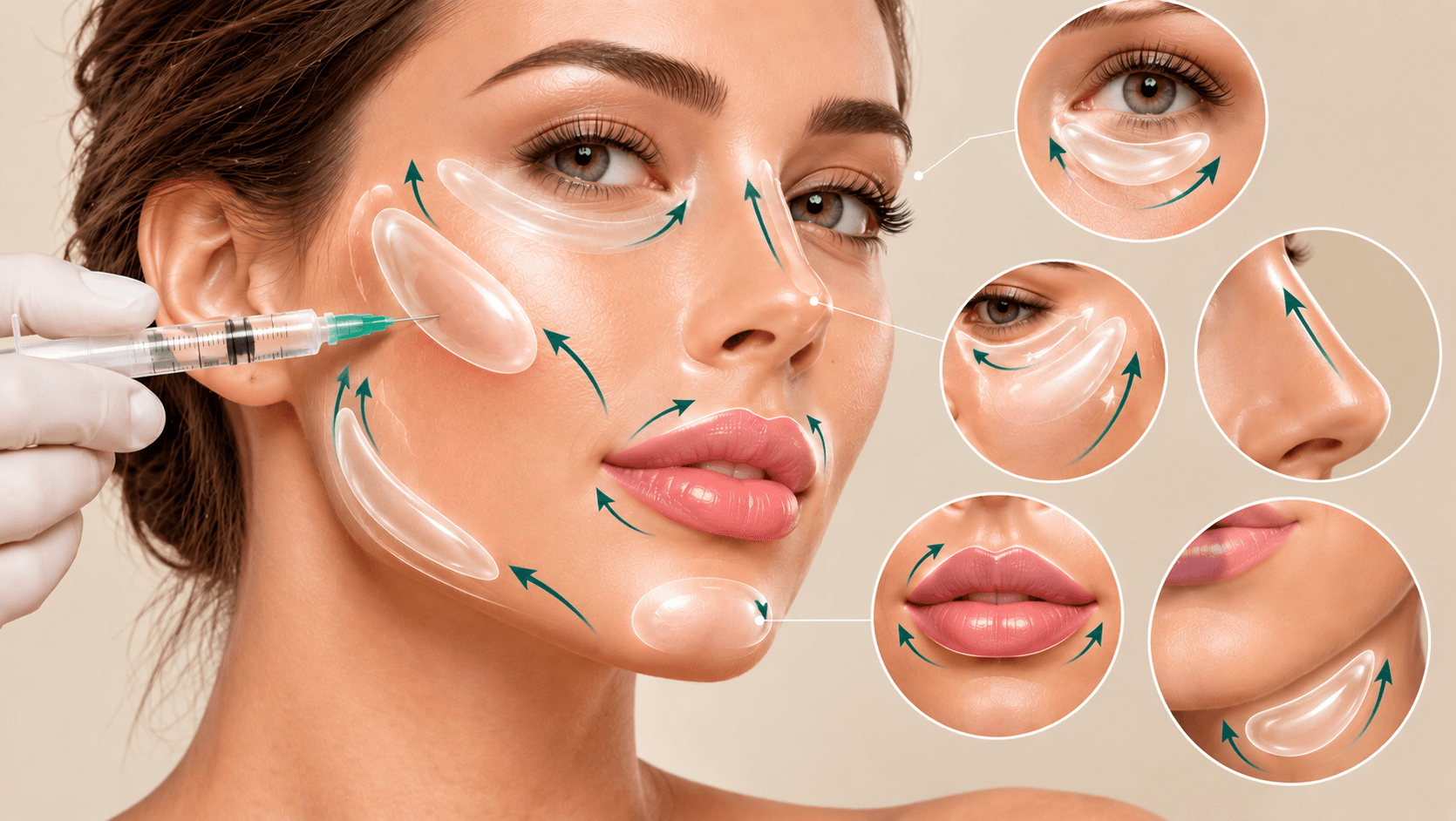
Dermal fillers are among the most widely used non-surgical aesthetic treatments, and for many people the experience goes smoothly. Still, fillers are a medical procedure, and your body may react to them. If you understand dermal filler side effects before your appointment, you will know what is normal while you heal, what is less common, and which signs mean you should contact a doctor straight away.
This guide covers the reactions people notice most often, the rarer risks and some practical ways to lower your chances of problems. Every body responds differently, so always talk through your own risks, recovery and suitability with the treating doctor.
What are the most common dermal filler side effects?
Most side effects after fillers are mild and short-lived. They usually come from the injections themselves rather than from the product. Fillers are most often made from hyaluronic acid and are placed under the skin with a fine needle or a blunt cannula. The tissue naturally reacts to this.
Common effects include:
- Swelling: often most noticeable at first, especially in the lips and under the eyes
- Redness: around the injection points, usually fading gradually
- Tenderness or mild pain: the area can feel sore when touched
- Bruising: some people bruise easily, especially in delicate areas
- Small lumps or firmness: the filler may feel slightly uneven while it settles
- Mild asymmetry: one side may look different at first because swelling is rarely even
These reactions usually settle as the filler blends into the surrounding tissue. Because the area can look swollen or uneven early on, the final appearance is often only clear once the swelling has gone down. That is why many doctors suggest a follow-up visit before judging the result or adding more product.
Why do these reactions happen?
Every injection creates a tiny wound. The body responds with normal inflammation, which brings fluid and blood to the area and causes swelling, warmth and tenderness. Hyaluronic acid also attracts water, which can add to early puffiness.
Bruising happens when a needle passes close to a small blood vessel. Some things make bruising more likely, such as blood-thinning medication, certain supplements or simply having thin, sensitive skin. Areas with many blood vessels, like the lips, often bruise more easily than others.
Lumps can appear if the filler sits a little unevenly or if the tissue around it is still swollen. Your doctor may gently massage the area during the appointment. Don't press or massage it at home unless you have been told to.
Less common and rare dermal filler risks
Serious complications from dermal fillers are uncommon, but they can happen. Knowing about them is part of making an informed decision.
Less common or rare risks include:
- Infection: bacteria can enter through the injection points, which may cause increasing redness, heat, pain or swelling
- Allergic or inflammatory reactions: some people react to the product or to ingredients such as the local anaesthetic it may contain
- Delayed lumps or nodules: firm areas can occasionally appear later or not go away, and a doctor should check them
- Filler migration: the product can move away from the area where it was placed
- A bluish tint under thin skin: filler placed too close to the surface, especially under the eyes, can sometimes show through
- Cold sore flare-ups: people who get cold sores may have an outbreak after lip treatment
- Blood vessel blockage: if filler gets into or presses on a blood vessel, it can reduce blood flow to the skin and, very rarely, affect vision
A blocked blood vessel is the most serious of these and needs urgent medical care. This is one of the main reasons fillers should be injected by a qualified medical professional. They need to understand facial anatomy and know how to spot and manage complications. Hyaluronic acid fillers can usually be dissolved with an enzyme if needed, which gives doctors a way to correct some problems.
When to talk to a doctor
Mild swelling, bruising and tenderness are expected, but some symptoms should not be waited out. Contact your treating doctor if you notice any of the following. If you can't reach them, get urgent medical care.
- Severe or increasing pain, especially pain that seems far stronger than the treatment should cause
- Skin near the treated area that turns pale, white, blotchy, dusky or bluish
- Any change in vision, such as blurring or loss of sight
- Spreading redness, heat, pus or fever, which may point to an infection
- Swelling that keeps getting worse instead of slowly easing
- Hives, difficulty breathing or swelling of the face or throat, which may mean an allergic reaction
- Hard, painful lumps that appear later or don't settle
Vision changes, changes in skin colour and breathing difficulties are emergencies. Don't wait for a scheduled follow-up. If you had treatment abroad, ask your clinic before you leave how to reach them and what to do if a problem comes up after you get home. Keep a note of the product name and the areas treated, so any doctor you see has clear information.
How to lower your risk of side effects
No treatment is completely risk-free, but some steps can help. Before treatment:
- Share your full medical history, including allergies, autoimmune conditions, previous fillers and any tendency to form keloid scars
- Tell your doctor about all medicines and supplements you take, especially those that affect bleeding
- Mention if you are pregnant or breastfeeding, or have an active skin infection or cold sore
- Plan the treatment well ahead of any important event, in case you bruise
Common aftercare advice includes:
- Avoid touching, pressing or massaging the area unless told otherwise
- Avoid strenuous exercise, saunas and alcohol for a short period
- Skip make-up on the injection points for as long as your doctor recommends
- Use a cold compress if advised, to help with swelling
Always follow the specific instructions you are given. Advice can differ depending on the product, the area and your own health.
Questions to ask before you book
A good consultation should leave you feeling informed rather than rushed. Useful questions include:
- Who will do the injections, and what are their medical qualifications?
- Which product will be used, and why does it suit me?
- What side effects should I expect, and which ones would need attention?
- How does the clinic handle complications, and is a dissolving enzyme available on site?
- Is a follow-up check included, and how can I contact the clinic after treatment?
Clear, honest answers to these questions are a good sign. If any part of the plan feels unclear, take your time before deciding.
Compare verified clinics with confidence
Understanding the side effects is an important step towards a safe, well-informed choice. If you are thinking about treatment, visit our dermal fillers treatment page. There you can compare verified clinics, see what each one offers and send one free request. Interested clinics will then contact you. You can ask your questions and discuss your personal risks and expectations with a qualified doctor before you decide anything.