
Understanding duodenal switch side effects and risks before surgery
A clear guide to duodenal switch side effects. Learn about the risks around surgery, long-term nutrition changes, digestive effects and when to contact your doctor, so you can prepare well.
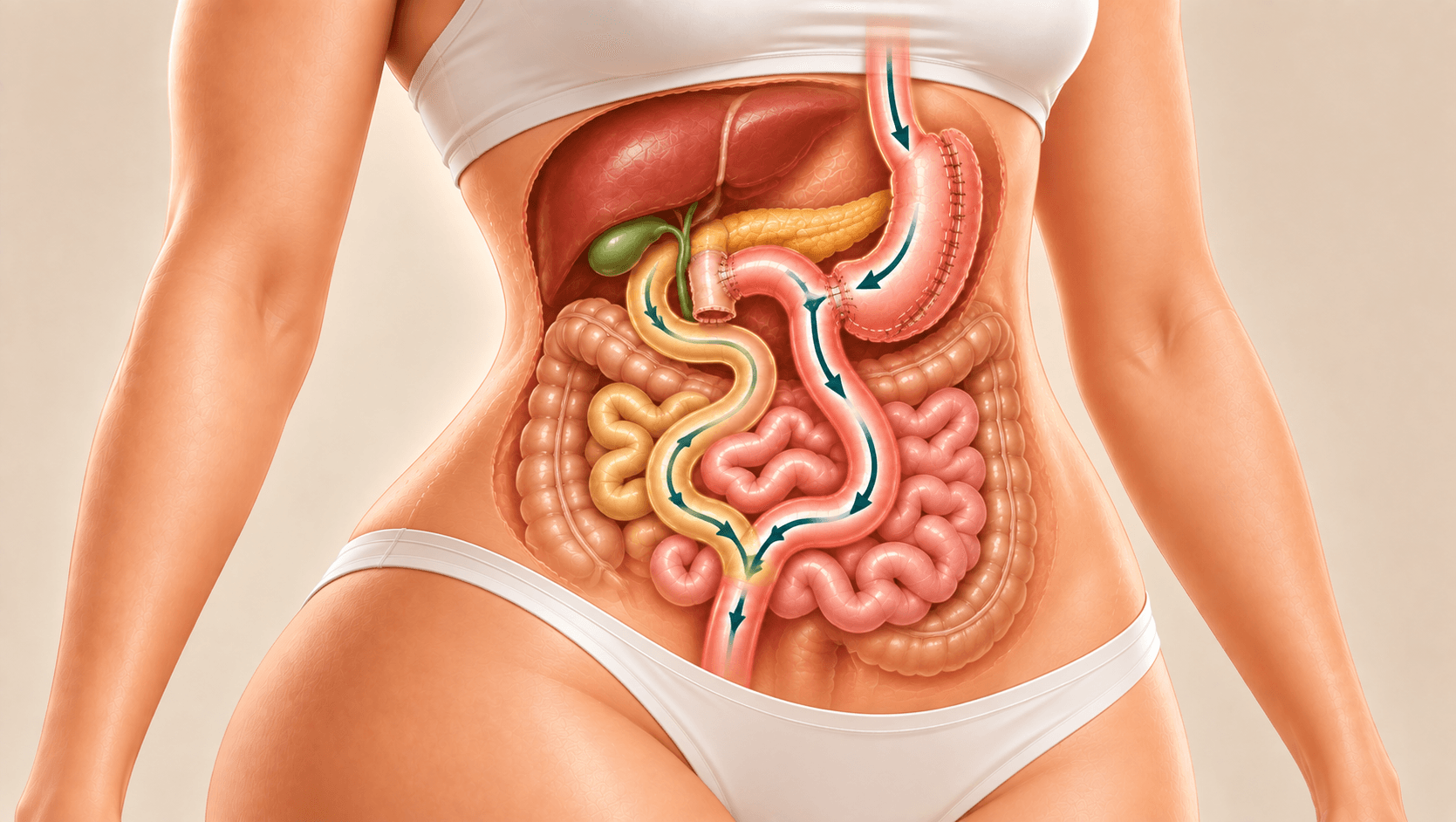
A duodenal switch is one of the more complex weight-loss operations. It is usually considered for people with severe obesity and related conditions such as type 2 diabetes. Because it changes both the stomach and the way your intestine absorbs food, it's worth understanding the possible duodenal switch side effects before you decide. Knowing what to expect helps you ask better questions, prepare realistically and see what lifelong care involves.
This guide explains the main risks around the time of surgery, the longer-term effects and the habits that can help keep them under control. It is general information only. Your own risks, recovery and suitability depend on your health and history, so talk them through with your bariatric surgeon and their team.
Why a duodenal switch has its own set of risks
A duodenal switch is done in two steps. First, a sleeve gastrectomy makes the stomach smaller and tube-shaped, so you feel full sooner. Second, an intestinal bypass reroutes the small intestine, so food and digestive juices mix over a shorter stretch. This means fewer calories and less fat are absorbed.
That second step is what makes the operation effective, and it is also the reason for many of its long-term effects. Your body absorbs less fat, so it also absorbs fewer fat-soluble vitamins and some minerals. Some side effects come from the surgery itself, while others come from living with a digestive system that works differently.
There is also a simpler version called SADI-S, which uses one intestinal connection instead of two. The technique your surgeon recommends can affect which risks matter most for you, so ask them to explain their choice.
Possible risks around the time of surgery
Like any major operation under general anaesthesia, a duodenal switch carries short-term risks. The surgery is usually done laparoscopically (keyhole surgery), with a hospital stay of a few days. The team watches you closely during that time.
Possible risks around the time of surgery include:
- Bleeding, either inside the abdomen or from the small cuts
- Infection of the wounds or inside the abdomen
- Leaks where the stomach or intestine has been stapled or joined, which needs urgent treatment
- Blood clots in the legs or lungs, which is why walking early is encouraged
- Reactions to anaesthesia, especially if you have heart, lung or breathing problems such as sleep apnoea
Your team will usually take steps to lower these risks. These can include pain relief that helps you move, getting you walking soon after surgery and introducing fluids slowly. How likely any of these problems are depends on your health, so ask your surgeon what applies to you.
Long-term duodenal switch side effects
Some effects only show up weeks, months or even years after surgery. Many of them can be managed or prevented with supplements, sensible eating and regular check-ups.
Possible longer-term effects include:
- Nutrient shortages: protein, iron, calcium, vitamin B12 and the fat-soluble vitamins A, D, E and K
- Bowel changes: more frequent, loose or strong-smelling bowel movements, especially after fatty meals, sometimes with wind or bloating
- Gallstones: losing weight quickly can make them more likely
- Bowel obstruction or hernias: these can happen after abdominal surgery and may need further treatment
- Acid reflux: linked to the sleeve part of the operation
Nutrient shortages often develop slowly and without obvious symptoms at first. That's why blood tests matter even when you feel well. If shortages go untreated for a long time, they can affect your bones, blood, nerves, eyesight and energy levels.
Living with changes in nutrient absorption
Lifelong care is part of having a duodenal switch, not an optional extra. Before surgery, your bariatric team will usually check that you're ready to commit to it.
Long-term care often includes:
- Taking vitamin and mineral supplements every day, as your team advises
- Eating small meals rich in protein, with protein at every meal
- Limiting very fatty foods, which can make bowel symptoms worse
- Drinking enough fluids between meals to avoid dehydration
- Having regular blood tests and follow-up appointments, even years later
Your dietitian can help you build an eating plan that suits your tastes and routine. If you find the supplements hard to take or the bowel changes difficult to live with, tell your team. They can often adjust things.
How to lower your risk before and after surgery
You can't remove every risk, but some steps can help. Talk them through with your team, because their advice will depend on your situation.
- Be open about your full medical history, medicines and any previous operations
- Follow the pre-surgery diet or preparation plan if you're given one
- Stop smoking, as your doctor advises, because smoking can affect healing
- Keep moving after surgery, within the limits your team sets
- Take the diet stages slowly, from liquids to puréed and soft foods
- Go to every follow-up appointment and blood test
- If you travel abroad, agree a follow-up plan before you leave and ask how long to stay nearby before flying home
When to talk to a doctor
Contact your surgical team or seek urgent medical help straight away if you notice any of the following, especially in the first weeks after surgery:
- Fever, chills or a fast heartbeat
- Severe or worsening pain in your abdomen, chest or shoulder
- Shortness of breath or chest pain
- Pain, swelling or warmth in one leg
- Vomiting that won't stop, or not being able to keep fluids down
- Signs of dehydration, such as very dark urine or dizziness
- Redness, swelling or discharge from a wound
Over the longer term, talk to your doctor if you have ongoing diarrhoea, unusual tiredness, hair loss, tingling or numbness, trouble seeing at night, bone pain or swelling in your legs. These can be signs of nutrient shortages and should always be checked.
Comparing clinics with care
A good bariatric team will explain the risks openly, answer your questions and offer clear long-term follow-up. When you compare options, ask how often the surgeon performs this operation, which technique they suggest for you and how aftercare works once you're back home.
You can learn more about the procedure and compare verified clinics on our duodenal switch treatment page. If you'd like personalised information, you can send one free request, and the clinics will contact you to discuss your needs. You decide in your own time.