
Your guide to duodenal switch surgery abroad
A complex weight-loss operation that combines a sleeve gastrectomy with an intestinal bypass. It is usually considered for people with severe obesity and related conditions such as type 2 diabetes.
About Duodenal Switch
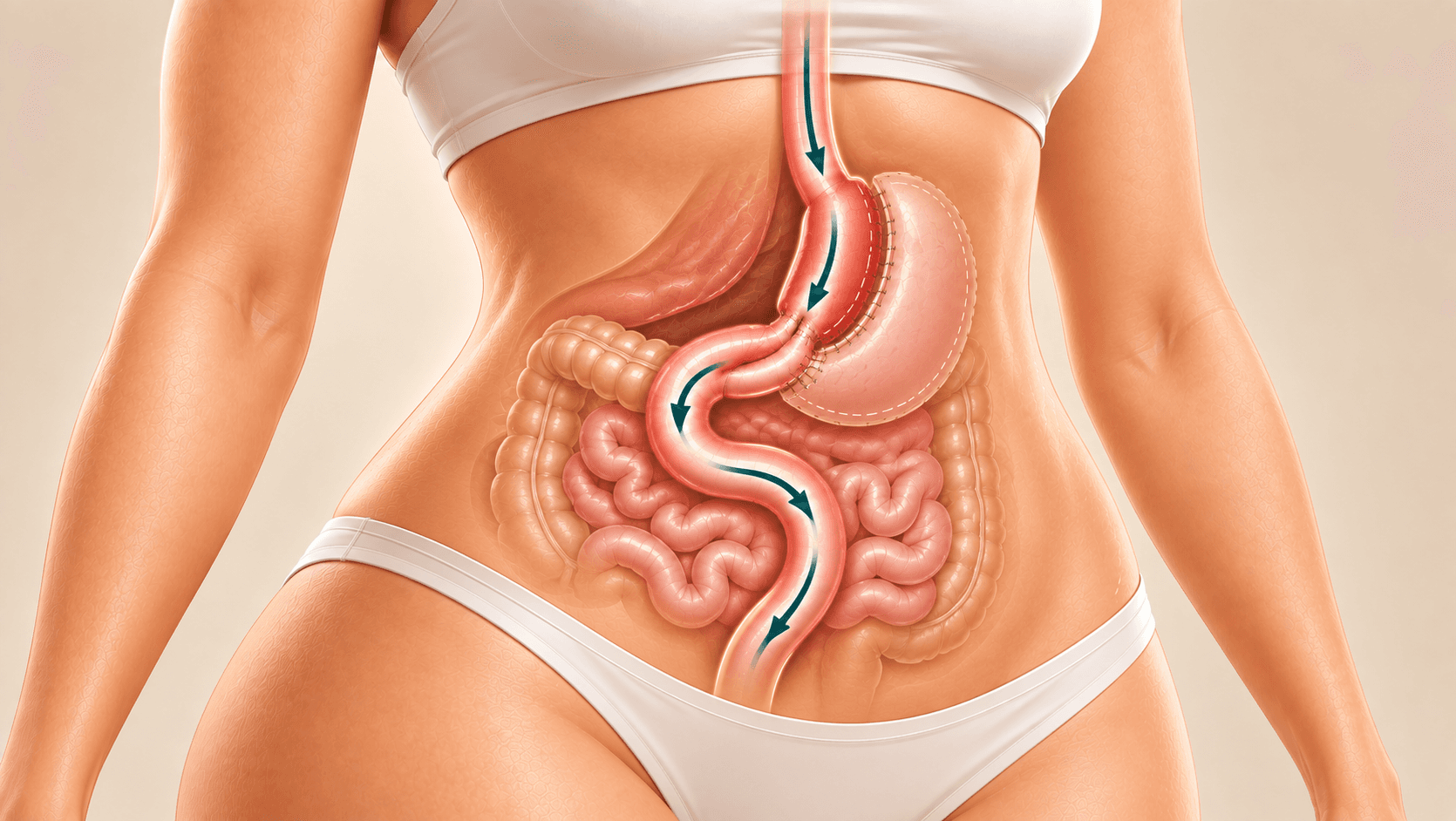
A duodenal switch is a weight-loss operation that combines two steps: a sleeve gastrectomy, which makes the stomach smaller, and an intestinal bypass, which reroutes food so fewer calories and fats are absorbed. It is one of the more complex bariatric procedures and is usually considered for people with severe obesity and related health conditions.
Key facts
- Treats severe obesity and related conditions such as type 2 diabetes, high blood pressure and sleep apnoea
- Combines a smaller, sleeve-shaped stomach with a rerouted small intestine
- Usually done as keyhole (laparoscopic) surgery under general anaesthesia
- Usually needs a hospital stay of a few days, then a gradual return to normal activity at home
- Recovery goes through stages, from liquids to soft foods to a long-term eating plan with lifelong supplements and check-ups
Who is suitable for a duodenal switch?
A duodenal switch is generally meant for adults with severe obesity, especially when there are serious weight-related health problems or when other approaches have not worked well enough. Whether it suits you can only be decided after a full medical assessment by a bariatric team.
The doctor will usually look at:
- Your body mass index (BMI) and your weight history
- Conditions such as type 2 diabetes, high blood pressure, high cholesterol or sleep apnoea
- Earlier weight-loss attempts, including diet, medication or previous bariatric surgery
- Your general health, heart and lung function, and any digestive conditions
- Whether you are ready to commit to lifelong supplements, blood tests and follow-up
Because this procedure reduces how well nutrients are absorbed, it may not suit people who cannot attend regular check-ups or take supplements every day. Some patients who have already had a sleeve gastrectomy are offered a duodenal switch as a second step.
How is a duodenal switch performed?
The surgery has two main parts, usually done through several small cuts in the abdomen using a camera and fine instruments. First the stomach is made smaller, then the small intestine is rerouted.
Step 1: the sleeve. The surgeon removes a large part of the stomach, leaving a narrow, tube-shaped stomach. This means you feel full sooner, and it also lowers levels of a hormone linked to hunger. The valve at the stomach outlet (the pylorus) is kept.
Step 2: the switch. The first part of the small intestine (the duodenum) is divided just after the stomach. A lower section of the small intestine is then connected to it. Bile and digestive juices are led into the intestine further down, so food and these juices only mix for a shorter stretch, which reduces how much fat and how many calories are absorbed.
There is also a simpler version known as SADI-S (single anastomosis duodeno-ileal bypass with sleeve gastrectomy), which uses one intestinal connection instead of two. Your surgeon can explain which technique they recommend and why.
What is recovery like after a duodenal switch?
Most people stay in hospital for a few days and then recover at home over the following weeks. How quickly you recover depends on your health, the surgical technique and how your body heals, so your own timeline should be discussed with your doctor.
Recovery usually follows these phases:
- In hospital: pain relief, early walking to lower the risk of blood clots, and the first sips of fluids
- The first weeks: a liquid diet, then puréed and soft foods, introduced step by step
- Getting back to normal: a slow return to work and light exercise, with more activity added gradually
- Long term: small, protein-rich meals, daily vitamin and mineral supplements, and regular blood tests
If you travel abroad for surgery, ask how long the team advises you to stay nearby before flying home, and how follow-up will be arranged once you return.
What are the risks and side effects?
Like any major operation, a duodenal switch carries risks, and because it changes how nutrients are absorbed, it has some long-term effects that need lifelong attention. Your surgeon should go through the risks that apply to you personally.
Possible risks around the time of surgery include:
- Bleeding or infection
- Leaks where the stomach or intestine has been stapled or joined
- Blood clots in the legs or lungs
- Reactions to anaesthesia
Possible longer-term effects include:
- Shortages of protein, iron, calcium, vitamin B12 and fat-soluble vitamins (A, D, E and K)
- More frequent, loose or strong-smelling bowel movements, especially after fatty foods
- Gallstones, bowel obstruction or hernias
- Acid reflux linked to the sleeve part of the operation
Regular check-ups and supplements are there to catch and prevent many of these problems. Tell your team straight away if you notice new symptoms.
What affects the cost of a duodenal switch abroad?
The price varies a lot between countries and clinics, so the only reliable figure is a personal quote based on your medical details. When comparing offers, check exactly what is included.
Things that often affect the cost:
- The technique used (classic duodenal switch or SADI-S)
- Tests and assessments before surgery
- How many nights you stay in hospital and the type of room
- The surgeon's and anaesthetist's fees
- Medication, supplements and any special nutrition products
- Aftercare, follow-up appointments and remote check-ups
- Travel, accommodation and any extra time you need to stay nearby
How do I choose a clinic abroad for a duodenal switch?
Look for a clinic with a dedicated bariatric team that performs this specific operation regularly, and that offers clear, long-term follow-up. Don't hesitate to ask questions before you decide.
Useful questions to ask:
- How often does the surgeon perform a duodenal switch or SADI-S?
- What does the assessment before surgery include?
- Is there a dietitian, and what support is offered after you return home?
- How are complications handled, both during your stay and later?
- Which supplements and blood tests are recommended, and how often?
- What is included in the quote, and what could cost extra?
Choose a clinic that answers openly, explains alternatives such as a gastric sleeve or gastric bypass, and never pushes you to decide quickly.
On our marketplace you can compare verified clinics that offer the duodenal switch and send one free request. Interested clinics will then contact you with more information. Whether this operation, or a different approach, is right for you is always decided together with your treating doctor.
This page gives general information and is not medical advice. A doctor at the clinic will assess whether a treatment is right for you.
Clinics offering Duodenal Switch

No verified clinics offer this treatment yet.
Frequently asked questions
How is a duodenal switch different from a gastric bypass?
Both operations reroute part of the small intestine, but they work differently. A duodenal switch keeps the valve at the stomach outlet and creates a sleeve-shaped stomach, then bypasses a longer section of intestine, so it reduces absorption more strongly. A gastric bypass creates a small stomach pouch instead. Because the duodenal switch has a bigger effect on absorption, it needs closer nutritional monitoring. Your surgeon can explain which option fits your health and goals.
Will I need to take vitamins for the rest of my life?
Yes, in most cases. Because the operation reduces how much fat and certain nutrients your body absorbs, patients are usually advised to take daily supplements for life. These often include a multivitamin, calcium, iron, vitamin B12 and the fat-soluble vitamins A, D, E and K. Regular blood tests help your team adjust the doses over time. Your doctor or dietitian will tell you exactly what you need.
Can a duodenal switch be done after a gastric sleeve?
Often it can. Some people who have had a sleeve gastrectomy but have not lost enough weight, or whose health problems have returned, are offered the intestinal part of the duodenal switch as a second operation. Since the sleeve is already in place, the surgeon mainly adds the bypass. Whether this is a sensible option for you depends on your medical history and a careful assessment by a bariatric surgeon.
What can I eat after a duodenal switch?
In the beginning you move slowly from clear liquids to puréed food, then to soft food and finally to a regular, balanced diet. In the long run, most patients eat small meals with plenty of protein and limit very fatty or sugary foods, which can cause stomach discomfort or loose stools. Drinking enough fluids between meals also matters. A dietitian will usually give you a personal eating plan for each stage.
Is it safe to travel home after a duodenal switch abroad?
Many patients travel home after surgery abroad, but timing matters. Long journeys raise the risk of blood clots, and complications can show up in the days after the operation. Ask your surgical team how long they advise you to stay nearby, what precautions to take while travelling and who to contact if you feel unwell later. Arranging follow-up care with a doctor at home before you leave is also a good idea.
Related treatments
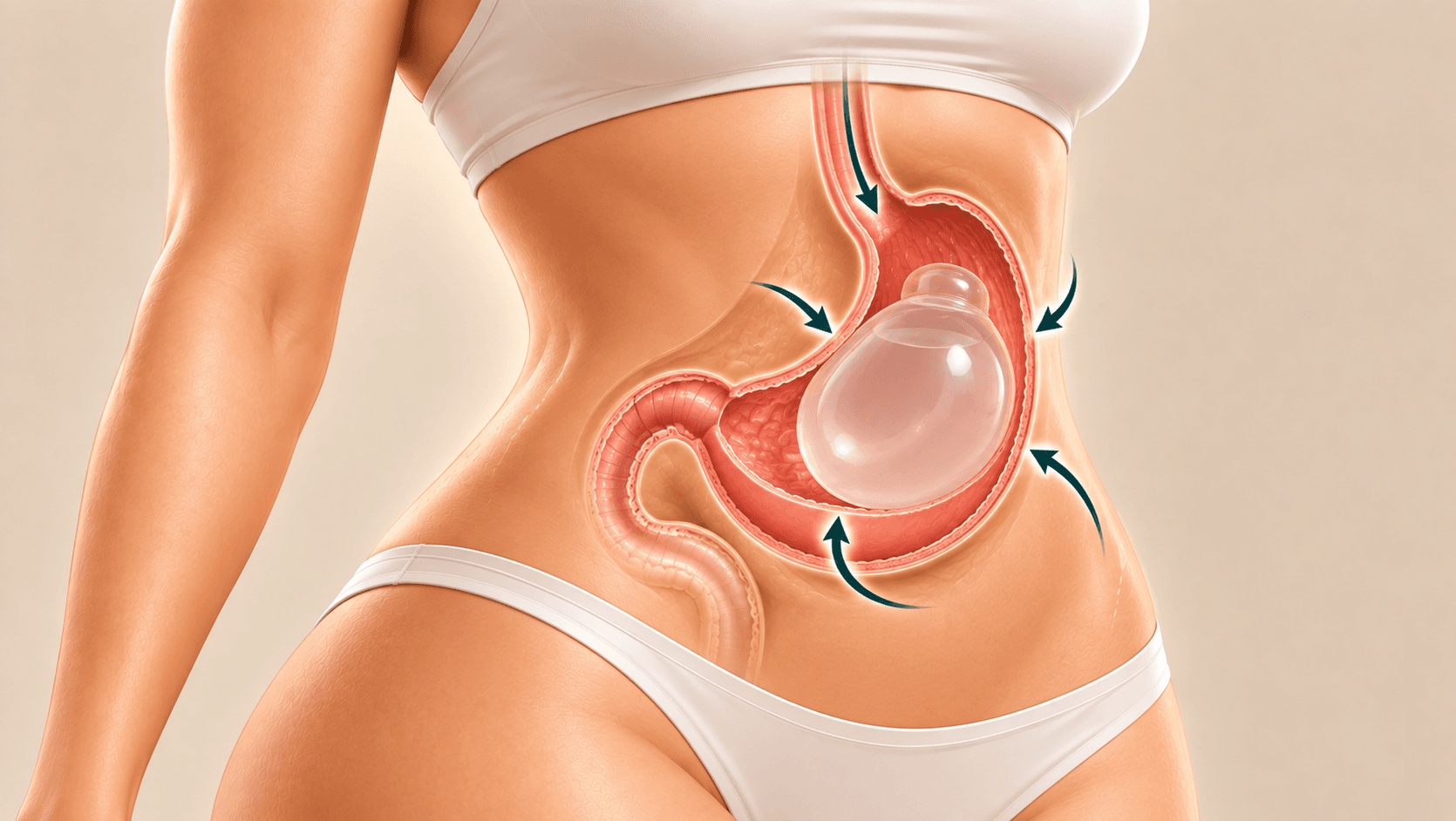
Gastric Balloon
A gastric balloon is a soft device placed in the stomach, usually by endoscopy without cuts, to help you feel full sooner while you change how you eat. It is temporary and is not a form of permanent surgery.
Verified clinics: 0
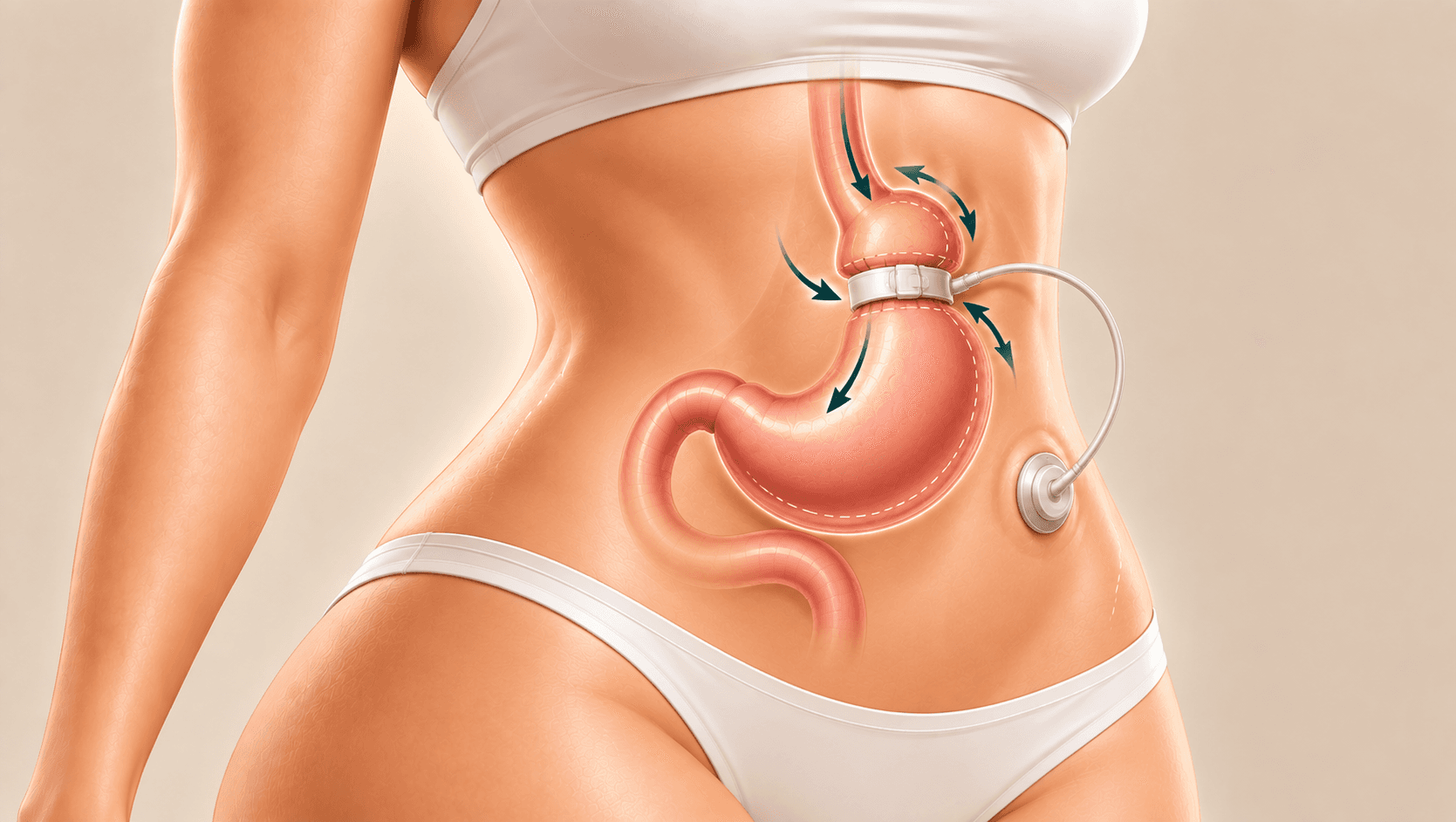
Gastric Band
A gastric band is an adjustable ring placed around the upper stomach in keyhole surgery to help you feel full sooner. It can be adjusted later and removed if needed, and it needs regular follow-up.
Verified clinics: 0
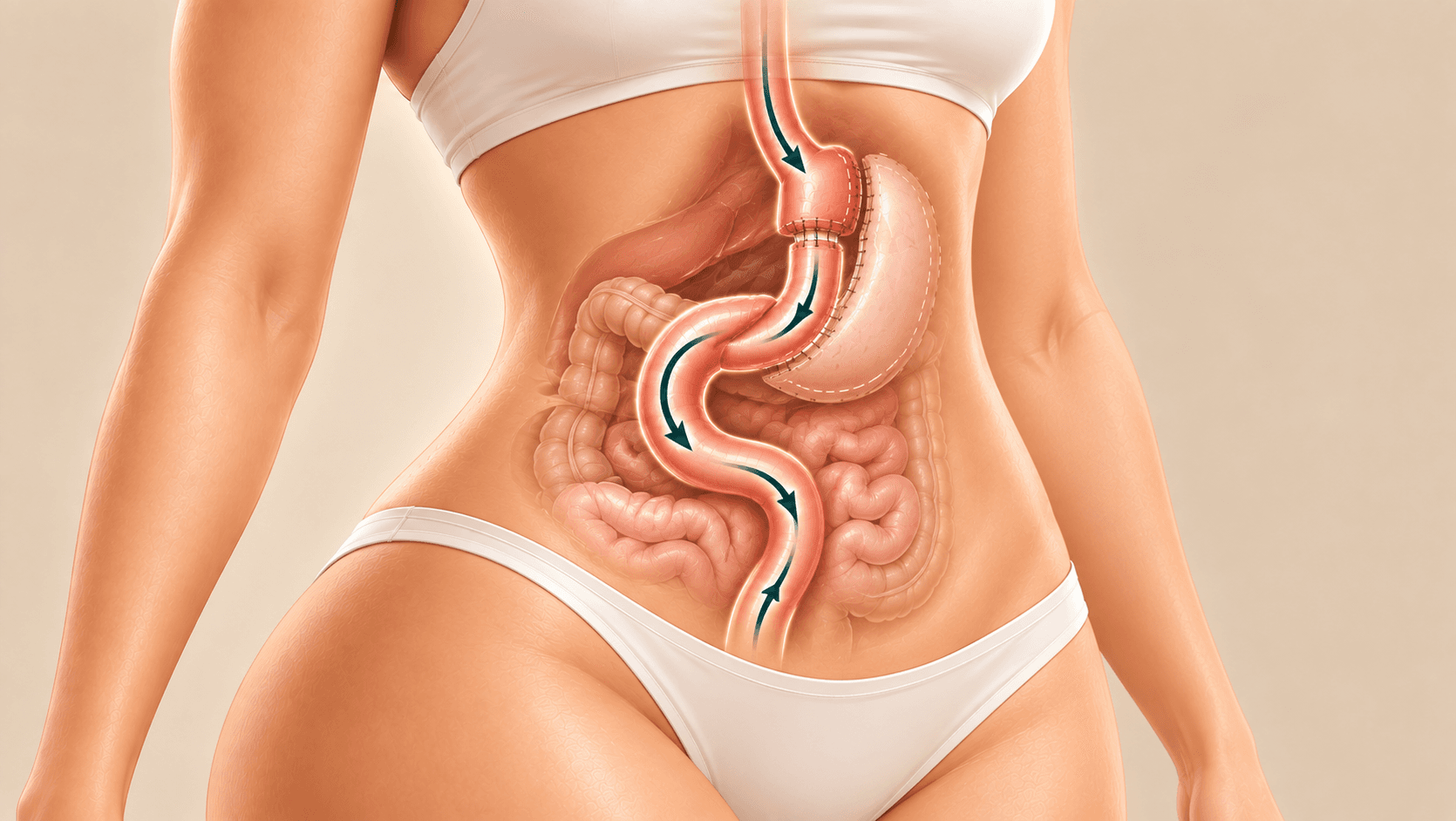
Gastric Bypass
Gastric bypass is a weight loss operation that makes a small stomach pouch and connects it directly to the small intestine. It changes how much you can eat and how your body absorbs food.
Verified clinics: 0
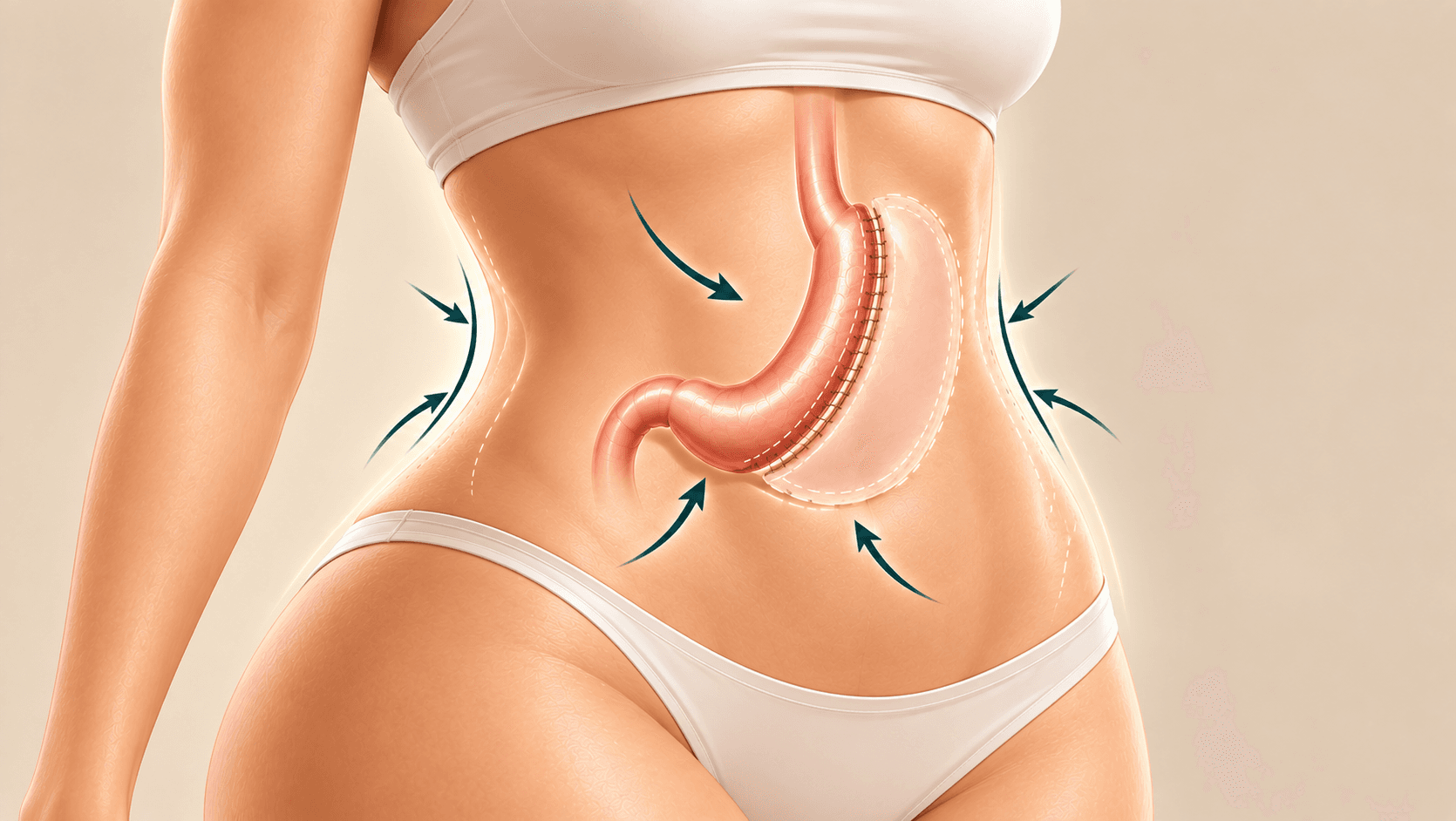
Gastric Sleeve
Gastric Sleeve surgery removes a large part of the stomach to leave a smaller, tube-shaped stomach. It can help people with severe obesity eat less and lose weight when it is combined with lasting changes to diet and lifestyle.
Verified clinics: 0
Mini Gastric Bypass
Mini Gastric Bypass is a keyhole weight-loss operation that creates a narrow stomach pouch joined to a loop of small intestine, helping you eat less and absorb fewer calories.
Verified clinics: 0