
Your guide to gastric band surgery abroad
A gastric band is an adjustable ring placed around the upper stomach in keyhole surgery to help you feel full sooner. It can be adjusted later and removed if needed, and it needs regular follow-up.
About Gastric Band
A gastric band is an adjustable silicone ring placed around the upper part of the stomach during keyhole surgery. It creates a small pouch so you feel full sooner and eat smaller portions. The band can be tightened or loosened later through a port under the skin, and it does not involve cutting or stapling the stomach.
Key facts
- Treats: severe obesity and related health problems, as part of a long-term weight management plan
- How it is done: keyhole (laparoscopic) surgery through a few small cuts in the abdomen
- Anaesthesia: usually general anaesthesia
- Hospital stay: often short, sometimes a same-day or overnight stay, depending on the clinic and your health
- Recovery phases: a few days of rest, then a gradual return from liquids to soft food and normal textures, followed by regular band adjustments over the following months
What is a gastric band and how does it work?
A gastric band is a restrictive weight-loss procedure. It limits how much food your stomach can hold at one time, helping you feel satisfied with smaller meals.
The band sits around the top of the stomach and is connected by thin tubing to a small port placed under the skin of the abdomen. By adding or removing saline through this port, the doctor can make the band tighter or looser. This makes the procedure adjustable and, if needed, reversible.
Unlike a gastric sleeve or gastric bypass, no part of the stomach is removed or rerouted. In many countries the gastric band is now performed less often than these other procedures, so it is worth asking your surgeon how it compares for your situation.
Who is suitable for a gastric band?
A gastric band is generally considered for adults living with severe obesity who have not reached a healthy weight through diet, exercise and medical support alone. Suitability is always decided by the treating doctor after a full assessment.
Doctors usually look at factors such as:
- Your body mass index (BMI) and weight history
- Weight-related conditions, for example type 2 diabetes, high blood pressure or sleep apnoea
- Your eating habits and readiness to change them for the long term
- Your general health and ability to have anaesthesia
- Your willingness to attend regular follow-up appointments and adjustments
A band may not be recommended if you have certain digestive conditions, a large hiatus hernia, some autoimmune diseases, untreated eating disorders or a history of alcohol or substance misuse. Your doctor will explain what applies to you.
How is gastric band surgery done?
The operation is usually done by keyhole surgery under general anaesthesia. The surgeon makes a few small incisions, places the band around the upper stomach and positions the port under the skin.
Before surgery you may be asked to follow a special low-calorie diet for a period to shrink the liver and make the operation safer. You will also have blood tests and other checks your clinic requests.
During the procedure:
- Small instruments and a camera are inserted through the incisions
- The band is wrapped around the top of the stomach and secured
- The tubing is connected to the access port beneath the skin
- The incisions are closed with stitches or surgical glue
The band is often left empty or only slightly filled at first. Adjustments usually begin once the stomach has had time to heal.
What is recovery like after a gastric band?
Recovery after a gastric band is often quicker than after more extensive weight-loss operations, but it still takes time and care. How fast you recover depends on your health, your job and how your body responds.
Most people go through these general phases:
- First days: rest, short walks and pain relief as advised, with some soreness around the incisions
- Liquid phase: clear and then thicker liquids to let the stomach settle
- Soft food phase: puréed and soft foods, eaten slowly in small amounts
- Normal textures: solid foods introduced gradually, chewed very well
- Adjustment phase: regular visits to fine-tune the band and support healthy eating habits
Long-term success depends heavily on lifestyle changes, regular follow-up and support from dietitians. If you have the surgery abroad, plan how and where your adjustments will be done once you are home.
What are the risks and side effects of a gastric band?
Like any surgery, a gastric band carries risks. Your surgeon should explain these clearly and how they apply to your health.
Possible risks and side effects include:
- General surgical risks such as infection, bleeding, blood clots and reactions to anaesthesia
- Nausea or vomiting, especially if you eat too fast, too much or the band is too tight
- Band slippage, where the band moves out of position
- Band erosion, where the band gradually wears into the stomach wall
- Problems with the port or tubing, such as leaks, twisting or infection
- Heartburn, reflux or widening of the food pipe
- Less weight loss than hoped for, or weight regain
Some complications may require further surgery, including removal of the band or conversion to another procedure. Contact your doctor promptly if you have persistent vomiting, difficulty swallowing, severe pain or signs of infection.
What affects the cost of a gastric band abroad?
The cost of a gastric band varies widely between countries and clinics. Asking for a clear, written quote helps you compare offers fairly.
Things that can influence the price include:
- The country, city and type of clinic or hospital
- The surgeon's experience and the medical team involved
- Pre-operative tests and consultations
- The length of the hospital stay
- Whether the first band adjustments are included
- Follow-up care, dietitian support and aftercare packages
- Travel, accommodation and any extra nights you may need
Check carefully what is and is not included, and ask what would happen, and what it would cost, if a complication needed treatment.
How do I choose a clinic abroad for a gastric band?
Choose a clinic that is open about its qualifications, its process and its aftercare. Take time to ask questions and compare several options before deciding.
Useful questions to ask:
- How often does the surgeon perform weight-loss operations, including gastric bands?
- Which band types are used, and why?
- What assessments happen before surgery?
- How are band adjustments arranged once I return home?
- Is there dietitian and psychological support?
- How are complications handled, during my stay and afterwards?
It also helps to talk to your own doctor at home, so they know about your plans and can support your long-term care.
Next steps
If you are considering a gastric band, you can compare verified clinics and send one free request to the clinics that interest you. The clinics will then contact you with more information. The treating doctor will assess your health and decide which procedure, if any, is suitable for you.
This page gives general information and is not medical advice. A doctor at the clinic will assess whether a treatment is right for you.
Clinics offering Gastric Band

No verified clinics offer this treatment yet.
Frequently asked questions
Can a gastric band be removed?
Yes, a gastric band is designed so it can be taken out if needed. Removal is usually done with keyhole surgery. People may have it removed because of complications, side effects or not enough weight loss, and some go on to have a different weight-loss procedure. After removal, the stomach generally returns to its usual size, so weight regain is possible without ongoing lifestyle changes. Your surgeon can explain the options.
How do gastric band adjustments work?
Adjustments, often called fills, are done by inserting a fine needle through the skin into the access port and adding or removing saline. This changes how tight the band feels. They are usually quick outpatient visits, sometimes guided by an X-ray. How many you need varies from person to person. Before going abroad, ask the clinic how adjustments can be arranged near your home.
What can I eat with a gastric band?
Over time, most people return to a varied diet, but in smaller portions. It helps to eat slowly, chew thoroughly and stop as soon as you feel satisfied. Some foods, such as dry bread, tough meat or stringy vegetables, can feel uncomfortable or get stuck. Drinking during meals may push food through faster, so many dietitians suggest separating drinks and meals. Your care team will give you personal guidance.
Is a gastric band better than a gastric sleeve?
Neither option is right for everyone. A gastric band is adjustable and reversible and does not remove any stomach tissue, while a sleeve permanently reduces the stomach size. The procedures differ in how they work, their possible complications and the follow-up they need. Your health, medical history, goals and preferences all matter, so the choice should be made together with your surgeon after a proper assessment.
How much time off work will I need after a gastric band?
This varies widely. People with desk-based jobs often feel able to return sooner than those whose work involves heavy lifting or physical effort. Your energy levels, pain, eating stage and overall health all play a part. If you travel abroad, also allow time to rest before flying home. Your surgeon will advise when it is reasonable for you to go back to work and normal activities.
Related treatments
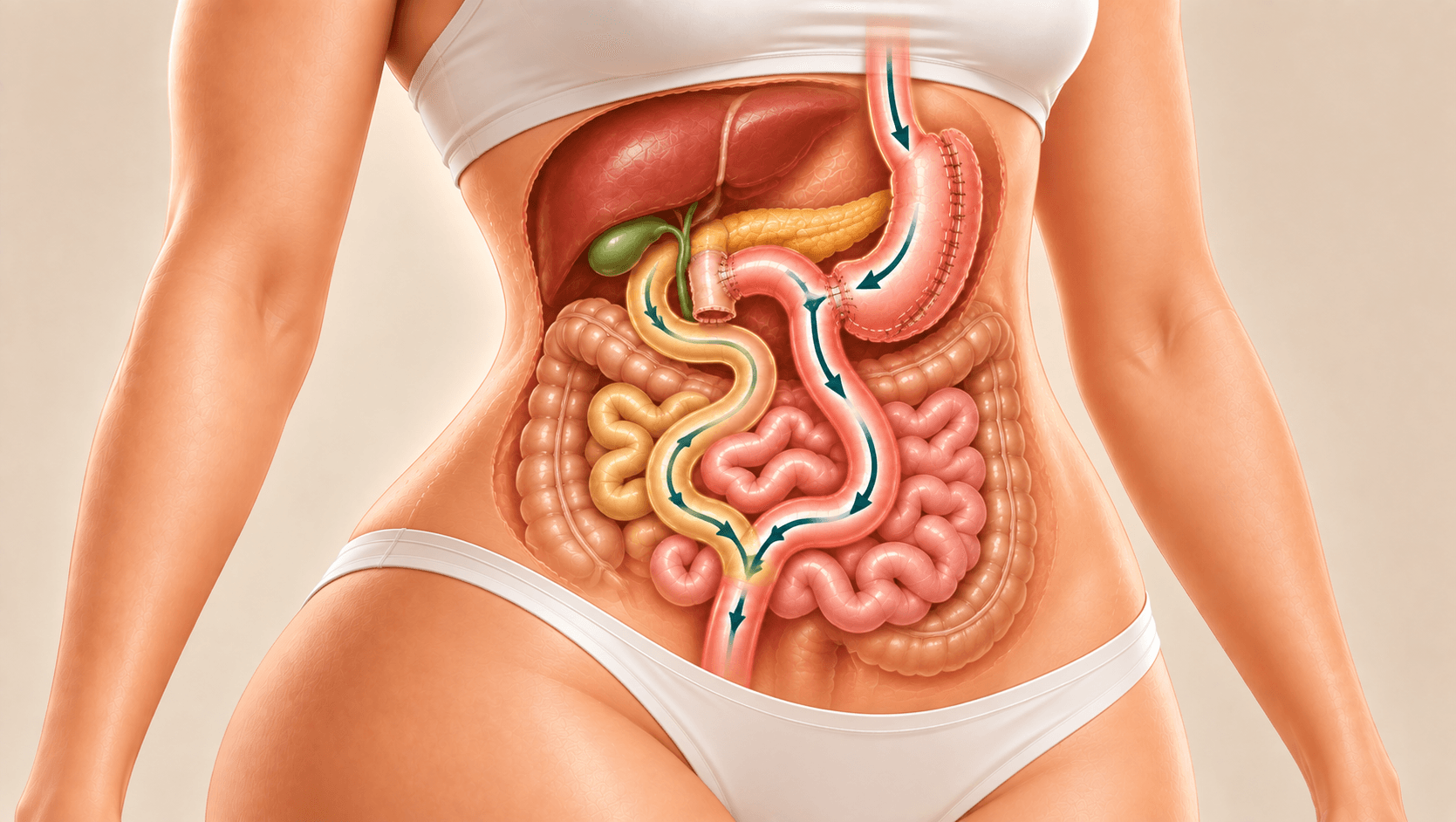
Duodenal Switch
A complex weight-loss operation that combines a sleeve gastrectomy with an intestinal bypass. It is usually considered for people with severe obesity and related conditions such as type 2 diabetes.
Verified clinics: 0
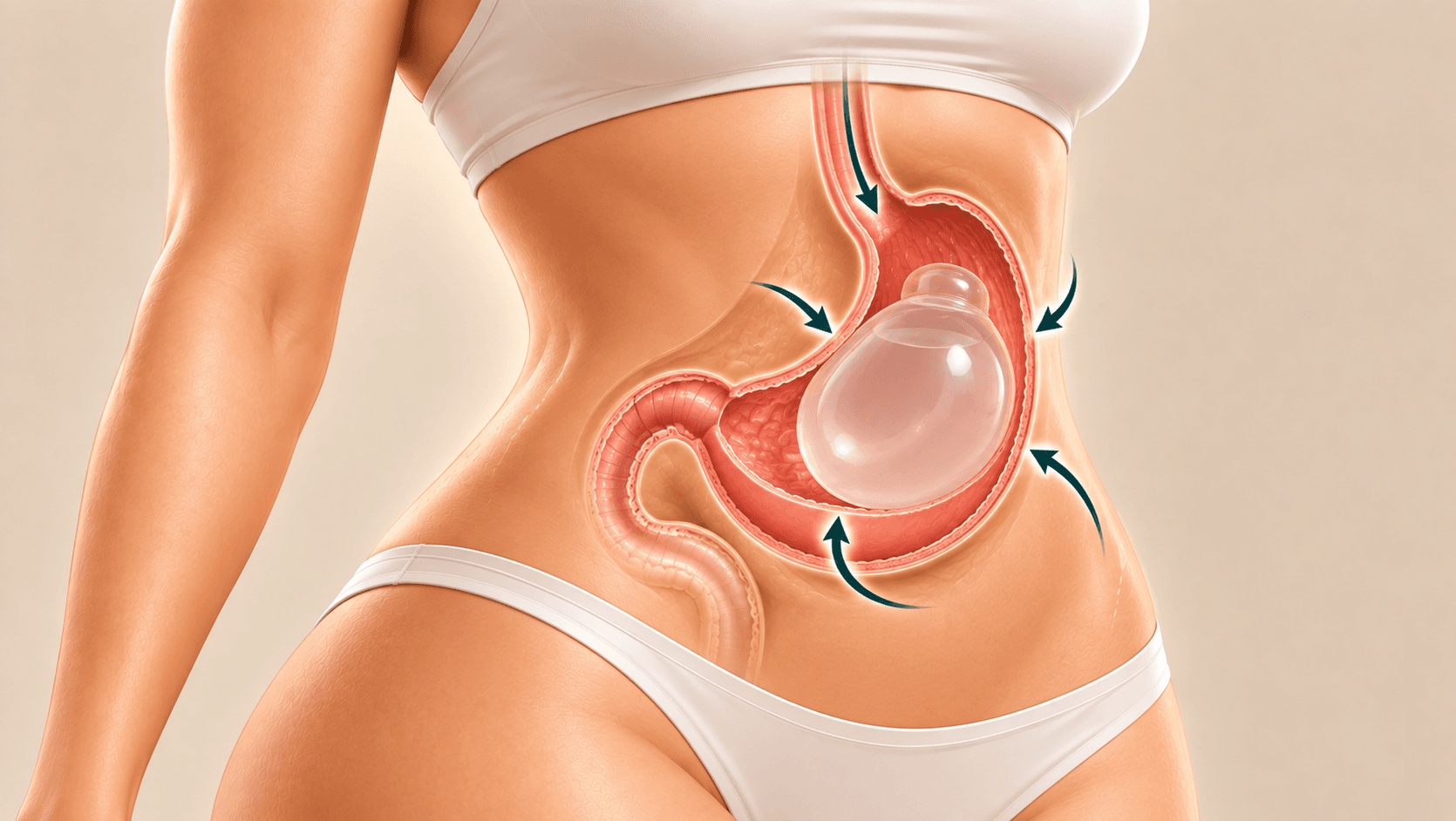
Gastric Balloon
A gastric balloon is a soft device placed in the stomach, usually by endoscopy without cuts, to help you feel full sooner while you change how you eat. It is temporary and is not a form of permanent surgery.
Verified clinics: 0
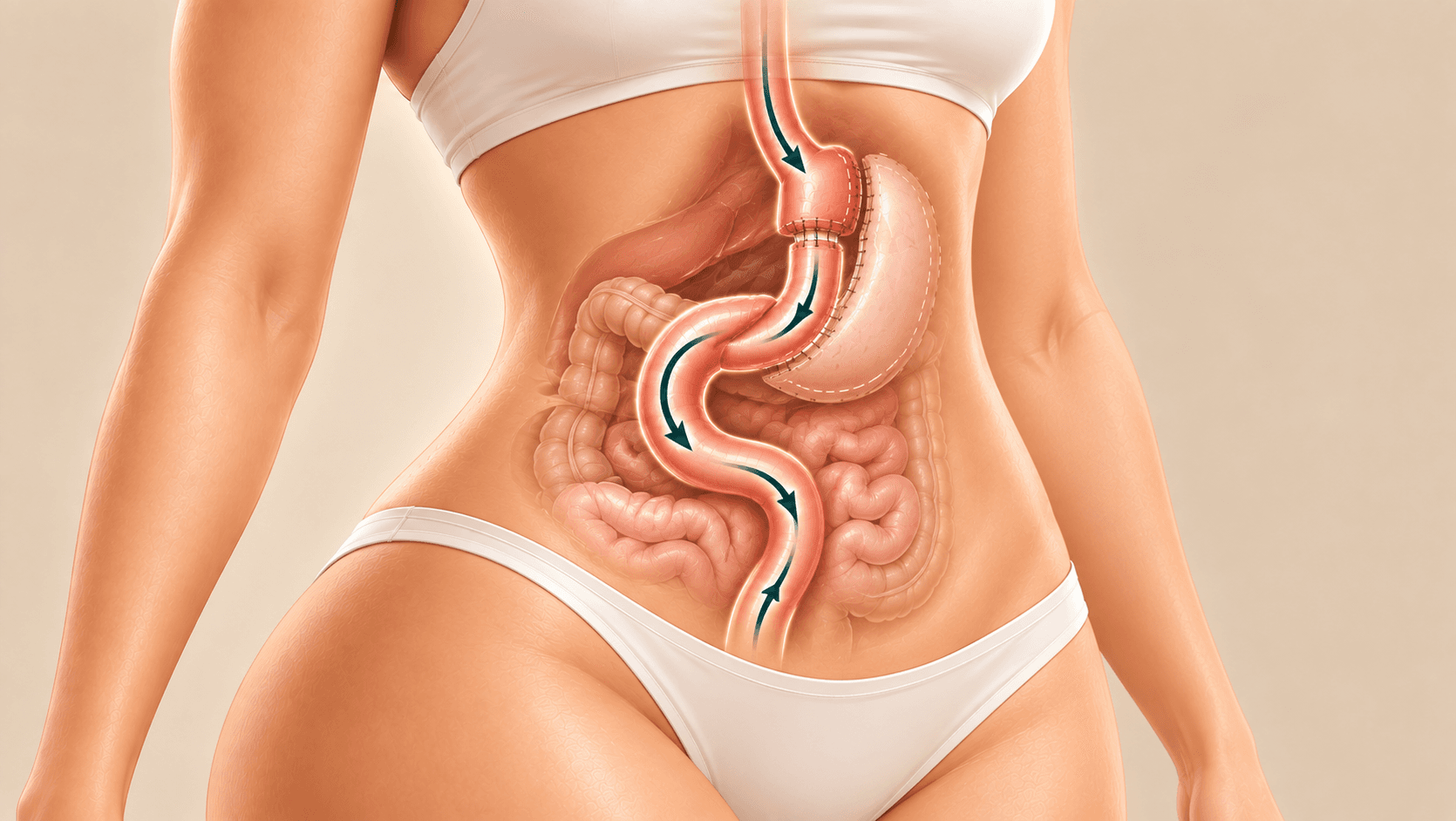
Gastric Bypass
Gastric bypass is a weight loss operation that makes a small stomach pouch and connects it directly to the small intestine. It changes how much you can eat and how your body absorbs food.
Verified clinics: 0
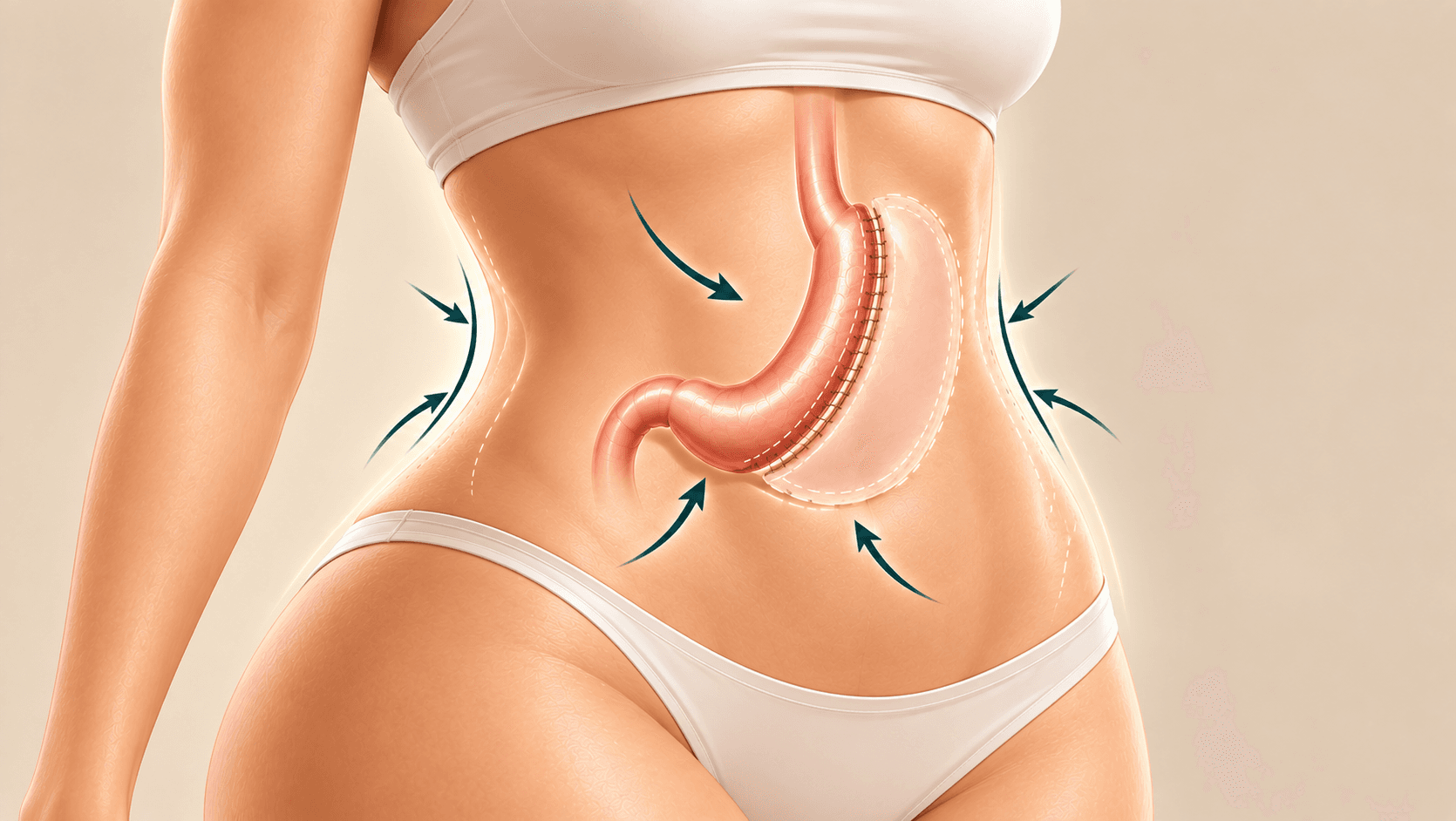
Gastric Sleeve
Gastric Sleeve surgery removes a large part of the stomach to leave a smaller, tube-shaped stomach. It can help people with severe obesity eat less and lose weight when it is combined with lasting changes to diet and lifestyle.
Verified clinics: 0
Mini Gastric Bypass
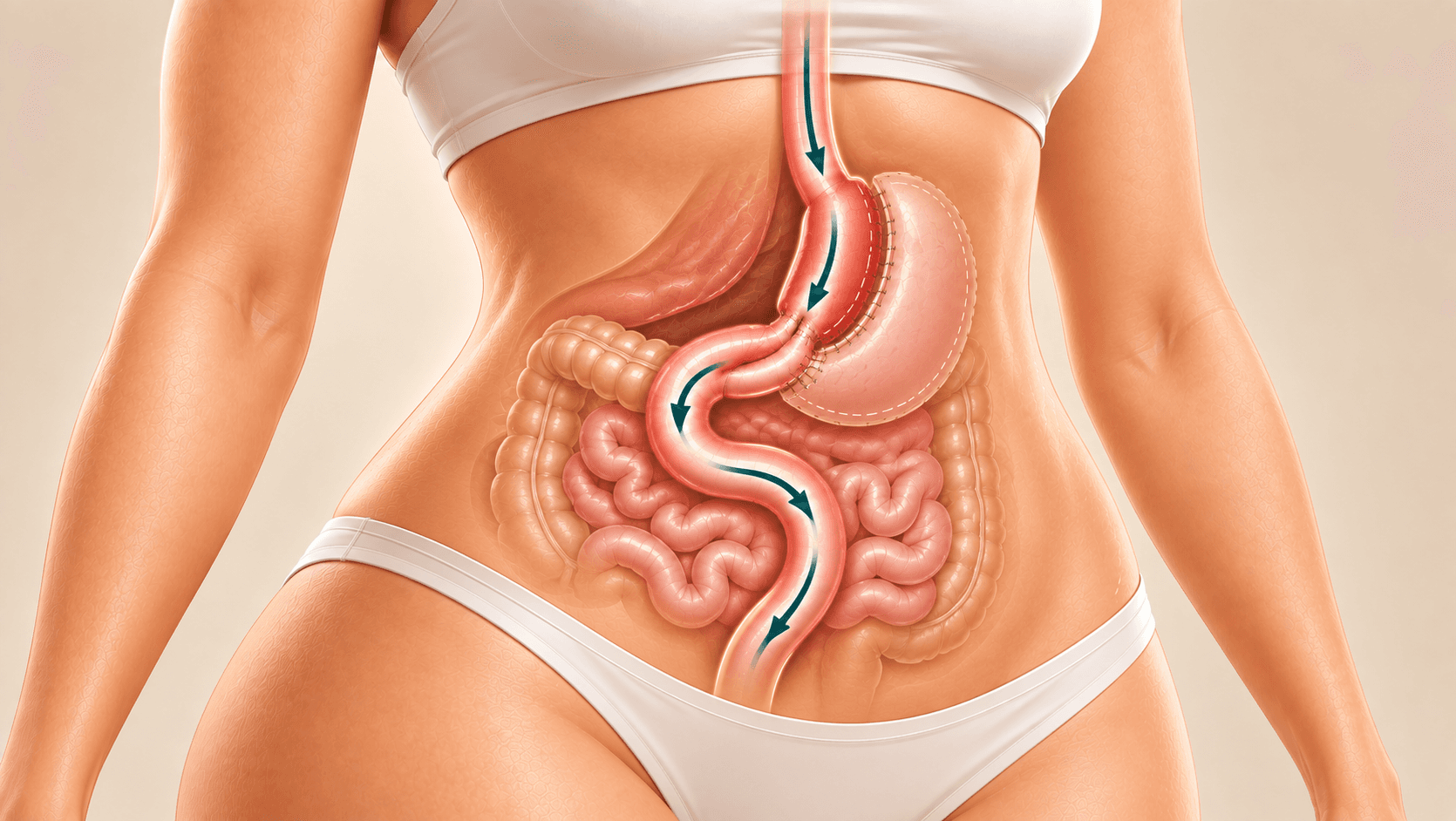
Mini Gastric Bypass is a keyhole weight-loss operation that creates a narrow stomach pouch joined to a loop of small intestine, helping you eat less and absorb fewer calories.
Verified clinics: 0