
Your guide to a gastric balloon abroad
A gastric balloon is a soft device placed in the stomach, usually by endoscopy without cuts, to help you feel full sooner while you change how you eat. It is temporary and is not a form of permanent surgery.
About Gastric Balloon
A gastric balloon is a soft device that is filled once it is inside the stomach. It helps people with excess weight feel full sooner and eat smaller portions. It is usually put in through the mouth with an endoscope, so no cuts are needed. It stays for a limited time and is then removed, while you work on new eating habits.
Key facts
- What it treats: excess weight and obesity, as one part of a supervised plan that also covers diet and lifestyle.
- How it is done: most often with an endoscope passed through the mouth. Some types are swallowed as a capsule instead.
- Anaesthesia: usually sedation or a light general anaesthetic. Swallowable types may need neither.
- Hospital stay: often a day procedure or a short stay. This depends on the clinic and on how you feel afterwards.
- Recovery phases: first a few days of adjustment, often with nausea or cramps. Then the stomach slowly gets used to the balloon, and the diet moves step by step from liquids to normal food.
- Temporary: the balloon is removed after the period your doctor recommends. Some types are designed to pass naturally.
Who is a gastric balloon suitable for?
A gastric balloon is usually considered for adults with excess weight who have not lost enough through diet and exercise alone. It may also suit people who do not want weight loss surgery, or who are not suitable for it. Your doctor decides after looking at your health as a whole.
Things doctors often look at include:
- your body mass index (BMI) and any weight-related conditions
- your past attempts to lose weight and how motivated you are to change your habits
- previous stomach or bowel surgery, hernias, ulcers or reflux
- medicines you take, including blood thinners or anti-inflammatory drugs
- pregnancy, or plans to become pregnant
A gastric balloon is a tool, not a cure. It works best with good nutrition advice, regular follow-up and lasting changes to how you eat and move.
How is a gastric balloon placed?
In most cases, the doctor passes a thin camera tube (endoscope) through your mouth into your stomach. The empty balloon goes in, and it is filled with sterile saline or air. The procedure is usually short and no cuts are made.
A typical treatment pathway includes:
- Assessment: your medical history, tests the doctor asks for, and often a talk with a dietitian.
- Preparation: a period of fasting before the procedure, as your clinic instructs.
- Placement: sedation, a check of the stomach, then placing and filling the balloon.
- Observation: you are watched until the sedation wears off and you can drink fluids.
- Removal: a second endoscopy at the end of the treatment period, unless you have a type designed to pass naturally.
With swallowable balloons, you swallow a capsule attached to a thin tube. The balloon is filled through the tube, and its position is usually checked with imaging.
What is recovery like after a gastric balloon?
The first days are often the hardest while your stomach gets used to the balloon. Nausea, vomiting, cramps and a feeling of fullness are common at this stage. Most people find these slowly ease, but everyone is different.
Recovery usually goes like this:
- Early phase: clear fluids first, plus medicines your doctor may prescribe for nausea and to protect your stomach.
- Transition phase: a slow move to soft and puréed foods, then small portions of normal food.
- Long-term phase: regular check-ins about nutrition, exercise and eating habits for as long as the balloon is in place, and after it is removed.
Ask your treating doctor when you can travel home, go back to work and start exercising again. The answer depends on how you feel and on the clinic's own protocol.
What are the risks and side effects?
A gastric balloon is generally less invasive than weight loss surgery, but it is not risk-free. Some side effects are common and short-lived, while serious problems are less common. Your doctor should explain the risks that apply to you.
Possible side effects and risks include:
- nausea, vomiting, stomach cramps and reflux, especially early on
- dehydration if you cannot keep fluids down
- stomach ulcers or irritation
- the balloon deflating or moving, which needs medical attention
- in rare cases, a blockage, an overfilled balloon, inflammation of the pancreas or a hole in the stomach wall
- risks related to sedation or anaesthesia
Seek medical help quickly if you have severe or ongoing pain, cannot keep fluids down, notice a sudden change in your urine colour (some balloons contain a coloured dye), or feel unwell in any other worrying way. Before you travel, ask your clinic how they will support you once you are back home.
What affects the cost of a gastric balloon abroad?
The price depends on the type of balloon, the country and clinic, and what the package includes. Ask for an itemised quote so you can compare clinics fairly.
Things that commonly affect the cost:
- the balloon type and how long it is designed to stay in place
- the type of anaesthesia and whether you stay overnight
- tests before the procedure and the first consultation
- dietitian support and follow-up, both on site and remote
- whether removal is included in the price
- travel, accommodation and any extra nights needed
How do I choose a clinic abroad for a gastric balloon?
Choose a clinic whose team is experienced in endoscopic weight-loss treatment and that explains its follow-up plan clearly. Being open about qualifications, the process and aftercare matters more than price alone.
Useful questions to ask:
- Who will do the procedure, and what training do they have?
- Which balloon type do you recommend for me, and why?
- What nutrition support do you offer during the treatment period?
- How will removal be arranged, and what happens if I have complications at home?
- Which documents and test results do you need from me in advance?
Our marketplace lets you compare verified clinics, read about their services and send one free request. The clinics you choose then contact you with information and questions about your case. Only your treating doctor can decide whether a gastric balloon is right for you, and which approach is safest for your situation.
This page gives general information and is not medical advice. A doctor at the clinic will assess whether a treatment is right for you.
Clinics offering Gastric Balloon

No verified clinics offer this treatment yet.
Frequently asked questions
Is a gastric balloon considered surgery?
Not in the usual sense. The balloon is normally placed with an endoscope through the mouth, or swallowed as a capsule, so there are no cuts and nothing in the digestive system is permanently changed. It is still a medical procedure, though, often done under sedation, and it needs proper assessment, monitoring and follow-up from a qualified team.
How much weight can I expect to lose with a gastric balloon?
No one can promise a specific result. Weight loss varies widely and depends on your starting point, your health, how closely you follow the nutrition plan and how active you are. The balloon mainly helps you control portion sizes. Your doctor can talk you through realistic goals based on your own situation and the balloon type they suggest.
What happens when the balloon is removed?
Most balloons are removed in a short endoscopic procedure, usually under sedation. The balloon is emptied and gently taken out through the mouth. Some newer types are designed to empty and pass naturally. After removal, the habits you built during treatment matter most for keeping weight off, so ongoing support from a dietitian or doctor can help.
Can I fly home soon after having a gastric balloon placed?
Many people travel home after a short stay, but the right timing depends on how your body reacts in the first days, especially to nausea and dehydration. Some balloons are filled with air, which may matter for flying. Ask your treating doctor when it is safe for you to travel, and plan some flexibility in case you need extra time.
What will I be able to eat with a gastric balloon?
At first you will usually have clear fluids only, then move slowly through puréed and soft foods to small portions of normal meals. Many people are advised to eat slowly, chew well, avoid fizzy drinks and keep drinking water between meals. Your clinic or dietitian should give you a personal eating plan, as advice differs between people and balloon types.
Related treatments
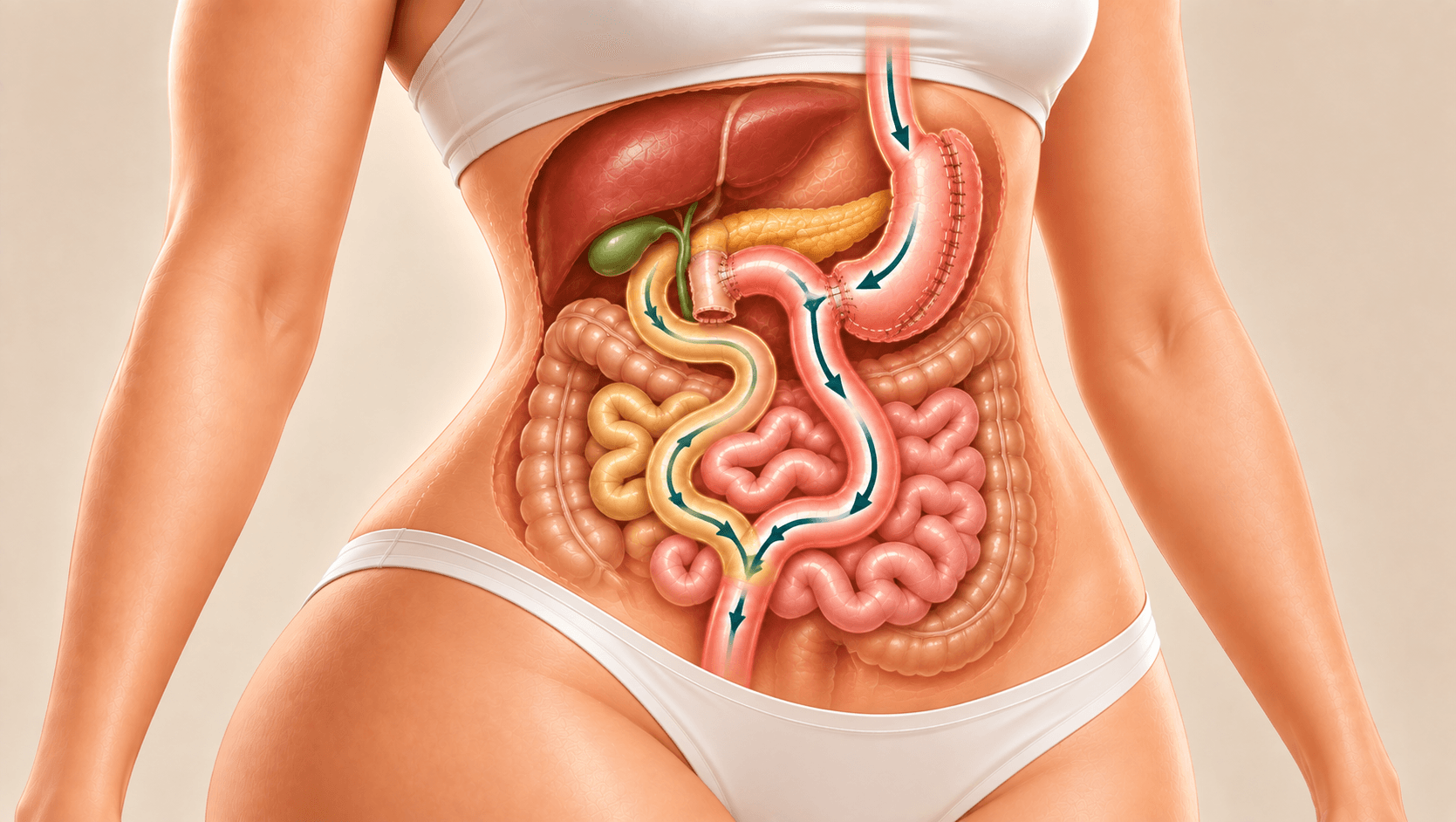
Duodenal Switch
A complex weight-loss operation that combines a sleeve gastrectomy with an intestinal bypass. It is usually considered for people with severe obesity and related conditions such as type 2 diabetes.
Verified clinics: 0
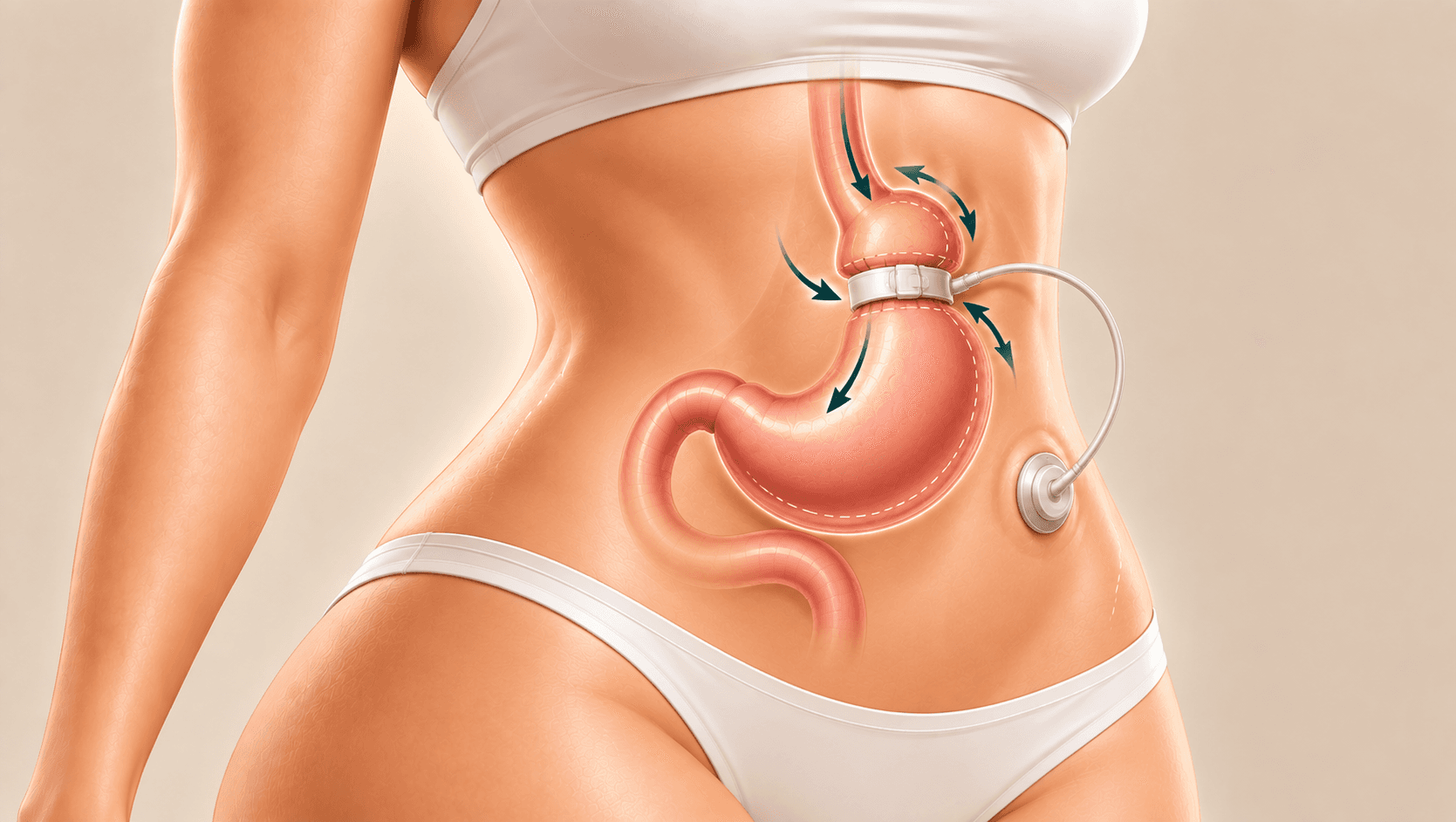
Gastric Band
A gastric band is an adjustable ring placed around the upper stomach in keyhole surgery to help you feel full sooner. It can be adjusted later and removed if needed, and it needs regular follow-up.
Verified clinics: 0
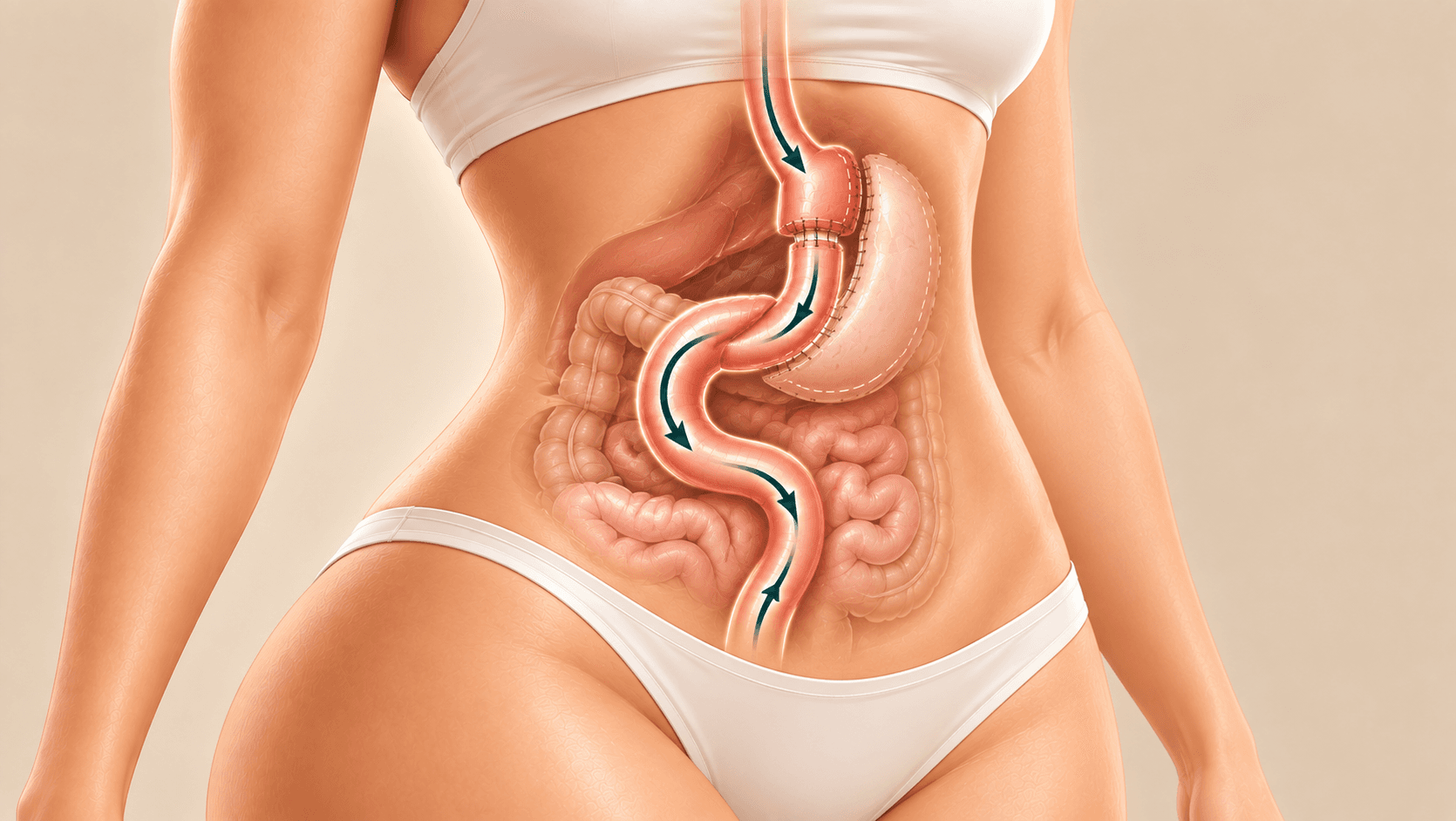
Gastric Bypass
Gastric bypass is a weight loss operation that makes a small stomach pouch and connects it directly to the small intestine. It changes how much you can eat and how your body absorbs food.
Verified clinics: 0
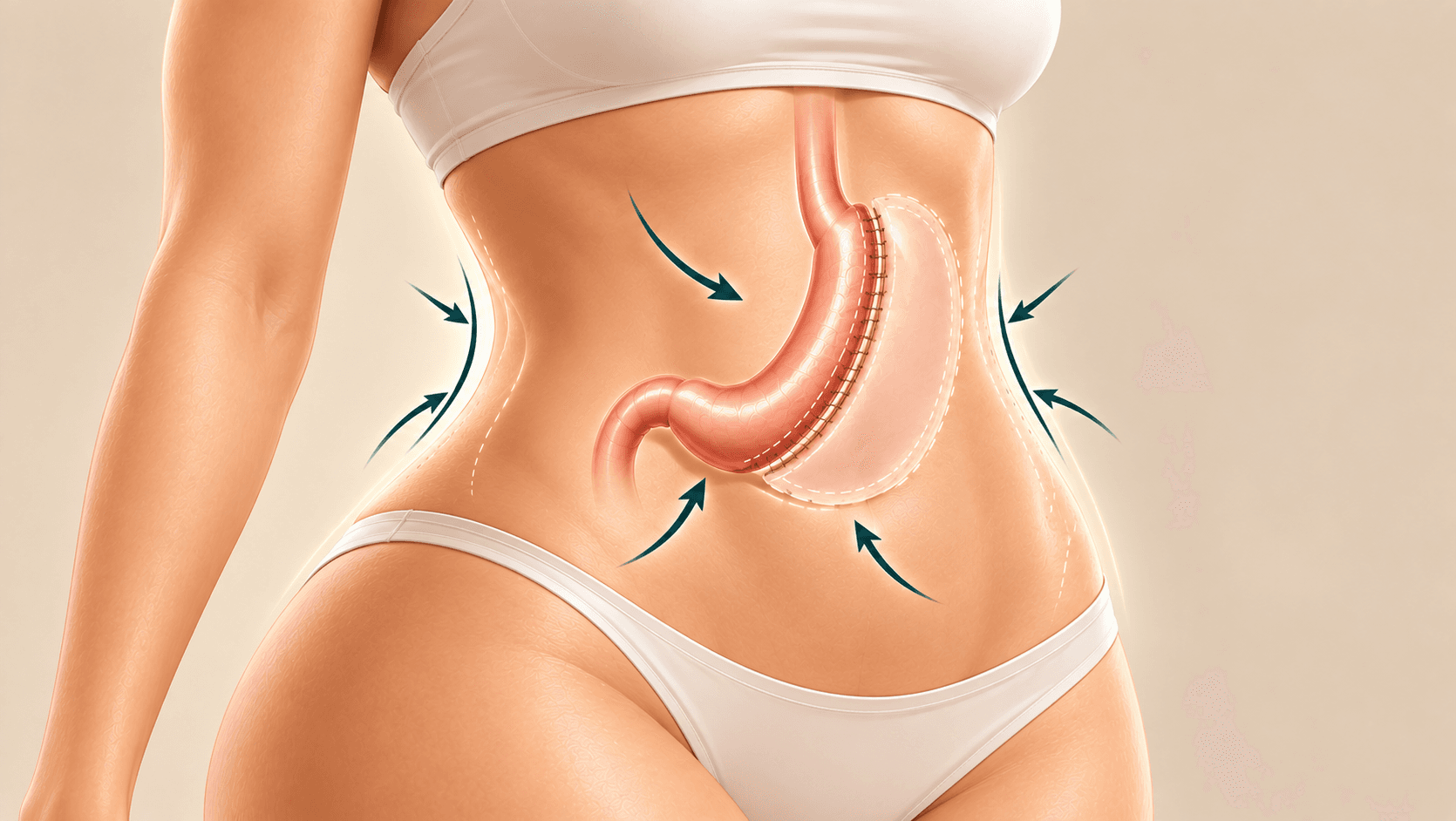
Gastric Sleeve
Gastric Sleeve surgery removes a large part of the stomach to leave a smaller, tube-shaped stomach. It can help people with severe obesity eat less and lose weight when it is combined with lasting changes to diet and lifestyle.
Verified clinics: 0
Mini Gastric Bypass
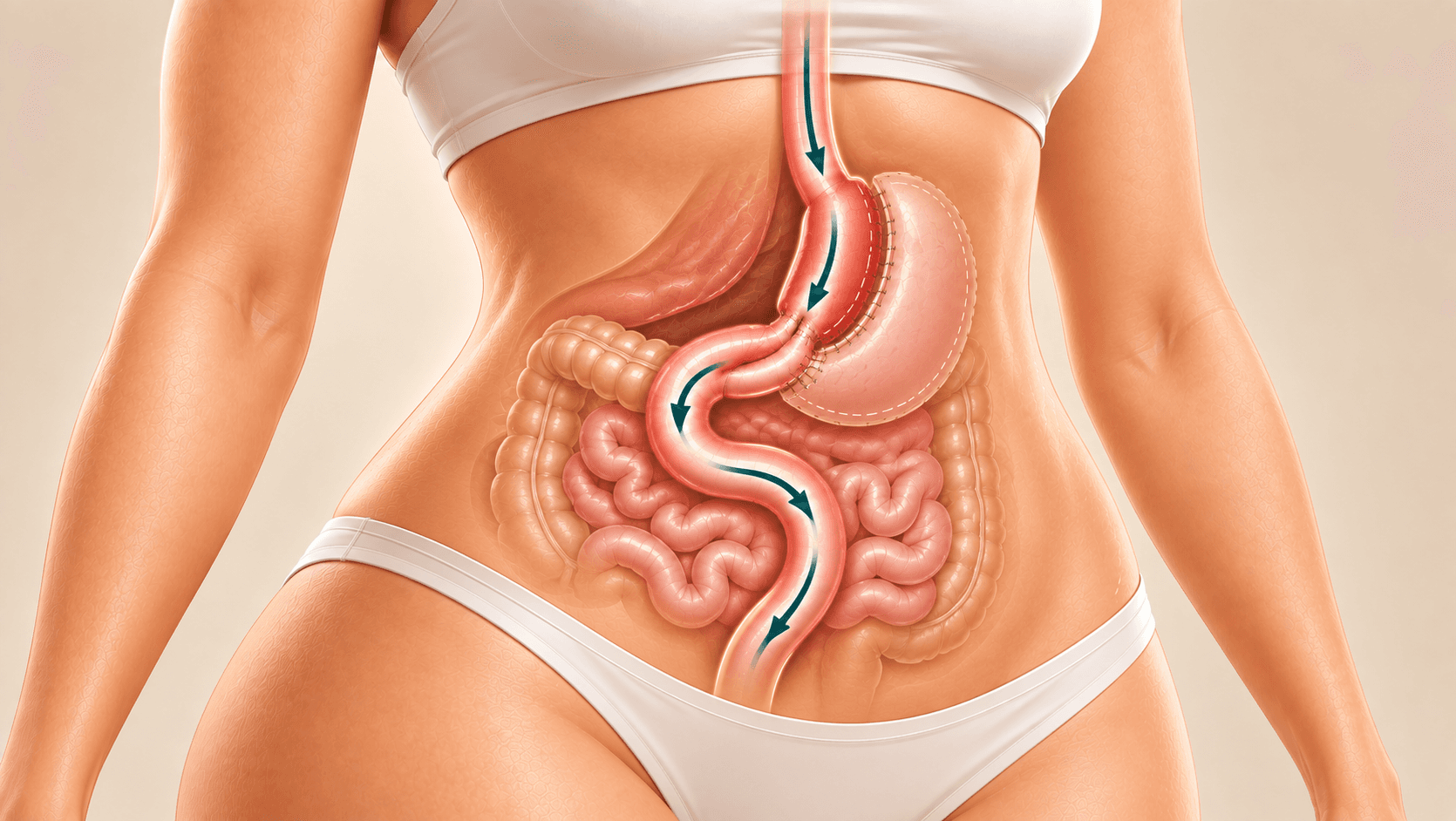
Mini Gastric Bypass is a keyhole weight-loss operation that creates a narrow stomach pouch joined to a loop of small intestine, helping you eat less and absorb fewer calories.
Verified clinics: 0