
Mini Gastric Bypass abroad: procedure, recovery and costs
Mini Gastric Bypass is a keyhole weight-loss operation that creates a narrow stomach pouch joined to a loop of small intestine, helping you eat less and absorb fewer calories.
About Mini Gastric Bypass
A Mini Gastric Bypass is a weight-loss operation in which the surgeon creates a long, narrow stomach pouch and connects it directly to a loop of the small intestine. This limits how much you can eat and reduces how many calories are absorbed. It is usually performed by keyhole (laparoscopic) surgery under general anaesthesia.
Key facts
- Treats severe obesity and can help with weight-related conditions such as type 2 diabetes, high blood pressure and sleep apnoea
- Uses a single connection between the stomach pouch and the small intestine, which is why it is also called a one-anastomosis gastric bypass (OAGB)
- Usually done by keyhole surgery under general anaesthesia
- Most patients stay in hospital for a short time, often a few days, depending on how they recover
- Recovery moves step by step from liquids to soft foods to a long-term healthy diet, with lifelong vitamin supplements and follow-up
Who is suitable for a Mini Gastric Bypass?
A Mini Gastric Bypass is generally considered for adults with severe obesity who have not managed to lose enough weight through diet, exercise and medical treatment. Your surgeon decides whether it suits you after a full medical assessment.
Doctors commonly look at:
- Your body mass index (BMI) and weight history
- Weight-related health problems, such as type 2 diabetes or joint pain
- Previous operations on your stomach or abdomen
- Reflux (heartburn), because this can influence which operation is recommended
- Your readiness to make lasting changes to eating habits and to attend follow-up
People with severe reflux, certain digestive conditions or some medical risks may be advised to consider a different procedure, such as a classic Roux-en-Y gastric bypass or a sleeve gastrectomy.
How is a Mini Gastric Bypass performed?
The operation is usually carried out through several small cuts in the abdomen using a camera and fine instruments. The surgeon divides the stomach to make a long, narrow pouch and joins it to a loop of the small intestine further down.
In general terms, the main steps are:
- You are given general anaesthesia, so you are asleep throughout
- The surgeon staples the stomach to form a slim tube-shaped pouch; the rest of the stomach stays in place but no longer receives food
- A loop of small intestine is brought up and connected to the pouch in one join
- Food then bypasses part of the small intestine, so fewer calories and nutrients are absorbed
Because there is only one connection, the operation is often described as technically simpler than a classic gastric bypass, although every surgery carries its own considerations.
What is recovery like after a Mini Gastric Bypass?
Recovery happens in stages and is different for everyone. Most people start walking soon after surgery and gradually return to normal daily activities over the following weeks, guided by their medical team.
Typical phases include:
- In hospital: pain relief, early walking and small sips of fluid while staff monitor you
- First weeks at home: a liquid and then puréed diet, rest, and avoiding heavy lifting
- Following months: soft foods, then a balanced diet with small portions and plenty of protein
- Long term: daily vitamin and mineral supplements, regular blood tests and check-ups
Many patients also benefit from support from a dietitian and, where helpful, a psychologist. If you travel abroad, ask your clinic when it is considered safe to fly home and how follow-up will be arranged.
What are the risks and side effects?
Like any major operation, a Mini Gastric Bypass carries risks. Your surgeon should explain these openly and discuss how they apply to your own health.
Possible risks and side effects include:
- Bleeding, infection or blood clots
- A leak from the staple line or the connection
- Bile reflux, which can cause heartburn or irritation
- Ulcers near the connection, with higher risk in people who smoke or use certain painkillers
- Nutritional deficiencies, such as iron, vitamin B12, calcium or protein
- Dumping syndrome, which can cause nausea, sweating or diarrhoea after sugary foods
- Gallstones during rapid weight loss
Following dietary advice, taking supplements and attending check-ups helps your team spot and manage problems early.
What affects the cost of a Mini Gastric Bypass abroad?
The cost varies widely between countries and clinics. The best way to understand your price is to ask clinics for a written quote that explains exactly what is included.
Factors that can affect the price:
- The country and the clinic's facilities
- The surgeon's experience and the size of the team
- Tests and consultations before surgery
- Length of hospital stay and any extra nights
- Medication, supplements and compression stockings
- Follow-up care, dietitian support and remote check-ups
- Travel, accommodation and transfers
Check what happens, and who pays, if extra treatment is needed.
How do I choose a clinic abroad for a Mini Gastric Bypass?
Choose a clinic that is open about its team, its process and its aftercare. A good clinic will assess you carefully before confirming that surgery is right for you.
Useful questions to ask:
- How often does the surgeon perform bariatric operations, including this one?
- What tests and assessments are done before surgery?
- Is there an intensive care unit or emergency support on site?
- What does follow-up include once I am home?
- Who do I contact if I have concerns after I return?
- Can my records be shared with my doctor at home?
Take your time, compare several options and make sure you feel comfortable with the answers.
Closing thoughts
A Mini Gastric Bypass can be an important step for some people living with severe obesity, but it is a lifelong commitment. On our marketplace you can compare verified clinics and send one free request, and the clinics will contact you. Your treating doctor will decide what is suitable for you after reviewing your health.
This page gives general information and is not medical advice. A doctor at the clinic will assess whether a treatment is right for you.
Clinics offering Mini Gastric Bypass

No verified clinics offer this treatment yet.
Frequently asked questions
What is the difference between a mini gastric bypass and a classic gastric bypass?
Both operations make the stomach smaller and send food past part of the small intestine. The mini version uses a longer, narrower pouch and one connection to the intestine. The classic Roux-en-Y bypass uses a small pouch and two connections. Each has its own advantages and drawbacks, especially when it comes to reflux and nutrition, so your surgeon will suggest the option that fits your health.
Is a mini gastric bypass better than a gastric sleeve?
Neither operation is better for everyone. A sleeve removes a large part of the stomach but does not bypass the intestine. A mini gastric bypass combines restriction with reduced absorption. Things like reflux, diabetes, your eating habits and previous surgery all affect which one may suit you. It is worth talking through the pros and cons of both with a bariatric surgeon.
Will I need to take vitamins for the rest of my life?
In most cases, yes. Because food skips part of the small intestine, your body can absorb less iron, vitamin B12, calcium, vitamin D and other nutrients. Doctors usually recommend daily supplements and regular blood tests to catch any shortages early. Your care team will tell you which supplements you need and how often your levels should be checked.
Can a mini gastric bypass be reversed or revised?
In some cases the operation can be revised or converted to another type of bypass, for example if a patient develops troublesome bile reflux. Any further surgery carries its own risks and needs a careful assessment by an experienced bariatric surgeon. If you are thinking about future options, ask about them at your first consultation.
When can I fly home after surgery abroad?
There is no single answer, because it depends on how you recover and on your personal risk of blood clots. Your surgeon will usually want to see that you are eating and drinking, walking comfortably and showing no signs of complications first. Ask your clinic how long they advise staying nearby, and how they will support you once you are back home.
Related treatments
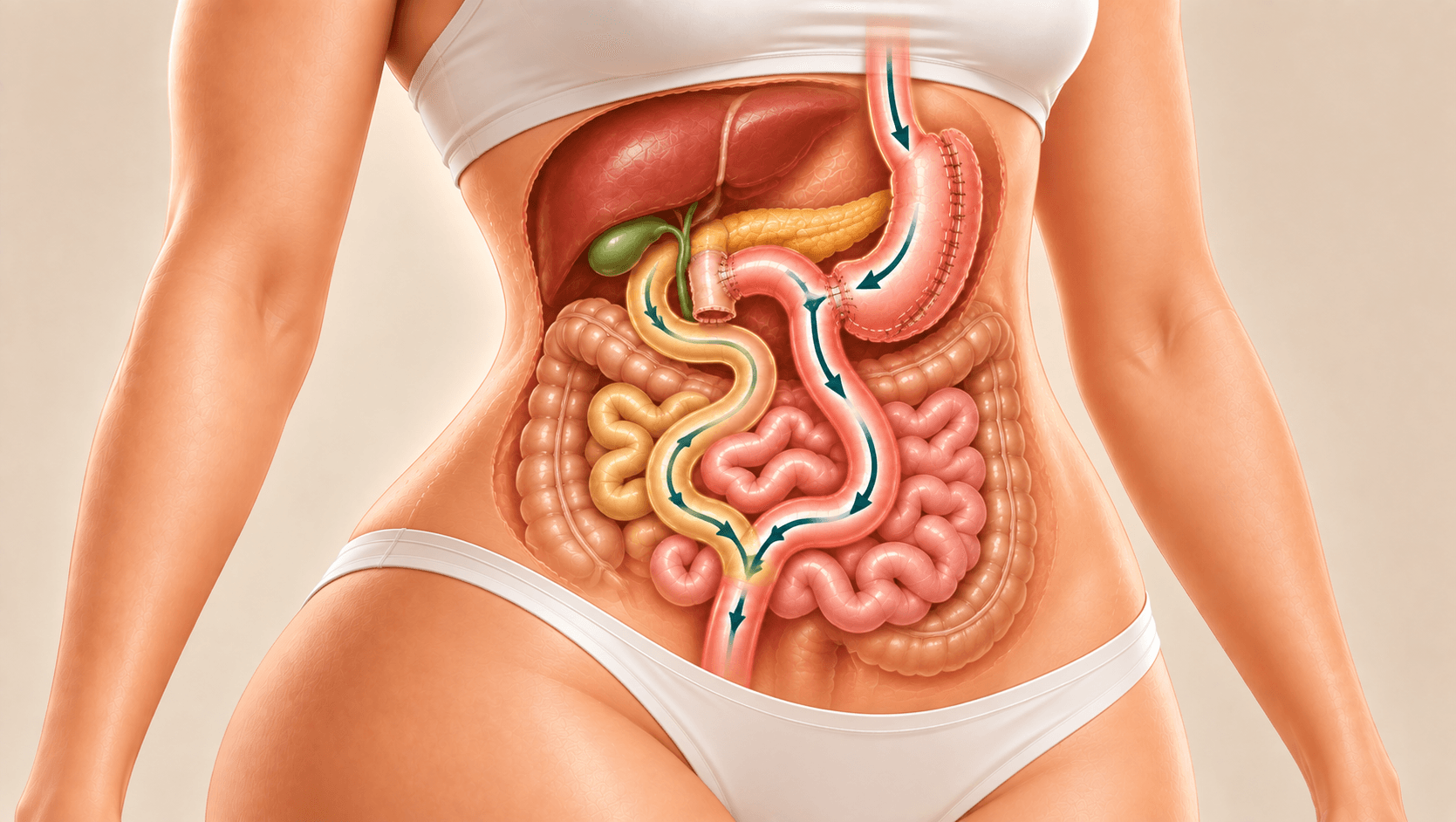
Duodenal Switch
A complex weight-loss operation that combines a sleeve gastrectomy with an intestinal bypass. It is usually considered for people with severe obesity and related conditions such as type 2 diabetes.
Verified clinics: 0
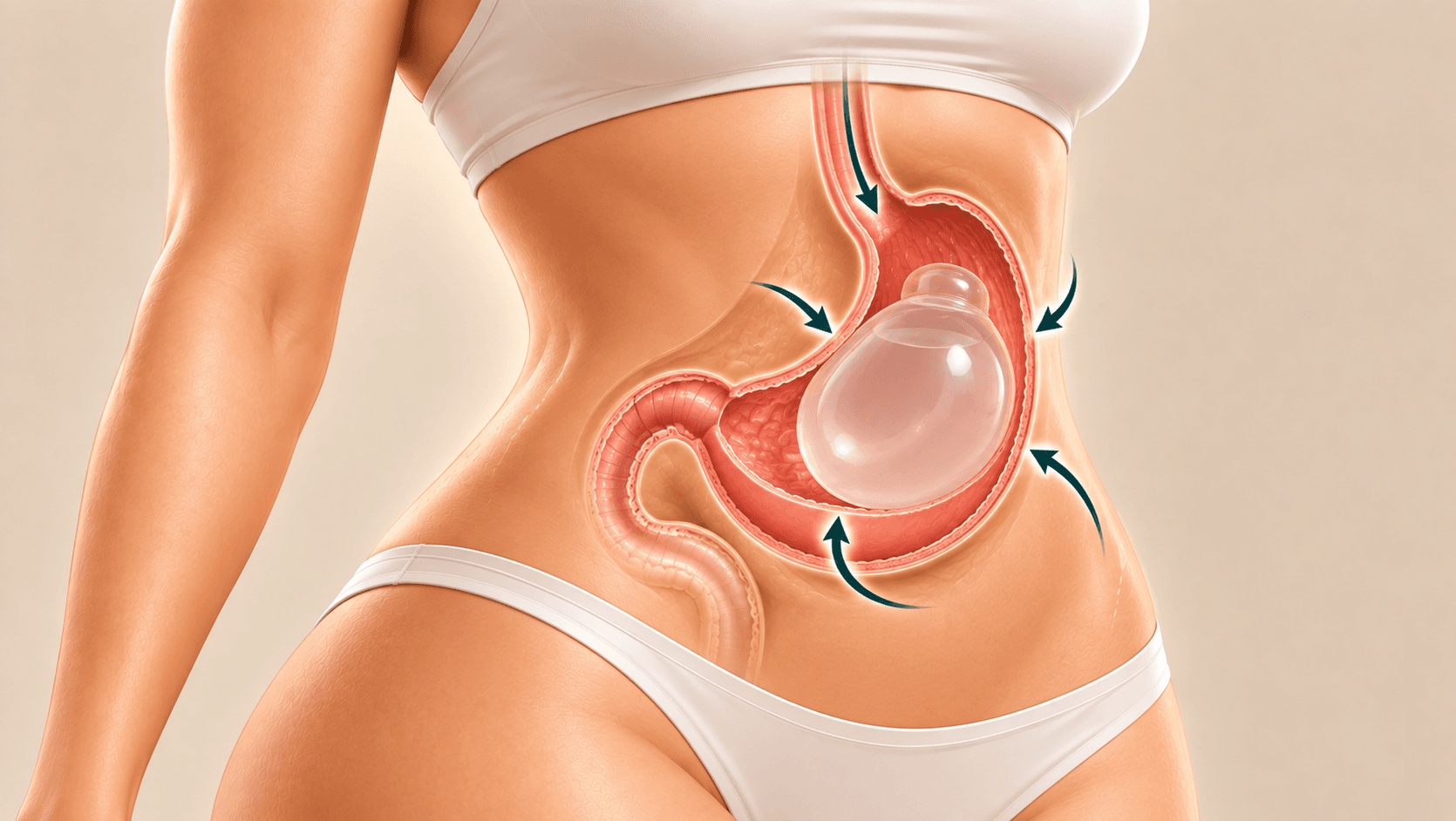
Gastric Balloon
A gastric balloon is a soft device placed in the stomach, usually by endoscopy without cuts, to help you feel full sooner while you change how you eat. It is temporary and is not a form of permanent surgery.
Verified clinics: 0
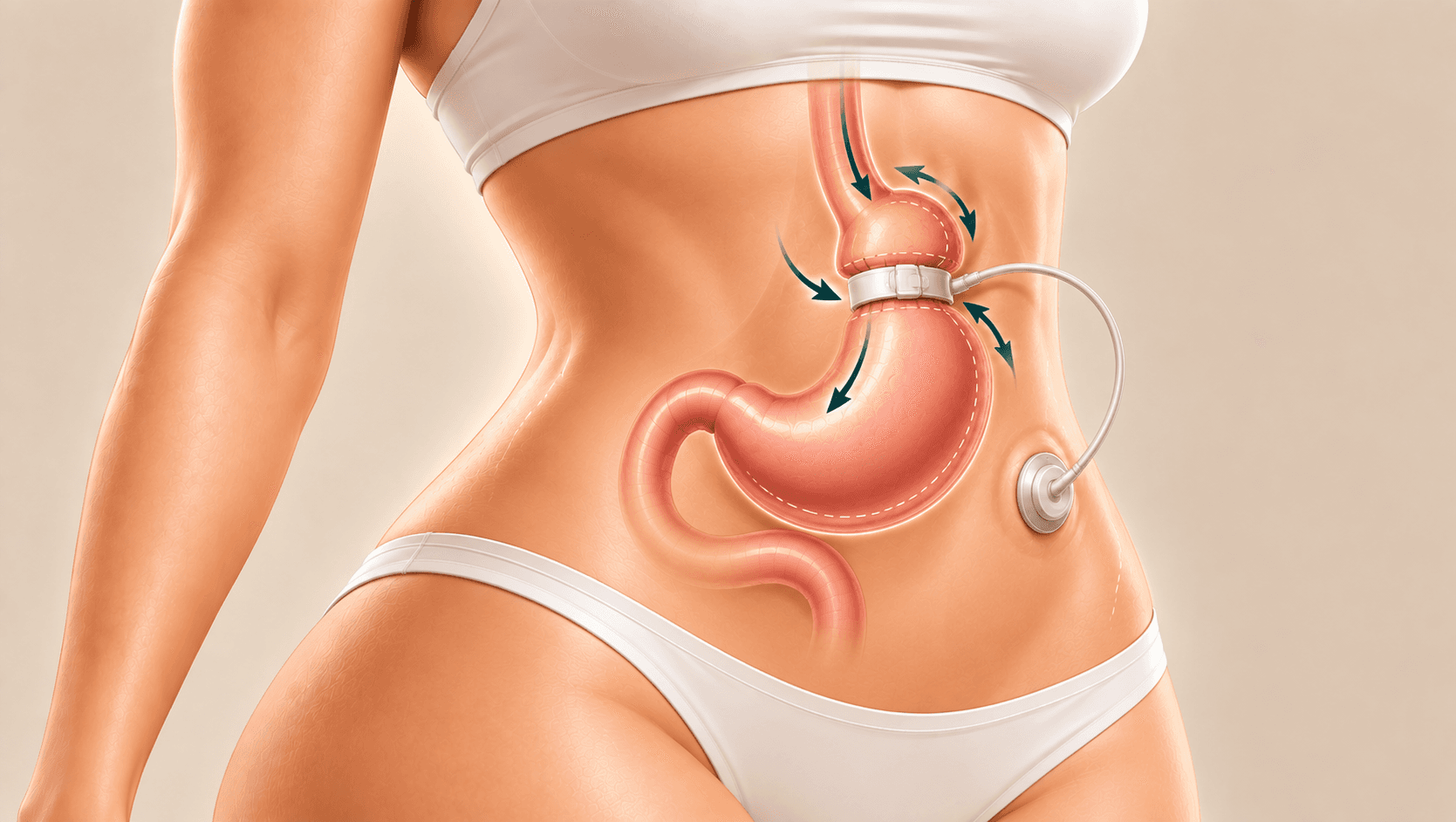
Gastric Band
A gastric band is an adjustable ring placed around the upper stomach in keyhole surgery to help you feel full sooner. It can be adjusted later and removed if needed, and it needs regular follow-up.
Verified clinics: 0
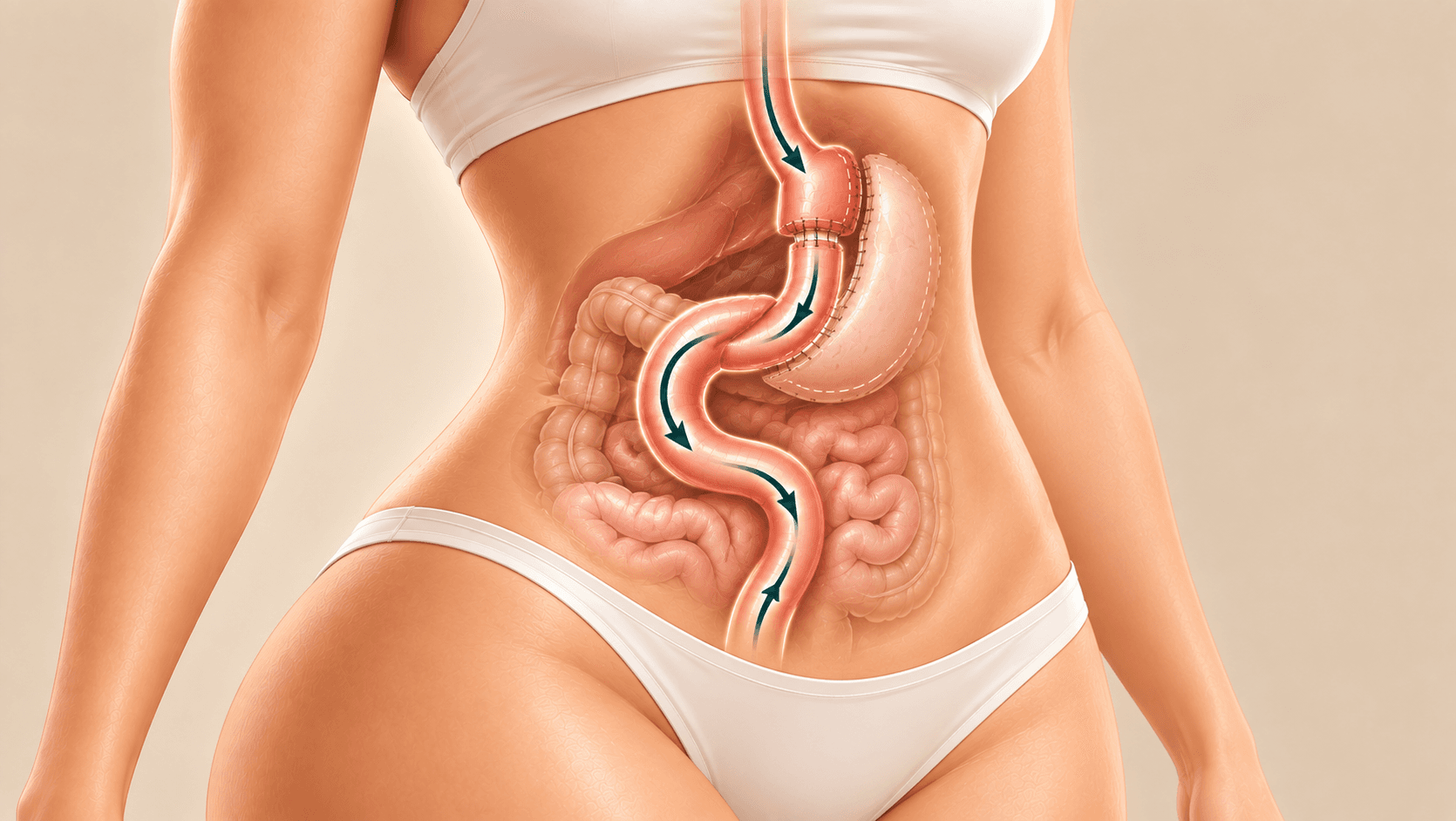
Gastric Bypass
Gastric bypass is a weight loss operation that makes a small stomach pouch and connects it directly to the small intestine. It changes how much you can eat and how your body absorbs food.
Verified clinics: 0
Gastric Sleeve
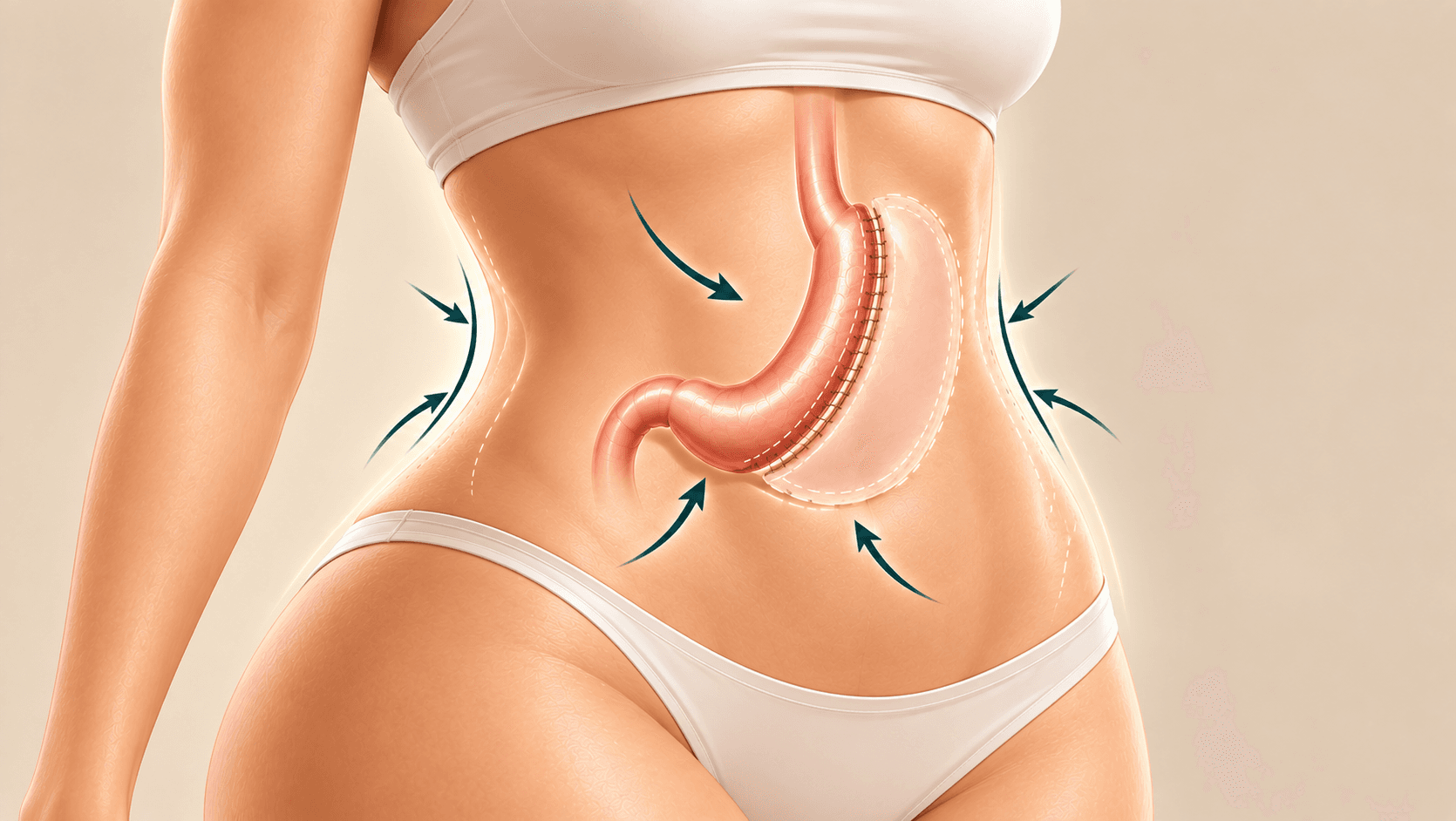
Gastric Sleeve surgery removes a large part of the stomach to leave a smaller, tube-shaped stomach. It can help people with severe obesity eat less and lose weight when it is combined with lasting changes to diet and lifestyle.
Verified clinics: 0