
Gastric bypass abroad: surgery, recovery and choosing a clinic
Gastric bypass is a weight loss operation that makes a small stomach pouch and connects it directly to the small intestine. It changes how much you can eat and how your body absorbs food.
About Gastric Bypass
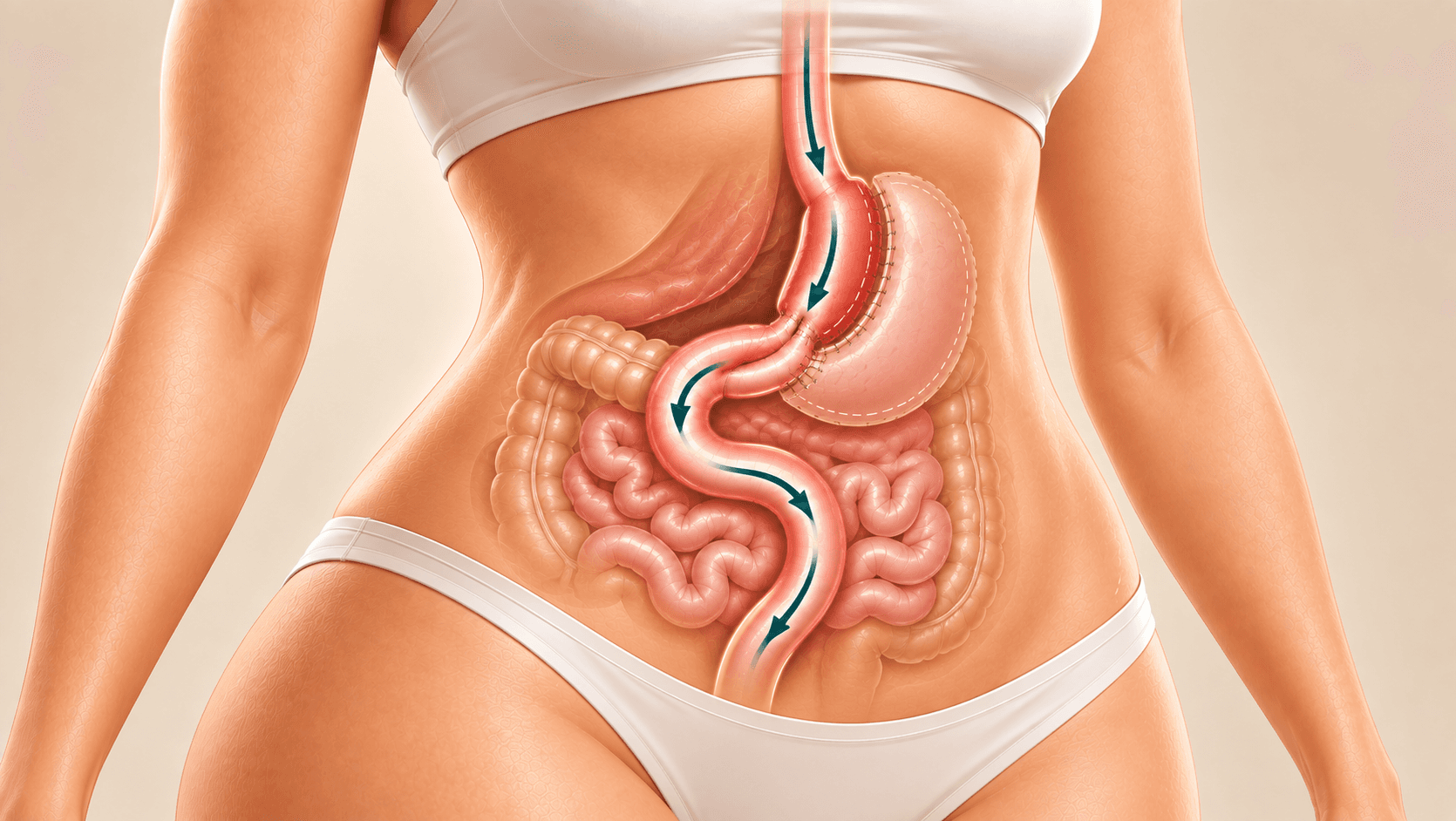
A gastric bypass is a type of weight loss surgery. The surgeon makes a small pouch from the top of the stomach and connects it directly to a lower part of the small intestine, so food skips most of the stomach. This limits how much you can eat, changes how food is absorbed and affects the hormones that control hunger.
Key facts
- Used for severe obesity, often when there are also weight-related conditions such as type 2 diabetes, high blood pressure or sleep apnoea
- Usually done by keyhole (laparoscopic) surgery through several small cuts in the abdomen
- Done under general anaesthesia
- Most people stay in hospital for a short time, then follow a staged diet from liquids to purées to soft food and finally normal textures
- Lifelong follow-up and vitamin and mineral supplements are normally part of the plan
Who is suitable for gastric bypass?
Gastric bypass is generally considered for adults with severe obesity who have not managed to lose enough weight with diet, exercise and medical treatment. Your surgical team decides whether you are suitable after a full assessment.
Doctors usually look at:
- Your body mass index (BMI) and any weight-related health conditions
- Earlier attempts to lose weight and your medical history
- Whether you are fit enough for general anaesthesia
- Your readiness to make lasting changes to your diet and lifestyle
- Conditions that might make another procedure a better fit, such as severe reflux or certain digestive problems
Many clinics ask for a psychological assessment and a nutrition consultation before surgery. These help make sure you are prepared for life after the operation.
How is a gastric bypass performed?
The most common version is the Roux-en-Y gastric bypass. It is usually done by keyhole surgery using a camera and fine instruments. The surgeon creates a small stomach pouch and connects it to a loop of the small intestine.
In general terms, the procedure involves:
- Dividing the stomach to make a small upper pouch, while the rest of the stomach stays in place but no longer receives food
- Bringing up a section of small intestine and joining it to the new pouch
- Reconnecting the intestine further down so digestive juices can still mix with food
Some clinics also offer a one-anastomosis (mini) gastric bypass, which has only one connection. Your surgeon can explain which technique they recommend for you and why.
What is recovery like after gastric bypass?
Recovery happens in stages and is different for everyone. Most people start walking soon after surgery, go home once they can drink well and their condition is stable, then slowly move back to solid food over the following weeks.
A typical recovery path looks like this:
- In hospital: pain relief, early walking, monitoring and small sips of fluid
- First weeks at home: a liquid diet, then puréed food, plus rest and gentle activity
- Later phases: soft food and then normal textures in small portions, with a gradual return to work and exercise
- Long term: regular check-ups, blood tests, daily supplements and support with eating habits
If you travel abroad, ask how long the clinic advises you to stay nearby before flying home. Also plan how your follow-up care will work once you are back.
What are the risks and side effects of gastric bypass?
Like any major operation, gastric bypass carries risks. Some appear soon after surgery and others can develop months or years later. Your surgeon should explain how these apply to you personally.
Possible risks and side effects include:
- Bleeding, infection or blood clots
- A leak where the stomach and intestine are joined
- Narrowing of the connection, ulcers or internal hernia
- Dumping syndrome, which can cause nausea, sweating or diarrhoea after sugary or fatty foods
- Shortages of vitamins and minerals such as iron, vitamin B12, calcium and vitamin D
- Gallstones, often linked to rapid weight loss
- Loose skin as you lose weight
Following the dietary advice, taking your supplements and going to follow-up appointments all help to lower many of these risks.
What affects the cost of gastric bypass abroad?
The price varies widely between countries and clinics. It depends on what is included, the type of procedure and your individual health needs, so always ask for a detailed written quote.
Factors that often affect the cost:
- The country, the city and the type of hospital
- The surgical technique and the surgeon's experience
- Tests before surgery, consultations and the length of the hospital stay
- Anaesthesia, medication and any special equipment
- Aftercare, nutrition support and follow-up appointments
- Travel, accommodation and any companion's costs
Check what happens if extra treatment or a longer stay is needed. Ask too whether remote follow-up is offered after you return home.
How do I choose a clinic abroad for gastric bypass?
Choose a clinic that is open about the surgeon's qualifications, the care it provides and its aftercare. A good clinic assesses you carefully before agreeing to operate and explains the alternatives.
Questions worth asking:
- How often does the surgeon perform gastric bypass, and which techniques do they use?
- What tests and assessments are done before surgery?
- Is there an intensive care unit, or quick access to one?
- Is support from a dietitian and a psychologist included?
- How will follow-up work once you are home, and who do you contact if problems arise?
- Will you get your medical records and surgery report to share with your own doctor?
It also helps to tell your own doctor at home about your plans. That way someone local can support you with blood tests and long-term care.
Is gastric bypass a permanent solution?
Gastric bypass is designed as a long-term treatment. Reversal is technically possible but complex and rarely done. Results depend greatly on lasting changes to eating habits, activity and follow-up care.
Some people regain weight over time, especially if old eating patterns come back. Regular contact with your care team, ongoing nutrition support and being open about any difficulties can help you protect your health over the years.
Compare clinics and get advice
If you are thinking about a gastric bypass, you can compare verified clinics and send one free request. Interested clinics will then contact you with information. Only the treating doctor can decide, after a full assessment, whether this procedure is suitable for you.
This page gives general information and is not medical advice. A doctor at the clinic will assess whether a treatment is right for you.
Clinics offering Gastric Bypass

No verified clinics offer this treatment yet.
Frequently asked questions
What is the difference between gastric bypass and gastric sleeve?
A gastric sleeve removes a large part of the stomach and leaves a narrow tube, but food still passes through the normal route. A gastric bypass makes a small pouch and reroutes food past most of the stomach and part of the small intestine, so absorption also changes. Each has its own benefits and risks. Your medical history, including reflux or diabetes, often guides which option a surgeon suggests.
Will I need to take vitamins for the rest of my life?
In most cases, yes. Because food skips part of the digestive tract, the body absorbs some nutrients less well, especially iron, vitamin B12, calcium and vitamin D. Surgical teams usually recommend daily supplements and regular blood tests for life. Your doctor will tell you which products and doses suit you and adjust them based on your results.
When can I fly home after gastric bypass abroad?
This depends on how your recovery goes and on your surgeon's advice. Many clinics want you to stay nearby for a while after leaving hospital so they can check on you before a flight. Long journeys raise the risk of blood clots, so ask about moving around, drinking fluids, compression stockings and any medication for the trip.
Can I get pregnant after gastric bypass?
Many people have healthy pregnancies after gastric bypass, and fertility sometimes improves with weight loss. Doctors usually advise waiting until your weight has settled before trying to conceive, because rapid weight loss and nutrient shortages can affect a pregnancy. Talk to your surgeon and your gynaecologist about timing, contraception and the extra nutritional monitoring you may need.
Will I be able to eat normally again?
Over time most people eat ordinary foods again, but in much smaller portions. Eating slowly, chewing well and drinking fluids separately from meals are usually advised. Some people find that sugary, very fatty or dry foods cause discomfort or dumping symptoms. A dietitian can help you build balanced, protein-rich meals that fit your new digestive system.
Related treatments
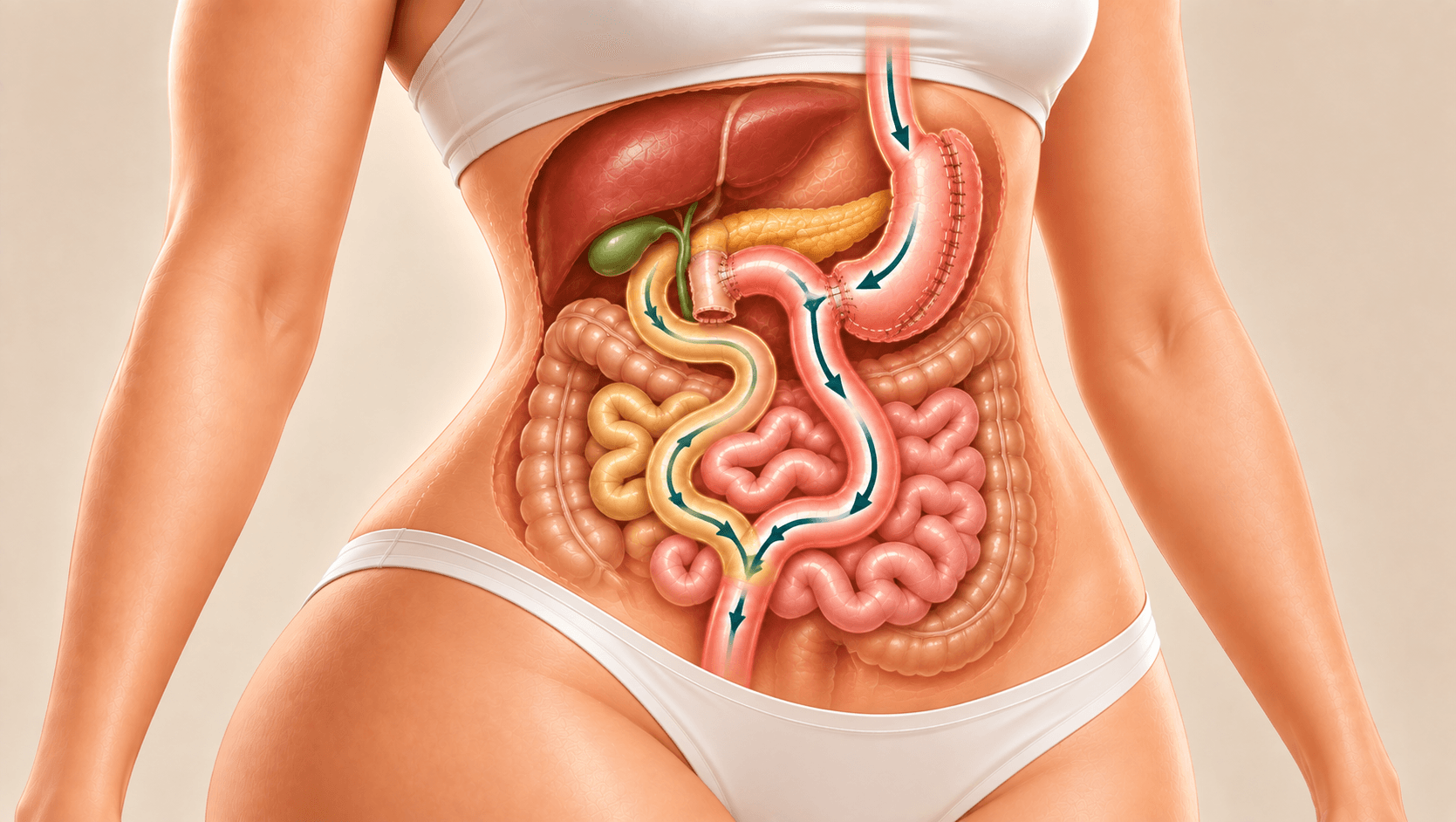
Duodenal Switch
A complex weight-loss operation that combines a sleeve gastrectomy with an intestinal bypass. It is usually considered for people with severe obesity and related conditions such as type 2 diabetes.
Verified clinics: 0
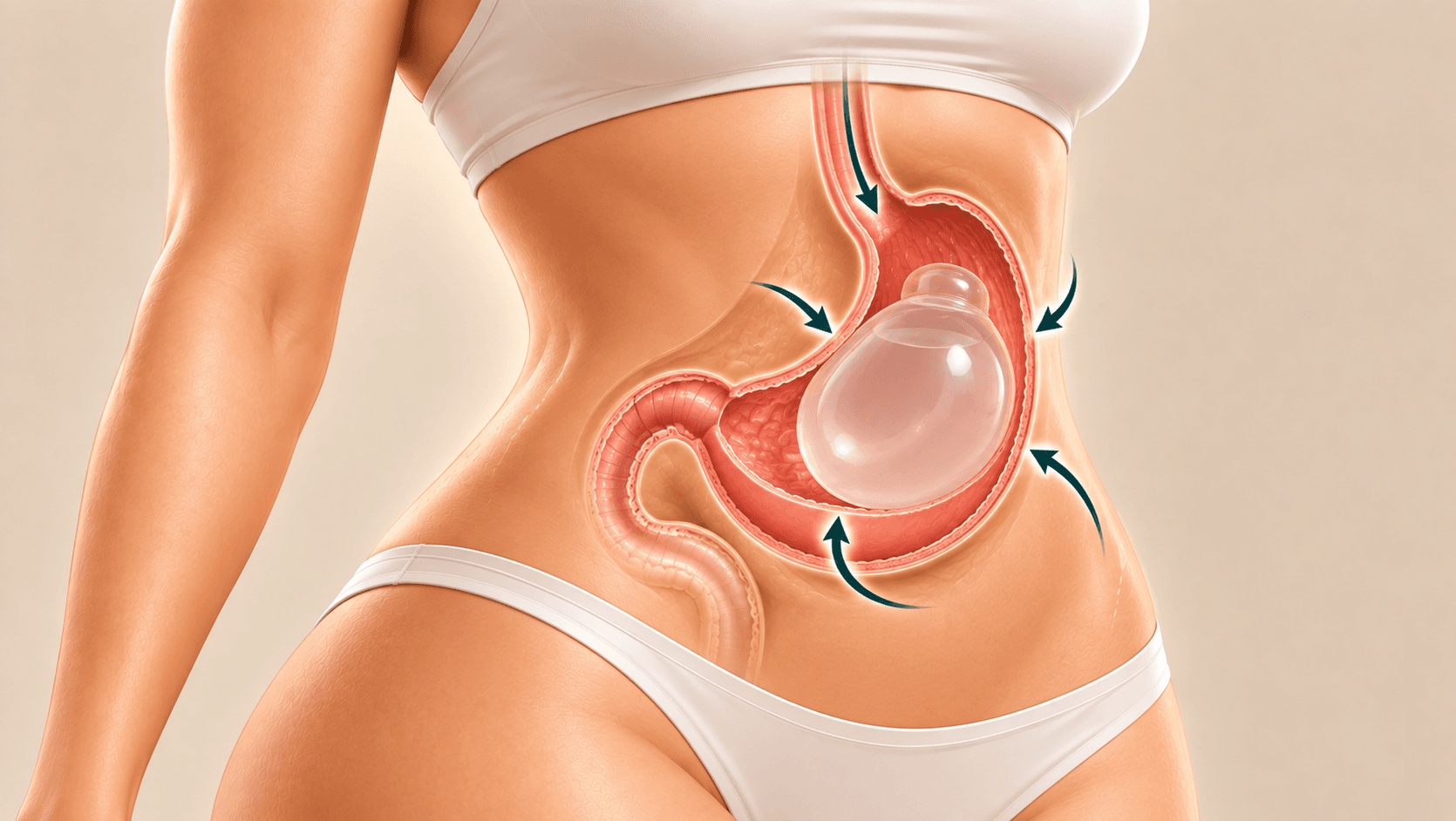
Gastric Balloon
A gastric balloon is a soft device placed in the stomach, usually by endoscopy without cuts, to help you feel full sooner while you change how you eat. It is temporary and is not a form of permanent surgery.
Verified clinics: 0
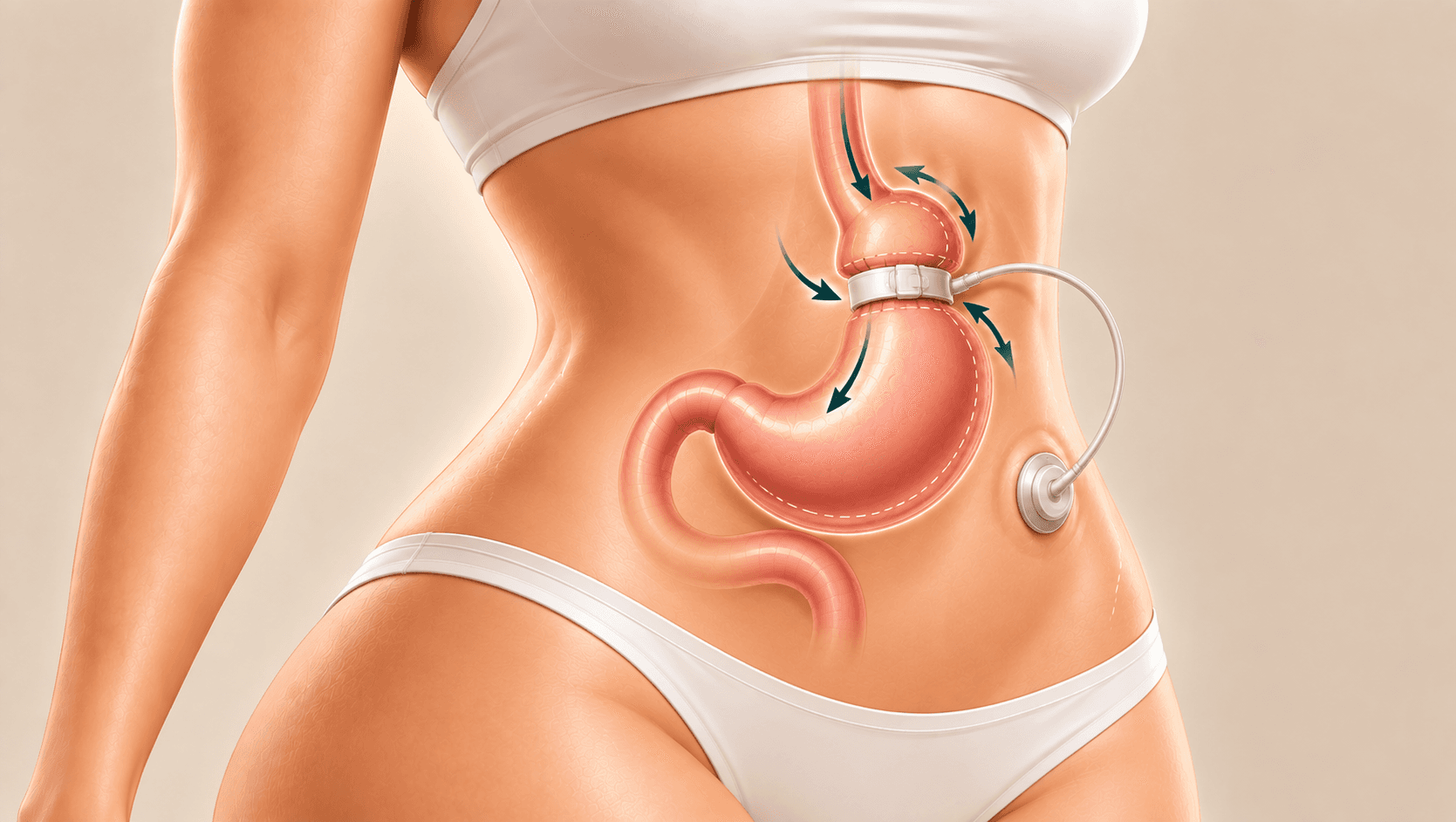
Gastric Band
A gastric band is an adjustable ring placed around the upper stomach in keyhole surgery to help you feel full sooner. It can be adjusted later and removed if needed, and it needs regular follow-up.
Verified clinics: 0
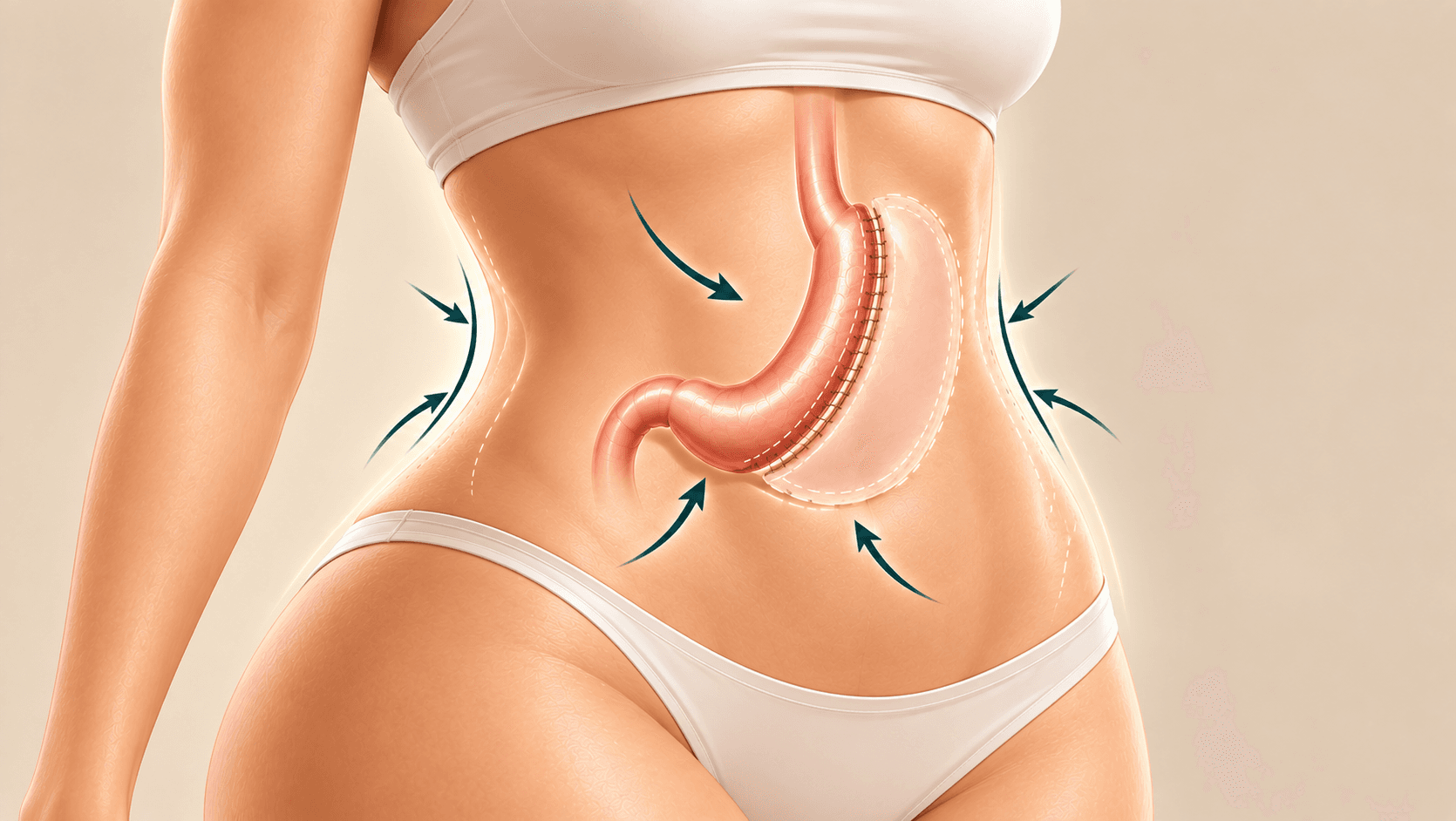
Gastric Sleeve
Gastric Sleeve surgery removes a large part of the stomach to leave a smaller, tube-shaped stomach. It can help people with severe obesity eat less and lose weight when it is combined with lasting changes to diet and lifestyle.
Verified clinics: 0
Mini Gastric Bypass
Mini Gastric Bypass is a keyhole weight-loss operation that creates a narrow stomach pouch joined to a loop of small intestine, helping you eat less and absorb fewer calories.
Verified clinics: 0