
Am I a Good Eyebrow Transplant Candidate? Questions to Ask Yourself and Your Doctor
Thinking about fuller brows? Find out what makes someone a suitable eyebrow transplant candidate, and which questions to ask yourself and your doctor before you decide.
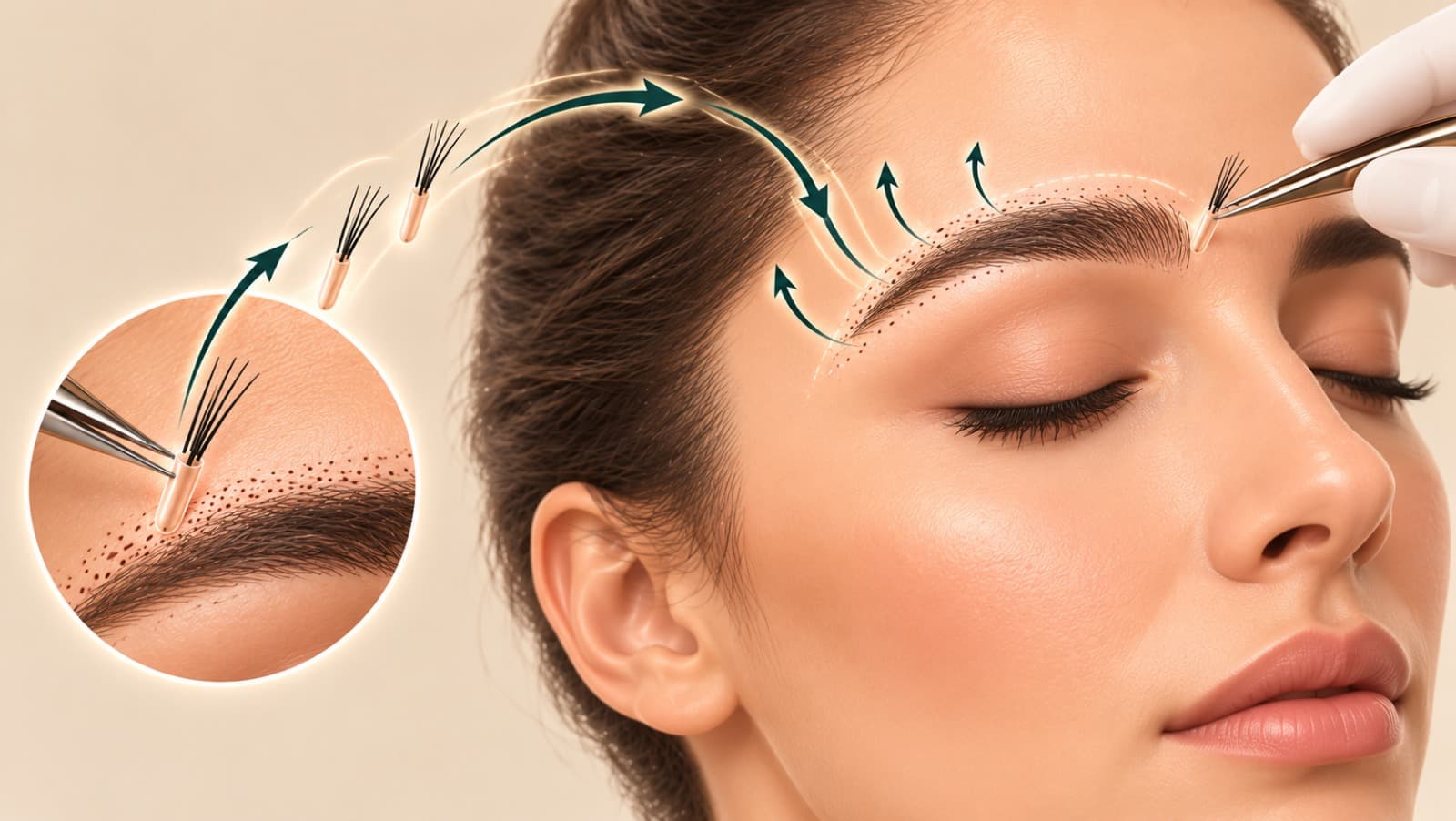
Thin, patchy or missing eyebrows can change how you feel about your face, and an eyebrow transplant is one option many people look into. Before you start comparing clinics, it helps to ask an honest question: am I a good eyebrow transplant candidate? The answer depends on why your brows are thin, how healthy your donor hair is, your general health and what you hope to achieve. This guide covers the questions to ask yourself first, and then the ones to ask your doctor.
What an eyebrow transplant actually involves
An eyebrow transplant is a minor cosmetic procedure. Individual hair follicles are taken from a donor area, usually the back of the scalp, and placed one by one into the brows. Most clinics use the FUE (follicular unit extraction) technique. The procedure is usually done under local anaesthesia, so you stay awake while the areas are numbed, and most people go home the same day.
The transplanted hairs are your own, so they can keep growing. This is a big part of why the results can look natural. It also means the hairs act like scalp hair, so they may grow longer than normal brow hairs and often need regular trimming.
Who is often a suitable eyebrow transplant candidate?
People with thin or missing brows and enough healthy donor hair are often suitable. Those who commonly consider the procedure include people with:
- Brows that have thinned after years of plucking, waxing or threading
- Naturally sparse or uneven brows
- Gaps caused by scars, burns or past injuries
- Brow hair loss after certain medical treatments, once the condition is stable
Being in one of these groups does not automatically make you suitable. Only a doctor who has examined you can make that judgement.
Questions to ask yourself before you book a consultation
Answering a few questions honestly before you speak to a clinic can make your consultation much more useful.
Why are my brows thin? If the cause is clear, such as over-plucking or an old scar, that is helpful to know. If you are not sure, or your brows have started thinning recently and for no obvious reason, it is worth getting this checked first.
Is my hair loss stable? An eyebrow transplant may not be suitable if hair loss comes from an active condition, such as some forms of alopecia, thyroid problems or skin diseases. New hairs could be affected too, so the cause usually needs to be assessed and treated first.
What am I hoping for? Think about the shape, thickness and arch you would like. Photos of looks you like can help, but your brows should suit your own face.
Am I ready for a gradual process? The final result builds over many months, not days. There is also a shedding phase that can feel discouraging if you are not expecting it.
Can I fit aftercare into my life? You will need to avoid rubbing the brows, heavy exercise, swimming, saunas and strong sun for a while. Trimming will probably become part of your routine.
Am I comfortable with a possible second session? Some people need another session to add density or adjust the shape.
Questions to ask your doctor about being an eyebrow transplant candidate
A good consultation is a two-way conversation. These questions can help you understand whether the procedure fits your situation.
- Based on my examination, what do you think is causing my thin brows?
- Do I have enough suitable donor hair, and where would you take it from?
- How many grafts do you think I might need, and why?
- Which technique do you recommend for me?
- How will we plan the shape, and can I see it drawn on my face first?
- Who carries out each step of the procedure, and what experience do they have with eyebrows specifically?
- What does recovery usually look like, and what should I avoid afterwards?
- What risks and side effects apply to me in particular?
- What happens if some grafts do not grow or I am unhappy with the shape?
- What follow-up care is included, and how can I reach the clinic after I return home?
Your doctor will also ask you about medicines, any bleeding tendencies, how your skin heals and what you expect. Answer as openly as you can, because these details affect what is safe for you.
Recovery and risks: what to weigh up
Recovery usually happens in phases. In the first days you may have mild redness, swelling and tiny scabs around the brows and the donor area. Over the next weeks the scabs fall off, and many transplanted hairs then shed. This is a normal part of the process and does not mean the treatment has failed. In the following months new hairs gradually grow and density slowly improves.
An eyebrow transplant is generally considered low-risk, but no surgery is risk-free. Possible side effects include:
- Redness, swelling and bruising around the eyes and brows
- Itching, small scabs or temporary numbness
- Infection, which is uncommon with good hygiene and aftercare
- Ingrown hairs or small cysts
- Some grafts not growing, or less density than you hoped
- Hairs growing at an unnatural angle, or a shape you do not like
- Visible scarring in the donor area in some cases
Recovery, risks and suitability differ from person to person, so go through them with the doctor who will treat you.
Signs it may be worth waiting
Sometimes the most sensible choice is to hold off for a while. You may want to wait if:
- Your brow hair loss is recent, worsening or not yet explained
- You have a skin or medical condition that is not yet under control
- You feel rushed or unsure about the shape you want
- You cannot set aside time for aftercare or follow-up checks
Waiting does not close the door. It often just means you go into treatment better prepared.
When to talk to a doctor
Speak to a doctor if your brows are thinning without a clear reason, if you also notice hair loss elsewhere, or if you have changes in your skin, energy or weight that might point to an underlying condition. A family doctor or dermatologist can help find the cause. If you are generally healthy and your brow loss is stable, a consultation with a clinic experienced in eyebrow transplants is a good next step to find out whether you are suitable.
Compare verified clinics at your own pace
If you feel you might be a good candidate, take your time and gather information from more than one clinic. On our site you can learn more about the eyebrow transplant procedure, compare verified clinics and send one free request. The clinics then contact you, so you can ask your questions, compare what is included in each offer and decide when you feel ready.