
Eyebrow Transplant Side Effects and Risks: An Honest Guide
Thinking about an eyebrow transplant? This honest guide explains common side effects, rarer risks, the normal shedding phase and the signs that mean you should contact your doctor.
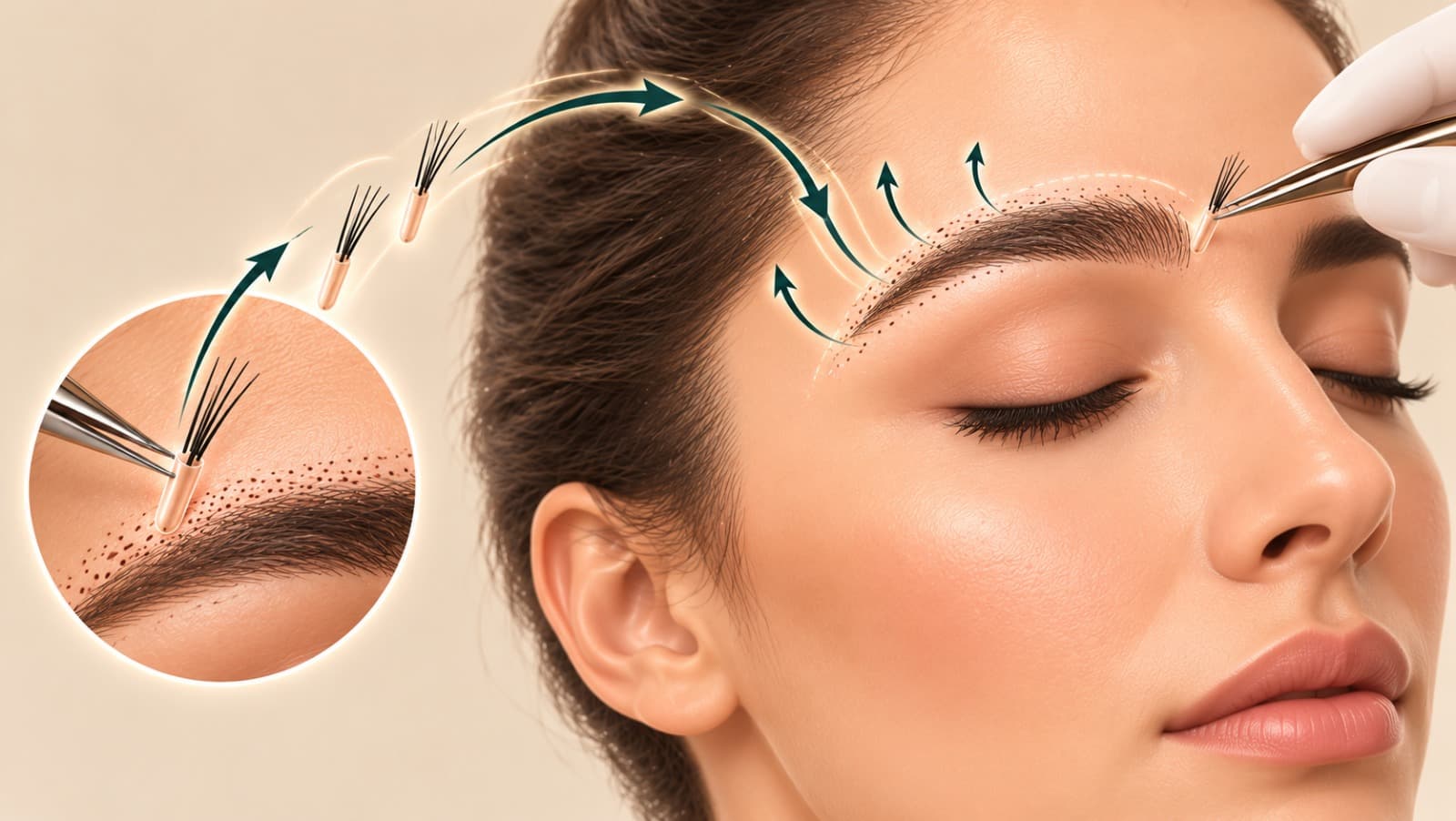
An eyebrow transplant can be a good option if your brows are thin, patchy or missing, because it uses your own hair follicles to rebuild a fuller shape. It is generally considered a minor, low-risk procedure, but no surgery is completely free of risk. Knowing about eyebrow transplant side effects before you book helps you plan your recovery, spot what is normal and recognise when something needs a doctor's attention.
This guide explains what many patients notice after treatment, which risks are less common, and how you can lower the chance of problems. Every person heals differently, so please treat it as general information and discuss your own situation with the treating doctor.
Why it helps to understand the risks first
In an eyebrow transplant, single hair follicles are usually taken from the back of the scalp, most often with the FUE (follicular unit extraction) technique, and placed one by one into the brows. The procedure is normally done under local anaesthesia as an outpatient, so most people go home the same day.
Because two areas are treated, the donor area and the brows, side effects can appear in both. Being prepared for them means you are less likely to worry about normal healing and more likely to act quickly if something seems wrong. It also helps you set realistic expectations about the final look, which develops gradually over many months.
Common eyebrow transplant side effects in the first days
Most early side effects are part of normal healing and tend to settle as the skin recovers. They can include:
- Redness around the brows and the donor area
- Swelling, which can sometimes spread around the eyes
- Bruising near the brows or eyelids
- Tiny scabs around each implanted hair and in the donor area
- Itching as the skin heals
- Temporary numbness in the treated areas
These effects vary in how strong they are and how long they last. Your clinic will usually give you instructions on cleaning the area gently and what to avoid. It is important not to scratch or pick at the scabs, because this can disturb the newly placed follicles.
The shedding phase: normal, not a failure
One of the most surprising parts of recovery for many patients is the shedding phase. In the early weeks, after the scabs fall off, many of the transplanted hairs fall out too.
This can feel alarming, but it is an expected part of the process and does not mean the treatment has failed. The follicles usually stay in the skin, and new hairs gradually start to grow from them over the following months. Density then improves slowly. Patience is key here, and your doctor can tell you what to expect at each stage of your own recovery.
Less common risks and complications
Some risks are less frequent but still worth knowing about. Possible complications include:
- Infection, which is uncommon with good hygiene and careful aftercare
- Ingrown hairs or small cysts where hairs have been placed
- Visible scarring in the donor area in some cases
- Grafts that do not grow, leaving areas less dense than hoped
If you have a bleeding tendency, take certain medicines or have had problems with skin healing in the past, tell your doctor during the consultation. These details can influence whether the procedure is suitable for you and how it is planned.
When results differ from what you expected
Not every side effect is physical discomfort. Sometimes the concern is the result itself. Possible issues include:
- Growth that is patchier or less dense than you hoped
- Hairs growing at an unnatural angle
- A brow shape or arch you are not happy with
- Transplanted hairs growing longer than natural brow hairs
Because the hairs come from the scalp, they may keep growing like scalp hair, so regular trimming is often needed. This is not a complication as such, but it is a long-term part of living with transplanted brows.
Some people choose a second session to add density or adjust the shape. Talking openly about realistic outcomes before treatment, including the design and thickness of your new brows, can help avoid disappointment.
How to lower your risk of side effects
You cannot remove every risk, but you can make a real difference with careful preparation and aftercare:
- Check suitability first. If your brow loss is caused by an active condition, such as some forms of alopecia, thyroid problems or skin diseases, new hairs could be affected too. The cause usually needs to be assessed and treated first.
- Share your full medical history, including medicines and any bleeding or healing problems.
- Choose an experienced team. Ask how much experience the clinic has with eyebrow transplants specifically, not only scalp transplants.
- Agree on the design before the day of treatment, so the shape, arch and thickness are clear.
- Follow aftercare closely. Clinics usually advise avoiding touching or rubbing the brows, heavy exercise, swimming, saunas and strong sun for a while.
- Plan follow-up checks, especially if you are travelling abroad for treatment.
When to talk to a doctor
Some discomfort is expected, but contact your treating doctor or clinic if you notice:
- Redness, swelling or pain that gets worse instead of better
- Pus, warmth, a bad smell or fever, which could suggest infection
- Bleeding that does not stop with gentle pressure
- Painful bumps that may be cysts or ingrown hairs
- Swelling that affects your vision or eyelids in a way that worries you
- Little or no new growth after the period your doctor told you to expect
If you have any sudden or severe symptoms, seek medical help locally straight away. If you had treatment abroad, ask your clinic before you travel how they handle follow-up care and questions once you are home.
Take your next step with confidence
An eyebrow transplant can help many people feel more confident about their brows, and knowing the possible side effects is part of making a calm, informed choice. On our site you can compare verified clinics, read about how they approach eyebrow work, and send one free request so that clinics can contact you with information and a personal quote. Start by exploring our eyebrow transplant treatment page and take the time you need to decide.