
Your facelift recovery timeline, week by week: what to expect as you heal
Healing after a facelift happens in stages. It starts with swelling and rest and moves slowly towards a settled, natural result. Here is a general week-by-week guide to help you plan and know what to ask your surgeon.
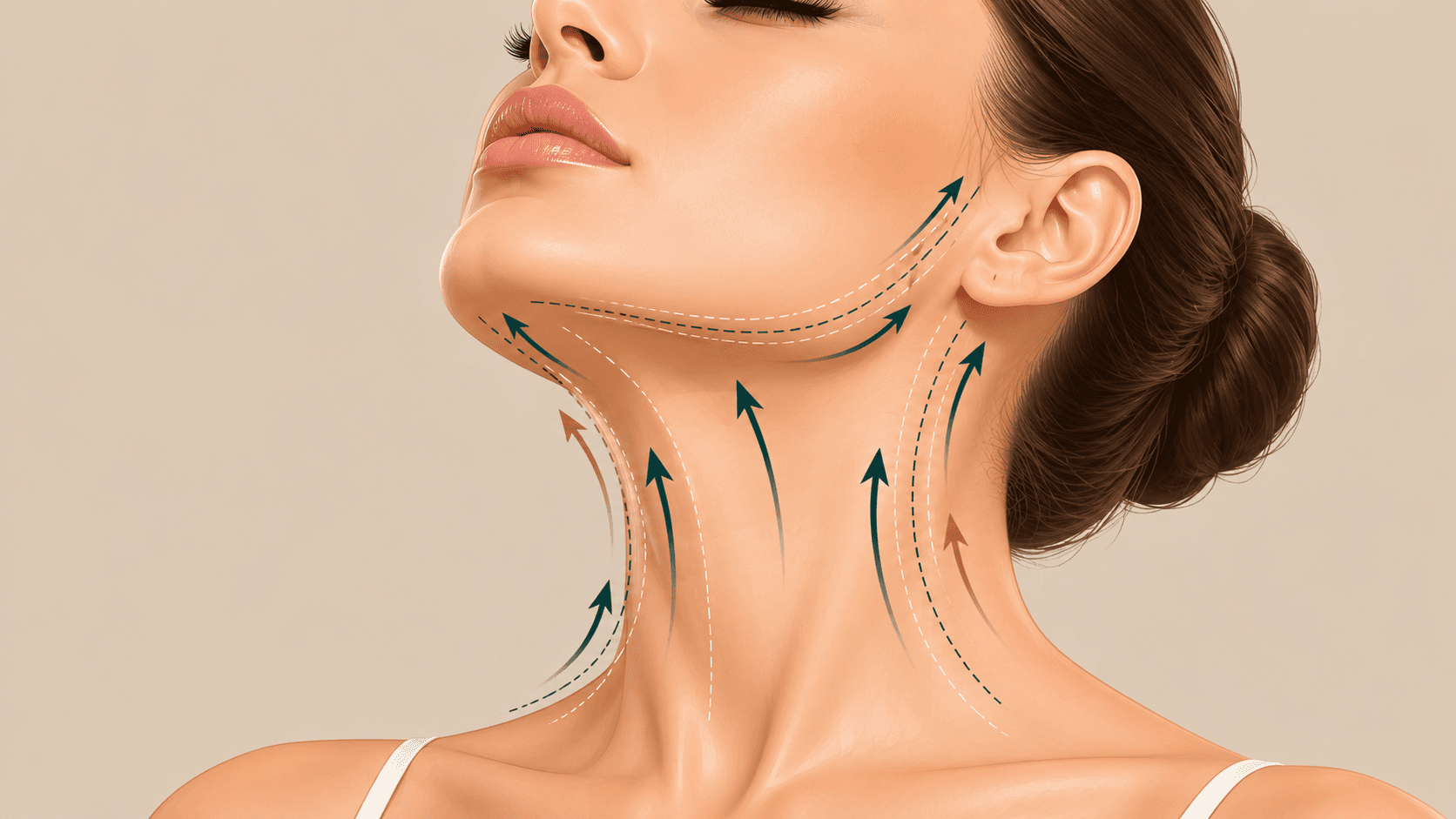
Deciding to have a facelift is a big step, and knowing what healing looks like can help you plan with more confidence. This guide walks through a general facelift recovery timeline, from the first days after surgery to the longer settling phase. Everyone heals differently. The stages below are broad patterns that many patients describe, not fixed rules. Your own surgeon's advice should always come first.
Why every facelift recovery timeline is different
A facelift lifts and tightens the deeper tissues of the lower face and neck, removes excess skin and redrapes what remains. How long healing takes depends on many things, including:
- The technique used: a mini or short-scar facelift involves shorter incisions than a full facelift, while deep plane and SMAS techniques reposition deeper layers
- The extent of surgery: whether the neck is treated too, or other procedures such as eyelid surgery or a brow lift are combined
- Your general health: conditions such as high blood pressure or diabetes can affect healing
- Smoking and nicotine use: these can slow wound healing and raise the risk of complications
- Skin quality and elasticity: these also play a part in how tissues settle
So use the timeline below as a rough map, and ask your surgeon to explain what is realistic in your situation.
The first days: rest, swelling and early care
Depending on the clinic and the extent of surgery, you may spend one night under observation or have a short hospital stay. You may wake up with a compression dressing around your face and neck, and sometimes small drains to remove excess fluid.
Swelling and bruising are usually at their most noticeable in these early days. Many people also describe:
- A feeling of tightness across the cheeks and neck
- Numbness around the incisions and the ears
- Mild to moderate discomfort, which your care team will help you manage
- Tiredness as your body recovers from surgery and anaesthesia
Your main job now is to rest. Surgeons commonly advise keeping your head raised, including while you sleep, avoiding bending forward or lifting anything heavy, and taking short, gentle walks around your home to support circulation. Take only medications your surgeon has approved, as some medicines and supplements can affect bleeding.
Weeks one to two: follow-up visits and first signs of progress
The first week or two is usually full of check-ups. Typical follow-up care includes:
- Dressing changes
- Removal of drains, if they were used
- Removal of stitches, often in stages
- A check of your incisions and how the swelling is settling
For many people, bruising starts to fade during this period, though it can shift lower down the neck as it clears. Your face may still look puffy or slightly uneven. This is a normal part of healing and does not show what your final result will be.
If you have travelled abroad for surgery, this is usually the time to stay close to the clinic. Ask your surgeon beforehand how long they advise staying and when it is considered safe for you to fly. Plan your accommodation and return flight around their guidance, not the other way round.
Weeks two to four: easing back into daily life
As the early swelling goes down, most people slowly return to light daily activities. Some feel comfortable going back to desk work or meeting friends somewhere in this window. Others prefer more time, especially if their role is physically demanding or they would rather wait until bruising has faded completely.
During this phase you might notice:
- Swelling that changes from day to day, often more noticeable in the morning
- Patches of numbness or tingling as sensation slowly returns
- Firmness or small lumps under the skin that gradually soften
- Incision lines that look pink or red at first
Ask your surgeon before you restart exercise, wear makeup over healing skin, colour your hair or go back to skincare products. Strenuous activity usually comes back gradually and only once your surgeon agrees.
The settling phase: the months after your facelift
The longest part of facelift recovery is also the quietest. Leftover swelling, often too subtle for anyone else to notice, can take a while to fade fully. Over time, sensation usually returns, the tissues soften and settle into place, and scars mature and become less visible.
Scars generally keep changing for many months. Keeping them protected from the sun and following your surgeon's scar-care advice can help them heal well. Be patient: judging your result too early, while swelling is still settling, can be misleading. Your surgeon may schedule later check-ups to follow your progress.
Remember too that a facelift does not stop ageing. It can turn back some of its visible effects, and your face will keep changing naturally over the years.
Practical tips to support your healing
Small habits can make recovery more comfortable. Your surgeon's instructions always come first, but common advice includes:
- Arrange for someone to help you at home for the first few days
- Prepare soft, easy-to-eat foods and plenty of water before surgery
- Wear front-opening tops so you do not have to pull clothes over your head
- Avoid smoking and nicotine before and after surgery, for as long as your surgeon advises
- Keep all follow-up appointments, even if you feel well
- Give yourself emotional space, as it is common to feel low or impatient while swelling lasts
When to talk to your doctor
Some swelling, bruising, tightness and numbness are expected. Still, certain signs should be checked quickly. Contact your surgeon or clinic promptly if you notice:
- Swelling that increases suddenly, especially on one side, or a tense, painful area that could suggest a collection of blood (haematoma)
- Bleeding that does not stop
- Fever, spreading redness, warmth or unusual discharge from an incision
- Pain that gets worse instead of better
- New weakness or changes in facial movement
- An incision that opens or does not seem to be healing
If you have chest pain, difficulty breathing or any symptom that feels like an emergency, seek urgent medical help straight away. Whenever you are unsure, it is always fine to ask. Your care team would rather hear from you early.
Planning your facelift with confidence
Understanding the stages of healing makes it easier to plan time off, travel and support at home. Recovery, risks and suitability are different for each person, so talk through your own timeline with the surgeon who will treat you. When you are ready, you can compare verified clinics offering facelift surgery and send one free request. Clinics will then contact you to answer your questions, so you can decide at your own pace.